Church and bell tower
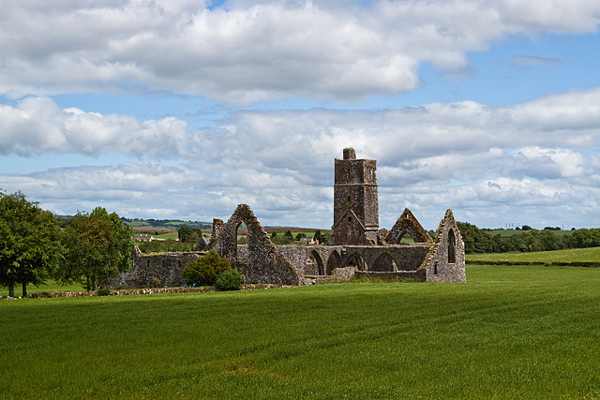
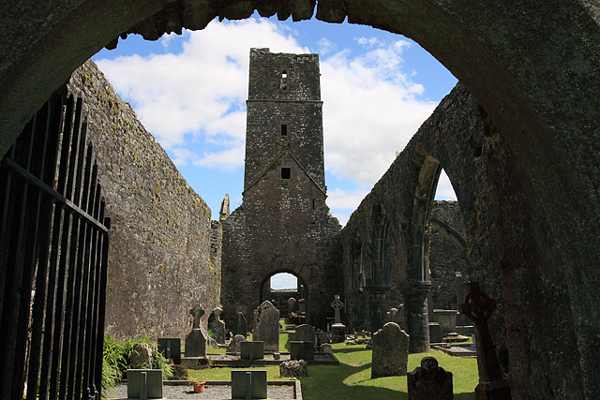
Look at the slender tower and the church’s main spaces without attempting a climb. The surviving structure gives a strong sense of scale. Keep clear of unstable areas and use the permitted route through the complex.

heritage · Cork
Kilcrea Franciscan Friary is a roofless religious complex and burial place, with old masonry and uneven ground to treat carefully. Near Ovens, the church, slender bell tower and domestic remains create a legible medieval layout. Explore only permitted areas and keep the visit distinct from the separate nearby castle.
From research
Choose Kilcrea if you want to understand how church, cloister and working rooms fitted together within a friary. The windows and surviving spaces reward close observation at ground level. Respect graves and current restrictions, and avoid assuming that a well-preserved wall or stair establishes safe access to upper levels.
Know before you book: This is an unguided historic place with uneven ground and fragile fabric. Respect current barriers, burial areas and the permitted approach; do not climb.
Place highlights
Look at the slender tower and the church’s main spaces without attempting a climb. The surviving structure gives a strong sense of scale. Keep clear of unstable areas and use the permitted route through the complex.
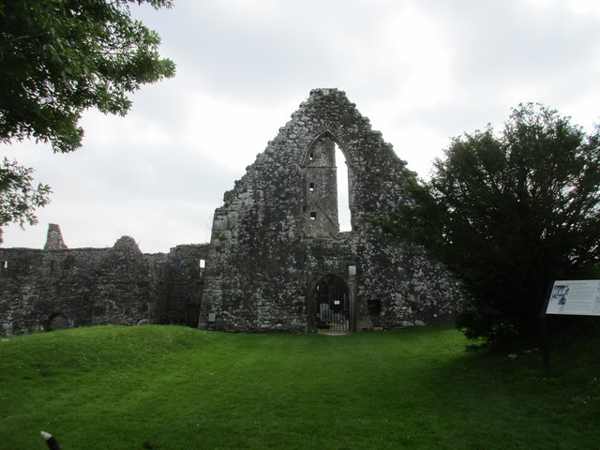
The well-lit rooms beside the chancel are particularly useful for understanding daily work within the friary. Examine the windows and layout from accessible ground. Distinguish surviving stonework from any modern artist’s reconstruction shown in interpretation.
Look towards the former cloister area and adjoining rooms. Their relationship recalls communal eating, sleeping and administration as well as worship. Leave burial places and fabric undisturbed rather than entering every opening simply because a roof is missing.
The story behind the visit
The local parish records the friary’s foundation in 1465 by Cormac Láidir Mac Cárthaigh, Lord of Muskerry, for Franciscan Observants. The same account explains the name as a connection with an earlier religious figure, Cré, rather than evidence that every visible building belongs to that early period. Keep the foundation and the surviving medieval fabric in focus: the complex developed as a community with distinct spaces for worship, study and ordinary daily life. Source ↗
North of the church, the former cloister and domestic buildings included a chapter room, refectory and dormitories. Beside the chancel, the sacristy and upper scriptorium received light through multiple windows; the parish also records a manuscript made at Kilcrea that survives in Rennes. Such details connect the ruin with intellectual work rather than only defensive-looking masonry. The friary is also a place of burial, including named historical figures, so a quiet visit should respect both its architectural evidence and the dignity of the graves. The parish account identifies the burials of Cormac Láidir MacCarthy and Art Ó Laoire. These connections add later personal histories to the architectural remains and reinforce the need to respect the site as a place of burial. Source ↗
Visitor information
Use the signed friary approach near Ovens. Confirm you are visiting Kilcrea Friary rather than the separate Kilcrea Castle. Official visitor information ↗
Confirm current access and visitor arrangements with the operator.
No. The castle is separate, and this guide does not establish access to it. Source ↗
The parish identifies it as the well-lit room where friars worked on manuscripts. Source ↗
Nearby options
Explore other places in the area, then use live directions to plan your journey.
nature
Farran Forest Park sits beside Inniscarra reservoir west of Cork, combining woodland paths with a wildlife enclosure and waterside views. Coillte publishes shorter winter gate hours, so plan the return before…
Open place page →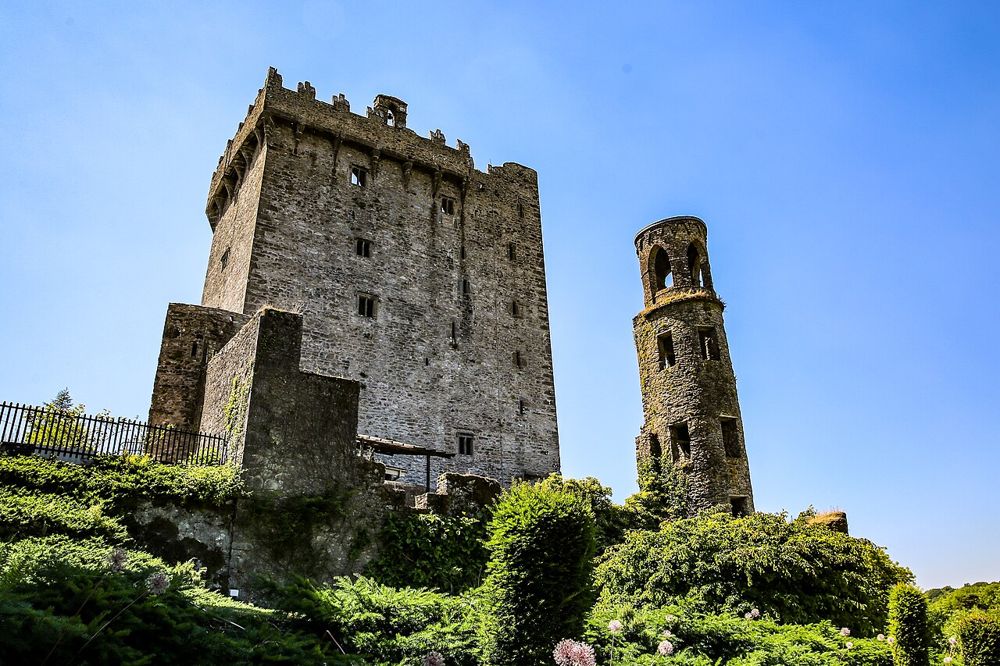
heritage
Blarney is an easy place to underestimate if the stone is the only thing on your list. The tower is the busy, vertical part of the visit; outside it, woodland paths, tree ferns and the Rock Close give the…
Open place page →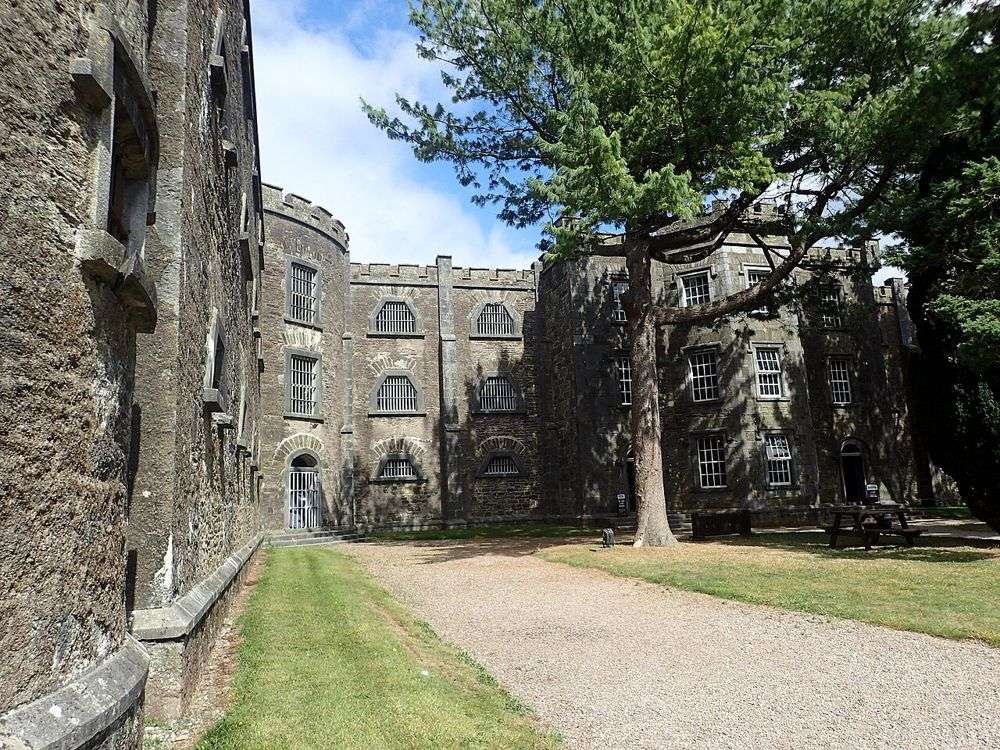
heritage
Behind Cork City Gaol’s grand exterior are small stories of repeated imprisonment, poverty and authority. The building works best when you follow individual prisoners through its cells and corridors. It brings…
Open place page →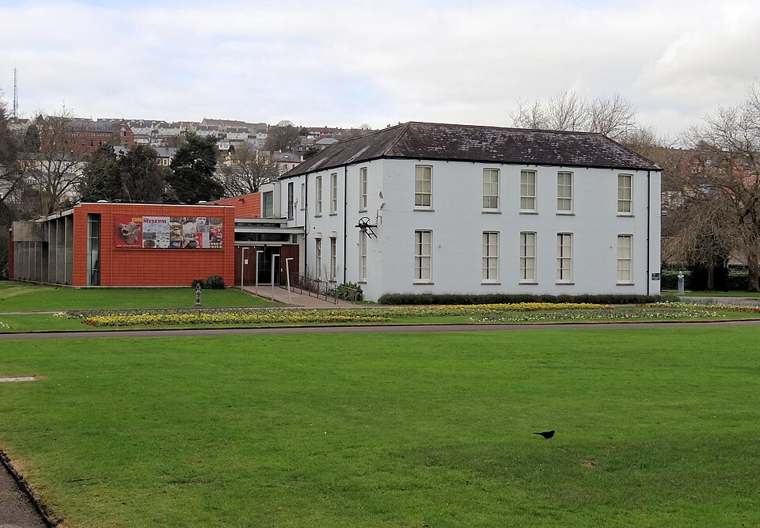
heritage
A free museum in Fitzgerald Park exploring Cork’s material history through archaeology, local collections and changing exhibitions. It pairs an indoor cultural visit with time in the surrounding park.
Open place page →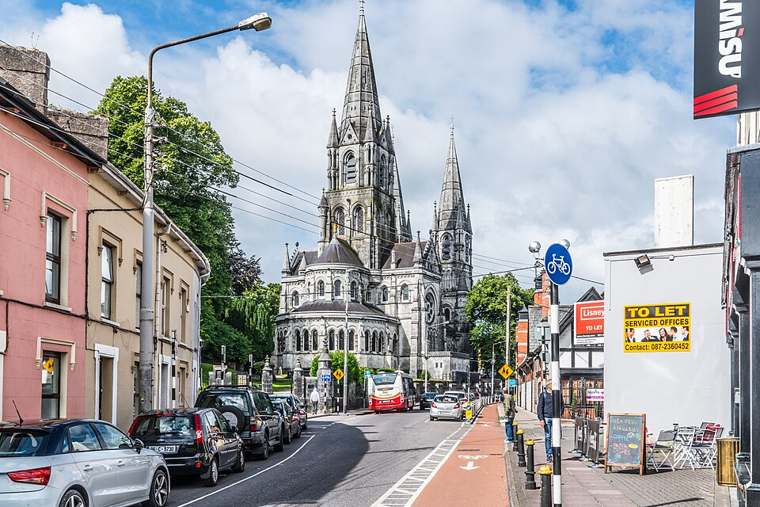
heritage
William Burges’ nineteenth-century cathedral is a richly detailed Cork landmark, with carved stone, stained glass and carefully designed interiors. It remains an active place of worship, so sightseeing hours…
Open place page →
heritage
Elizabeth Fort provides a compact way to read Cork from above and understand the defensive role of the hill south of the city centre. The courtyard is the easier part of the visit; the walls involve a steep…
Open place page →Location & access
This is an unguided historic place with uneven ground and fragile fabric. Respect current barriers, burial areas and the permitted approach; do not climb.
51.85998, -8.70948 · Reference point; confirm the correct entrance and access. Map © OpenStreetMap contributors.
Orientation only: a verified public entrance is not established by this pin. Use the operator arrival information before travel.