Skip to content
TheLazyNick

heritage · Cork

Glanworth Castle and Rock Abbey

Glanworth offers two complementary medieval sites: the castle above the River Funshion and the ruined Dominican foundation known as Rock Abbey. Visiting them together connects secular power with religious patronage in a compact village setting. Each monument has its own approach, so treat this as a paired heritage visit rather than a single enclosed attraction.

Add to planSaved trips & places

Saved on this browser. No account needed.

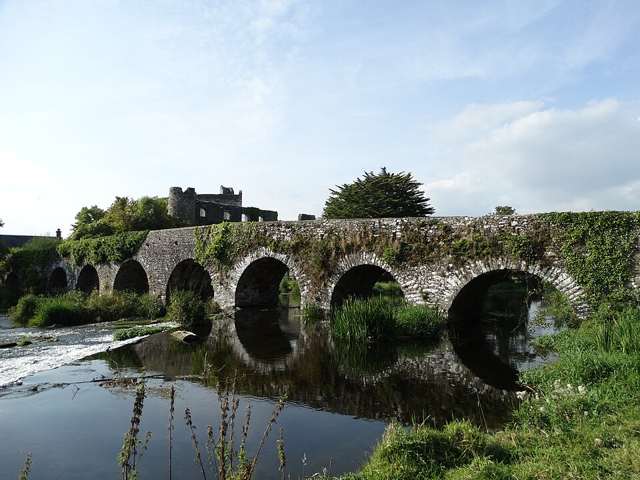
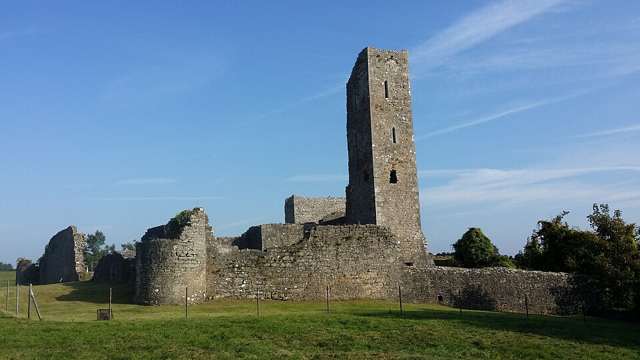
Glanworth Castle’s tall keep and surrounding wall remains
Glanworth Castle’s tall keep and surrounding wall remains. Resized for display. Photo: The Speckled Bird ↗ · CC BY-SA 4.0

From research

Is this worth your time?

Choose it for a town seen through related buildings. The castle’s river position and the friary’s surviving church tell different parts of Glanworth’s story. Allow time between them and use public approaches; one site’s access does not establish permission to cross private property.

Know before you book: OPW directs public castle access up steps by the mill at the riverbank. Both sites are unguided historic ruins; follow their separate signs and keep away from unstable edges or closed structures.

Place highlights

What you will actually see

01

Castle above the river

View the keep and enclosing walls in relation to the River Funshion below. The height and position help explain the castle’s defensive and symbolic role, while the approach by the mill connects it with the village’s later working landscape.

02

Rock Abbey church

At the Dominican ruin, look at the surviving religious building as a separate foundation rather than an outbuilding of the castle. The change in purpose becomes clearer when you compare its church form with the defensive enclosure seen earlier.

03

Village connections

Give the movement between monuments time. River, streets and surviving historic structures make Glanworth more than two isolated ruins, but keep to public approaches rather than creating an improvised shortcut through adjoining property or across unsafe ground.

The story behind the visit

The story behind the place

Glanworth Castle occupies a commanding position above the Funshion, reflecting the power of the medieval families who controlled the area. Its surviving keep and walls make that position legible even without a reconstructed interior. OPW now describes it as part of a public walk and gives a specific stepped approach by the mill, which should determine how visitors reach the monument. Source ↗

Rock Abbey, also called the Priory of the Holy Cross, was a Dominican foundation established in 1475 at the invitation of the Roche family, according to OPW. It once included a church, cloister, dormitory and cemetery before suppression in the sixteenth century. Seeing the friary and castle together reveals different forms of medieval influence: a fortified residence asserting control and a religious foundation supported by local patronage. Their close proximity is useful for comparison, while their distinct approaches prevent the paired visit from becoming an assumed route across every piece of neighbouring land. Source ↗

Visitor information

Tickets, timing and access

Opening
Unguided outdoor monument: visit in daylight and follow current local notices.Confirm with the operator ↗
Admission
Check current site arrangements; no staffed visitor-centre experience is included in this plan.Confirm with the operator ↗
Booking
No regular guided departure is advertised. Arrange organised group or specialist visits separately.Confirm with the operator ↗
Access
Castle approach uses steps beside the mill and riverbank. The separate friary is an unguided ruin; no step-free combined circuit is promised.Confirm with the operator ↗
Duration
Suggested allowance: about 75 minutes for both monuments and the public routes between them.Confirm with the operator ↗
Seasonal
Exposed outdoor remains can be wet or slippery. Short winter daylight calls for a flexible plan.Confirm with the operator ↗

Getting to the entrance

Visit the two signed monuments in Glanworth, County Cork. For the castle, use OPW’s public approach by the mill at the riverbank. Official visitor information ↗

Your questions, answered

Confirm current access and visitor arrangements with the operator.

Are the castle and friary one enclosed site?

No. They are separate monuments with separate approaches. Source ↗

How do I reach the castle?

OPW directs public access up the steps by the mill at the riverbank. Source ↗

Nearby options

Nearby places to explore

Explore other places in the area, then use live directions to plan your journey.

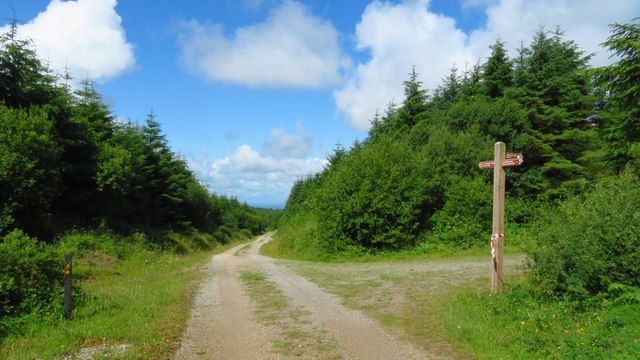
A trail junction in the broader Ballyhoura landscape in County Limerick
A trail junction in the broader Ballyhoura landscape in County Limerick. This is regional trail context, not a route instruction for the mountain-bike trailhead or Nature Trail. Resized from the credited source. Photo: Colin Park ↗ · CC BY-SA 2.0

nature

Ballyhoura Forest Trails, Limerick

Ballyhoura is a place to choose an activity deliberately: forest walking and mountain biking use a landscape that is much larger than a single viewpoint. The right trail matters more than collecting a summit…

Open place page →
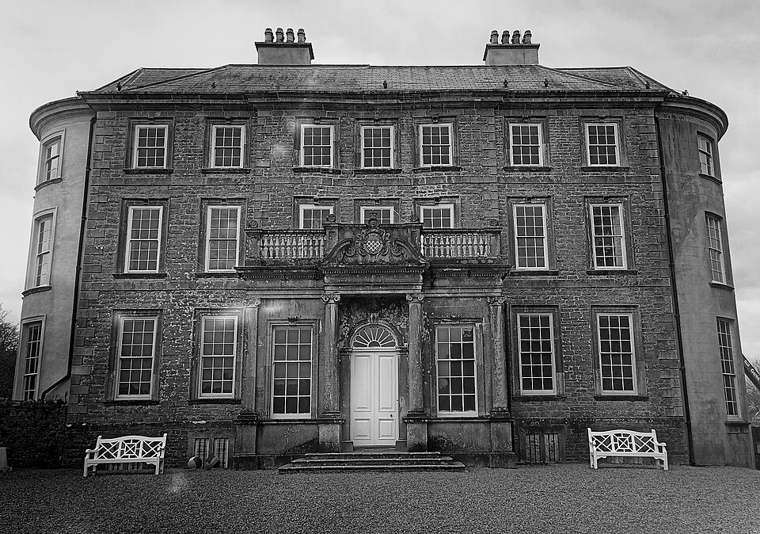
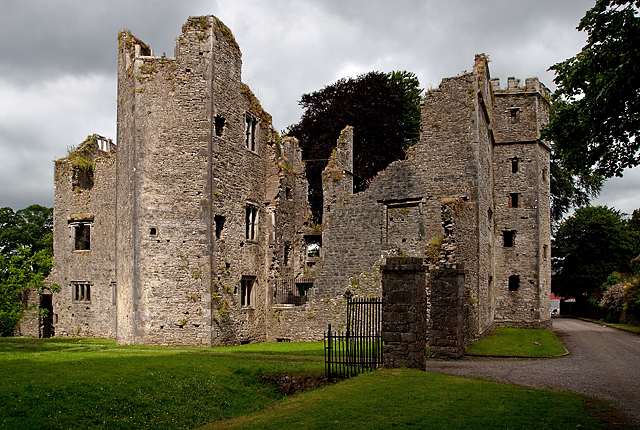
The ruined fortified house at Mallow Castle
The ruined fortified house at Mallow Castle. Resized for display. Photo: Mike Searle ↗ · CC BY-SA 2.0

heritage

Mallow Castle

Mallow Castle preserves the outline of a fortified residence within a larger historic estate in the town. The current visit must be exterior-focused: OPW says the site is closed for ongoing works, with…

Open place page →
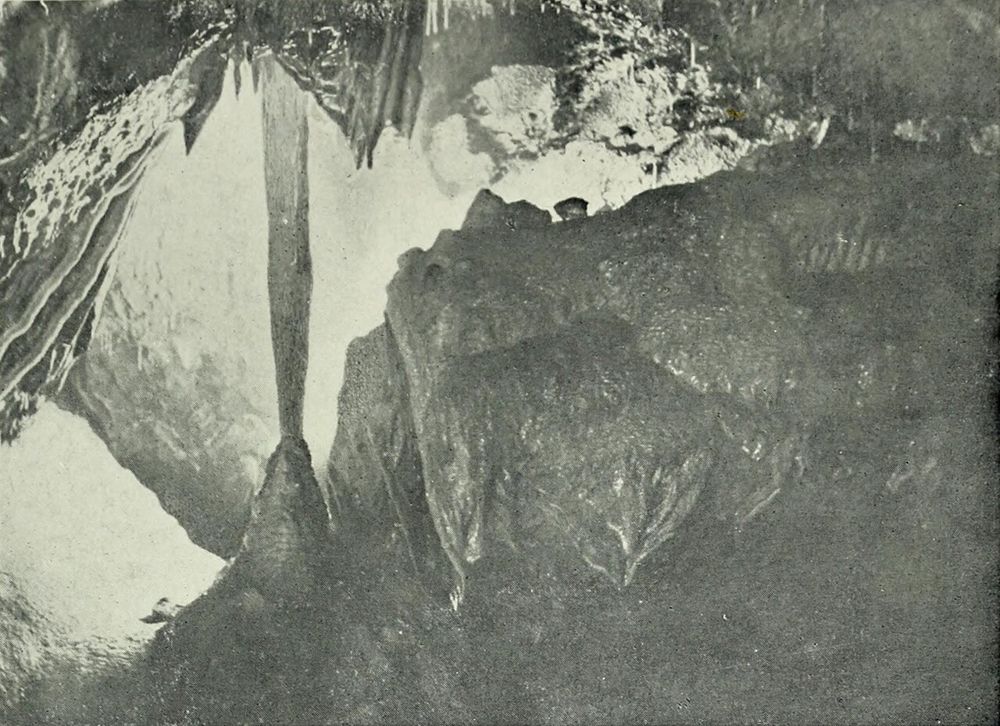
A historic 1905 photograph of a calcite column in Mitchelstown Cave
Calcite formations in Mitchelstown Cave photographed by Ernest A. Baker in August 1905, published in The Irish Naturalist in 1906. Resized from the public-domain original. Photo: Ernest A. Baker ↗ · Public domain

nature

Mitchelstown Cave

Mitchelstown Cave is a deliberate change of scene from the roads above: a descent into limestone chambers with a guide controlling the pace and explanation. The formations are the attraction, but the entrance…

Open place page →
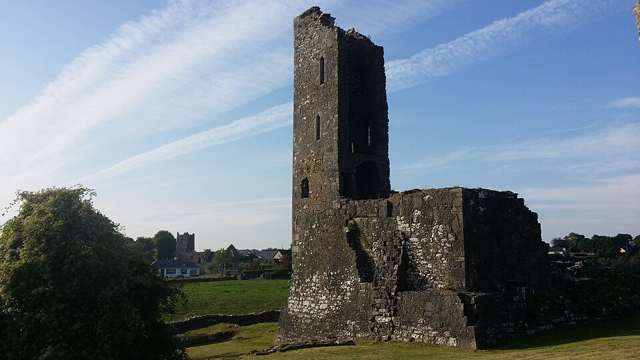
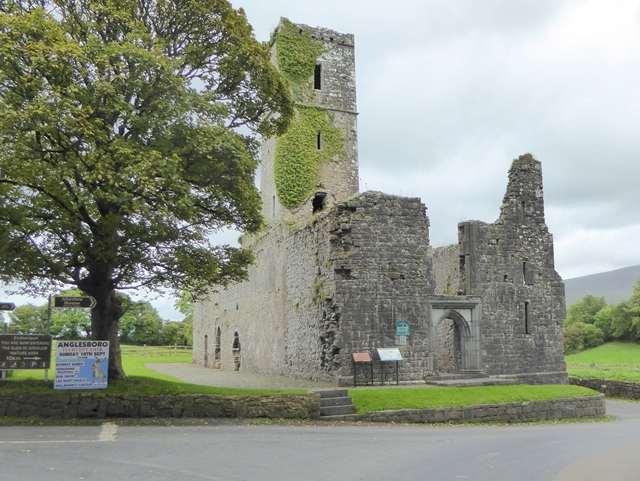
The ruined church and tower at Moor Abbey
The ruined church and tower at Moor Abbey. Resized for display. Photo: Oliver Dixon ↗ · CC BY-SA 2.0

heritage

Moor Abbey

Moor Abbey stands east of Galbally in the Glen of Aherlow, its slender bell tower rising above the surviving church. The remaining nave and chancel preserve architectural details that make a short visit…

Open place page →
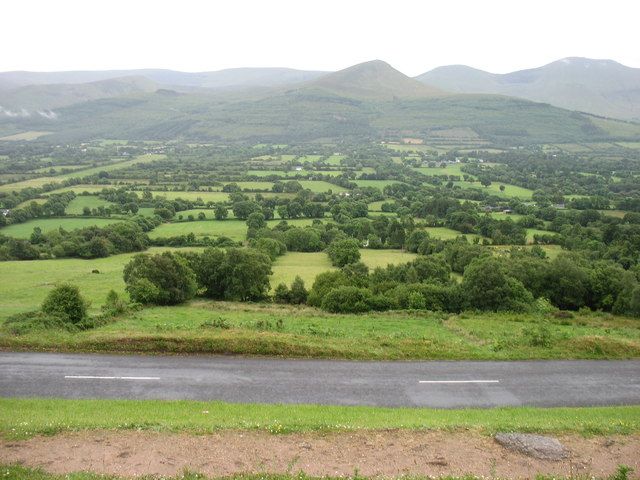
The Glen of Aherlow landscape from the Christ the King viewpoint
The Glen of Aherlow landscape from the Christ the King viewpoint. Resized from credited source. Photo: David Purchase ↗ · CC BY-SA 2.0

nature

Glen of Aherlow

The Glen of Aherlow is a landscape to spend time in, not a single attraction with one entrance. The Galtees provide the dramatic backdrop, while lower woodland routes allow a gentler day beneath them. Decide…

Open place page →

External visitor reviews

Find the matching listing and reviews on Google Maps ↗

Part of a bigger journey

Location & access

Getting your bearings

OPW directs public castle access up steps by the mill at the riverbank. Both sites are unguided historic ruins; follow their separate signs and keep away from unstable edges or closed structures.

52.18824, -8.35444 · Reference point; confirm the correct entrance and access. Map © OpenStreetMap contributors.

Orientation only: a verified public entrance is not established by this pin. Use the operator arrival information before travel.

Sources & place context

Browse more Ireland places →