Skip to content
TheLazyNick

heritage · Meath

Donaghpatrick Church

Donaghpatrick offers exterior viewing unless an interior visit has been arranged with the church. Its nineteenth-century body incorporates a much older tower, creating an unusual architectural combination near the Boyne. Look from permitted public areas and arrange any interior visit with the church rather than assuming a heritage listing opens the doors every day.

Add to planSaved trips & places

Saved on this browser. No account needed.

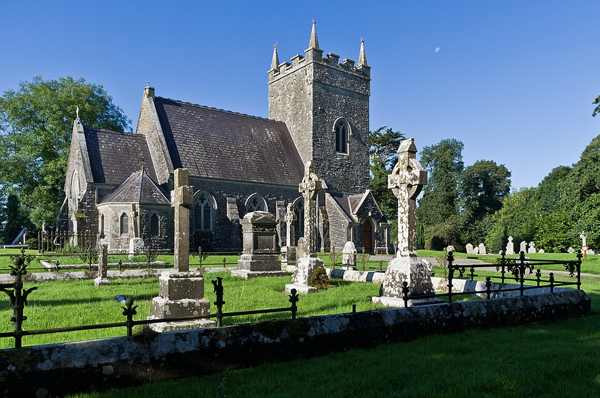
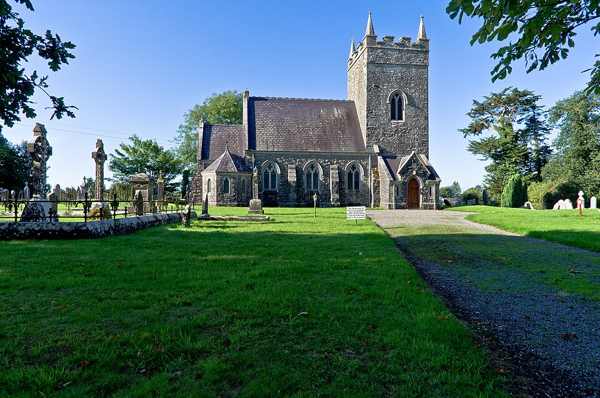
Donaghpatrick Church and its surrounding burial ground.
Donaghpatrick Church and its surrounding burial ground. Photo: Kojut ↗ · CC BY-SA 4.0

From research

Is this worth your time?

Choose Donaghpatrick if you enjoy buildings that visibly combine different periods. The older tower and later church can be compared through their proportions, masonry and windows without entering. It suits a short architectural stop, provided you respect worship, neighbouring land and the difference between historical interest and unrestricted public access.

Know before you book: The stained glass described in the history is not a guarantee of interior access. Services, private occasions and the church’s own arrangements take priority over sightseeing.

Place highlights

What you will actually see

01

The older tower

Look at the western tower in relation to the later church. Its survival gives the building an archaeological dimension beyond its nineteenth-century design. View from permitted areas and do not treat a visible door or stair as an invitation to explore a private or closed part.

02

The later church design

Compare pointed windows, stone dressings and the handling of limestone. The official tourism account identifies the architect and the completed church as a substantial later creation. These external features help explain how an older element was incorporated rather than simply left as an isolated ruin.

03

The entrance setting

The gate piers, doors and boundary treatment belong to the overall architectural composition. Appreciate them without blocking an entrance or assuming the grounds are open whenever the street is accessible. If an interior visit matters, establish the church’s own permission and timing first.

The story behind the visit

The story behind the place

The present St Patrick’s Church was designed by J. F. Fuller and built in the late nineteenth century. It incorporates an older tower-house element on the western side, creating a building that cannot be assigned wholly to either period. The official visitor account emphasises retained materials and crafted stonework, including limestone dressings and window tracery. Looking at those features from outside gives substance to the visit without relying on an assumed tour of the interior. Source ↗

The site is also associated with a tradition about St Patrick and an early royal baptism. That story belongs to the longer religious identity of Donaghpatrick, separate from the documented construction of the present church. Keeping those timescales distinct is useful: an early place of worship can acquire a medieval tower and then a much later church body. The resulting building expresses continuity through change rather than unaltered survival from the saint’s time. Its current role as a place of worship adds another reason to approach respectfully, checking arrangements directly and accepting that architectural interest does not itself confer access to every space. Source ↗

Visitor information

Tickets, timing and access

Opening
Exterior viewing from permitted public areas; contact the church for any interior sightseeing arrangement.Confirm with the operator ↗
Admission
No general ticketed interior visitor offer is established by the official tourism description.Confirm with the operator ↗
Booking
Contact the church if you need interior access; otherwise view the building from permitted outdoor ground.Confirm with the operator ↗
Access
Do not cross closed gates or private land; worship and private occasions take priority.Confirm with the operator ↗
Duration
Allow about 30 minutes for an exterior architectural stop.Confirm with the operator ↗
Seasonal
Do not infer daily winter interior opening from the heritage listing.Confirm with the operator ↗

Getting to the entrance

Use the specific Donaghpatrick Church reference near Teltown, not Donaghmore Round Tower. Follow public roads and any entrance instructions supplied by the church. Official visitor information ↗

Your questions, answered

Confirm current access and visitor arrangements with the operator.

Can I rely on getting inside on arrival?

Exterior viewing is available from permitted public areas; arrange any interior visit directly. Source ↗

Is the whole building medieval?

No. The present nineteenth-century church incorporates an older tower element. Source ↗

Nearby options

Nearby places to explore

Explore other places in the area, then use live directions to plan your journey.

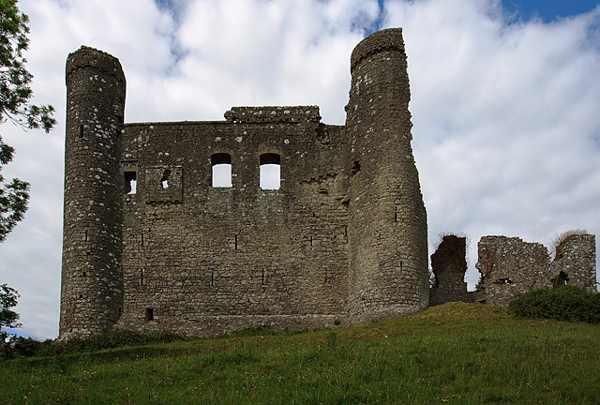
The surviving towers and wall at Dunmoe Castle.
The surviving towers and wall at Dunmoe Castle. Photo: Mike Searle ↗ · CC BY-SA 2.0

heritage

Dunmoe Castle

Dunmoe is an unguided castle ruin: stay on permitted ground and do not climb its surviving walls. Above the Boyne, the fragments retain the scale of a substantial towered residence despite the loss of much of…

Open place page →
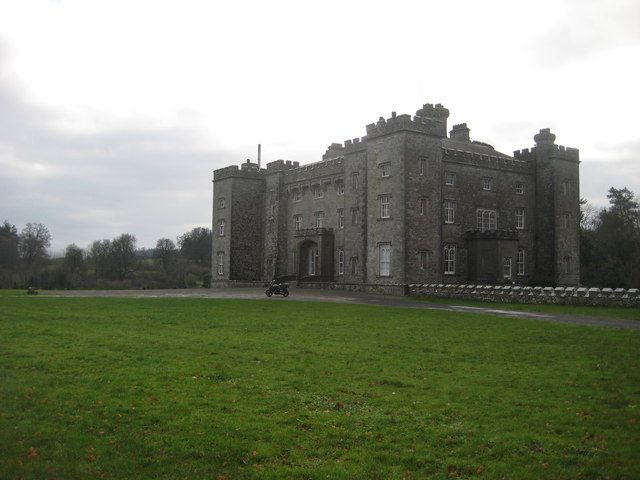
The castellated exterior of Slane Castle
The castellated exterior of Slane Castle in the Boyne Valley. Resized from the credited source; appearance and access may have changed. Photo: Jamie Carroll ↗ · CC BY-SA 2.0

heritage

Slane Castle

Slane is a country house with a second life as a concert landmark. A castle tour connects the rooms and family history with the musicians who made its sloping grounds famous. That mix is the reason to come: it…

Open place page →
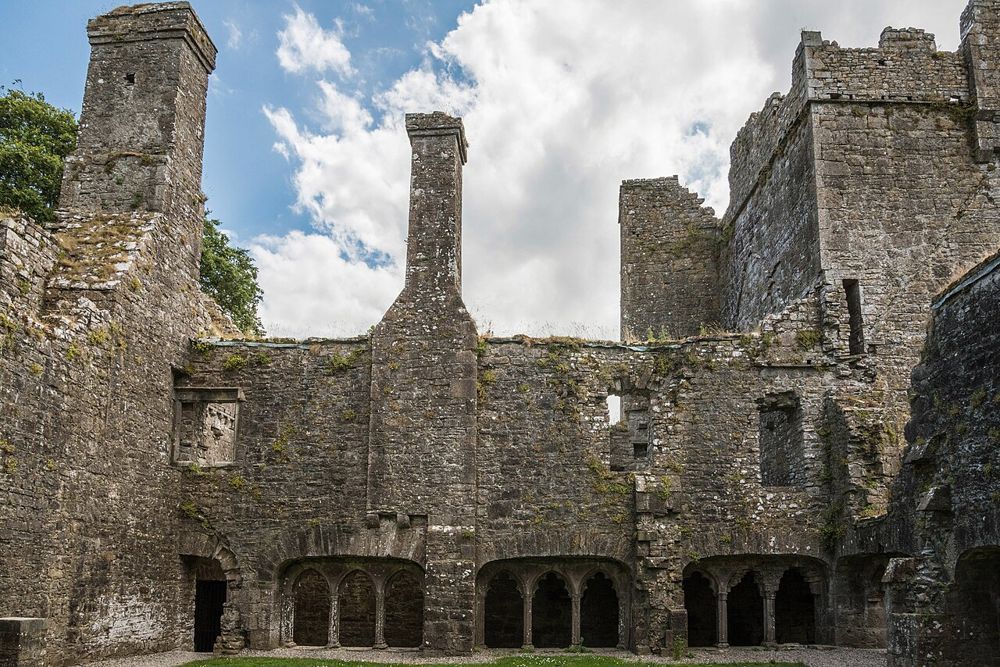
The surviving arcade and stone walls inside Bective Abbey
The surviving arcade and stone walls inside Bective Abbey. Source photograph; current access and conditions may differ. Resized from the credited source. Photo: Olliebailie ↗ · CC BY-SA 4.0

heritage

Bective Abbey

Bective is the Boyne Valley stop for people who enjoy looking closely at stonework. The surviving cloister arches frame small patches of countryside, while the heavier, fortified-looking additions make the…

Open place page →
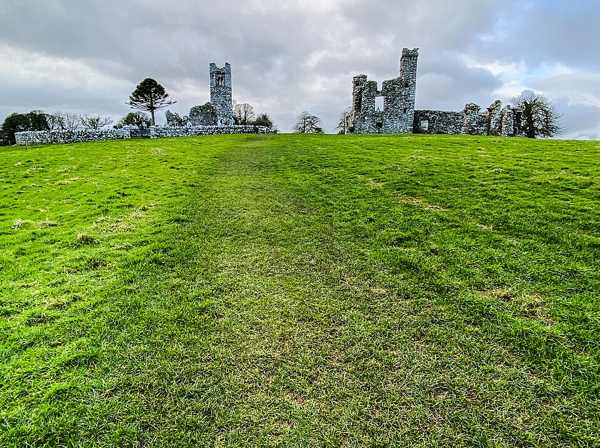
Ruined church on the Hill of Slane
Ruined church on the Hill of Slane. Resized for display. Photo: Dieglop ↗ · CC BY-SA 4.0

heritage

Hill of Slane

The Hill of Slane is an unguided outdoor monument with uneven ground, old masonry and a burial-ground setting to respect. Above Slane village, ruined religious buildings share an elevated outlook across the…

Open place page →
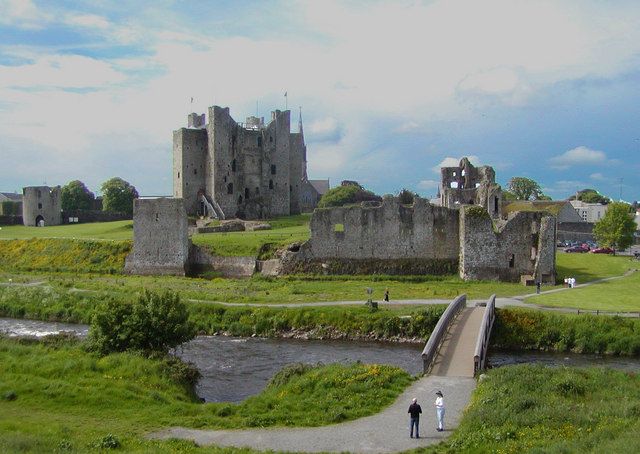
The stone keep and surrounding walls of Trim Castle, with lawns in the foreground
The stone keep and surrounding walls of Trim Castle, with lawns in the foreground. Source photograph dated 2004. Source photograph; current access and conditions may differ. Resized from the credited source. Photo: Billy Irwin ↗ · CC BY-SA 2.0

heritage

Trim Castle

Trim Castle has the physical presence that the subtler earthworks of the Boyne Valley sometimes lack. The great stone keep stands above the river, surrounded by a substantial defensive enclosure. Walk around…

Open place page →

External visitor reviews

Find the matching listing and reviews on Google Maps ↗

Part of a bigger journey

Location & access

Getting your bearings

The stained glass described in the history is not a guarantee of interior access. Services, private occasions and the church’s own arrangements take priority over sightseeing.

53.69656, -6.75955 · Reference point; confirm the correct entrance and access. Map © OpenStreetMap contributors.

Orientation only: a verified public entrance is not established by this pin. Use the operator arrival information before travel.

Sources & place context

Browse more Ireland places →