From research
Is this worth your time?
Choose it for a self-paced indoor visit that makes a useful change from driving or walking around the peninsula. The strongest approach is to compare habitats: notice how water, light and shelter differ between displays. Leave room in your schedule for an aquarist’s talk if one interests you, rather than making a particular animal’s appearance the sole purpose of the trip.
Know before you book: Online tickets must be bought at least two hours ahead. Aquarium re-entry is not permitted after leaving; the seasonal butterfly area is closed in winter.
The story behind the visit
The story behind the place
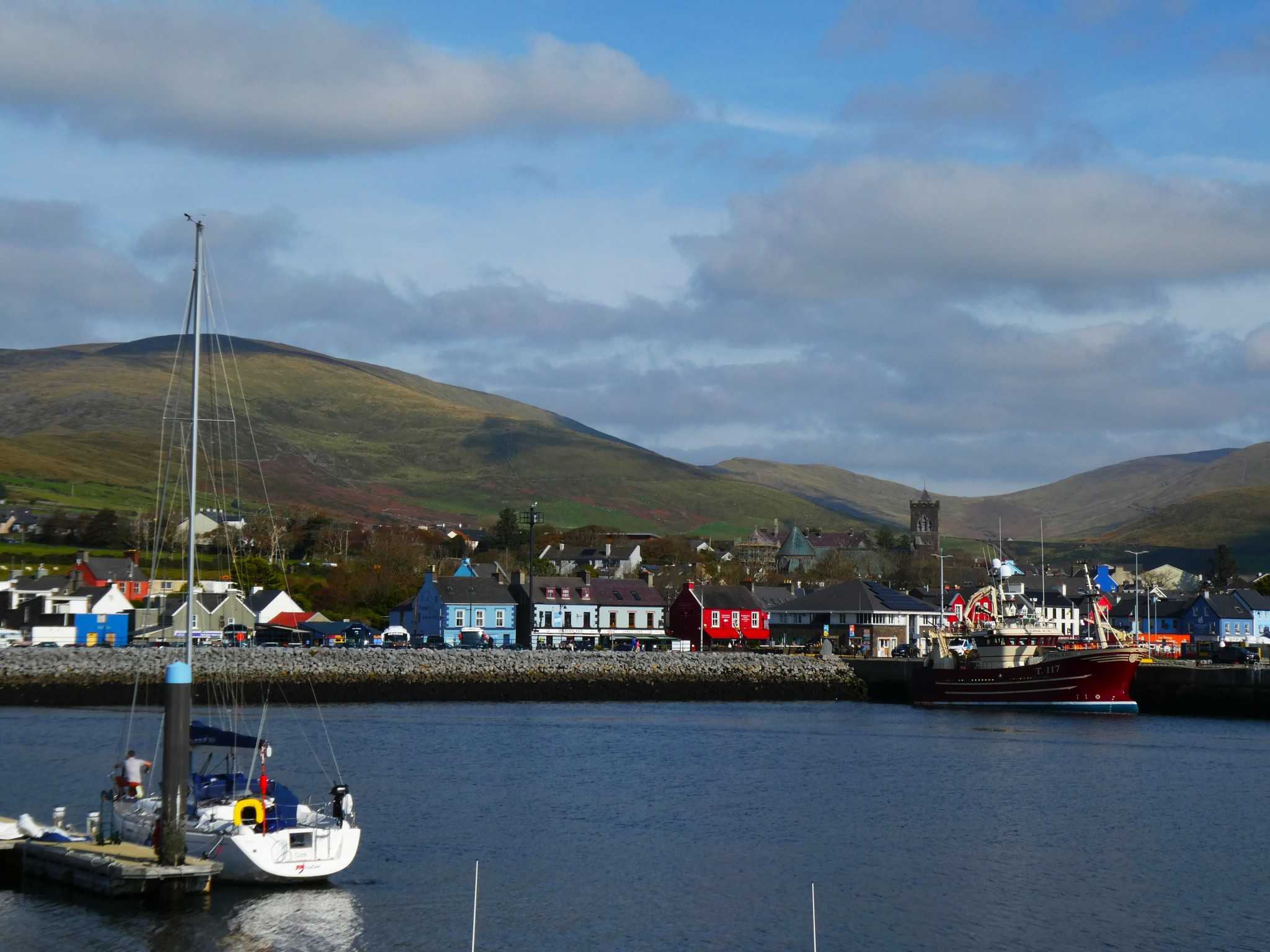
Oceanworld opened in 1996 through the initiative of marine biologist Dr Kevin Flannery and local businesspeople. Its development reflects an effort to make marine life understandable through a visitor attraction in a town closely connected with the sea. The institution describes education and conservation as central to its purpose. That offers a useful lens for looking at the exhibits: a tank is a managed environment that can introduce questions about animals’ wider habitats, rather than a complete representation of the ocean outside. Source ↗
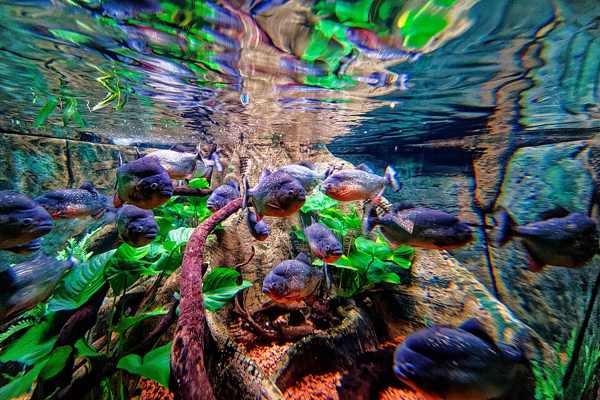
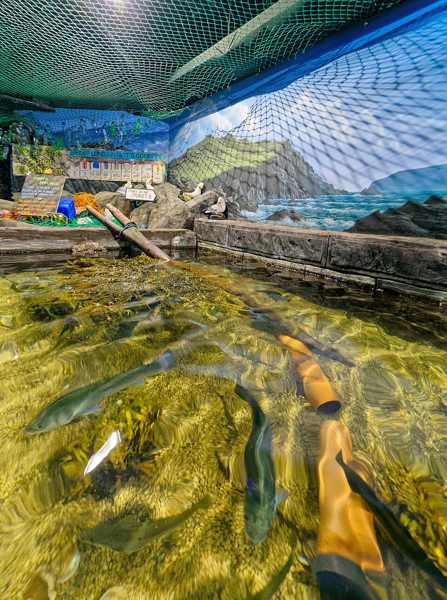
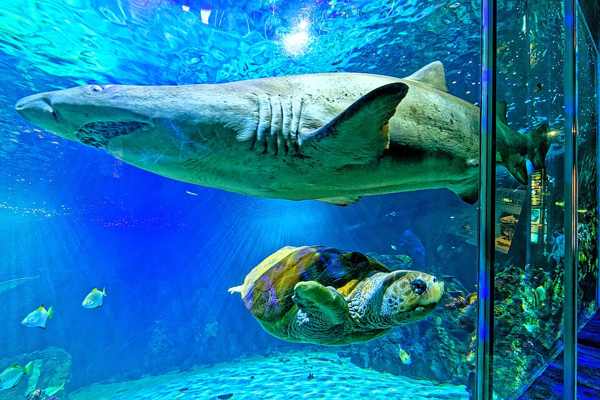
The present visitor offer brings together different aquatic environments, from Atlantic-themed spaces to tropical and freshwater habitats. A comparison between them can reveal why one animal’s shape, movement or feeding behaviour differs from another’s. Take the interpretation as a starting point and ask an aquarist about a detail you notice. The Butterfly Oasis adds a different seasonal environment between April and October; its absence in winter does not change the aquarium’s separate indoor identity. Individual animals and displays can change over time, so older photographs are best read as records of a visit rather than a current stock list. Source ↗