The shared grave
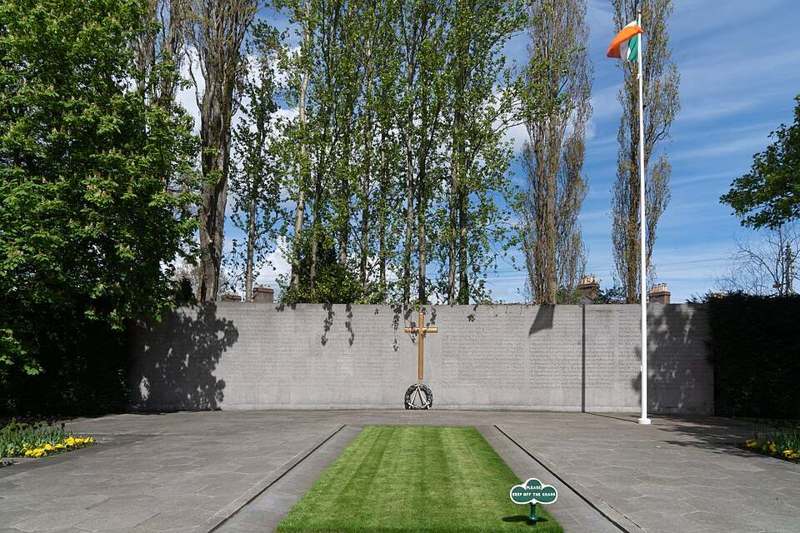
Stand back to take in the low grave and surrounding memorial before reading the names. This is a shared burial, so its quiet scale matters as much as the larger commemorative stonework.

heritage · Dublin
Arbour Hill is a place to pause at the end of a Dublin history walk. Fourteen executed leaders of the Easter Rising are buried here, and the memorial gives their shared grave a powerful presence within an older military cemetery. Allow time to read as well as look.
From research
Choose this stop for a quieter encounter with the aftermath of 1916. Begin at the leaders’ grave, then consider the older memorials around the church. The contrast helps place the Rising within a longer history of the military institutions occupying this part of Dublin.
Know before you book: The cemetery is an outdoor visit with uneven walkways. A visit to the grounds does not establish access to the adjoining church or prison. Leave time before the 16:00 closing hour and treat the memorial as a burial place.
Place highlights
Stand back to take in the low grave and surrounding memorial before reading the names. This is a shared burial, so its quiet scale matters as much as the larger commemorative stonework.
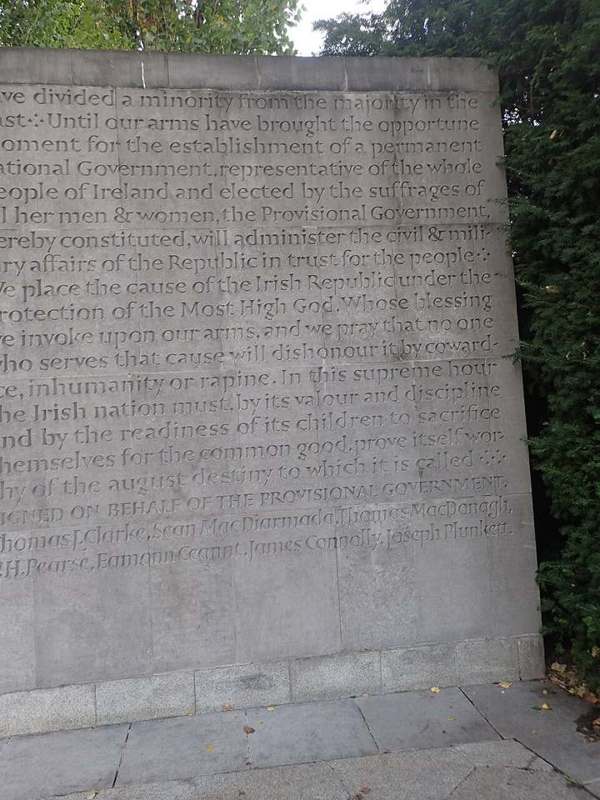
Look closely at the English and Irish inscriptions. Reading both the individual names and the wider words of commemoration makes the visit more than a photograph of the monument.
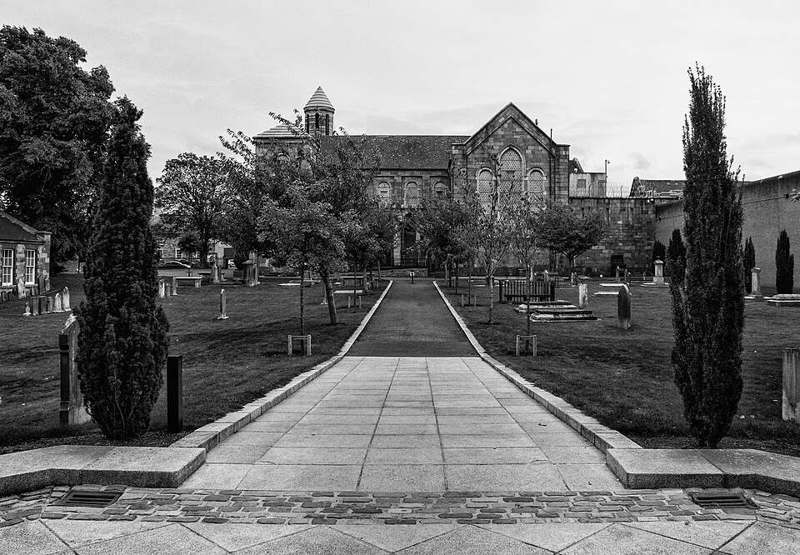
Where public paths permit, look at the memorials behind the adjoining church. These introduce a different part of the site’s history and deserve the same care and respect as the leaders’ grave.
The story behind the visit
Following their executions at Kilmainham Gaol, fourteen leaders of the 1916 Rising were brought to Arbour Hill for burial. The OPW identifies Patrick Pearse, James Connolly and John MacBride among them. Their burial here connects this quiet place with events that unfolded at several other Dublin sites. Source ↗
The bodies were initially placed in an unmarked grave. The memorial now gives the burial a visible and carefully composed setting. The OPW’s cemetery material describes the low mound and granite terrace; pause to notice the change from a hidden burial to a public place of remembrance. Source ↗
Arbour Hill also contains memorials to British military personnel. Looking beyond the best-known grave reveals how several histories occupy the same grounds. Keep those histories distinct: the meaning of one monument does not explain every inscription in the cemetery. Source ↗
Visitor information
Use Arbour Hill, Dublin 7, D07 YRR2. The cemetery is behind Collins Barracks, but use its own public access from Arbour Hill street. The official marker locates the site rather than a verified gate; follow cemetery signs, not prison visiting directions. Official visitor information ↗
Confirm current access and visitor arrangements with the operator.
Yes. The OPW lists free admission to the cemetery during its opening hours. Source ↗
No. The published regular tour season is April–October. Plan an independent grounds visit unless the operator confirms a specific alternative. Source ↗
The guide covers the cemetery. The adjoining church and prison have separate functions; do not assume either is open for general sightseeing. Source ↗
Nearby options
Explore other places in the area, then use live directions to plan your journey.
heritage
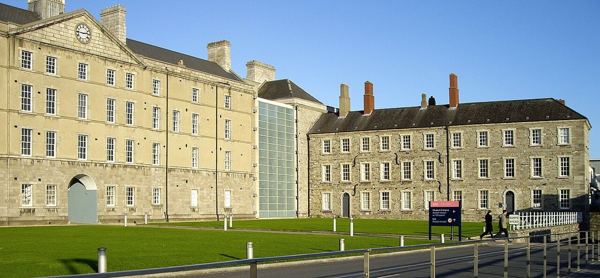
Explore decorative arts, design and military history inside the former Collins Barracks beside the Liffey.
Open place page →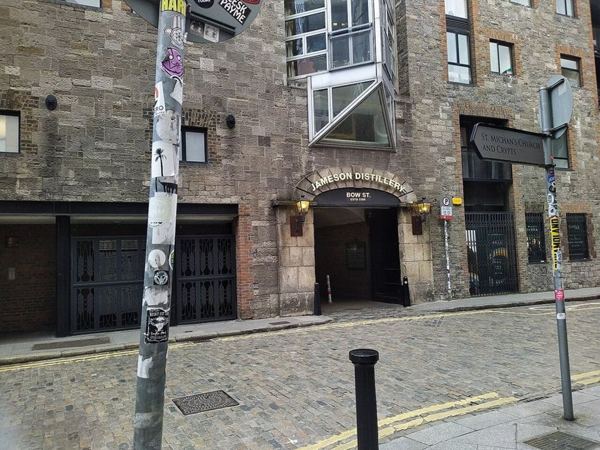
heritage
Jameson Bow St is the brand’s historic Dublin home and visitor experience. It explains whiskey heritage, but it is not a working production distillery.
Open place page →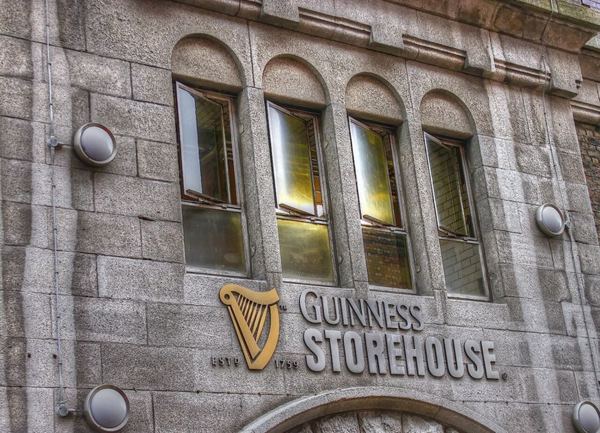
heritage
Follow the Guinness visitor experience at St James’s Gate, finishing with city views from Gravity Bar.
Open place page →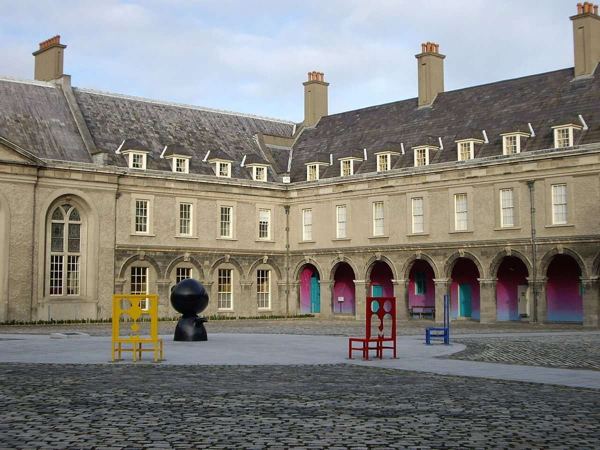
heritage
Contemporary art meets the courtyards and grounds of the Royal Hospital Kilmainham.
Open place page →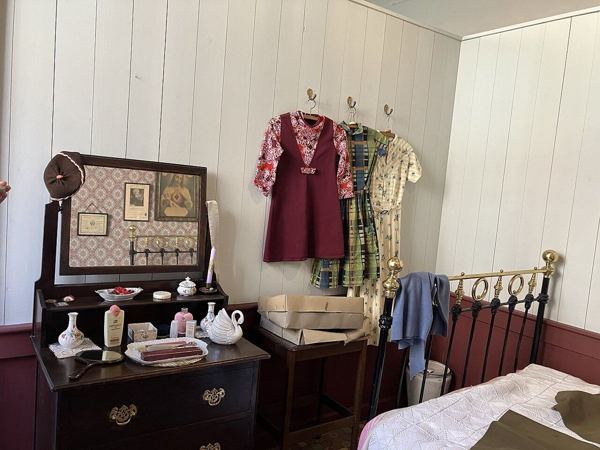
heritage
One house tells a larger Dublin story: Georgian ambition, conversion into tenements and the lives of families who made their homes here. A guided visit supplies the human context.
Open place page →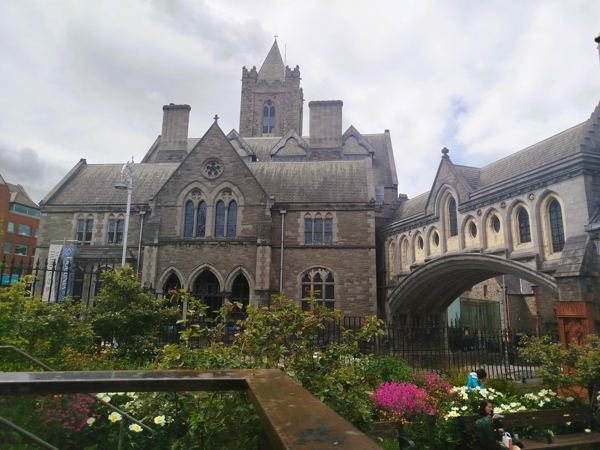
heritage
Dublinia interprets Viking and medieval Dublin through recreated settings and historical displays beside Christ Church. Its optional tower adds a different perspective on the old city.
Open place page →Location & access
The cemetery is an outdoor visit with uneven walkways. A visit to the grounds does not establish access to the adjoining church or prison. Leave time before the 16:00 closing hour and treat the memorial as a burial place.
53.35096, -6.28712 · Reference point; confirm the correct entrance and access. Map © OpenStreetMap contributors.
Orientation only: a verified public entrance is not established by this pin. Use the operator arrival information before travel.

