Skip to content
TheLazyNick

heritage · Armagh

Clontygora Court Cairn

Clontygora is a free outdoor court-tomb site with uneven ground and fragile surviving stones. The monument, also called the King’s Ring, preserves a forecourt and large chamber stones despite substantial damage. Treat it as an archaeological place to observe from the permitted approach, with no climbing, stone moving or assumption that neighbouring fields form part of the visitor area.

Add to planSaved trips & places

Saved on this browser. No account needed.

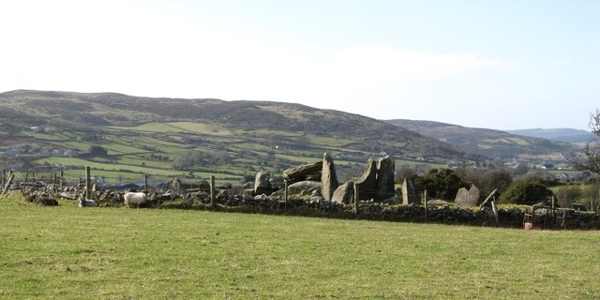
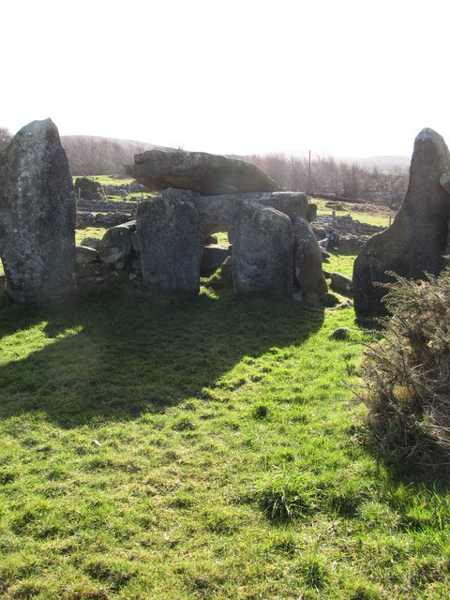
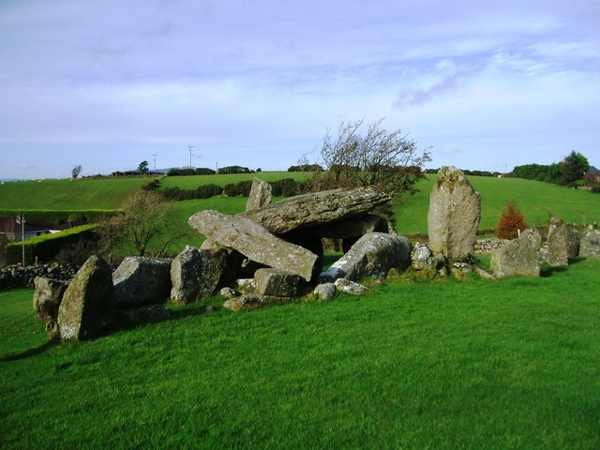
Clontygora Court Tomb
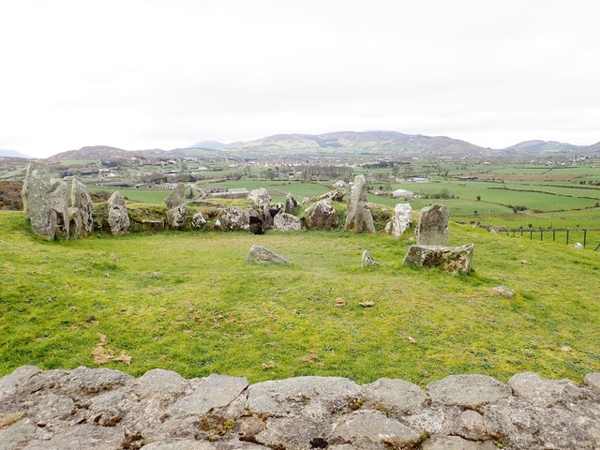
Clontygora Court Tomb. Resized for display. Photo: Chris Andrews ↗ · CC BY-SA 2.0

From research

Is this worth your time?

Choose Clontygora for a focused look at the arrangement of a prehistoric tomb rather than an intact roofed chamber. Begin with the open forecourt, then follow the line of the gallery with your eyes. A short, patient visit helps distinguish surviving structure from later damage without needing to invent a complete reconstruction of what once stood here.

Know before you book: Uneven archaeological site; observe the stones without climbing or entering adjoining land beyond the permitted approach.

Place highlights

What you will actually see

01

Open forecourt

The U-shaped court is outlined by tall stones and gives the monument its clearest shape. View it from more than one permitted position to understand the entrance arrangement. Stand clear of loose or unstable ground rather than stepping onto stones for a higher photograph.

02

Gallery and chambers

Behind the court lies a gallery thought to have contained three chambers. Some large roofing slabs remain, making the scale of construction apparent even where the structure is incomplete. Look for the relationship between upright supports and covering stones without entering confined spaces beneath them.

03

Surviving cairn setting

Little of the original covering cairn remains, so the exposed structural stones dominate today’s view. That loss is part of how the site must be read. Resist interpreting every nearby stone or later boundary as part of the prehistoric design.

The story behind the visit

The story behind the place

Clontygora belongs to the court-tomb tradition of the Neolithic period. Its open forecourt led towards a chambered gallery, while a cairn once formed more of the monument’s mass. The visible remains are therefore a partial structure rather than a deliberately open stone sculpture. Reading the relationship between court and gallery is more helpful than trying to count every displaced stone as if it still occupied its original position. Source ↗

Excavation in 1937 separated the prehistoric monument from later field walls and recovered cremated bone, flint and pottery. Neolithic material belonged to its early history, while Bronze Age pottery showed later activity. That mixture is a reminder that an old monument can remain important or be reused long after its first construction. The site has also suffered damage; stories that stones were taken for the Newry Canal should be treated as reported tradition rather than a complete explanation of every loss. What survives is still substantial enough to reward close observation. Keep that observation non-invasive, leaving surfaces, stones and surrounding ground undisturbed for others and for future study. Source ↗

Visitor information

Tickets, timing and access

Opening
DfC lists public access, subject to temporary works restrictions.Confirm with the operator ↗
Admission
Ordinary entry is free.Confirm with the operator ↗
Booking
No ordinary outdoor booking is listed; check current restrictions.Confirm with the operator ↗
Access
Uneven ground and substantial stones; no climbing or moving material.Confirm with the operator ↗
Duration
Allow 20–30 minutes for a focused archaeological stop.Confirm with the operator ↗
Seasonal
Wet ground or maintenance can affect the permitted approach.Confirm with the operator ↗

Getting to the entrance

Use the authorised Clontygora Cairn approach near Newry and keep private field entrances clear. Official visitor information ↗

Your questions, answered

Confirm current access and visitor arrangements with the operator.

Is the original cairn complete?

No. Much of its covering material has disappeared. Source ↗

Can I climb onto the roof slabs?

No. View the remains from ground level and leave the stones undisturbed. Source ↗

Nearby options

Nearby places to explore

Explore other places in the area, then use live directions to plan your journey.

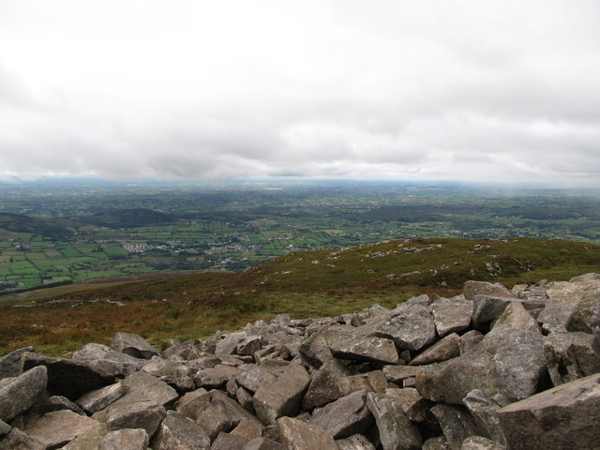
Ballymacdermot Court Tomb on the hillside
Ballymacdermot Court Tomb on the hillside. Resized for display. Photo: Eric Jones ↗ · CC BY-SA 2.0

heritage

Ballymacdermot Court Tomb

Ballymacdermot Court Tomb is a free outdoor monument on uneven hillside ground, with no climbing on its surviving chambers. The Neolithic burial place occupies the southern slopes of Ballymacdermot Mountain…

Open place page →
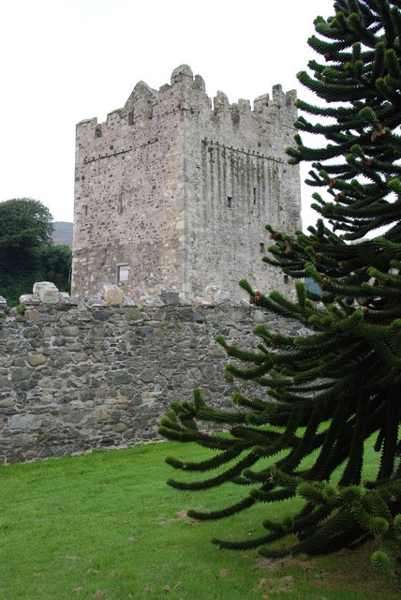
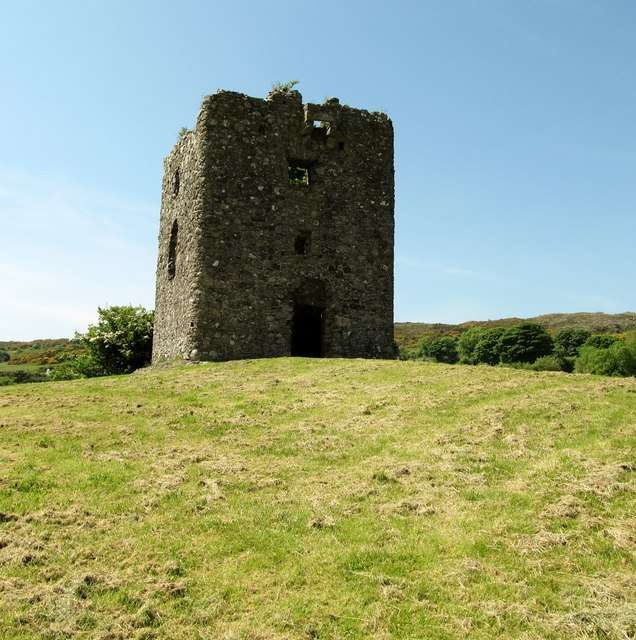
The surviving tower at Moyry Castle
The surviving tower at Moyry Castle. Resized for display. Photo: Eric Jones ↗ · CC BY-SA 2.0

heritage

Moyry Castle

Moyry Castle is a small ruined tower on a rocky height overlooking the Gap of the North near Jonesborough. Its size makes more sense when viewed in relation to the pass it was built to control. This is an…

Open place page →

External visitor reviews

Find the matching listing and reviews on Google Maps ↗

Part of a bigger journey

Location & access

Getting your bearings

Uneven archaeological site; observe the stones without climbing or entering adjoining land beyond the permitted approach.

54.11209, -6.32074 · Reference point; confirm the correct entrance and access. Map © OpenStreetMap contributors.

Orientation only: a verified public entrance is not established by this pin. Use the operator arrival information before travel.

Sources & place context

Browse more Ireland places →