From research
Is this worth your time?
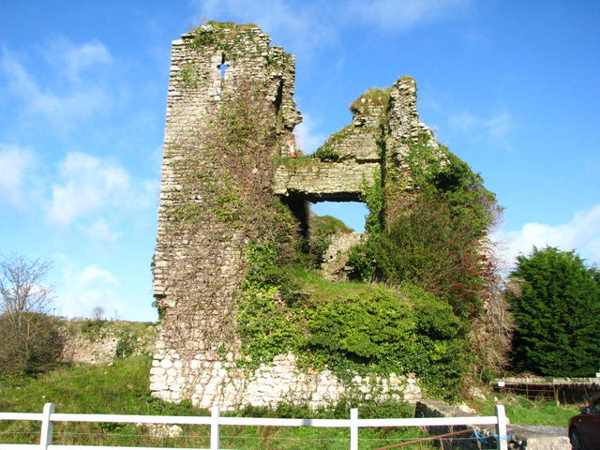
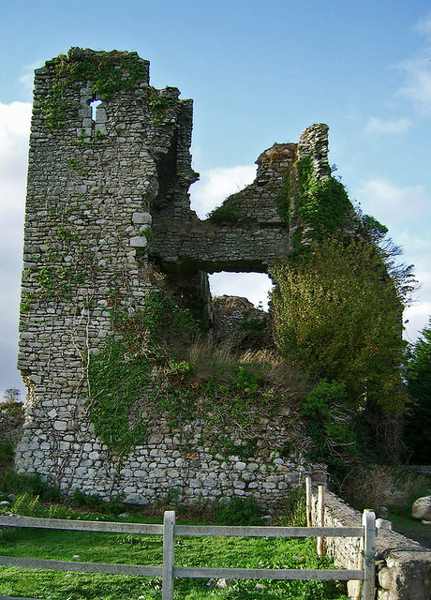
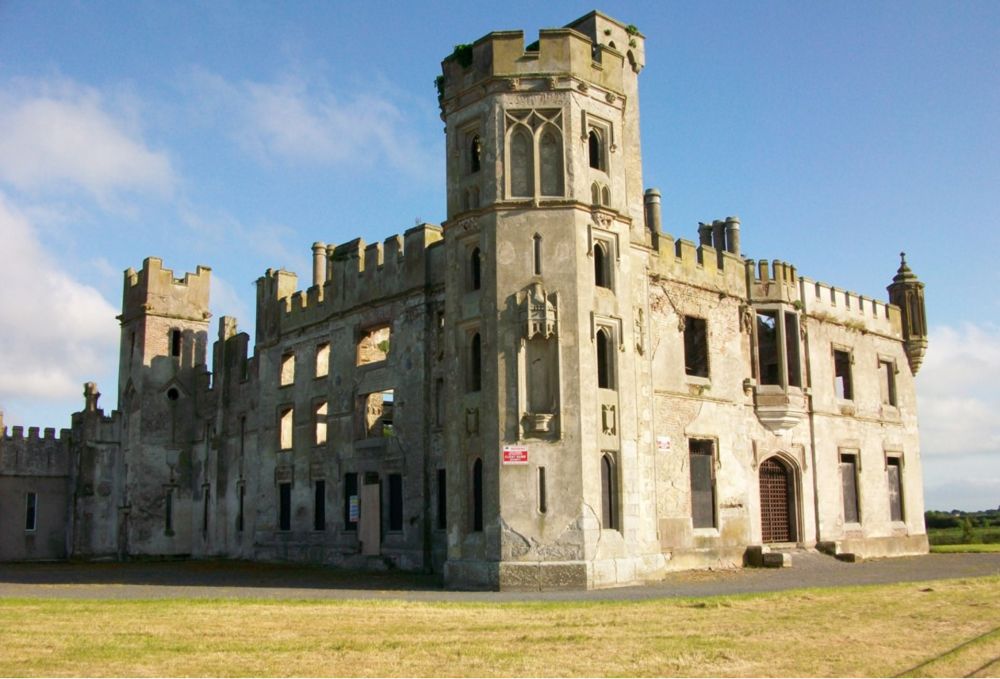
Choose Clonmore if you enjoy tracing a building’s plan through incomplete walls. Start with its broad outline, then notice towers and surviving openings without trying to enter every chamber. The village has several heritage layers, but a measured castle visit works well on its own and need not become an assumed tour of all neighbouring sites.
Know before you book: An architectural description of stairs, passages or chambers does not establish public access to them. Follow local barriers and do not climb walls or approach loose masonry.
The story behind the visit
The story behind the place
Clonmore’s history includes medieval repair and later changes in ownership, with a recorded intervention by Sir Anthony de Lucy in the fourteenth century. Its present appearance is therefore not the product of a single construction event. The national visitor account describes a broadly square plan, substantial southern corner towers and smaller corner structures elsewhere. Reading those features together gives a clearer picture of the castle’s organisation than concentrating only on one surviving window or an impressive fragment of wall. Source ↗
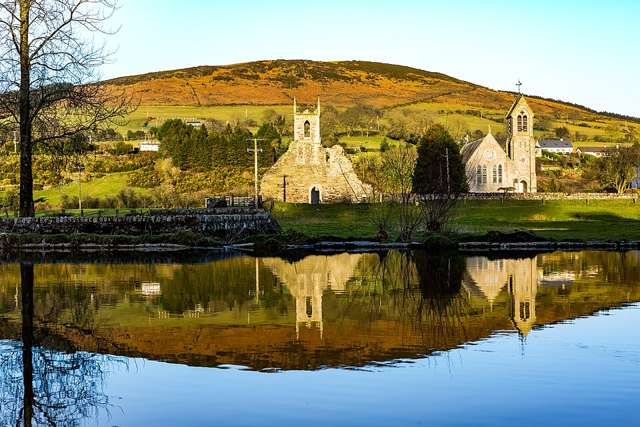
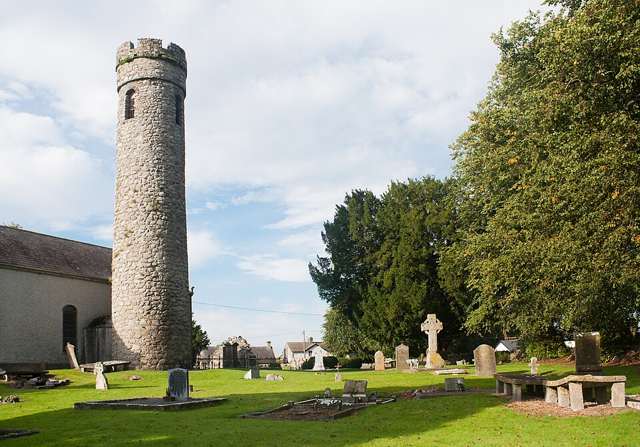
The castle later passed through episodes of capture and conflict, including the wars of the seventeenth century. What survives today is a ruin rather than the intact residence or stronghold occupied by those earlier owners. Nearby early ecclesiastical remains introduce another strand of Clonmore’s history, but their presence should not collapse distinct places into one building story. A castle and a monastic site served different purposes and developed on different timelines. Keeping that distinction clear allows a short visit to remain informative: look at the castle’s own plan and surviving details, then consider any separate village heritage stop only where its public access is established. Source ↗