Skip to content
TheLazyNick

heritage · Westmeath

Cathedral of Christ the King

The Cathedral of Christ the King stands in central Mullingar, recognisable by twin towers and a dome rather than the silhouette of a medieval Gothic church. Its twentieth-century design makes it a useful stop for visitors interested in the variety of Ireland’s cathedral architecture. Plan a quiet visit around the parish’s active worship and ceremonies.

Add to planSaved trips & places

Saved on this browser. No account needed.

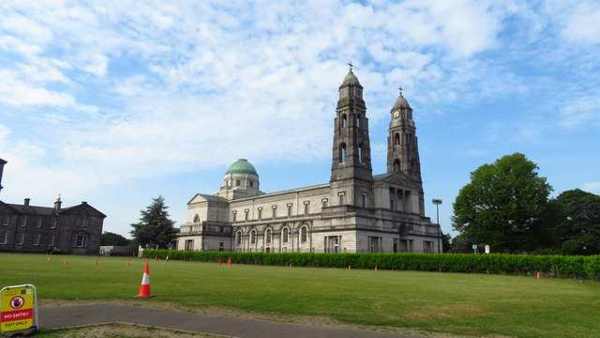
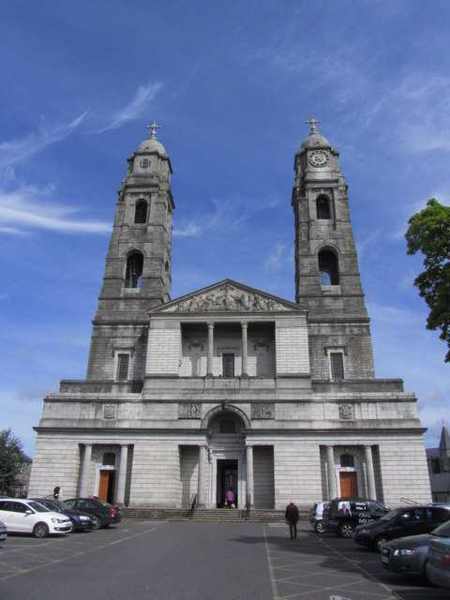
Twin towers of the Cathedral of Christ the King in Mullingar
Twin towers of the Cathedral of Christ the King in Mullingar. Resized for display. Photo: Colin Park ↗ · CC BY-SA 2.0

From research

Is this worth your time?

Choose this cathedral for a different architectural perspective within a town outing. The exterior provides an introduction before any permitted interior visit. Do not build the day around unconfirmed museum or guided-tour access; ask the parish about any specialist interest that goes beyond ordinary quiet visiting.

Know before you book: This is an active place of worship. Services, funerals and private ceremonies take priority; interior access may change without a tourist timetable.

Place highlights

What you will actually see

01

Twin towers and dome

Begin by looking at the relationship between the towers, central mass and dome from public ground. The composition distinguishes the cathedral from the Gothic silhouettes common elsewhere. Keep the entrance clear while taking time to understand the outline.

02

Basilica form

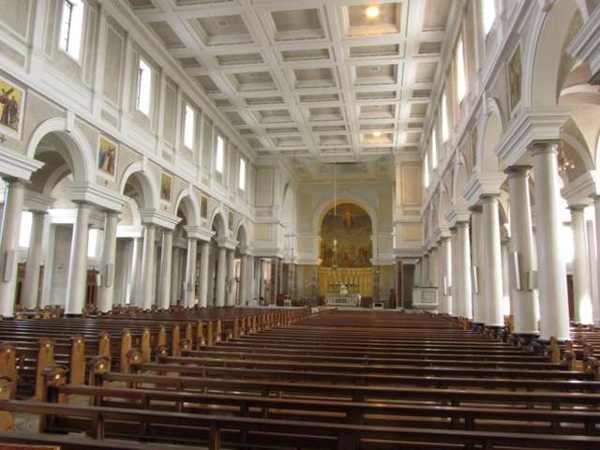
Inside, when visiting is permitted, notice how the building’s main spaces organise movement and attention. The cathedral was conceived in a modernised Renaissance style, so looking at the whole arrangement can be more informative than immediately searching for isolated details.

03

Decorative work

Stained glass and mosaics add another layer to the architecture. Use any available parish interpretation to identify particular works, and respect limits on photography. The art is part of a functioning religious space rather than a separately guaranteed gallery visit.

The story behind the visit

The story behind the place

Fáilte Ireland records the cathedral as opening in 1936 and describes its design as a modernised Renaissance style in the form of a basilica. The twin towers and dome make that approach visible before entry. Its date also places it in a different period from Ireland’s medieval cathedrals or the major Gothic Revival projects of the nineteenth century. Looking at these differences helps make the visit specific rather than treating every large church as the same architectural experience. Source ↗

The cathedral is the seat of the Bishop of Meath and remains part of Mullingar’s daily parish life. Its decorative programme includes stained glass and mosaics, with work by Boris Anrep noted in the official visitor account. Present-day worship governs access to these features. Treat any museum area or specialist tour as an additional arrangement to confirm, rather than an automatic part of entering the cathedral. Look carefully at the surviving setting. Source ↗

Visitor information

Tickets, timing and access

Opening
Check the parish’s current notices before a quiet daytime visit; Mass times are not visitor hours.Confirm with the operator ↗
Admission
Ask about any optional tour charges or donations; do not infer a museum ticket from church entry.Confirm with the operator ↗
Booking
Contact the parish for guided or group visits and any access requirements.Confirm with the operator ↗
Access
Use the visitor entrance permitted on the day and respect worshippers, barriers and restricted areas.Confirm with the operator ↗
Duration
Allow 45–60 minutes for the exterior and any permitted quiet interior visit.Confirm with the operator ↗
Seasonal
Religious festivals and ceremonies can change access; confirm before making a special journey.Confirm with the operator ↗

Getting to the entrance

Find the cathedral on Bishop’s Gate Street, Mullingar, N91 EF82. Parish-office hours are contact hours and do not establish a tourist opening timetable. Official visitor information ↗

Your questions, answered

Confirm current access and visitor arrangements with the operator.

Can I sightsee during a service?

Give worship priority and postpone sightseeing, photography or group commentary until it is appropriate. Source ↗

Does this include a tower climb?

No. Do not assume tower, crypt or other restricted areas are open without a separately confirmed arrangement. Source ↗

Nearby options

Nearby places to explore

Explore other places in the area, then use live directions to plan your journey.

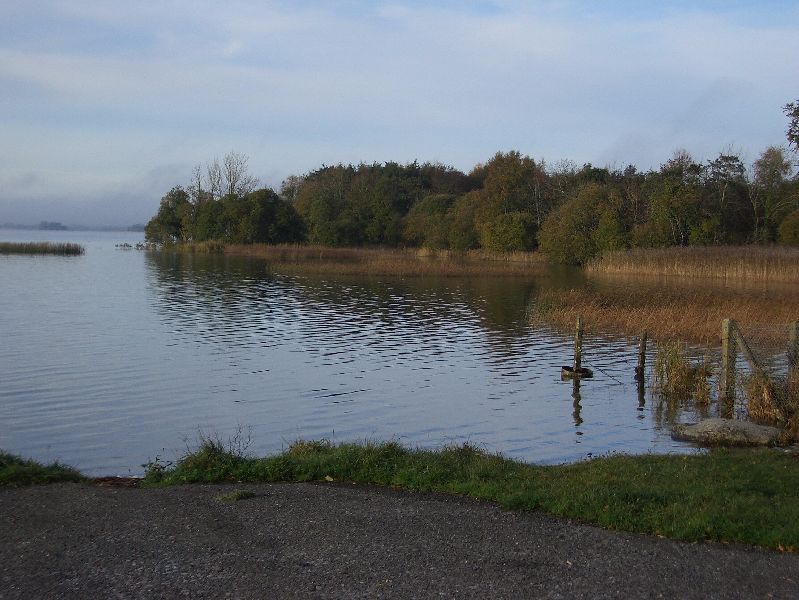
Lough Ennell landscape context
Lough Ennell landscape context. This photograph does not identify the current Lilliput entrance, path or bathing conditions. Resized from the credited source. Photo: User:CGorman ↗ · Public domain

nature

Lough Ennell at Lilliput

Lilliput gives a shore-level view of Lough Ennell, where the appeal is water, reeds and the changing sky rather than an elevated panorama. It is a gentle contrast to an indoor heritage visit.

Open place page →
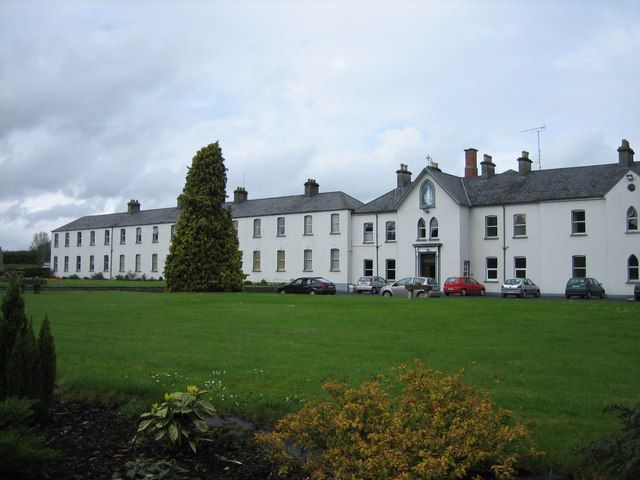
Multyfarnham Friary seen from the surrounding grounds
Multyfarnham Friary seen from the surrounding grounds. Source photograph; appearance and access may have changed. Resized from the credited source. Photo: Brian Shaw ↗ · CC BY-SA 2.0

heritage

Multyfarnham Friary

Multyfarnham is still a place of worship, which changes the pace of a visit. The abbey and its setting suit a quiet look before exploring the village rather than a loudly narrated circuit.

Open place page →
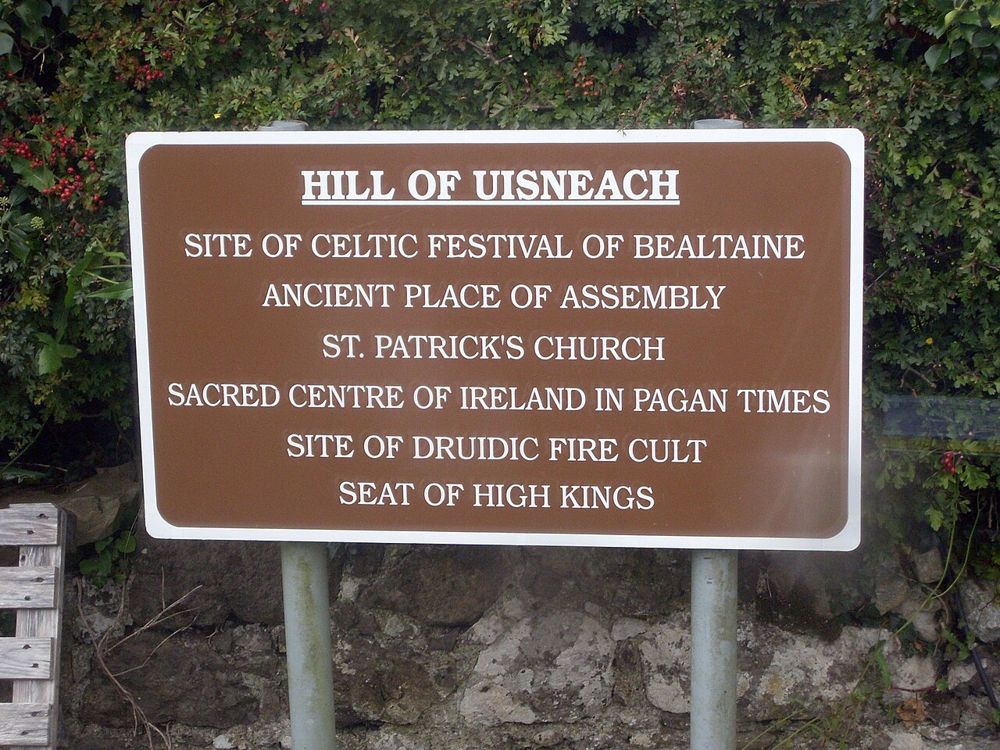
The Hill of Uisneach site sign beside the entrance
The Hill of Uisneach site sign beside the entrance. Source photograph; appearance and access may have changed. Resized from the credited source. Photo: Abi Skipp ↗ · CC BY 2.0

heritage

Hill of Uisneach

Uisneach needs its stories as much as its views. A guided visit turns an apparently gentle hill into a landscape of archaeology, myth and ideas about Ireland's centre.

Open place page →
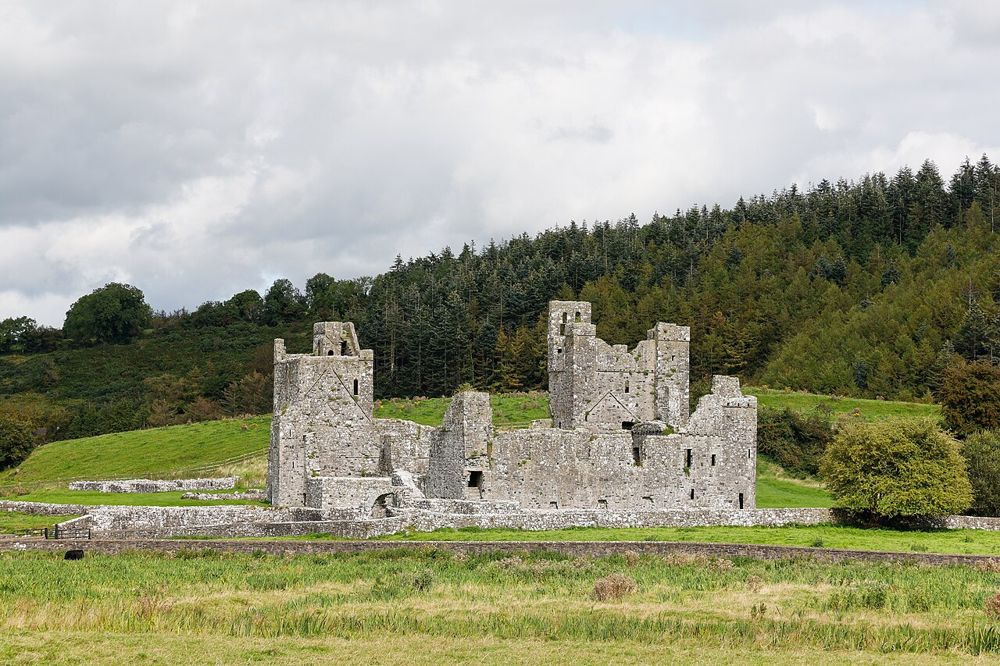
Ruined ranges of Fore Abbey in the surrounding valley
Ruined ranges of Fore Abbey in the surrounding valley. Source photograph; appearance and access may have changed. Resized from the credited source. Photo: Andreas F. Borchert ↗ · CC BY-SA 4.0

heritage

Fore Abbey

Fore's ruined buildings sit in a broad valley, giving the visit room to breathe. The abbey is the central stop, but the surrounding monuments make more sense when explored as a landscape.

Open place page →
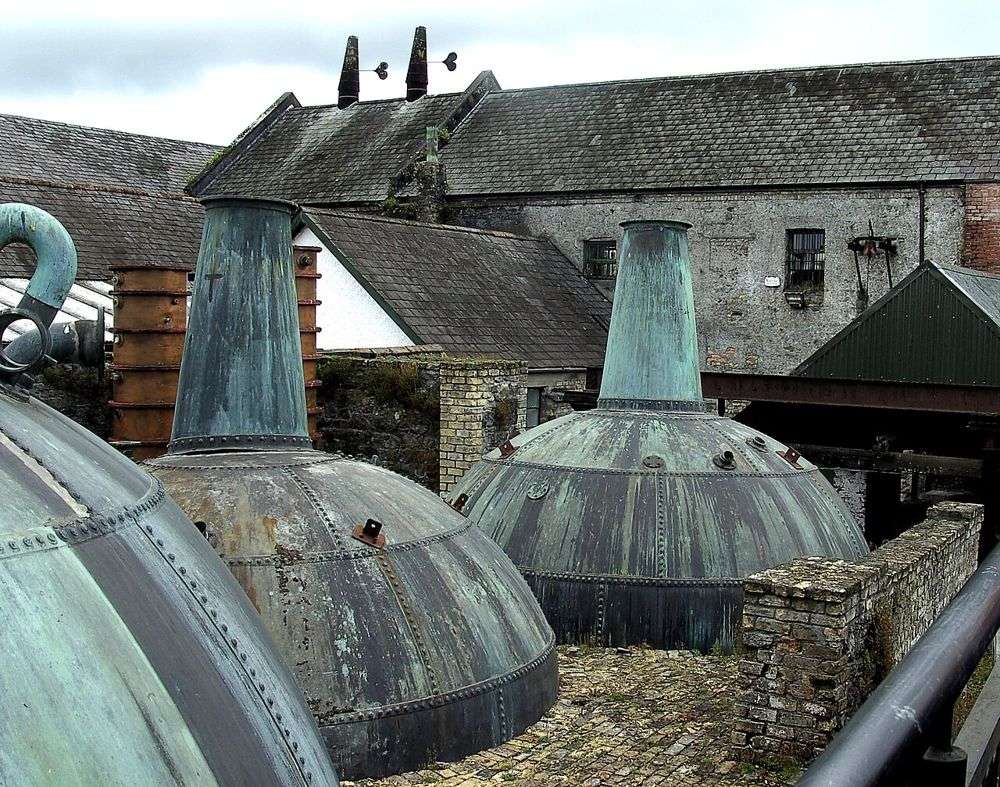
Historic whiskey-making equipment at Kilbeggan Distillery
Historic whiskey-making equipment at Kilbeggan Distillery. Source photograph; appearance and access may have changed. Resized from the credited source. Photo: High Contrast ↗ · CC BY 3.0 de

heritage

Kilbeggan Distillery

Kilbeggan's old machinery, waterwheel and riverside setting give whiskey production a physical scale. It is a different proposition from a vast modern production tour. Go for the working heritage rather than…

Open place page →

External visitor reviews

Find the matching listing and reviews on Google Maps ↗

Part of a bigger journey

Location & access

Getting your bearings

This is an active place of worship. Services, funerals and private ceremonies take priority; interior access may change without a tourist timetable.

53.52705, -7.34581 · Reference point; confirm the correct entrance and access. Map © OpenStreetMap contributors.

Orientation only: a verified public entrance is not established by this pin. Use the operator arrival information before travel.

Sources & place context

Browse more Ireland places →