From research
Is this worth your time?
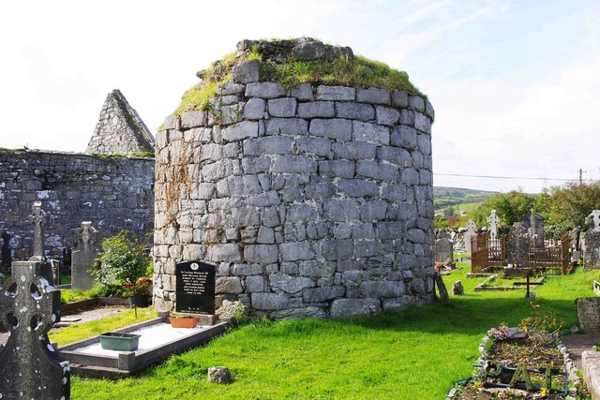
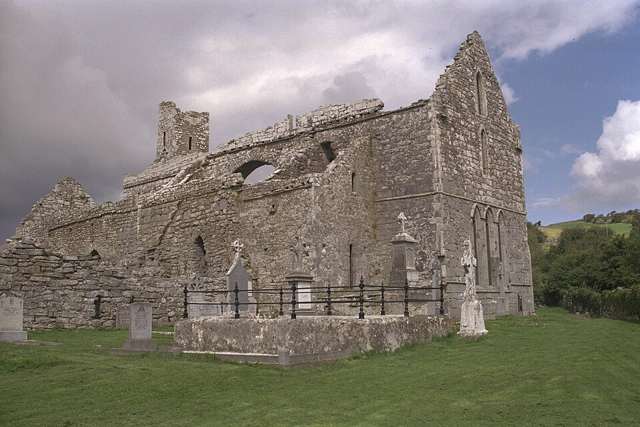
Choose Carran if you enjoy small buildings whose details reveal different functions. The church is not a large exhibition attraction, so its interest lies in looking carefully at the surviving fabric and how spaces relate. Pairing the doorway and window with the upper section creates a more useful visit than simply identifying the ruin from the road.
Know before you book: The standing remains do not provide a complete medieval interior. A description of a former upper residence is historical interpretation, not permission to climb or explore a stair.
The story behind the visit
The story behind the place
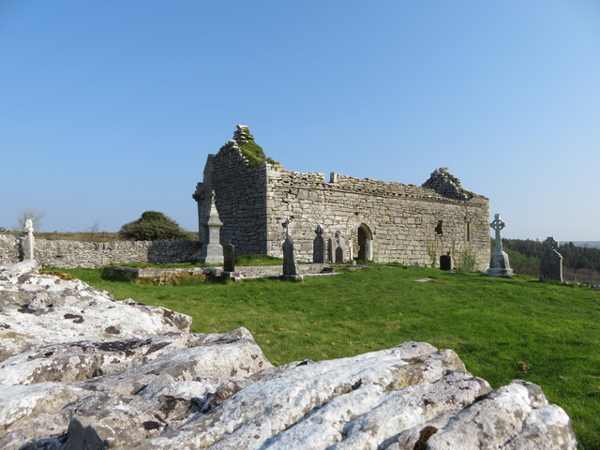
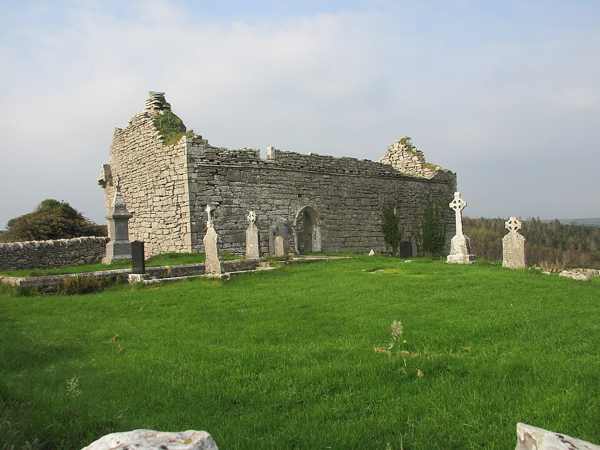
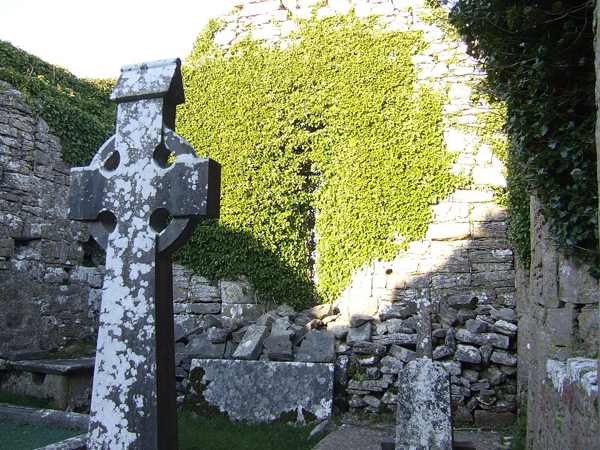
Carran’s surviving church fabric offers evidence for the medieval parish landscape of the Burren. The national tourism description identifies a fifteenth-century doorway and a window of the same period, alongside an upper section thought to have served a fortified residential purpose. These details suggest a building whose practical use was more varied than its ruined appearance initially reveals. The distinction between a church’s foundation, later alterations and surviving features is important: a visible doorway dates one part of the structure, not necessarily every phase of its history. Source ↗
A roofless building changes how its spaces are perceived. Rooms once separated by floors or enclosing walls may now appear as a single open ruin, and features high above the ground can be mistaken for things intended to be explored. At Carran, viewing the residential element and the church together encourages a more considered reading of function and form. The setting also matters, placing a relatively small parish building within a wider landscape of settlement rather than an isolated architectural specimen. Let the actual remaining masonry and permitted viewpoints guide the visit, without filling the gaps with an imagined complete interior or an unsupported climbing route. Source ↗