From research
Is this worth your time?
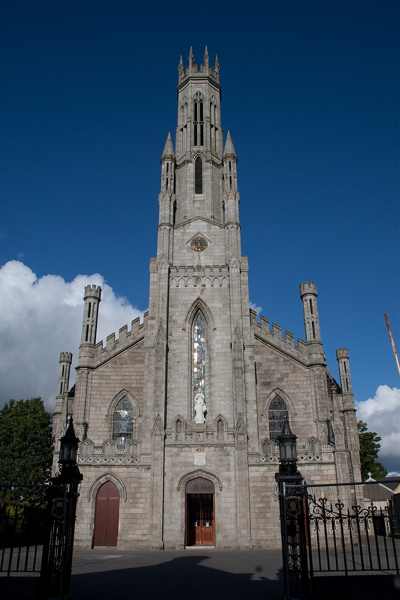
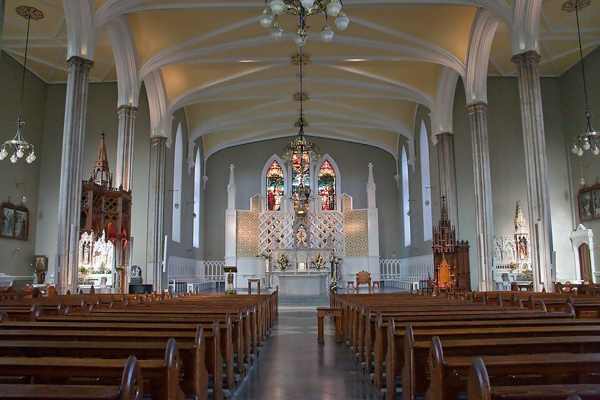
Choose the cathedral if architecture and the public history of Catholic worship interest you. Look at the exterior first, then enter quietly only when the church’s arrangements permit. The memorial to Bishop James Doyle provides a focused subject inside, while the building itself connects local materials, design and the religious changes of the nineteenth century.
Know before you book: The original ornate pulpit is displayed in the separate Carlow Museum, not guaranteed inside the cathedral. Services and private occasions take priority over sightseeing access.
The story behind the visit
The story behind the place
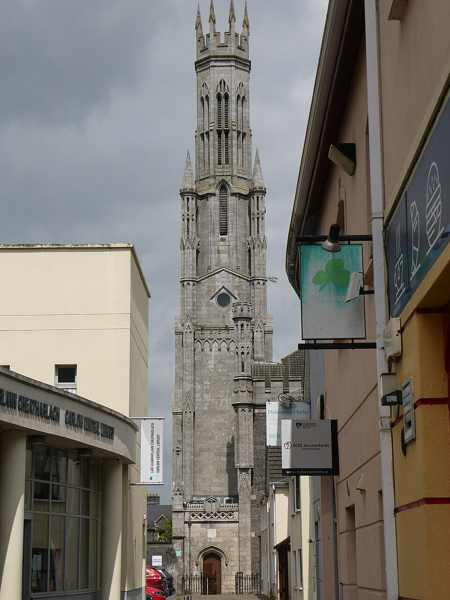
Carlow Cathedral was completed in the early nineteenth century to a design by Thomas Cobden. Bishop James Doyle was central to the project and to the wider campaign for Catholic rights. The building therefore belongs to a period of major religious and civic change rather than to the medieval landscape represented by many Irish cathedral ruins. Its prominent tower and carefully worked stone establish a public presence within the town, while local sources of building material connect the design with Carlow’s own landscape and resources. Source ↗
Doyle died soon after the cathedral opened and is commemorated by a sculpture by John Hogan. That memorial gives the interior a direct connection with the figure behind the building project. Later changes to furnishings add another stage to the story, with the original pulpit now displayed in Carlow Museum. The distinction is useful for planning as well as interpretation: the cathedral and museum complement each other, but they are separate places with separate access. Respect the cathedral’s continuing religious role and let the current parish arrangements determine when an interior heritage visit is appropriate. Source ↗