Skip to content
TheLazyNick

heritage · Cork

Ballybeg Augustinian Priory

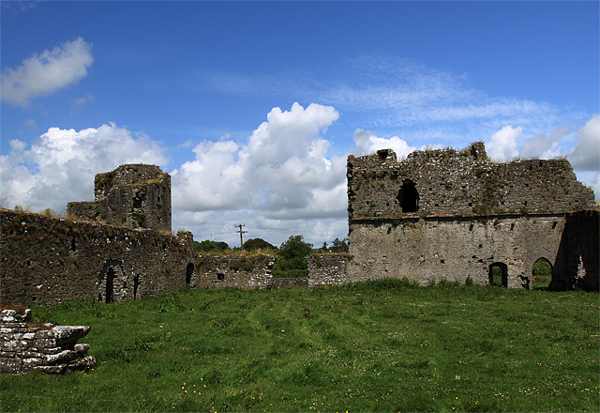
Ballybeg is an unguided ruin: view the priory and dovecote without entering unstable or restricted structures. South of Buttevant, the Augustinian foundation preserves parts of its church and other ranges beside an unusual circular columbarium. The combination makes a useful introduction to both religious life and the practical resources supporting a medieval community.

Add to planSaved trips & places

Saved on this browser. No account needed.

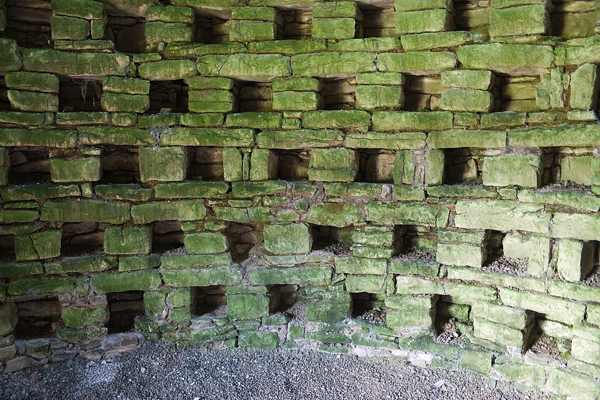
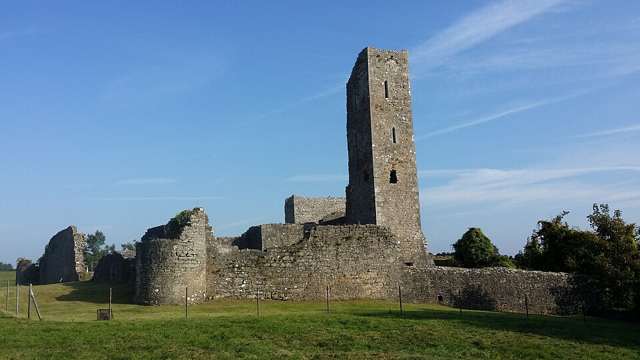
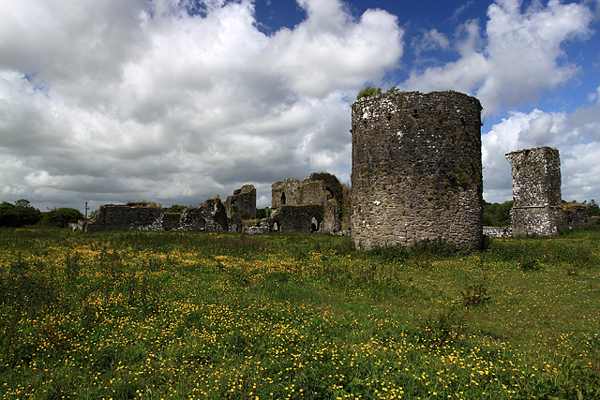
Ballybeg’s circular dovecote beside the priory ruins.
Ballybeg’s circular dovecote beside the priory ruins. Photo: Mike Searle ↗ · CC BY-SA 2.0

From research

Is this worth your time?

Choose Ballybeg if you want more than a single ruined church. Compare the liturgical features with the dovecote and tower, asking how worship, storage and the management of resources fitted together. A short visit becomes more rewarding when you distinguish these functions rather than treating every surviving structure as another decorative ruin.

Know before you book: The monument is not a reconstructed working monastery. Interior descriptions explain historic fabric and should not be taken as permission to enter a tower, collapsed vault or enclosed feature.

Place highlights

What you will actually see

01

Church and ranges

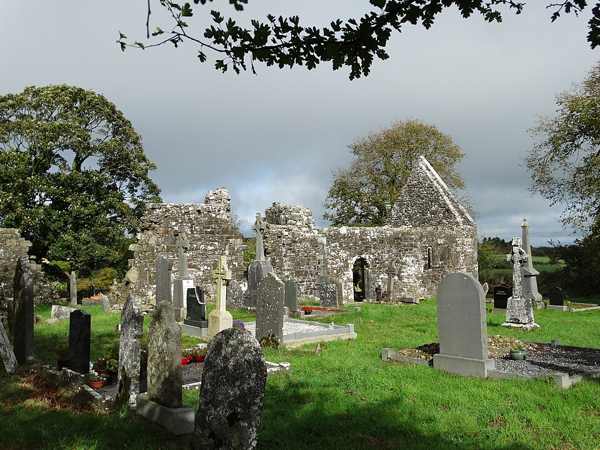
Look for the surviving church plan and adjoining claustral remains. Seating for clergy and stone burial chests belong to different aspects of religious life. Read the layout from permitted ground, recognising that missing roofs and walls change how the buildings are experienced today.

02

The circular dovecote

The columbarium is a distinctive round structure associated with keeping pigeons. Its nesting arrangement and corbelled construction explain why it attracts attention alongside the priory. Observe whatever is safely visible without entering a restricted opening or assuming an interior tour is available.

03

Carved architectural details

The official account identifies foliage, small human heads and animal-head features among the surviving stonework. Look for details where accessible, but do not search by climbing or handling masonry. Small carvings can add character to a building whose broad outline initially seems severe.

The story behind the visit

The story behind the place

Philip de Barry founded Ballybeg for the Augustinian Canons in the thirteenth century and dedicated it to St Thomas Becket. The priory acquired a substantial landholding and became a wealthy religious settlement. The surviving complex therefore reflects more than the church itself: support buildings and later additions belonged to the organisation of an institution with material resources. That economic dimension is especially useful when considering the dovecote, a feature that can otherwise seem an isolated curiosity beside the religious ruins. Source ↗

The priory was dissolved in the sixteenth century and was in ruins by the eighteenth, with stone reused elsewhere. The visible remains are consequently a selection of a much larger working complex rather than its complete original plan. Later towers, surviving windows and carved fragments preserve different parts of that development. The Office of Public Works also describes a partially collapsed vault in the separate tower, reinforcing the distinction between architectural knowledge and visitor access. Enjoy the features that can be seen safely and let the losses help explain why a ruin must be interpreted rather than simply read as an intact medieval building. Source ↗

Visitor information

Tickets, timing and access

Opening
An unguided outdoor visit; follow any current site notices and barriers rather than assuming access to every part of the site.Confirm with the operator ↗
Admission
Plan an independent outdoor stop and follow the current access notices.Confirm with the operator ↗
Booking
This is an independent outdoor stop; arrange any specialist group activity separately.Confirm with the operator ↗
Access
Follow permitted ground and barriers. Do not enter the tower or a partially collapsed vault.Confirm with the operator ↗
Duration
Allow about 30–45 minutes for a measured exterior visit.Confirm with the operator ↗
Seasonal
Daylight, weather and ground conditions affect the visit. A listed monument is not a guarantee of unrestricted access.Confirm with the operator ↗

Getting to the entrance

Use the signed Ballybeg approach south of Buttevant. The mapped monument reference is not a reserved stopping place on the main road. Official visitor information ↗

Your questions, answered

Confirm current access and visitor arrangements with the operator.

What is the circular building?

It is a columbarium or dovecote associated with the priory’s medieval resources. Source ↗

Was Ballybeg a Franciscan friary?

No. It was founded for Augustinian Canons and dedicated to St Thomas Becket. Source ↗

Nearby options

Nearby places to explore

Explore other places in the area, then use live directions to plan your journey.

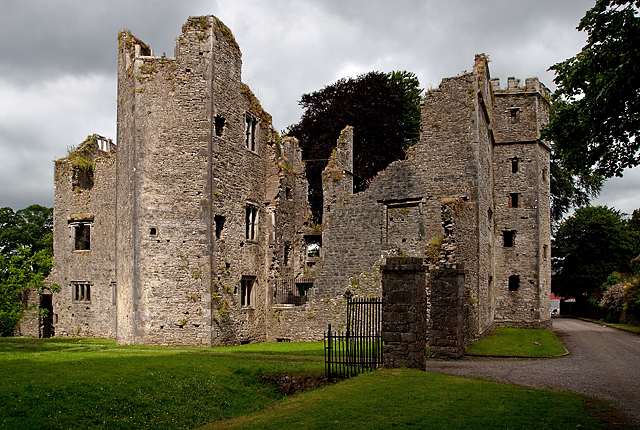
The ruined fortified house at Mallow Castle
The ruined fortified house at Mallow Castle. Resized for display. Photo: Mike Searle ↗ · CC BY-SA 2.0

heritage

Mallow Castle

Mallow Castle preserves the outline of a fortified residence within a larger historic estate in the town. The current visit must be exterior-focused: OPW says the site is closed for ongoing works, with…

Open place page →
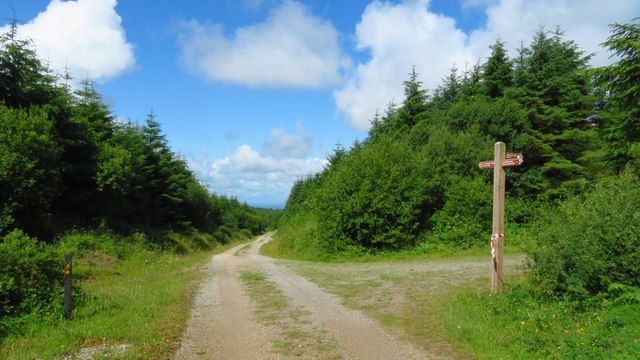
A trail junction in the broader Ballyhoura landscape in County Limerick
A trail junction in the broader Ballyhoura landscape in County Limerick. This is regional trail context, not a route instruction for the mountain-bike trailhead or Nature Trail. Resized from the credited source. Photo: Colin Park ↗ · CC BY-SA 2.0

nature

Ballyhoura Forest Trails, Limerick

Ballyhoura is a place to choose an activity deliberately: forest walking and mountain biking use a landscape that is much larger than a single viewpoint. The right trail matters more than collecting a summit…

Open place page →
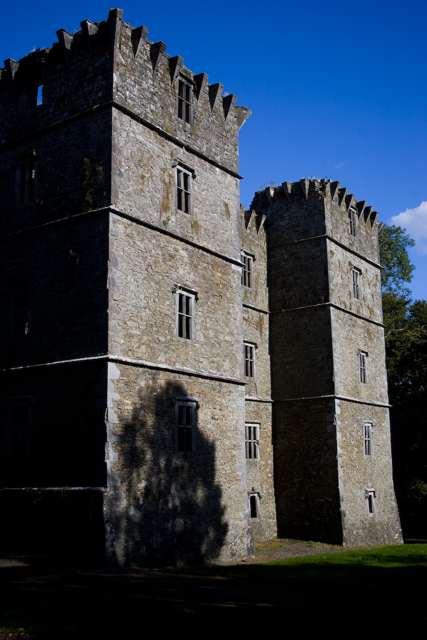
Towers and exterior wall of Kanturk Castle
Towers and exterior wall of Kanturk Castle. Source photograph: 2007-09-25 14:30:19. Appearance, displays and access may have changed. Photo: Gerard Lovett ↗ · CC BY 2.0

heritage

Kanturk Castle

Kanturk Castle is a roofless fortified manor south of Kanturk in north County Cork. Its combination of tower-house traditions and Renaissance detail makes it an interesting exterior architecture stop. The…

Open place page →

External visitor reviews

Find the matching listing and reviews on Google Maps ↗

Part of a bigger journey

Location & access

Getting your bearings

The monument is not a reconstructed working monastery. Interior descriptions explain historic fabric and should not be taken as permission to enter a tower, collapsed vault or enclosed feature.

52.21953, -8.66983 · Reference point; confirm the correct entrance and access. Map © OpenStreetMap contributors.

Orientation only: a verified public entrance is not established by this pin. Use the operator arrival information before travel.

Sources & place context

Browse more Ireland places →