From research
Is this worth your time?
Choose this for an interest in fortifications and an unhurried look at the surrounding landscape. It is an unguided ruin rather than a staffed indoor attraction. Build a flexible short stop around permitted exterior access, and make any interior visit conditional on current notices rather than on historic photographs.
Know before you book: Unguided historic ruin: stay on permitted routes and follow local restrictions. Interior access, upper floors, visitor facilities and opening schedules are not guaranteed.
The story behind the visit
The story behind the place
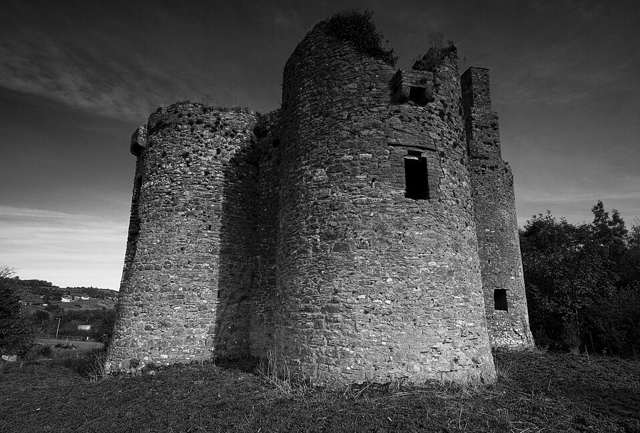
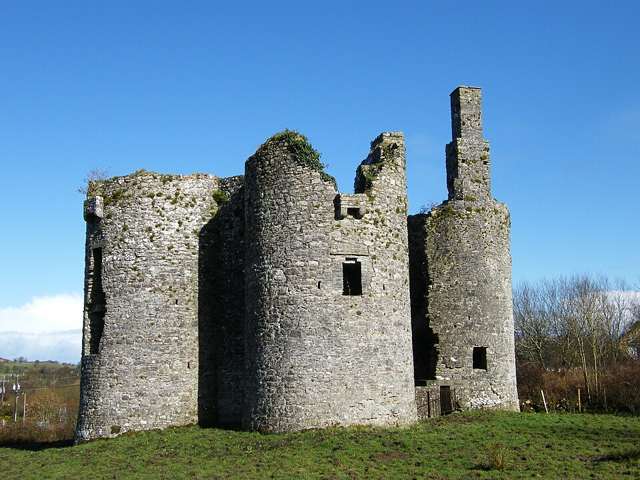
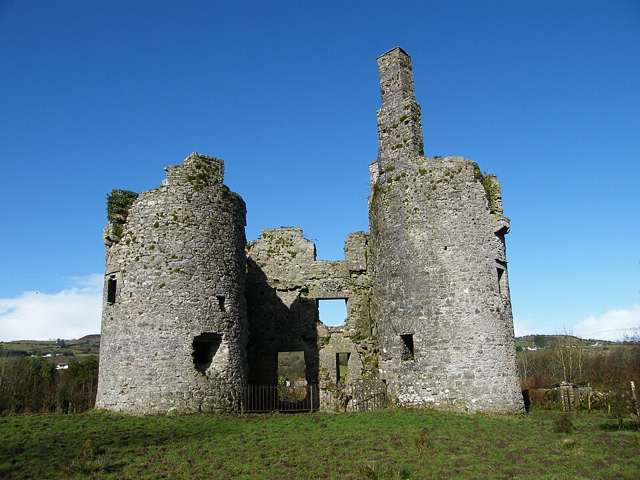
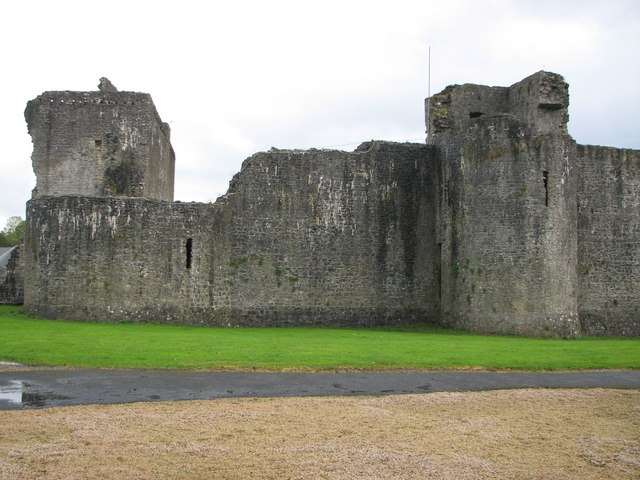
According to OPW, Sir Richard Bingham built the castle in 1590 to protect the Curlew Pass. Although its design drew on thirteenth-century forms, it belongs to the much later political and military landscape of Elizabethan Ireland. This makes the silhouette deceptive: reading the date alongside the architecture is essential to understanding what the building was intended to do. Source ↗
OPW’s unguided-site listing asks visitors to exercise care at every stage of a visit. That warning is practical, not merely formal: a national monument can have uneven ground, exposed stone and restricted areas. Begin with what can safely be seen from permitted ground, and let the surviving structure and its setting guide your understanding. An exterior visit should stand on its own without relying on access to closed or unstaffed spaces. Its location is therefore essential to the story: a compact fortified post can make more sense when considered alongside the route it was intended to control. Source ↗