Skip to content
TheLazyNick

heritage · Sligo

Ballymote Castle

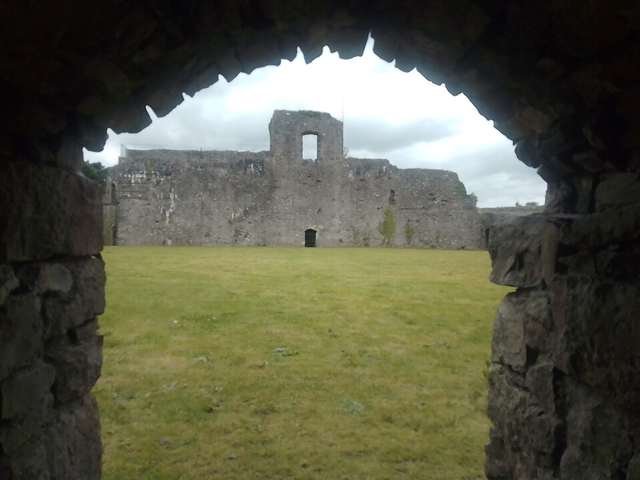
Ballymote Castle is a substantial Anglo-Norman enclosure castle on the edge of the Sligo town. Its gatehouse, curtain walls and rounded towers make it a rewarding stop for anyone interested in how a medieval fortress was planned. Approach it as an unguided monument, keeping the visit within the access permitted on the day.

Add to planSaved trips & places

Saved on this browser. No account needed.

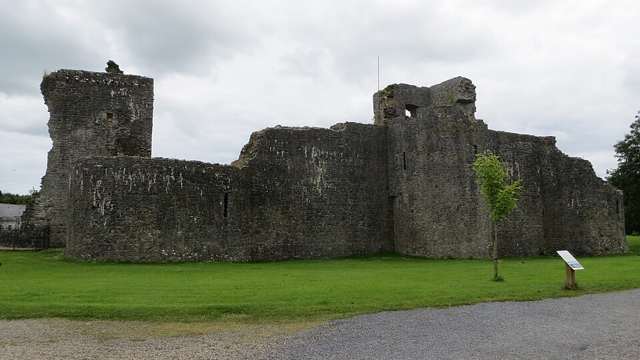
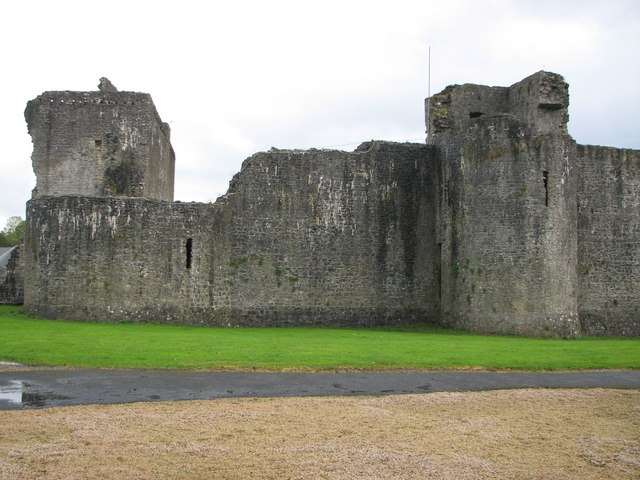
Exterior walls and towers of Ballymote Castle
Exterior walls and towers of Ballymote Castle. Source photograph: 2009-10-21. Appearance, displays and access may have changed. Photo: Willie Duffin ↗ · CC BY-SA 2.0

From research

Is this worth your time?

Choose this for an interest in fortifications and an unhurried look at the surrounding landscape. It is an unguided ruin rather than a staffed indoor attraction. Build a flexible short stop around permitted exterior access, and make any interior visit conditional on current notices rather than on historic photographs.

Know before you book: Unguided historic ruin: stay on permitted routes and follow local restrictions. Interior access, upper floors, visitor facilities and opening schedules are not guaranteed.

Place highlights

What you will actually see

01

Twin-towered entrance

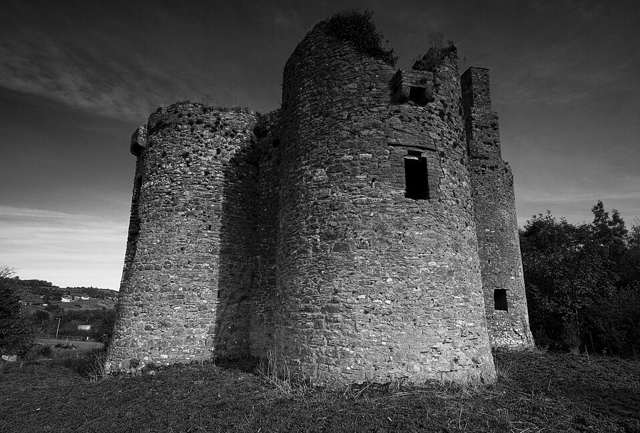
Begin with the entrance in the north wall, flanked by substantial towers. Look for the arrangement of the gateway and defensive features rather than assuming the easiest-looking gap is a visitor entrance. The gatehouse gives the strongest first impression of the fortress.

02

Castle plan

From accessible ground, trace the almost-square layout, corner towers and additional D-shaped towers along the east and west walls. Understanding the plan helps turn a collection of broken masonry into a coherent defensive building with several layers of protection.

03

Domestic traces

The OPW notes fireplaces in the towers, a reminder that a fortress also had to support everyday life. Look for such details from permitted routes, and avoid climbing the ruin or crossing barriers in pursuit of a closer architectural photograph.

The story behind the visit

The story behind the place

The Annals of the Four Masters attribute the castle to Richard de Burgo, the Red Earl of Ulster, in 1300. OPW describes walls around three metres thick and a gatehouse retaining a portcullis slot. These details show how much effort went into controlling entry and resisting attack, while fireplaces remind visitors that defensive architecture also had to accommodate the people inside. Source ↗

OPW’s unguided-site listing asks visitors to exercise care at every stage of a visit. That warning is practical, not merely formal: a national monument can have uneven ground, exposed stone and restricted areas. Begin with what can safely be seen from permitted ground, and let the surviving structure and its setting guide your understanding. An exterior visit should stand on its own without relying on access to closed or unstaffed spaces. Reading the gatehouse and curtain walls together reveals the defensive plan more clearly than looking at each broken tower as an isolated picturesque ruin. Source ↗

Visitor information

Tickets, timing and access

Opening
Listed by OPW as an unguided monument; follow current local access notices rather than assuming staffed hours.Confirm with the operator ↗
Admission
No current ticketed visitor offer is established by this OPW listing; do not infer access to locked interiors.Confirm with the operator ↗
Booking
No regular guided departure is confirmed. Check locally if a special visit is essential.Confirm with the operator ↗
Access
Historic ruin with potential uneven ground and restricted areas; no step-free route is promised.Confirm with the operator ↗
Duration
Suggested short architecture stop, with length determined by permitted access and weather; not an operator tour duration.Confirm with the operator ↗
Seasonal
Visit in suitable daylight and conditions. Old seasonal dates do not confirm a new interior season.Confirm with the operator ↗

Getting to the entrance

Ballymote Castle is in County Sligo. Use the OPW map and local signs, keeping private land and access restrictions in mind. Official visitor information ↗

Your questions, answered

Confirm current access and visitor arrangements with the operator.

Can I enter or climb the castle?

Only where current notices and barriers permit. This guide does not promise interior or upper-floor access. Source ↗

Is there a guide on site?

OPW lists the site as unguided; do not depend on staff or scheduled tours. Source ↗

Nearby options

Nearby places to explore

Explore other places in the area, then use live directions to plan your journey.

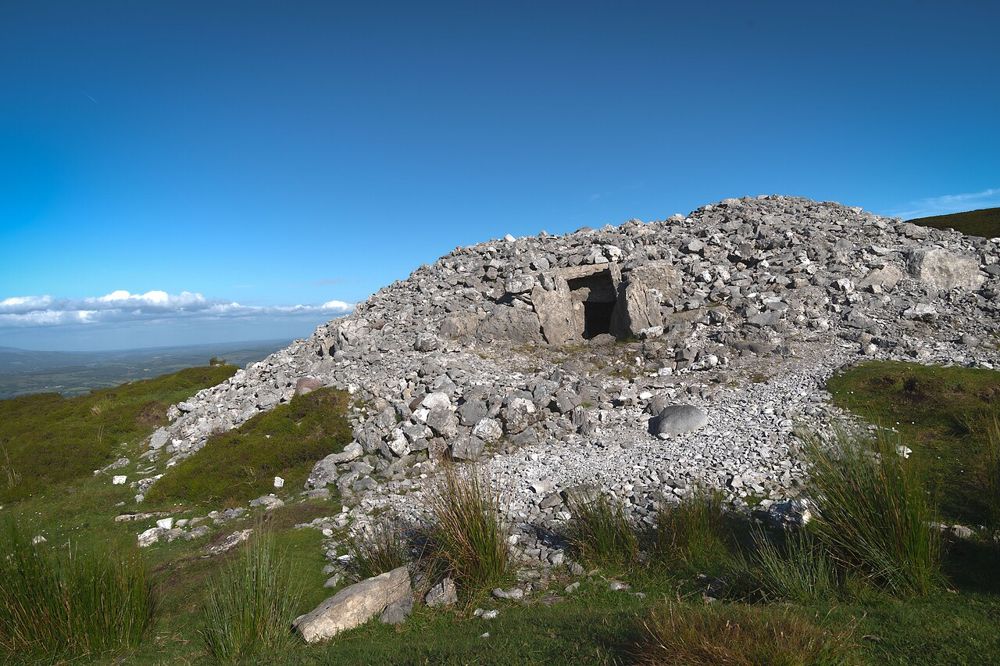
Stone passage tomb at Carrowkeel in the Bricklieve Mountains
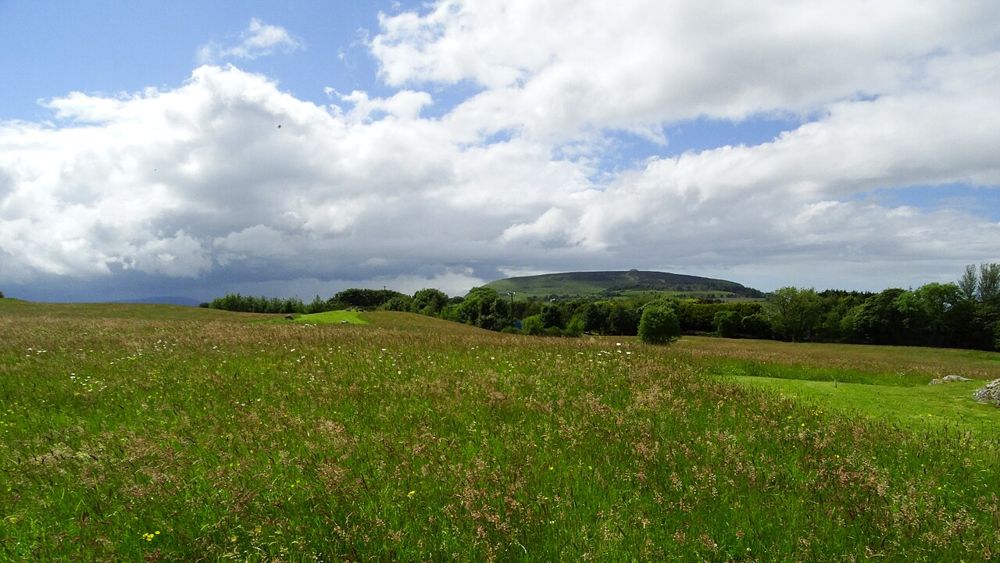
Stone passage tomb at Carrowkeel in the Bricklieve Mountains. Source photograph; conditions and access may have changed. Photo: Rob Hurson ↗ · CC BY-SA 4.0

heritage

Carrowkeel Passage Tombs

Carrowkeel feels different from a staffed heritage attraction. Its passage tombs occupy high ground in the Bricklieve Mountains, and the approach is part of understanding why people chose this landscape. The…

Open place page →
King House seen from the river in Boyle
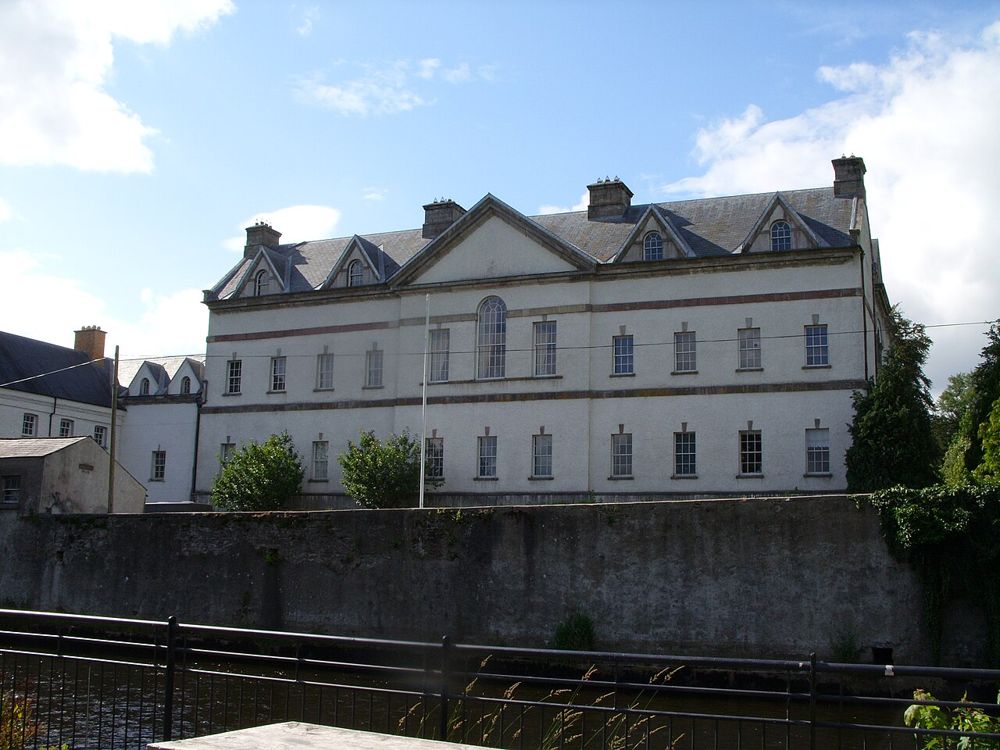
King House seen from the river in Boyle. Resized from the credited source; appearance and access may have changed. Photo: Ivanrlynn at English Wikipedia ↗ · Public domain

heritage

King House

King House gives Boyle a substantial indoor heritage stop. Its rooms have served very different purposes, from family home to military use, and the visitor experience follows those changes rather than…

Open place page →
Knocknarea’s broad hill profile seen from Strandhill
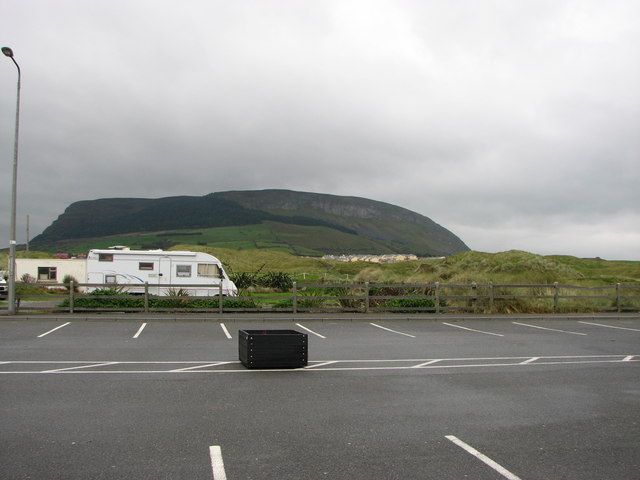
Knocknarea’s broad hill profile seen from Strandhill. Source photograph; conditions and access may have changed. Photo: Willie Duffin ↗ · CC BY-SA 2.0

nature

Knocknarea and Queen Maeve Trail

Knocknarea’s summit cairn is visible long before you reach it, making the climb feel like a journey towards a landmark rather than simply uphill exercise. The views over Sligo and the coast are a reward when…

Open place page →

External visitor reviews

Find the matching listing and reviews on Google Maps ↗

Part of a bigger journey

Location & access

Getting your bearings

Unguided historic ruin: stay on permitted routes and follow local restrictions. Interior access, upper floors, visitor facilities and opening schedules are not guaranteed.

54.08763, -8.51972 · Reference point; confirm the correct entrance and access. Map © OpenStreetMap contributors.

Orientation only: a verified public entrance is not established by this pin. Use the operator arrival information before travel.

Sources & place context

Browse more Ireland places →