The garden axis
Follow the permitted paths and compare the Taj view from more than one point. Notice how planting frames the building instead of concentrating only on a tightly cropped photograph of its dome.

heritage · Uttar Pradesh
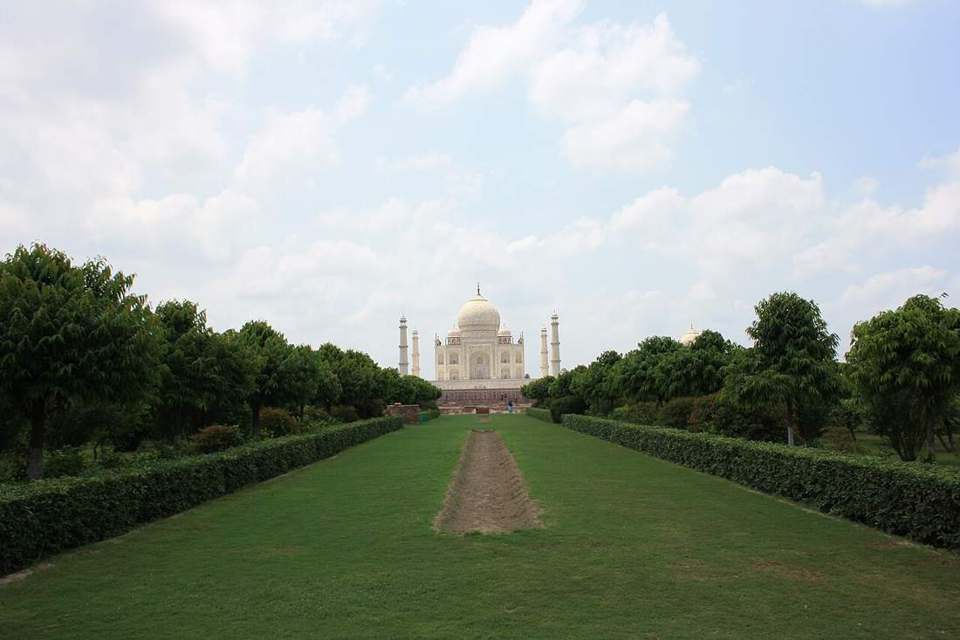
Mehtab Bagh changes your perspective on the Taj Mahal. Here the approach is through a garden on the other side of the Yamuna: the monument appears beyond planting and open ground, while the garden itself gives you a slower subject to explore.
From research
Choose this stop for the relationship between garden, river and distant architecture. It can work as a quieter outdoor pause in an Agra visit, provided you allow for the road journey and return. It is a separate experience from entering the Taj Mahal.
Know before you book: A clear view, dramatic sunset or particular water level is not guaranteed. Visibility and the permitted riverside route can change. The one-hour visit allowance covers the garden, with travel, tickets and queues separate; it is not a promise of access onto the riverbank.
Place highlights
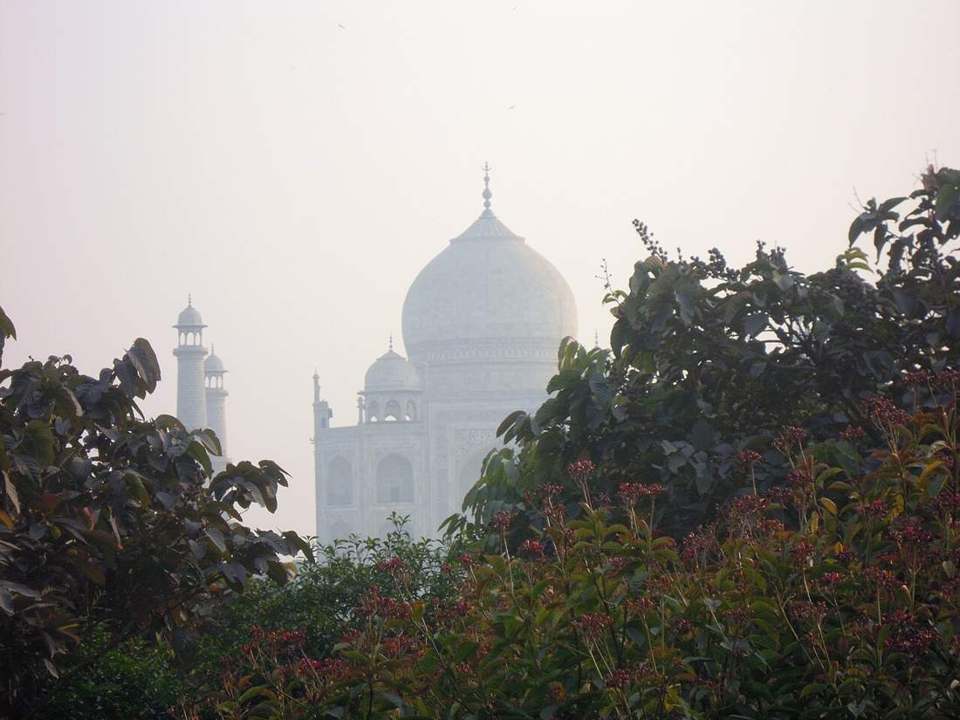
Follow the permitted paths and compare the Taj view from more than one point. Notice how planting frames the building instead of concentrating only on a tightly cropped photograph of its dome.
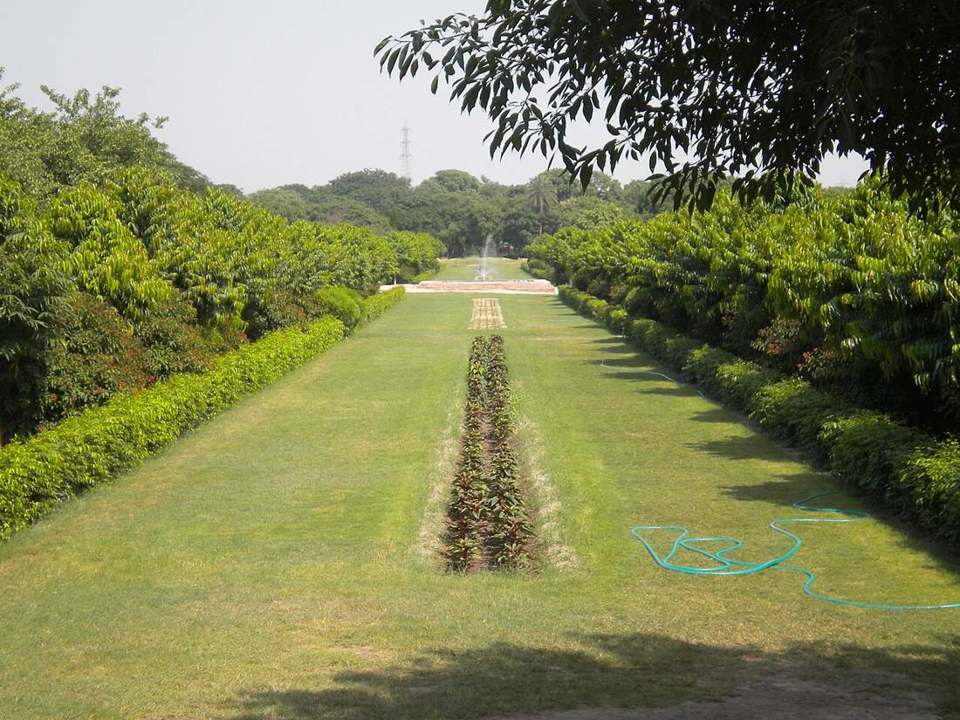
Spend some of the visit looking away from the Taj. The relationship between lawns, trees and pathways makes this a garden visit, with changing foliage and maintained areas rather than a single fixed viewing platform.
From the authorised visitor route, look at the space between garden and monument. The river and its floodplain are part of the setting; stay within barriers rather than assuming that exposed ground is a public path.
The story behind the visit
ASI calls Mehtab Bagh the Moonlight Garden and places it opposite the Taj Mahal. Its archaeological account records an octagonal tank, a smaller central tank and a baradari among the excavated garden features. Source ↗
The same ASI account distinguishes archaeological garden evidence from the popular Black Taj story. The remains support understanding a designed landscape; they should not be presented as proof of an unbuilt black-marble mausoleum. Source ↗
Agra district describes a restored charbagh facing the Taj across the Yamuna. The Airports Authority of India also records the floodplain setting and warns that part of the ground can flood during the rainy season. Source ↗
Visitor information
Use the named Mehtab Bagh entrance on the opposite bank from the Taj Mahal. The district describes a road approach across the Yamuna bridge; seeing the Taj nearby across the river does not establish a direct pedestrian connection. Official visitor information ↗
The map point comes from a photograph within the garden. It locates the visit in broad terms and does not establish the public gate, parking position or an accessible entrance. Confirm the final approach locally. Official visitor information ↗
Confirm current access and visitor arrangements with the operator.
No. It is a separate garden across the Yamuna. Allow its own journey and admission arrangements rather than treating it as another Taj entrance. Source ↗
No. Weather, haze, seasonal daylight and current access affect the experience. Plan around the published closing arrangements without assuming an after-dark stay. Source ↗
ASI describes the Black Taj association as a myth and records archaeological evidence for a garden complex. This guide follows that distinction. Source ↗
Nearby options
Explore other places in the area, then use live directions to plan your journey.
heritage
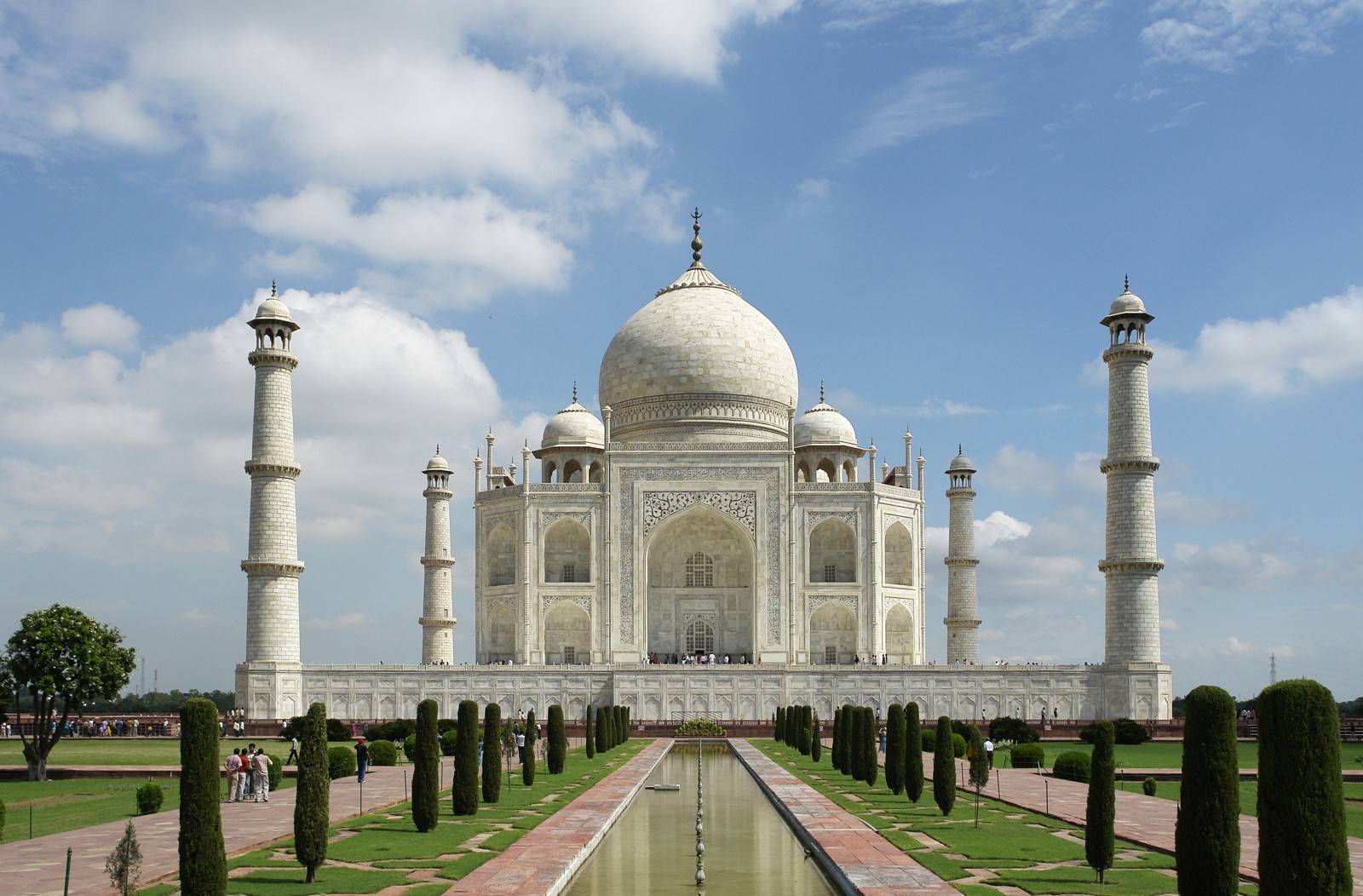
Make room for the gardens and smaller architectural details as well as the familiar white dome. The Taj Mahal rewards a measured visit: arrive through an operating gate, follow the garden axis, then slow down…
Open place page →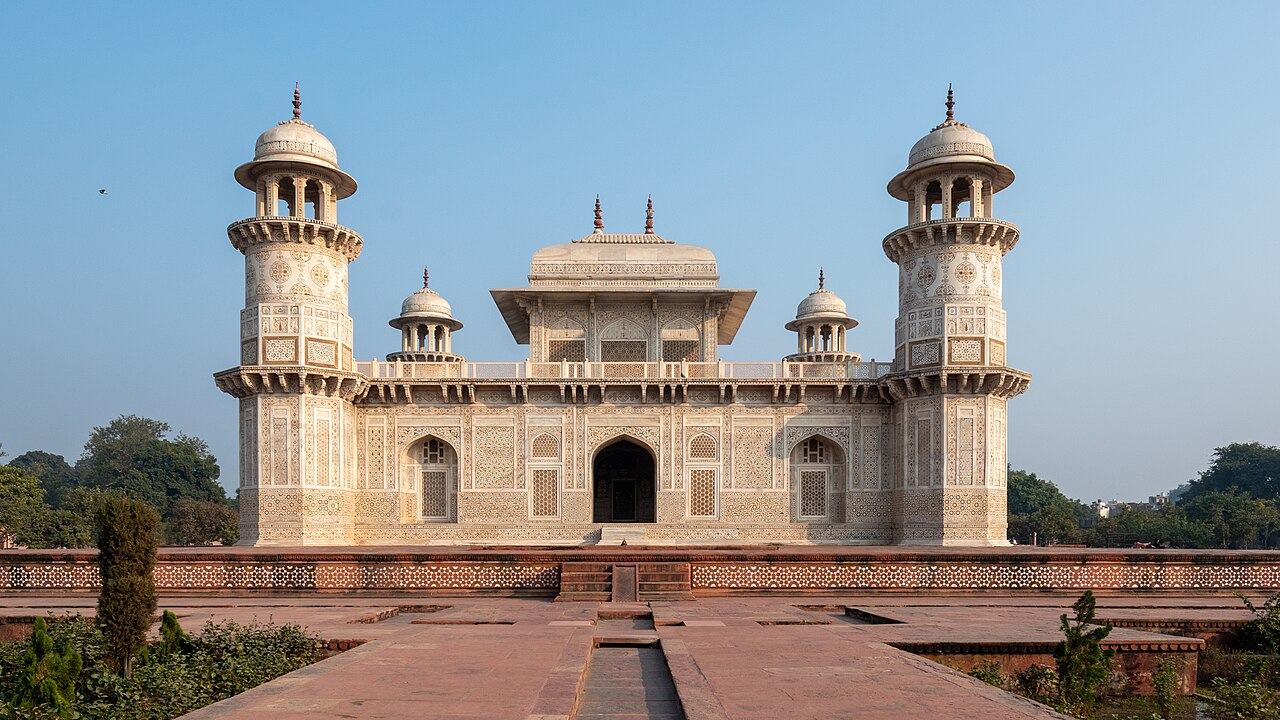
heritage
Look closely here: the reward is in carved marble screens, patterned surfaces and the changing relationship between a small tomb and its garden. Give Itimad-ud-Daulah a separate pause in your Agra visit, with…
Open place page →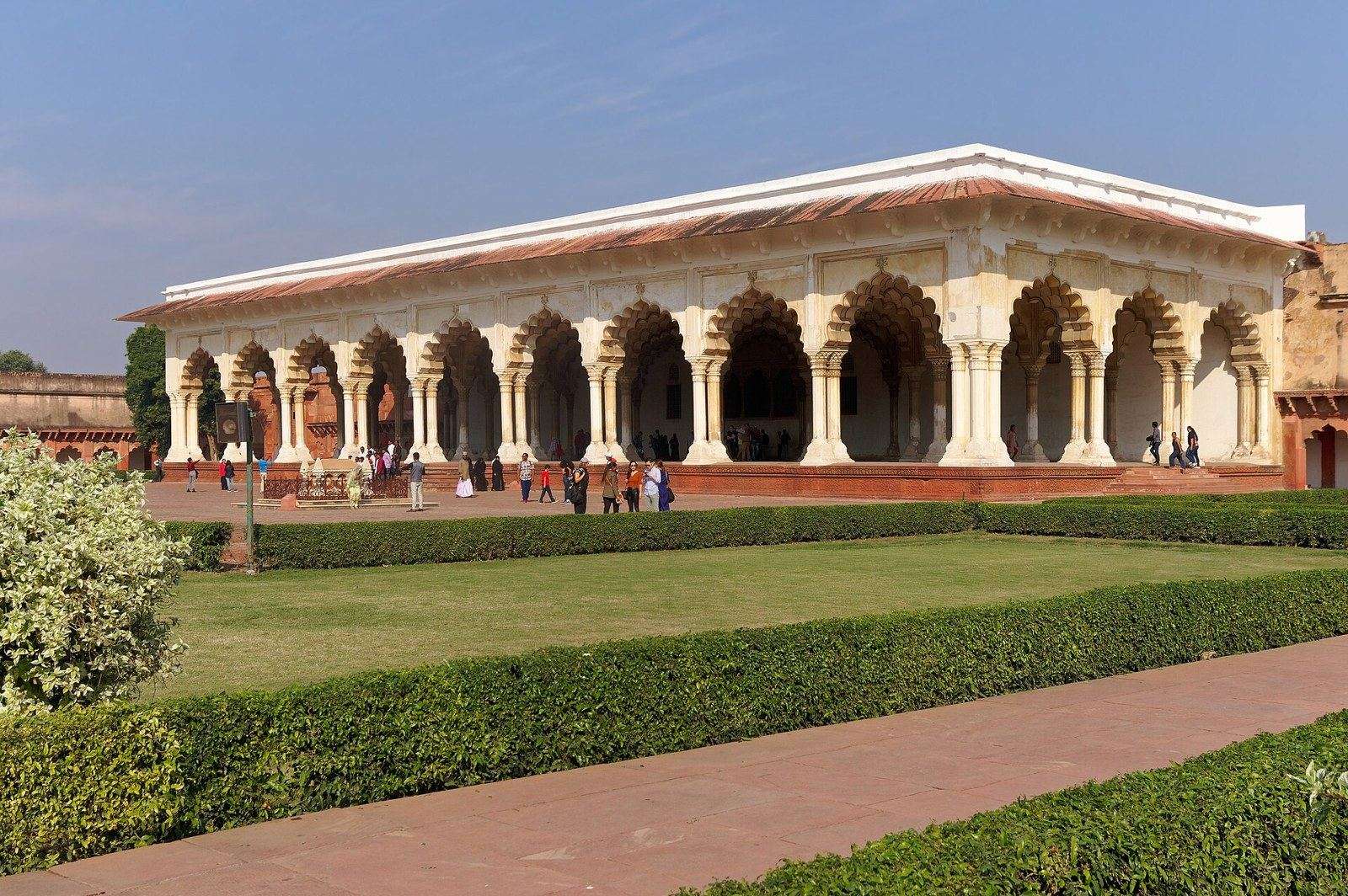
heritage
Move from the imposing red walls into a sequence of courtyards, audience halls and palace spaces. Agra Fort offers a useful change of scale after the Taj Mahal: give individual buildings time, rather than…
Open place page →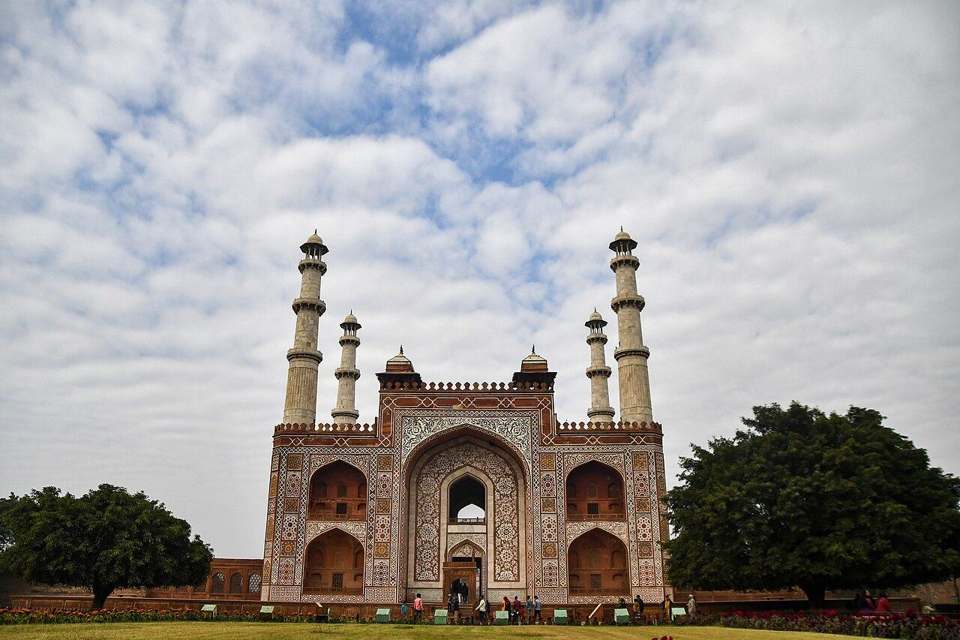
heritage
Give Akbar’s Tomb its own stretch of an Agra day. A monumental gateway, a long garden approach and the low, layered mausoleum reward a visit that moves between broad views and small details.
Open place page →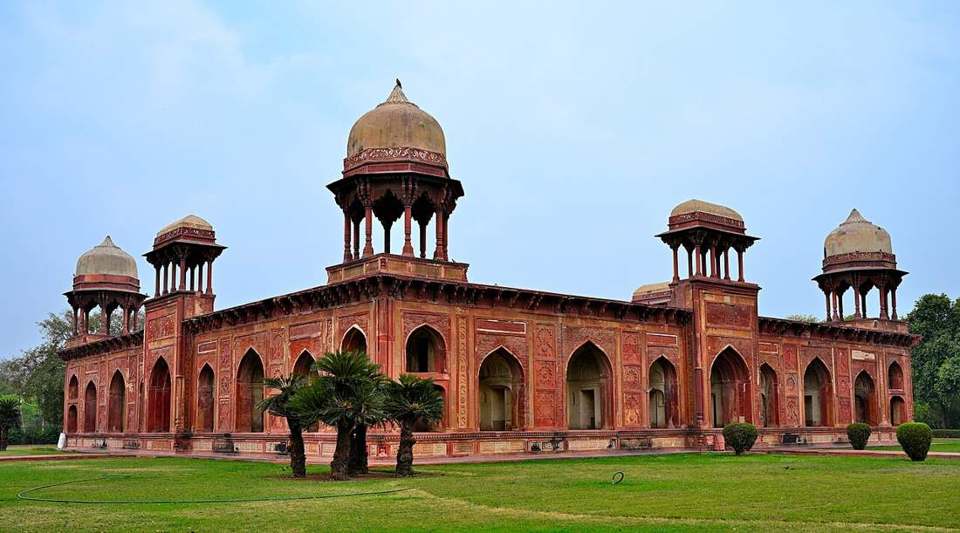
heritage
Mariam-uz-Zamani’s Tomb offers a smaller architectural stop in the Sikandra area. Give yourself time to move around the sandstone building, compare its corners and central frontage, and look at the garden…
Open place page →Location & access
27.18003, 78.04177 · Reference point; confirm the correct entrance and access. Map © OpenStreetMap contributors.
Orientation only: a verified public entrance is not established by this pin. Use the operator arrival information before travel.
