Marble and inlay
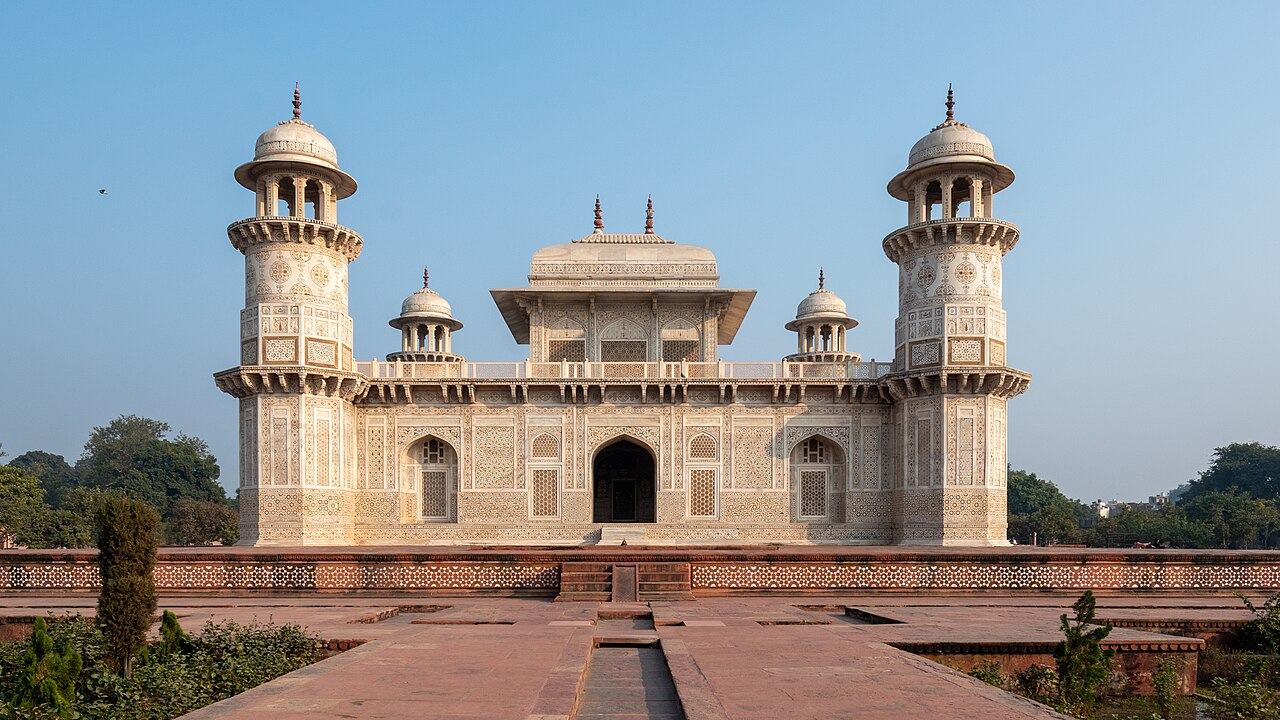
Start with the overall facade, then choose one panel to examine. Look at the relationship between coloured decoration, pale marble and the framing of an opening.

heritage · Uttar Pradesh
Look closely here: the reward is in carved marble screens, patterned surfaces and the changing relationship between a small tomb and its garden. Give Itimad-ud-Daulah a separate pause in your Agra visit, with time to compare a distant view and a single architectural detail.
From research
Choose this stop for decorative craftsmanship and a more compact mausoleum complex. Pair it with other Agra sights only after allowing for the river crossing and local transfers; a short list of nearby monuments is not a ready-made walking route.
Know before you book: This is a separate monument and ticket from the Taj Mahal. Official pages publish different tariff details, so confirm the applicable charge through current ASI and ADA guidance. The reference pin is inside the site and does not establish a public entrance.
Place highlights
Start with the overall facade, then choose one panel to examine. Look at the relationship between coloured decoration, pale marble and the framing of an opening.
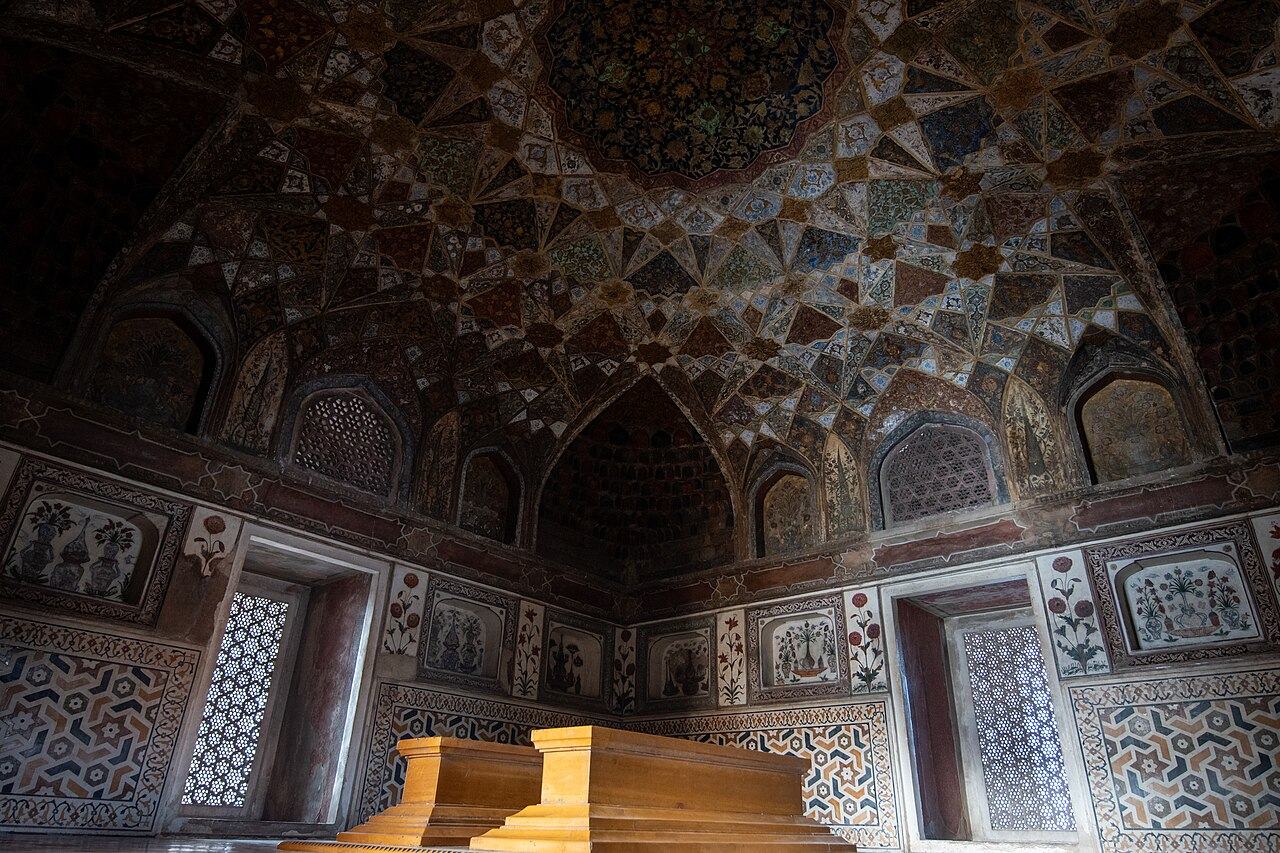
The carved jali screens are part of the architecture, not simply a backdrop for a photograph. Where the visitor route permits, notice how they change the light around the cenotaphs.
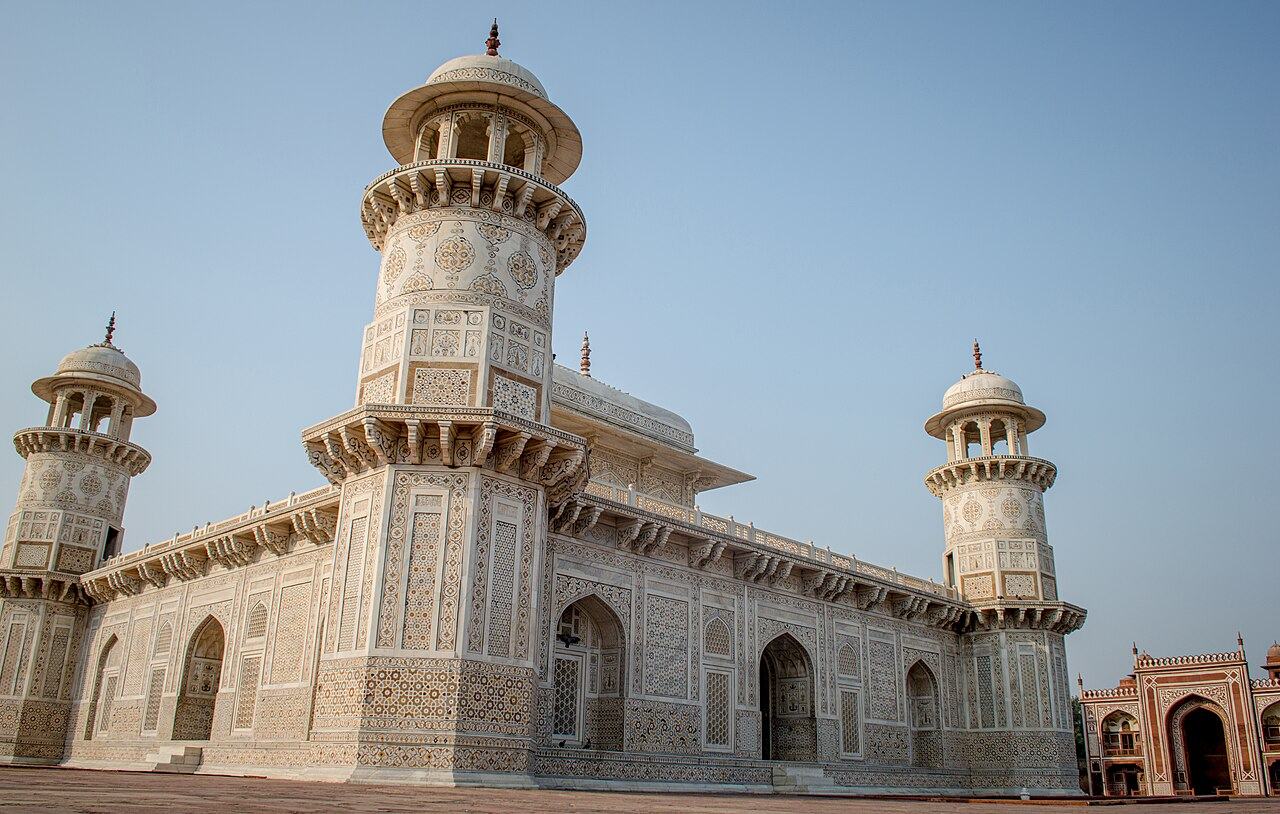
Step back after the close details. The tomb sits within a planned garden enclosure; the approach and the corner towers give its compact footprint a different scale.
The story behind the visit
Nur Jahan commissioned the mausoleum for her father, Mirza Ghiyas Beg, whose title was Itimad-ud-Daulah. Agra district dates construction to 1622–1628. The nickname “Baby Taj” is widely used, but this is a distinct monument with its own history. Source ↗
ASI describes a charbagh garden arrangement around a raised terrace, a central chamber and smaller surrounding chambers. Its account identifies the central burial space with Itimad-ud-Daulah and his wife, and records completion in 1628. Source ↗
Incredible India highlights the stone decoration and perforated marble screens. Use those features as a thread through the visit: compare a broad architectural view with the treatment of one window, floral panel or corner tower. Source ↗
Visitor information
Agra district locates the monument across the Yamuna from Agra Fort on the Aligarh-road side. Arrange the final approach to the named tomb entrance rather than treating the map point as a vehicle drop-off. Official visitor information ↗
The reference point is within the complex and does not mark a verified public entrance. Follow the monument signs and staff guidance when you arrive. Official visitor information ↗
Confirm current access and visitor arrangements with the operator.
No. It is a separate riverside tomb, often nicknamed the Baby Taj. It requires its own visit and admission arrangements. Source ↗
No. The official monument page and visitor tariff table differ. Check the applicable nationality, day and same-day toll conditions before buying. Source ↗
No. It marks a reference within the complex. Confirm the actual entrance and final approach locally. Source ↗
Nearby options
Explore other places in the area, then use live directions to plan your journey.
heritage
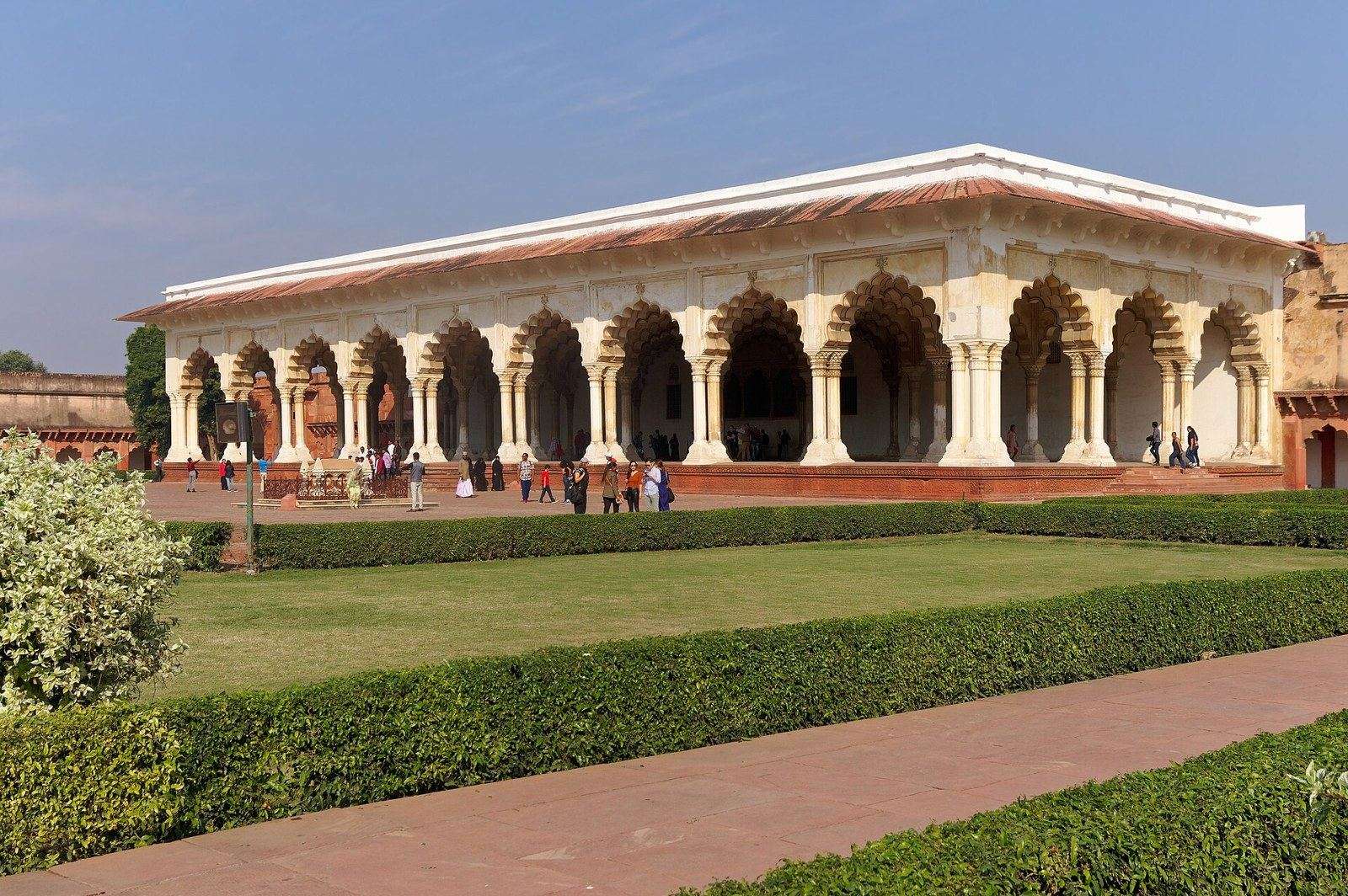
Move from the imposing red walls into a sequence of courtyards, audience halls and palace spaces. Agra Fort offers a useful change of scale after the Taj Mahal: give individual buildings time, rather than…
Open place page →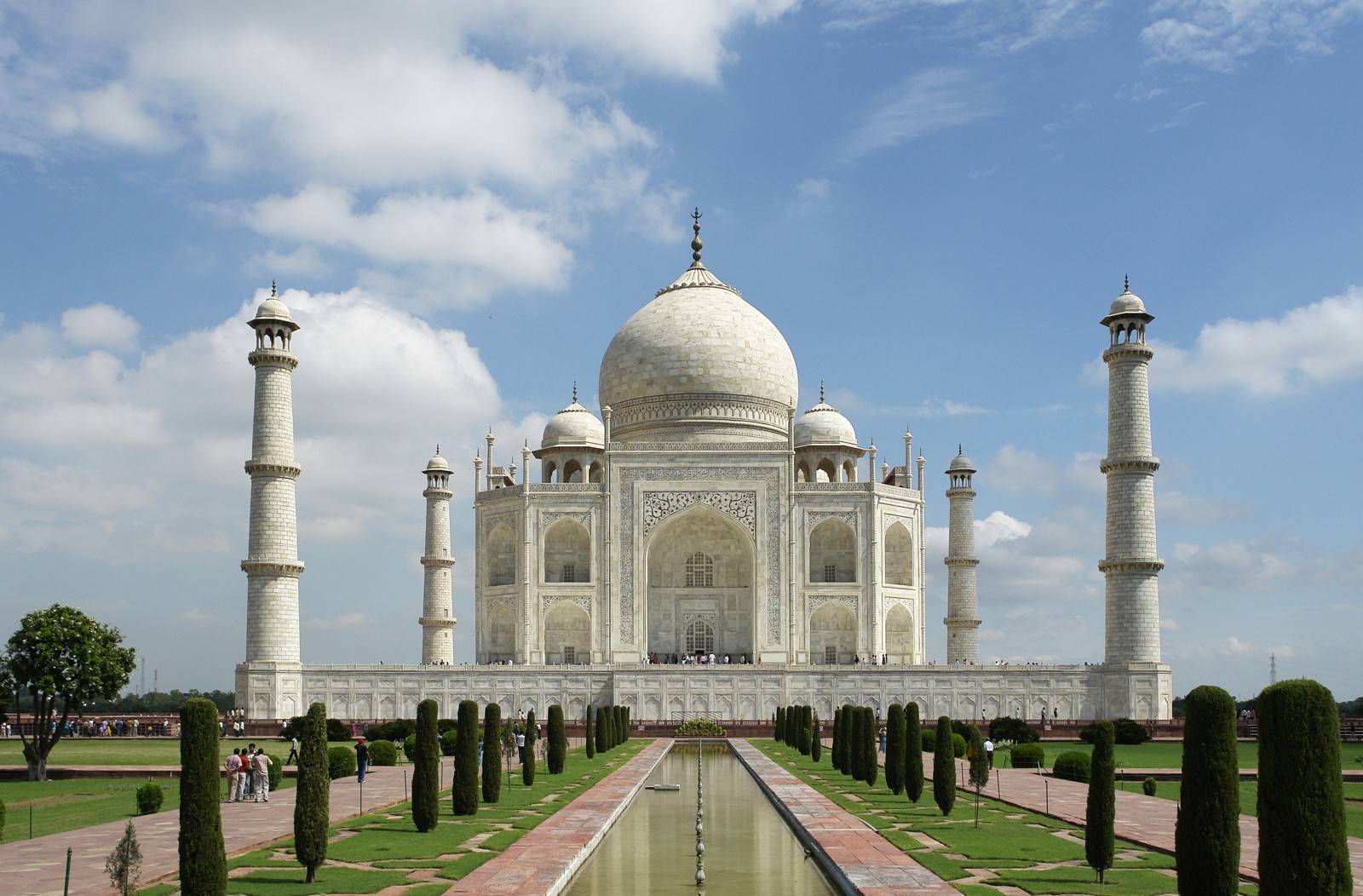
heritage
Make room for the gardens and smaller architectural details as well as the familiar white dome. The Taj Mahal rewards a measured visit: arrive through an operating gate, follow the garden axis, then slow down…
Open place page →Location & access
27.19250, 78.03139 · Reference point; confirm the correct entrance and access. Map © OpenStreetMap contributors.
Orientation only: a verified public entrance is not established by this pin. Use the operator arrival information before travel.