Jahangiri Mahal
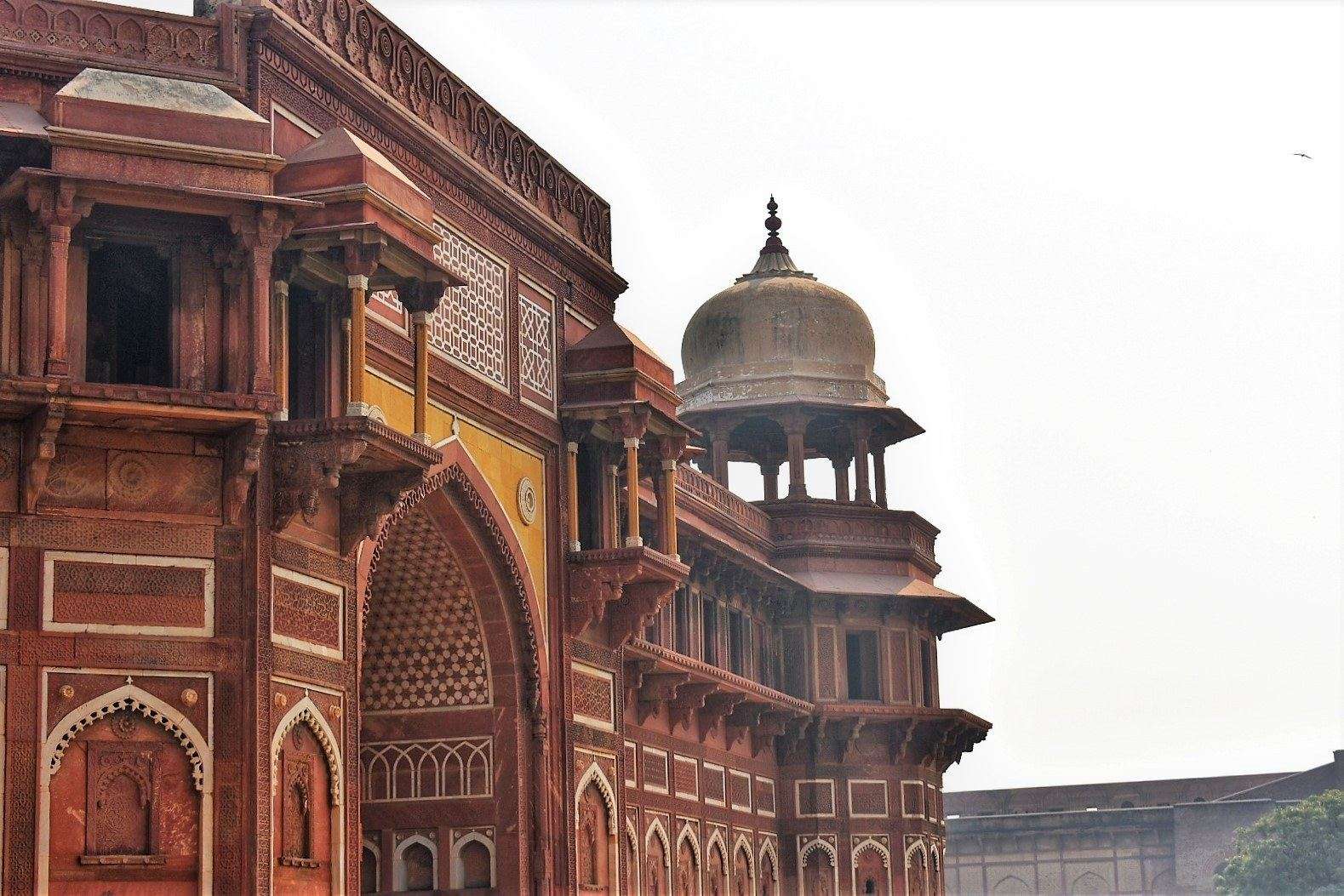
Look at the sandstone facade and its carved details before moving on. Comparing an overall view with a close detail gives the palace a more memorable place in the visit.

heritage · Uttar Pradesh
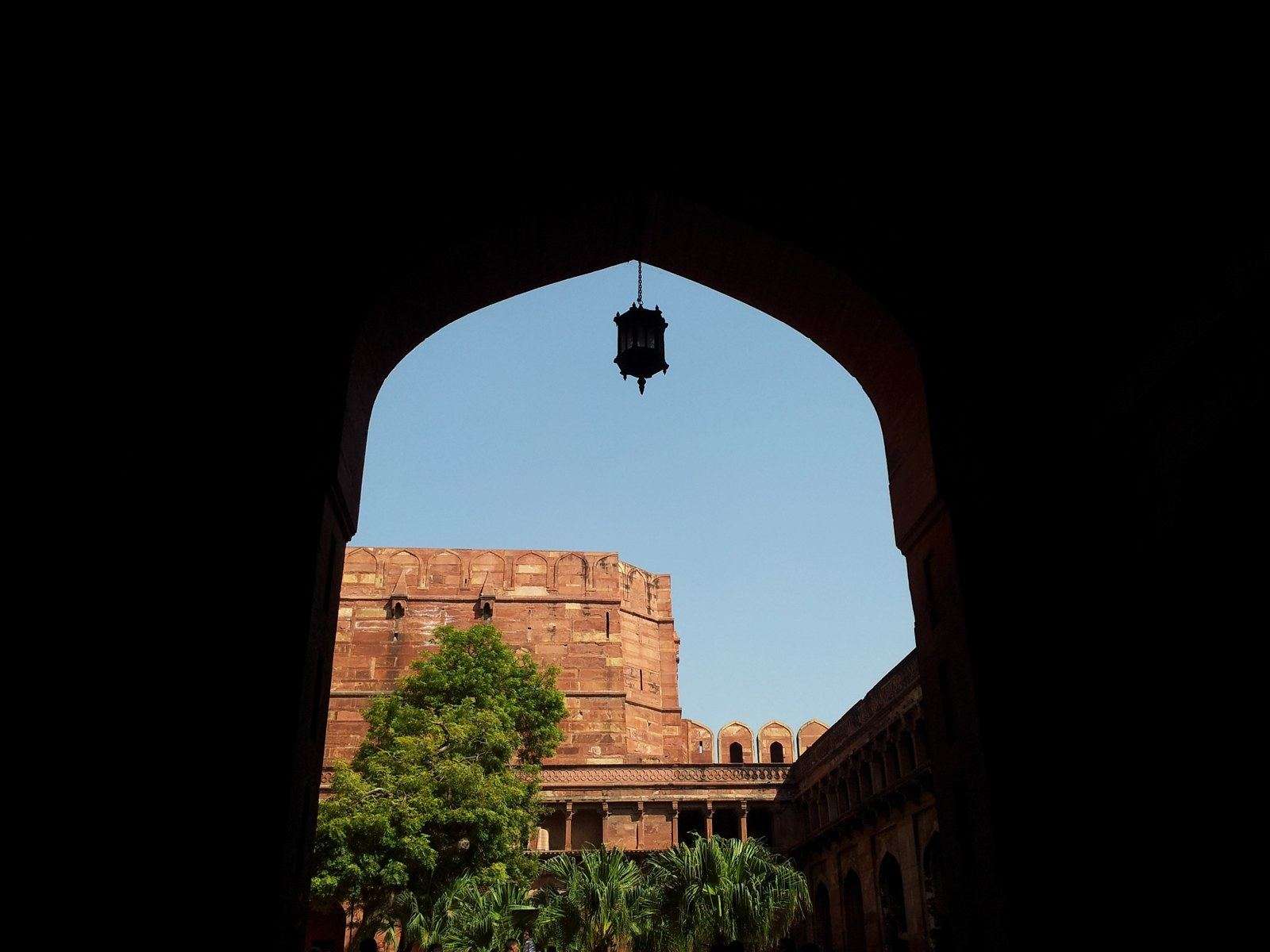
Move from the imposing red walls into a sequence of courtyards, audience halls and palace spaces. Agra Fort offers a useful change of scale after the Taj Mahal: give individual buildings time, rather than treating the whole complex as a quick second stop.
From research
Choose it for Mughal court architecture and the contrast between fortified exterior and more elaborate spaces within. Allow a separate visit window, with travel and entrance checks outside the time you reserve for exploring.
Know before you book: Tourist entry is through Amar Singh Gate. Part of the fort remains in military use and is closed to the public. The map pin identifies the World Heritage property, so use the official gate guidance for arrival.
Place highlights
Look at the sandstone facade and its carved details before moving on. Comparing an overall view with a close detail gives the palace a more memorable place in the visit.
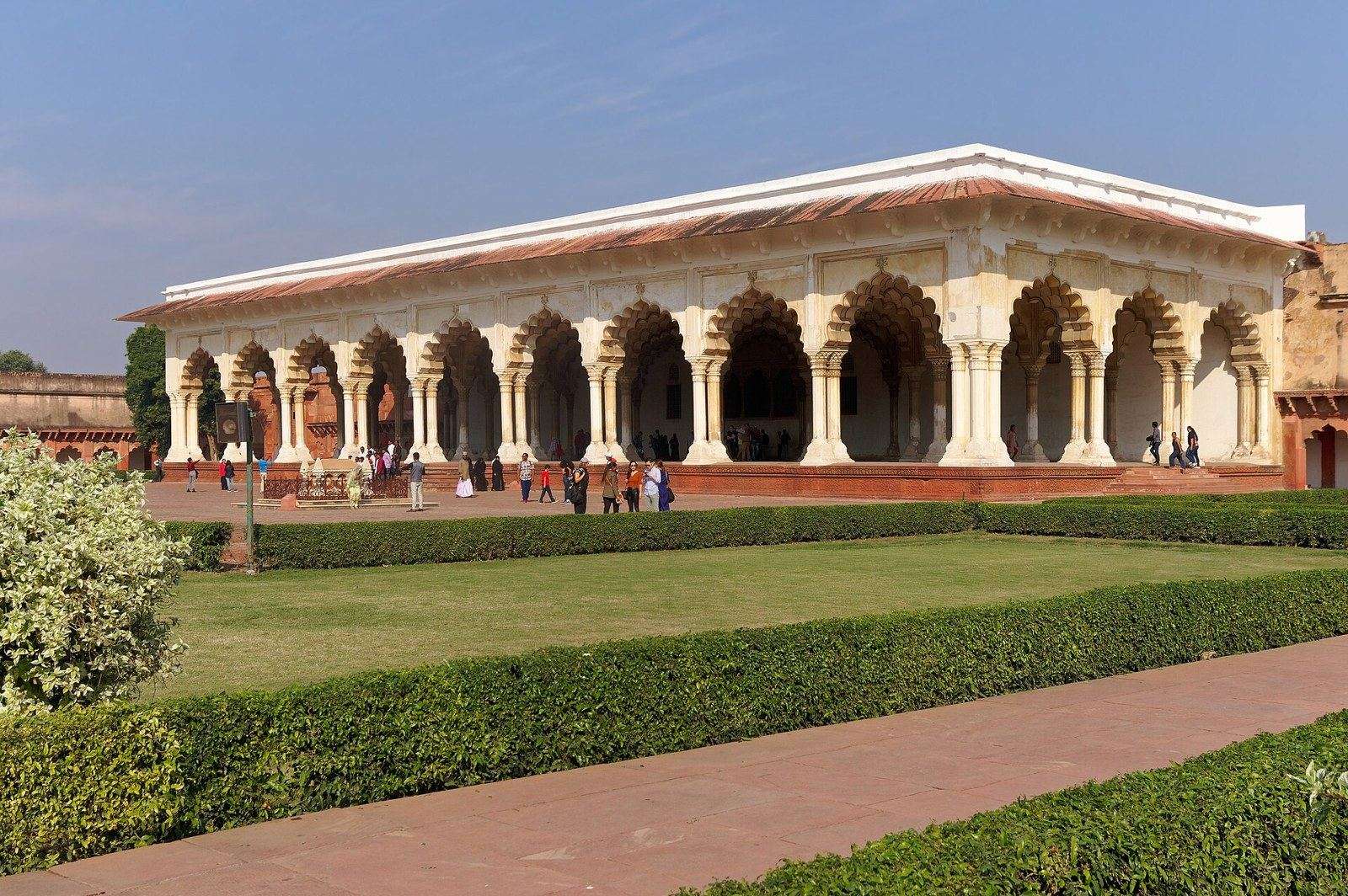
Pause at the Diwan-i-Am and compare its repeated columns with the more intimate palace spaces. Follow the current visitor route rather than assuming every named hall is accessible.
Where the open route permits, look toward the Yamuna and the Taj Mahal. Visibility varies, so make the architecture itself the reason for the visit.
The story behind the visit
UNESCO describes Agra Fort as an imperial Mughal city within a red-sandstone enclosure about 2.5 kilometres long. The property includes palaces, audience halls and mosques, and was inscribed on the World Heritage List in 1983. Source ↗
Agra district’s account places Akbar’s rebuilding from 1565 at the start of the fort’s major Mughal transformation, followed by Shah Jahan’s marble additions. The different materials are a useful thread to follow as you move through the complex. Source ↗
The public route covers only part of the fortified site. Uttar Pradesh Tourism explicitly separates visitor areas from the portion used by the army; photographs and lists of buildings do not establish current access to every interior. Source ↗
Visitor information
Use Amar Singh Gate as the arrival destination. The UNESCO point marks the property rather than a door or vehicle drop-off; follow current local signs and official arrival instructions. Official visitor information ↗
Confirm current access and visitor arrangements with the operator.
Agra district lists the fort as open all seven days. Check for an exceptional closure before your visit. Source ↗
No. It is UNESCO’s property reference. Tourist access is through Amar Singh Gate. Source ↗
No. The military portion is outside public access, and individual spaces may also be restricted. Source ↗
Nearby options
Explore other places in the area, then use live directions to plan your journey.
heritage
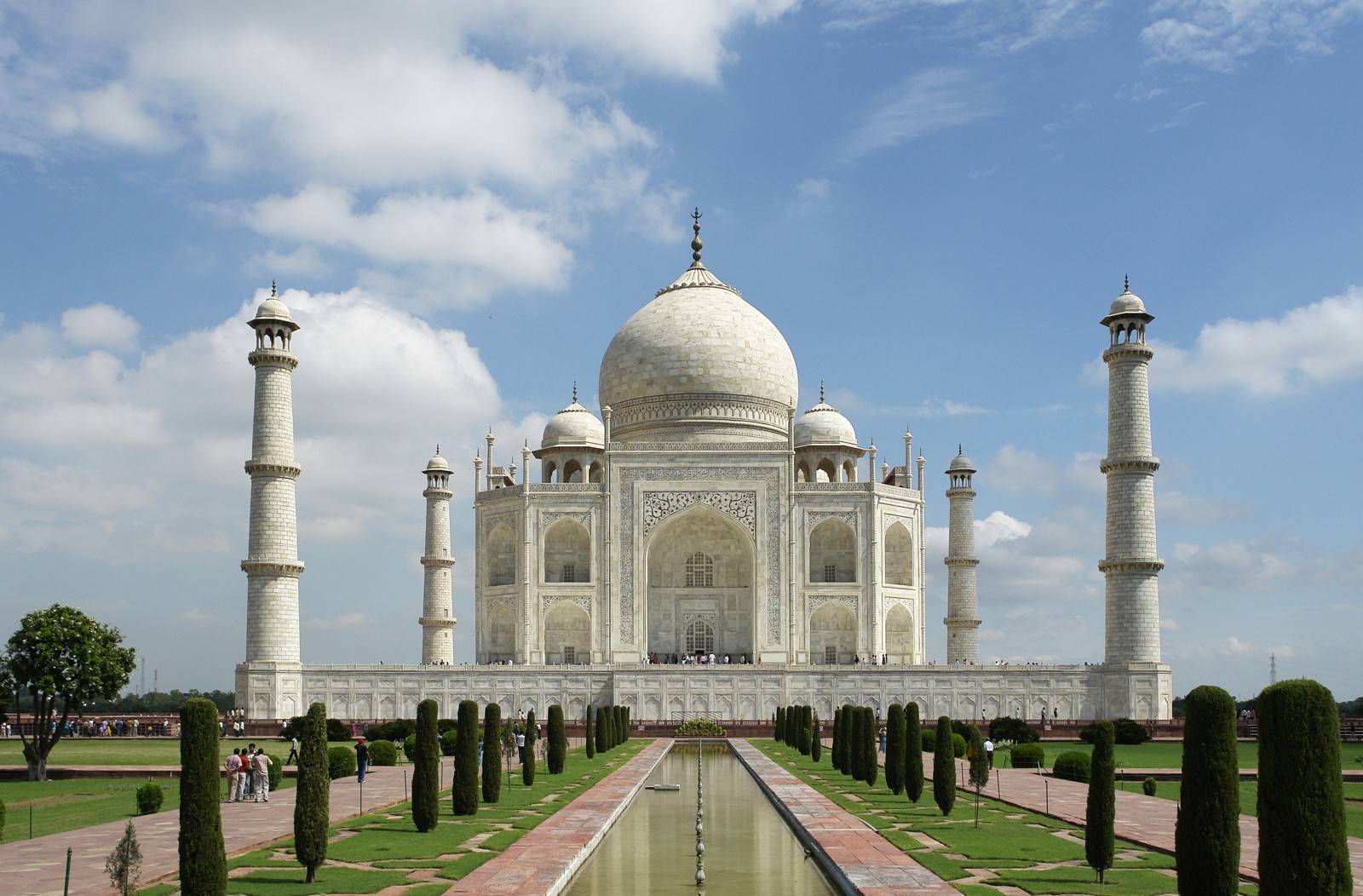
Make room for the gardens and smaller architectural details as well as the familiar white dome. The Taj Mahal rewards a measured visit: arrive through an operating gate, follow the garden axis, then slow down…
Open place page →Location & access
27.17981, 78.02153 · Reference point; confirm the correct entrance and access. Map © OpenStreetMap contributors.
Orientation only: a verified public entrance is not established by this pin. Use the operator arrival information before travel.