Skip to content
TheLazyNick

heritage · Uttar Pradesh

Tomb of Mariam-uz-Zamani

Mariam-uz-Zamani’s Tomb offers a smaller architectural stop in the Sikandra area. Give yourself time to move around the sandstone building, compare its corners and central frontage, and look at the garden setting before continuing your day.

Add to planSaved trips & places

Saved on this browser. No account needed.

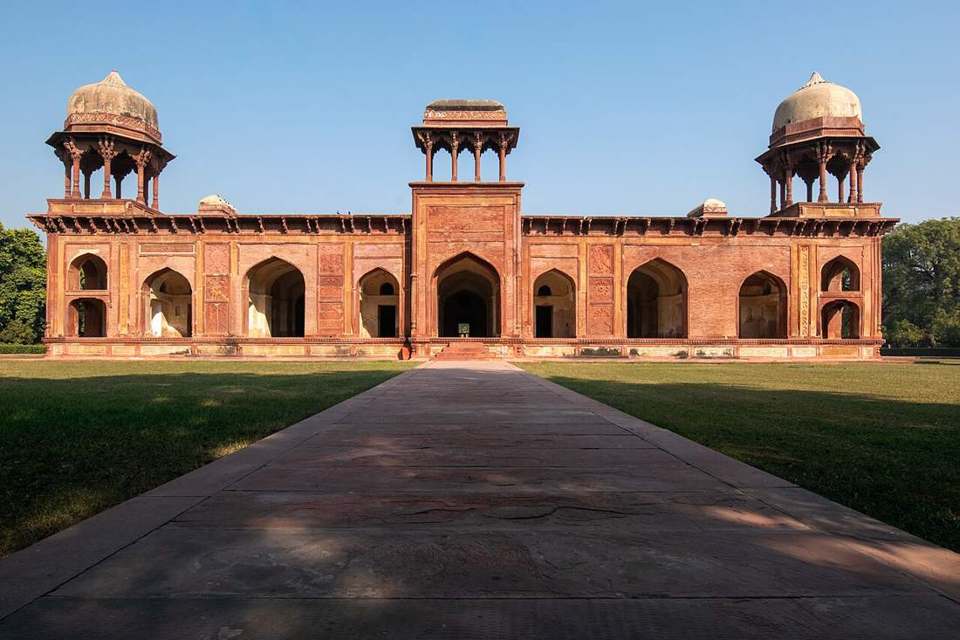
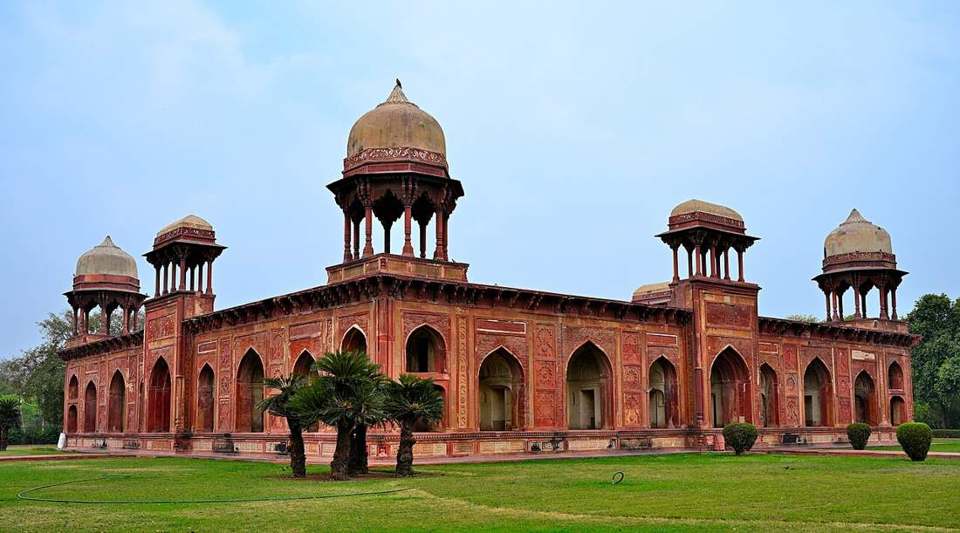
Mariam-uz-Zamani’s sandstone tomb in its garden setting
Mariam-uz-Zamani’s sandstone tomb in its garden setting. Resized and compressed from the credited photograph. Photo: Sharvarism ↗ · CC BY-SA 4.0

From research

Is this worth your time?

Choose this visit if you are interested in how an earlier pavilion became a Mughal tomb. It can complement Akbar’s Tomb, but it is a separate site with its own approach and admission. A shorter monument list can leave more room to notice the carved surfaces.

Know before you book: Plan for the permitted visitor route rather than access to every chamber or upper level. This guide uses Mariam-uz-Zamani’s historical title and follows ASI’s account of the earlier building. The reference pin identifies the property, not a verified public entrance or vehicle drop-off.

Place highlights

What you will actually see

01

The sandstone facades

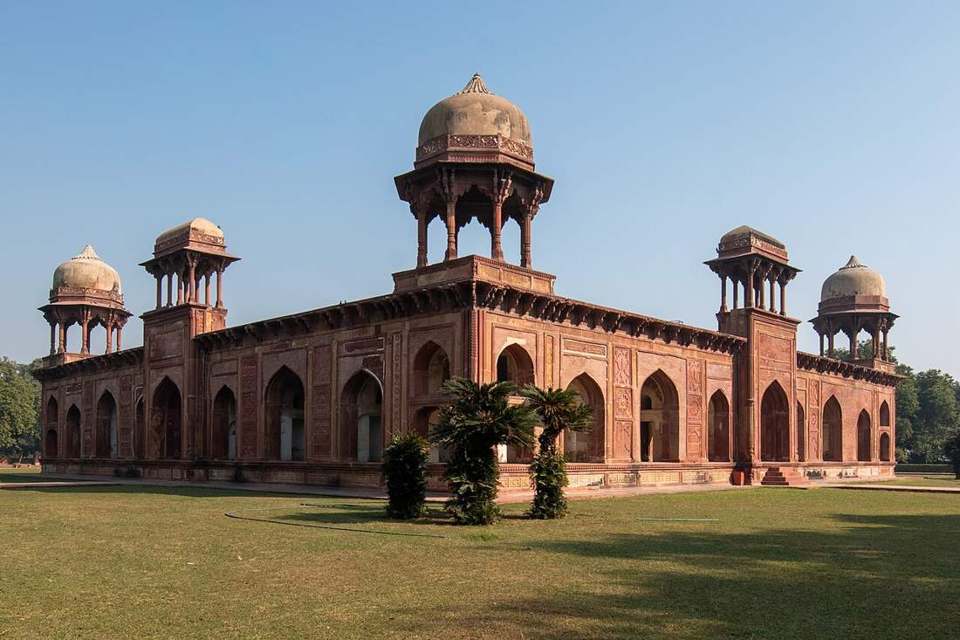
Begin with the long face of the building, then compare it with a corner view. Look for the repeated arches and the framed panels between them. Changing your position reveals the building’s proportions more clearly than one straight-on photograph.

02

The corner pavilions

Look up at the projecting corner elements and the small pavilions above them. Compare their silhouette with the lower horizontal roofline; this contrast is one of the clearest features to study from the grounds.

03

The permitted interior route

Where entry is allowed, move slowly from the bright exterior into the building. Notice the relationship between openings and enclosed spaces. Respect staff directions, barriers and any chamber restrictions rather than treating all visible doorways as a route.

The story behind the visit

The story behind the place

ASI identifies the tomb as the resting place of Mariam Zamani, a Rajput princess of Amber, Akbar’s wife and Jahangir’s mother. Her title is a more reliable way to identify the monument than popular names that official sources use inconsistently. Source ↗

The ASI monument account describes an earlier pleasure pavilion built under Sikandar Lodi in 1495, with alterations when it became a tomb in 1623. That adaptation gives the structure a history before its funerary role. Source ↗

ASI records sandstone panels with geometric carving and ornamental corner towers topped by small pavilions. Agra district places the monument near Sikandra, making it an option for a local cluster rather than an extension reached by assuming a gate connects the two tombs. Source ↗

Visitor information

Tickets, timing and access

Time to allow
Use about one hour as an editorial starting point for the grounds, exterior and any interior route open to visitors. Transport, tickets and waiting are extra.Confirm with the operator ↗
Opening
Agra district lists sunrise to sunset, open all seven days; ASI also gives sunrise to sunset. Confirm the current entry and last-admission arrangements before travelling.Confirm with the operator ↗
Admission
The older ASI monument page differs from the district and the ASI visitor table. Check current ticket categories and applicable charges through official information. Do not assume an Akbar’s Tomb ticket covers this separate visit.Confirm with the operator ↗
Access
Ask staff about steps, the permitted chambers and a route suited to your mobility needs. Descriptions of the building’s upper storey are architectural information, not a promise that it is open.Confirm with the operator ↗

Getting to the entrance

Arrange the final approach to the named Tomb of Mariam-uz-Zamani at Sikandra. Agra district places it on the NH-19 side of the city near Akbar’s Tomb. Confirm the actual approach rather than using the distance alone to decide whether to walk. Official visitor information ↗

The map uses a geolocated photograph reference within the monument property. It is not an independently checked visitor gate or parking position. Follow current signs and staff guidance on arrival. Official visitor information ↗

Your questions, answered

Confirm current access and visitor arrangements with the operator.

Is this the same monument as Akbar’s Tomb?

No. The tombs are separate places in the Sikandra area. Plan each approach, ticket and visit allowance independently. Source ↗

Was the building first constructed as a tomb?

ASI describes an earlier Lodi-period pavilion later adapted as a tomb. That earlier phase is part of the reason to look closely at the building itself. Source ↗

Can I assume the upper storey is open?

No. ASI describes an upper storey, but current visitor access is a separate question. Use only the route permitted by the monument staff. Source ↗

Nearby options

Nearby places to explore

Explore other places in the area, then use live directions to plan your journey.

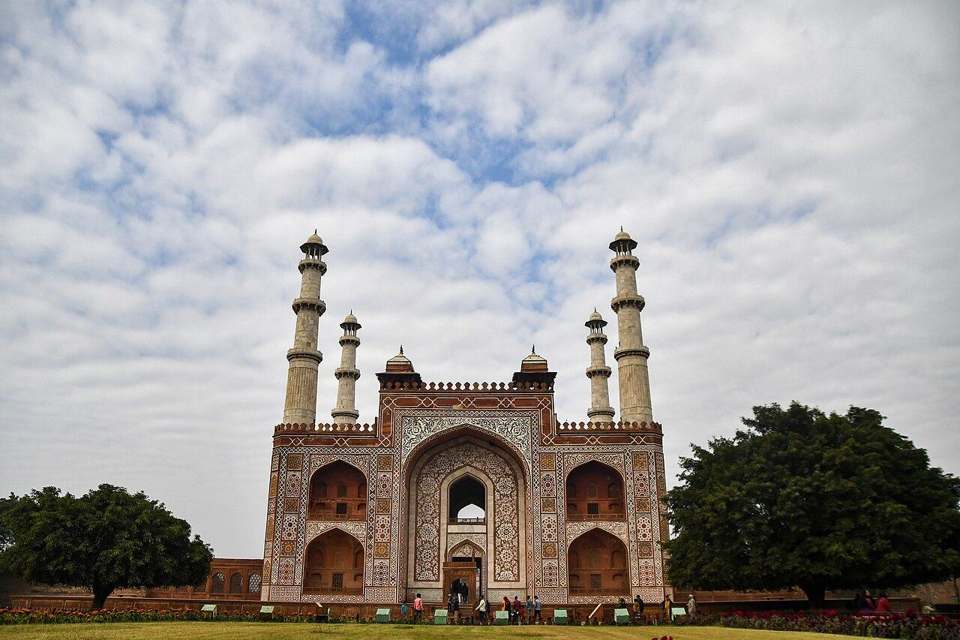
The south gateway of Akbar’s Tomb at Sikandra
The south gateway of Akbar’s Tomb at Sikandra. Resized and compressed from the credited photograph. Photo: Darshanavenugopal ↗ · CC BY-SA 4.0

heritage

Akbar’s Tomb, Sikandra

Give Akbar’s Tomb its own stretch of an Agra day. A monumental gateway, a long garden approach and the low, layered mausoleum reward a visit that moves between broad views and small details.

Open place page →
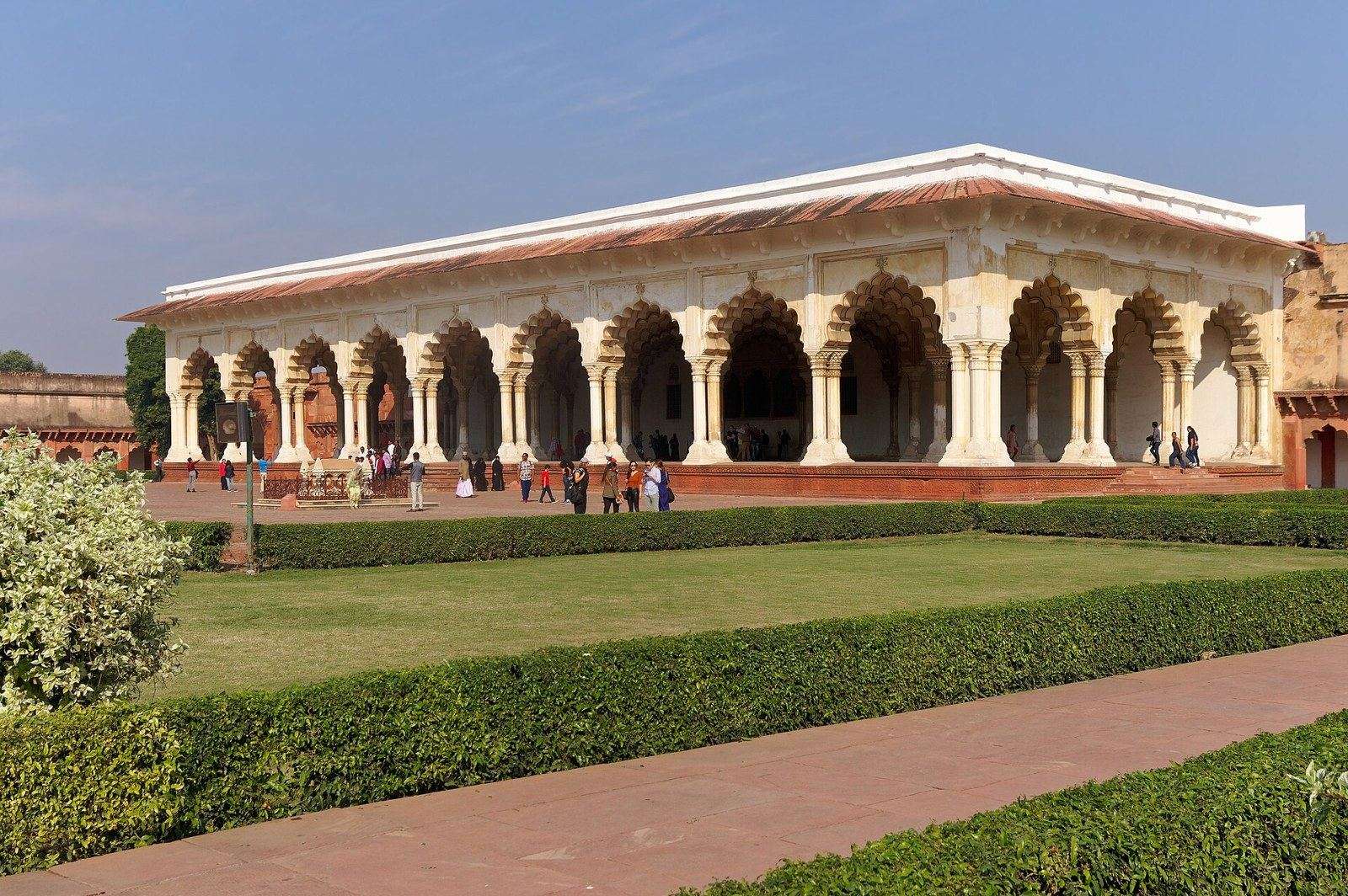
The Diwan-i-Am audience hall at Agra Fort
The Diwan-i-Am audience hall at Agra Fort. Resized from the credited original. Photo: Jakub Hałun ↗ · CC BY-SA 4.0

heritage

Agra Fort

Move from the imposing red walls into a sequence of courtyards, audience halls and palace spaces. Agra Fort offers a useful change of scale after the Taj Mahal: give individual buildings time, rather than…

Open place page →
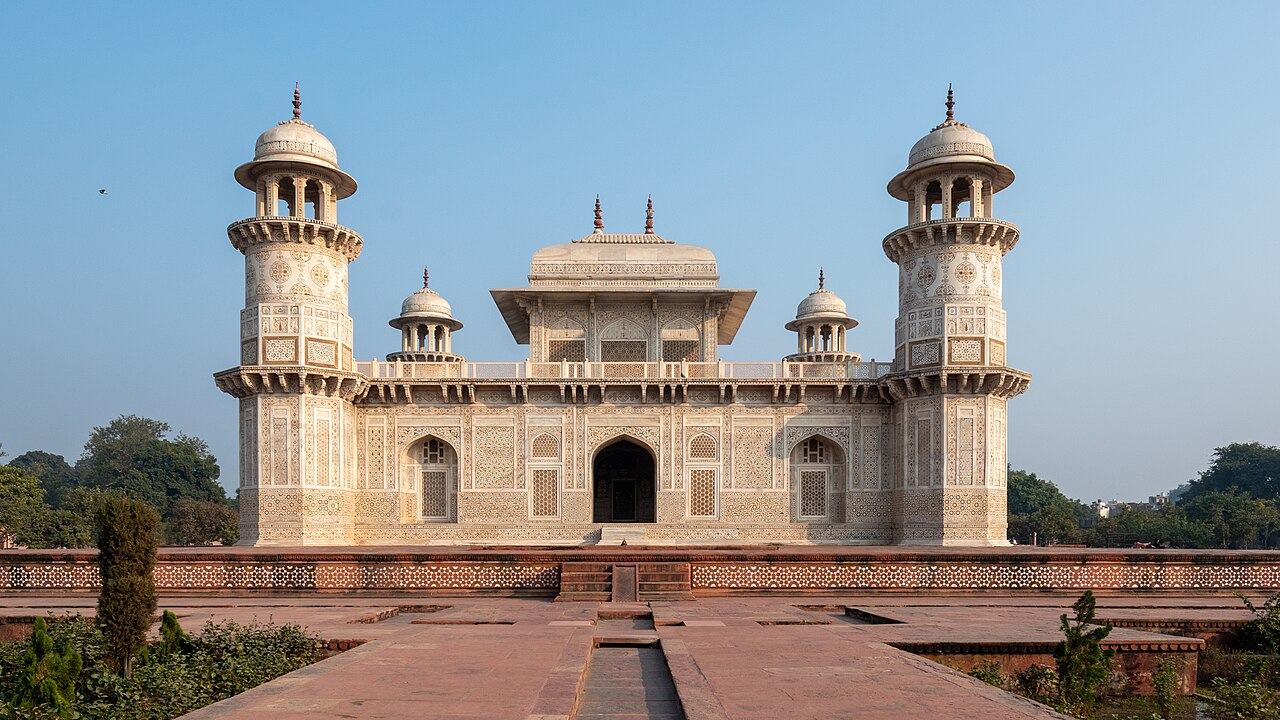
The marble tomb of Itimad-ud-Daulah in its garden setting
The marble tomb of Itimad-ud-Daulah in its garden setting. Resized and compressed from the credited photograph. Photo: Rohit Sharma ↗ · CC BY-SA 4.0

heritage

Tomb of Itimad-ud-Daulah

Look closely here: the reward is in carved marble screens, patterned surfaces and the changing relationship between a small tomb and its garden. Give Itimad-ud-Daulah a separate pause in your Agra visit, with…

Open place page →
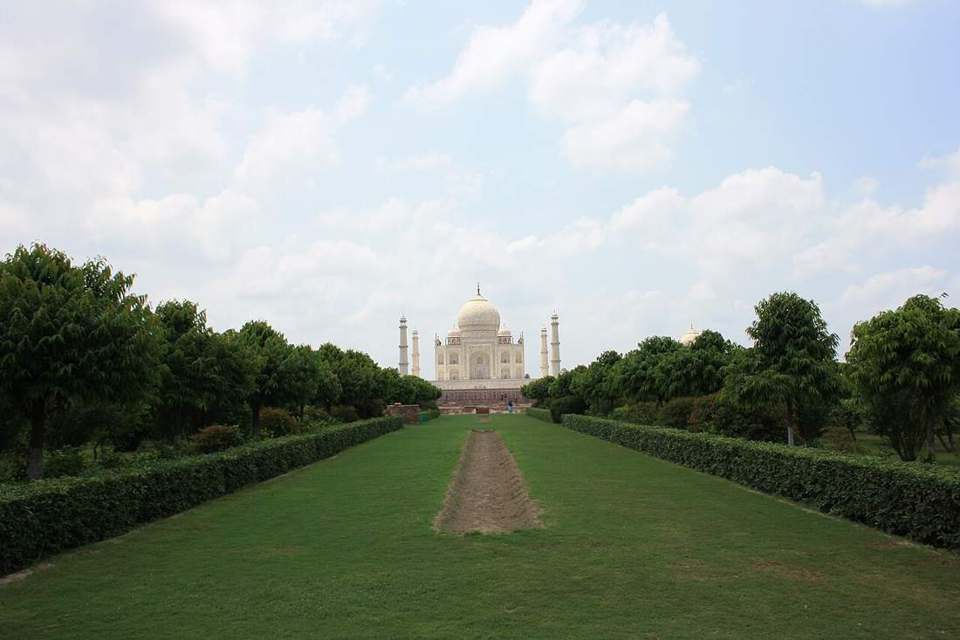
The Taj Mahal seen across the Yamuna from Mehtab Bagh
The Taj Mahal seen across the Yamuna from Mehtab Bagh. Resized and compressed from the credited photograph. Photo: LittleDwangs ↗ · CC BY-SA 4.0

heritage

Mehtab Bagh

Mehtab Bagh changes your perspective on the Taj Mahal. Here the approach is through a garden on the other side of the Yamuna: the monument appears beyond planting and open ground, while the garden itself gives…

Open place page →

External visitor reviews

Find the matching listing and reviews on Google Maps ↗

Part of a bigger journey

Location & access

Getting your bearings

27.21530, 77.94280 · Reference point; confirm the correct entrance and access. Map © OpenStreetMap contributors.

Orientation only: a verified public entrance is not established by this pin. Use the operator arrival information before travel.

Sources & place context

Browse more India places →