Skip to content
TheLazyNick

heritage · Monaghan

Ulster Canal Stores Visitor Centre

Arrange a November museum visit with Ulster Canal Stores before travelling, particularly for a group. Inside the restored limestone warehouse, the Clones Lace Museum connects a local craft with the town’s social history. The exhibition gives the canal-side building a distinct heritage purpose alongside its other community uses.

Add to planSaved trips & places

Saved on this browser. No account needed.

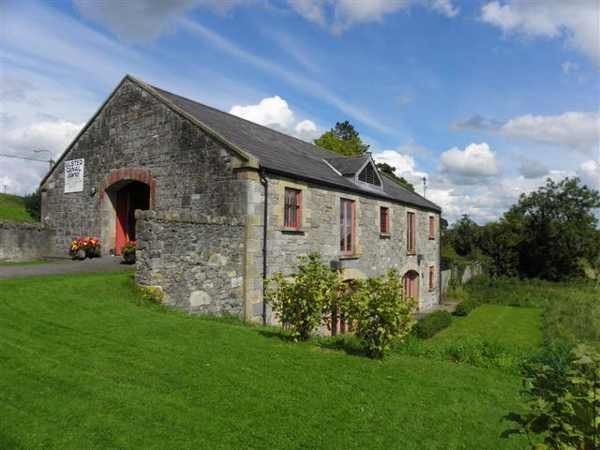
The historic canal store now housing the visitor centre in Clones
The historic canal store now housing the visitor centre in Clones Photo: Kenneth Allen ↗ · CC BY-SA 2.0

From research

Is this worth your time?

Choose the museum for an introduction to Clones lace and the people whose work supported the craft. Look at the building as well as the exhibition, and allow time to appreciate the difference between a handmade object and the history behind its production. Contact the centre for museum access rather than relying on bistro opening alone.

Know before you book: Confirm museum availability directly; school and large-group visits are offered by arrangement.

Place highlights

What you will actually see

01

Clones lace

Spend time with the lace exhibition and its account of the craft’s place in the community. The value of the visit lies in connecting intricate handmade work with the people who produced it. Read the interpretation before moving on, especially if the technique is unfamiliar to you.

02

A limestone canal store

Look at the restored warehouse and the substantial cut-stone construction. Its original purpose belongs to the working history of the canal, while its current use brings visitors and local activities into the same building. The setting adds an industrial layer to the story of lace.

03

The canal-side setting

Step outside afterwards to place the store beside the canal. Keep the museum visit distinct from any separately arranged historical walk or activity on the water. The centre can discuss bespoke tours, but those require their own arrangements and should not be assumed to accompany an ordinary exhibition visit.

The story behind the visit

The story behind the place

The canal store was built around 1839, providing a durable limestone building beside the Ulster Canal. Its fabric reflects the needs of transport and storage rather than its later use as a visitor centre. The restored building now houses the Clones Lace Museum as well as other local facilities. Looking at the structure before entering the exhibition helps keep those two stories in view: the movement of goods along a waterway and the history of a craft associated with the surrounding community. Source ↗

The museum explores how Clones lace became part of local life following the Great Famine in the 1850s. Its focus is therefore social as well as decorative. Lace can be admired for its fine detail, but the interpretation asks visitors to consider the work and livelihoods behind it. The centre also welcomes schools and large groups by arrangement, allowing the subject to be explored in a more organised visit. Give the exhibition enough time on its own terms, then consider a separate walk or heritage tour if you want to connect the craft with more of Clones and its wider history. Source ↗

Visitor information

Tickets, timing and access

Opening
Contact the centre to confirm November museum availability before travelling.Confirm with the operator ↗
Admission
The Clones Lace Museum is free to visit.Confirm with the operator ↗
Booking
Large bus groups and school tours are welcome by arrangement.Confirm with the operator ↗
Access
The operator describes full disabled access over two floors.Confirm with the operator ↗
Duration
Allow about one hour for the museum and restored building.Confirm with the operator ↗
Seasonal
Confirm holiday dates and museum access separately from food-service hours.Confirm with the operator ↗

Getting to the entrance

Use Cara Street, Clones, County Monaghan, H23 DN76. Follow the named Ulster Canal Stores location beside the canal. Official visitor information ↗

Your questions, answered

Confirm current access and visitor arrangements with the operator.

Is this only a visitor information office?

No. The building contains the dedicated Clones Lace Museum, interpreting the craft’s social history. Source ↗

Does admission include a walking tour?

Historical tours are a separate arrangement; contact the centre to discuss a booking. Source ↗

Nearby options

Nearby places to explore

Explore other places in the area, then use live directions to plan your journey.

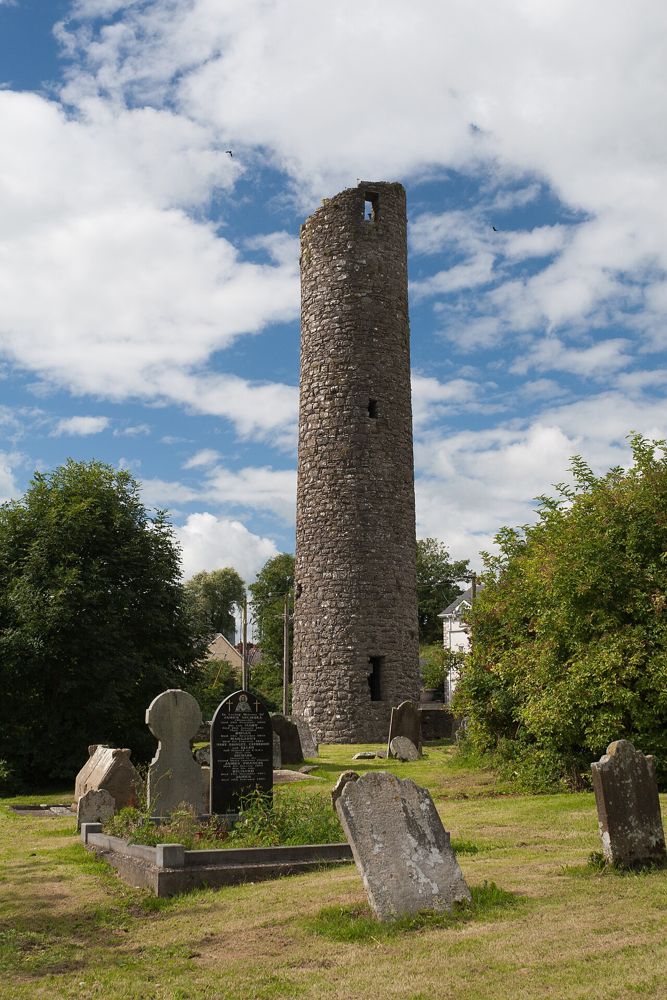
Clones Round Tower rising above the surrounding burial ground
Clones Round Tower rising above the surrounding burial ground. Source photograph; current access and conditions may differ. Resized from the credited source. Photo: Andreas F. Borchert ↗ · CC BY-SA 4.0

heritage

Clones Round Tower

Clones Round Tower is a reminder that the town’s story began long before its modern streets. Set within a burial ground, it makes a compact heritage stop that is best connected with the nearby church remains…

Open place page →
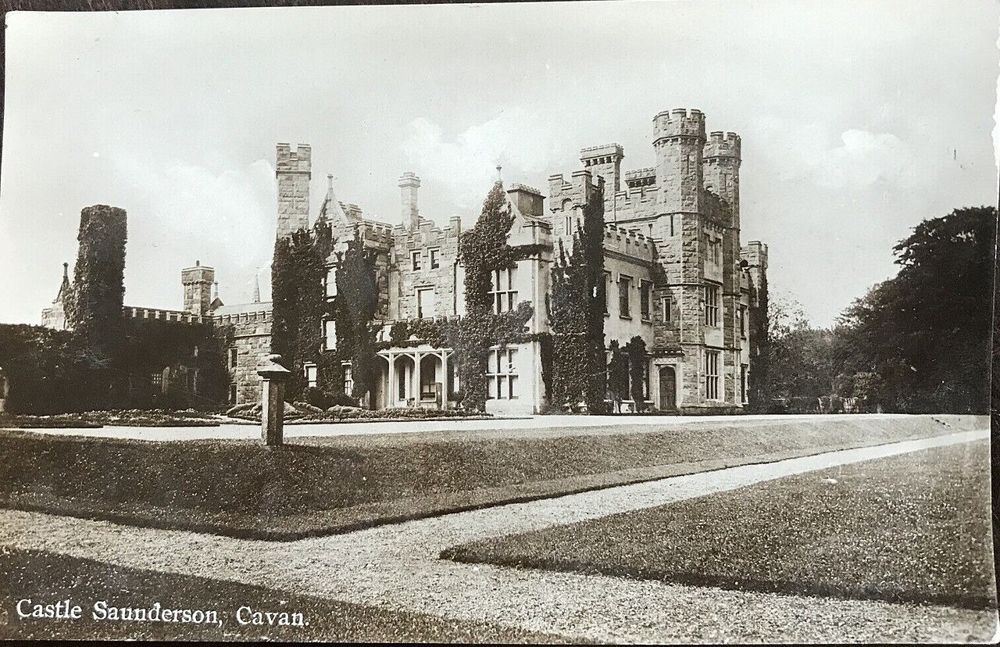
Historical postcard view of Castle Saunderson before its present ruined state
Historical postcard view of Castle Saunderson, showing the building before its present ruined state. This is not a current visitor scene. Resized from the credited source. Photo: Architecture of Dublin ↗ · Public domain

nature

Castle Saunderson Forest

Castle Saunderson is a demesne walk with a ruined house as its focal point. The Gothic outline is striking, but the surrounding woodland and riverside setting are what make the visit more than a roadside…

Open place page →
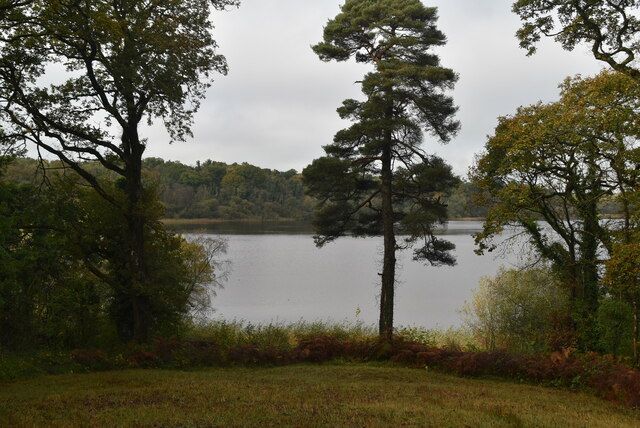
Upper Lough Erne at Crom Estate
Upper Lough Erne at Crom Estate. Credited source photograph; appearance and access may have changed. Resized from the original. Photo: N Chadwick ↗ · CC BY-SA 2.0

nature

Crom Estate

Crom is about Upper Lough Erne at a slower pace: water, mature trees, old ruins and paths that invite lingering. It is a stronger choice for a landscape day than for someone expecting a furnished castle tour.

Open place page →
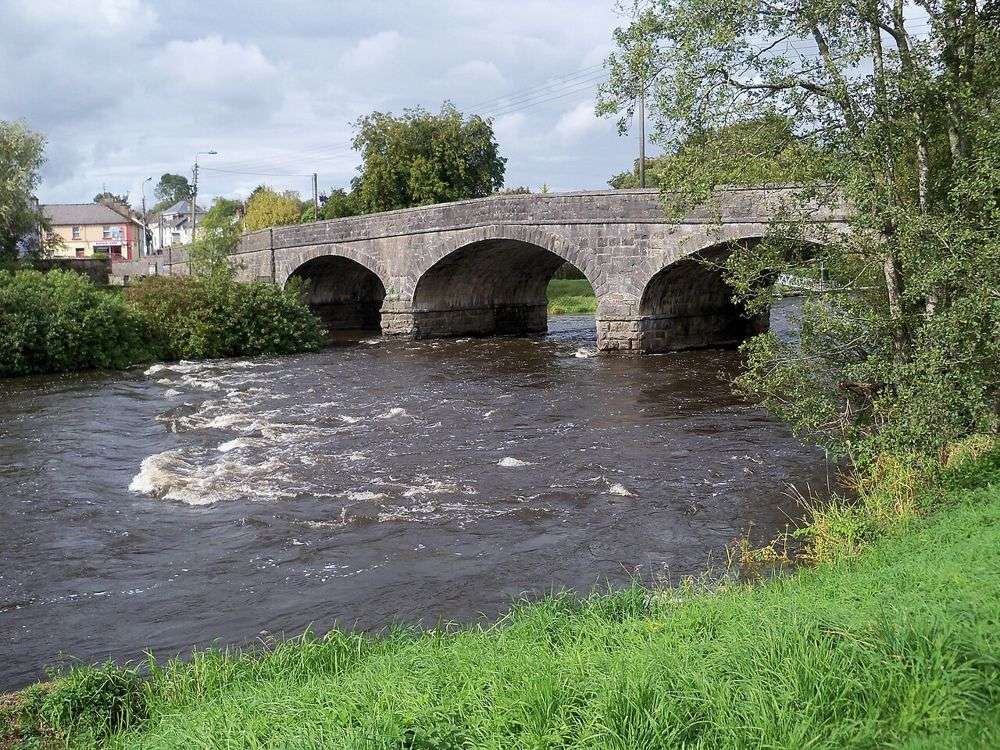
River Erne at Belturbet
River Erne at Belturbet, providing nearby riverside context for Turbet Island. This photograph does not show the island’s current walking surface or access. Resized from the credited source. Photo: Deadstar ↗ · CC BY-SA 3.0

heritage

Turbet Island

Turbet Island is a useful way to see Belturbet from the river rather than only from its main street. The surviving earthwork needs some imagination, but the water and vegetation make the walk worthwhile even…

Open place page →
Castle Balfour beyond the churchyard in Lisnaskea
Castle Balfour beyond the churchyard in Lisnaskea. Resized for display. Photo: Kenneth Allen ↗ · CC BY-SA 2.0

heritage

Castle Balfour

Castle Balfour is a substantial ruined plantation-era house in Lisnaskea, built for Sir James Balfour from about 1618. Scottish influence is visible in its surviving plan and details. The Department for…

Open place page →

External visitor reviews

Find the matching listing and reviews on Google Maps ↗

Part of a bigger journey

Location & access

Getting your bearings

Confirm museum availability directly; school and large-group visits are offered by arrangement.

54.17585, -7.23621 · Reference point; confirm the correct entrance and access. Map © OpenStreetMap contributors.

Orientation only: a verified public entrance is not established by this pin. Use the operator arrival information before travel.

Sources & place context

Browse more Ireland places →