Skip to content
TheLazyNick

heritage · Fermanagh

Castle Balfour

Castle Balfour is a substantial ruined plantation-era house in Lisnaskea, built for Sir James Balfour from about 1618. Scottish influence is visible in its surviving plan and details. The Department for Communities lists public access by arrangement, so this is a visit to organise in advance rather than an open-door castle stop.

Add to planSaved trips & places

Saved on this browser. No account needed.

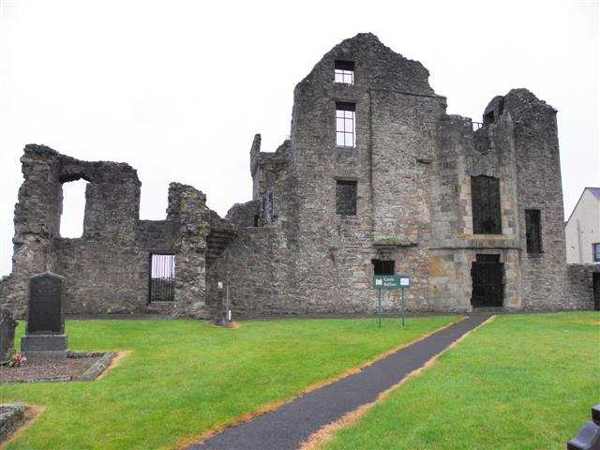
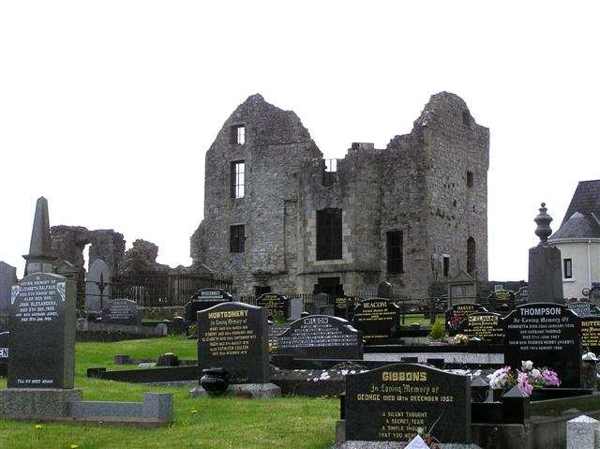
Castle Balfour beyond the churchyard in Lisnaskea
Castle Balfour beyond the churchyard in Lisnaskea. Resized for display. Photo: Kenneth Allen ↗ · CC BY-SA 2.0

From research

Is this worth your time?

Choose Castle Balfour if you enjoy reading a roofless building’s plan and architectural details. Contact the state-care team before travelling for an on-site visit, as charges may apply and access is not advertised as unrestricted. Without an arrangement, do not assume that an unlocked-looking approach gives permission to explore the ruin.

Know before you book: Public access is by arrangement with the state-care team; charges may apply.

Place highlights

What you will actually see

01

Surviving plan

The surviving building has a T-shaped plan, although a former eastern wing has disappeared. If access is arranged, compare the outline with the spaces still visible rather than expecting a complete castle. Missing sections are part of understanding the building’s history, not routes to improvise through.

02

Entrance and defence

A dressed-stone projecting entrance bay includes gun-loops, showing how domestic architecture and defensive concerns could coexist. View the details from the permitted route. Ruined openings and wall tops should be observed rather than used as steps or informal viewpoints.

03

Domestic spaces

The official description identifies vaulted ground-floor rooms, a kitchen fireplace and oven, and a corbelled stair turret. Ask which areas are included in the arranged visit. Historical descriptions explain the building but do not guarantee that every surviving room is accessible today.

The story behind the visit

The story behind the place

Sir James Balfour’s house belongs to the early-seventeenth-century plantation landscape, and its Scottish influence distinguishes it from an earlier medieval tower house. Alterations in 1652 and damage in 1689 were followed by continued occupation into the early nineteenth century. The ruin therefore represents a building changed and used over generations, rather than one abandoned immediately after a single dramatic event. Source ↗

Conservation in the twentieth century helped preserve the surviving fabric. Read the walls with that long life in mind: residential rooms above, service spaces below and defensive details around the entrance tell different parts of the same household. A visit is most useful when those relationships matter more than collecting a photograph of an empty shell. The by-arrangement access also makes preparation essential. Confirm the meeting point, permitted areas and any charge directly with the state-care team, then allow time to look carefully instead of trying to fit an uncertain stop between tightly scheduled attractions. Source ↗

Visitor information

Tickets, timing and access

Opening
Access by arrangement; no regular public opening hours are promised.Confirm with the operator ↗
Admission
Charges may apply; confirm directly.Confirm with the operator ↗
Booking
Arrange with DfC state-care enquiries before travelling.Confirm with the operator ↗
Access
Only enter areas included in the agreed visit.Confirm with the operator ↗
Duration
Allow 30–45 minutes once access is confirmed.Confirm with the operator ↗
Seasonal
Do not infer seasonal opening from older travel descriptions.Confirm with the operator ↗

Getting to the entrance

The official address is 11 Church Lane, Lisnaskea; confirm the meeting point with the access arrangement. Official visitor information ↗

Your questions, answered

Confirm current access and visitor arrangements with the operator.

Can I arrive for an unbooked interior visit?

Do not rely on that: DfC lists access by arrangement. Source ↗

Is it a furnished castle?

No. It is a conserved ruined house with surviving architectural features. Source ↗

Nearby options

Nearby places to explore

Explore other places in the area, then use live directions to plan your journey.

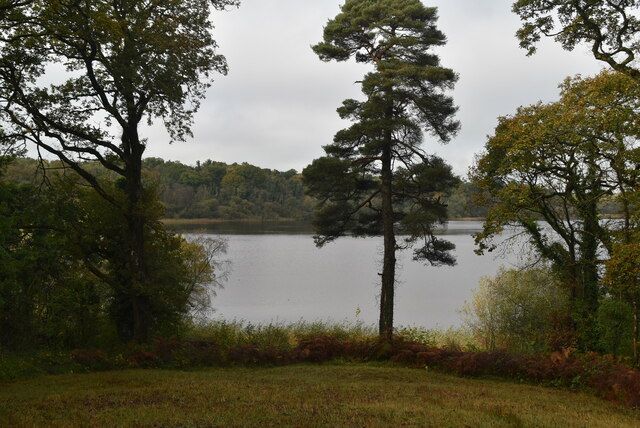
Upper Lough Erne at Crom Estate
Upper Lough Erne at Crom Estate. Credited source photograph; appearance and access may have changed. Resized from the original. Photo: N Chadwick ↗ · CC BY-SA 2.0

nature

Crom Estate

Crom is about Upper Lough Erne at a slower pace: water, mature trees, old ruins and paths that invite lingering. It is a stronger choice for a landscape day than for someone expecting a furnished castle tour.

Open place page →
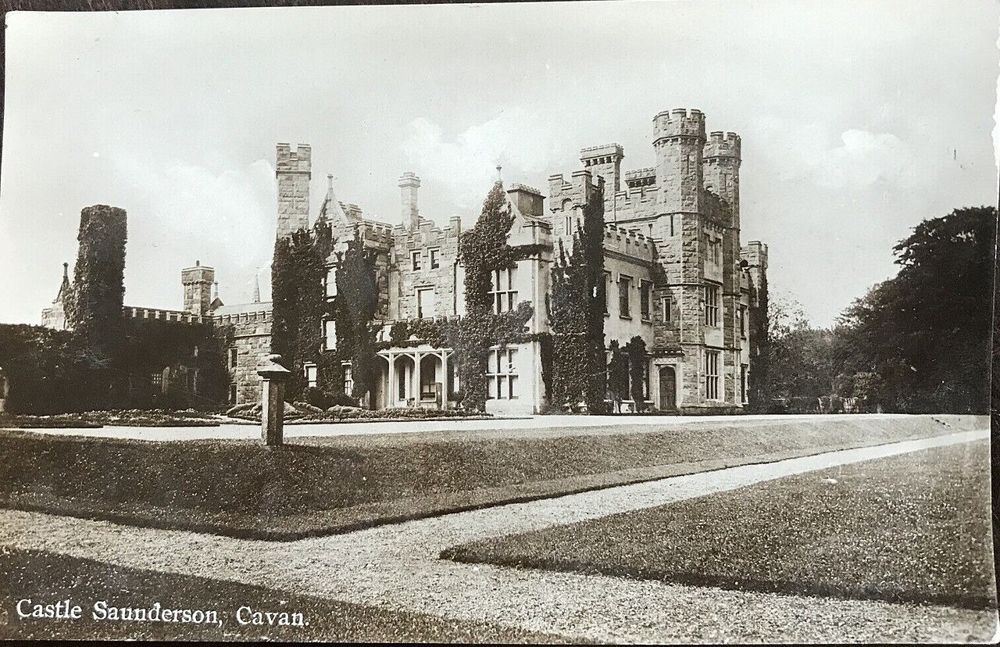
Historical postcard view of Castle Saunderson before its present ruined state
Historical postcard view of Castle Saunderson, showing the building before its present ruined state. This is not a current visitor scene. Resized from the credited source. Photo: Architecture of Dublin ↗ · Public domain

nature

Castle Saunderson Forest

Castle Saunderson is a demesne walk with a ruined house as its focal point. The Gothic outline is striking, but the surrounding woodland and riverside setting are what make the visit more than a roadside…

Open place page →
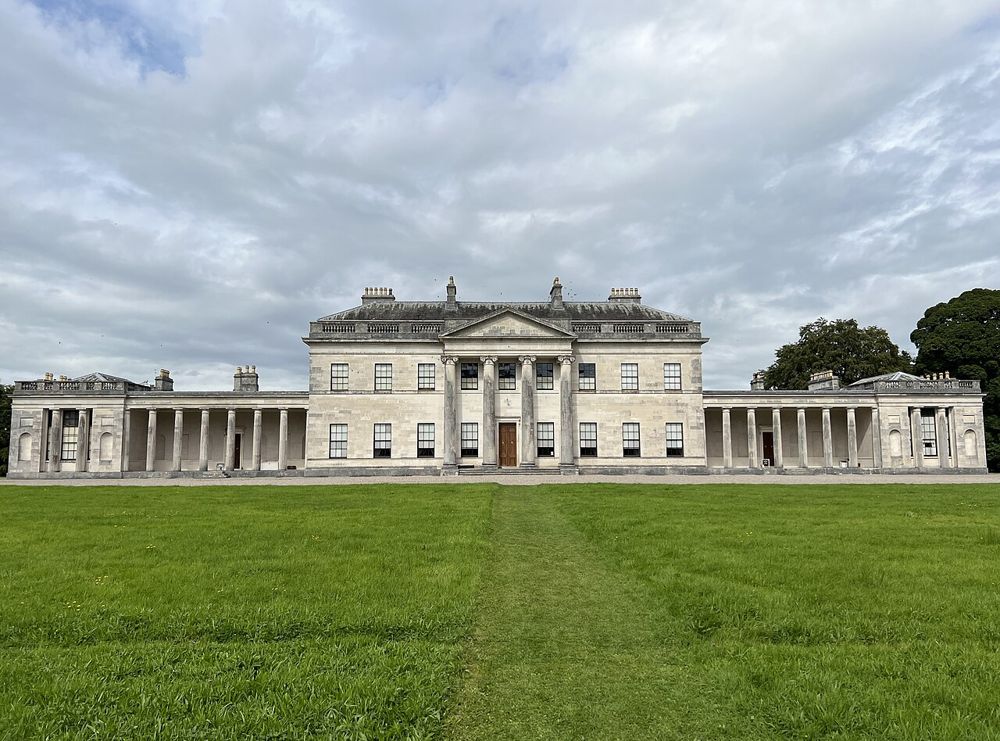
The neoclassical exterior of Castle Coole
The neoclassical exterior of Castle Coole. Credited source photograph; appearance and access may have changed. Resized from the original. Photo: Lucius Winslow ↗ · CC BY-SA 4.0

heritage

Castle Coole

Castle Coole is a country house rather than a defensive castle, and its formal architecture sets expectations for the rooms inside. The parkland adds space afterwards without needing to be the principal reason…

Open place page →
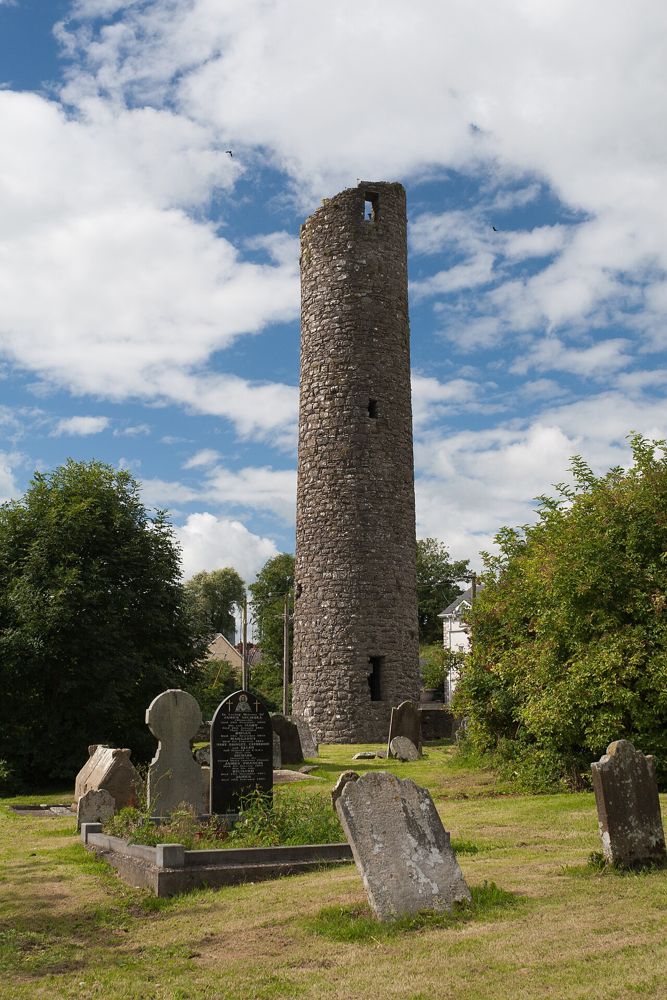
Clones Round Tower rising above the surrounding burial ground
Clones Round Tower rising above the surrounding burial ground. Source photograph; current access and conditions may differ. Resized from the credited source. Photo: Andreas F. Borchert ↗ · CC BY-SA 4.0

heritage

Clones Round Tower

Clones Round Tower is a reminder that the town’s story began long before its modern streets. Set within a burial ground, it makes a compact heritage stop that is best connected with the nearby church remains…

Open place page →
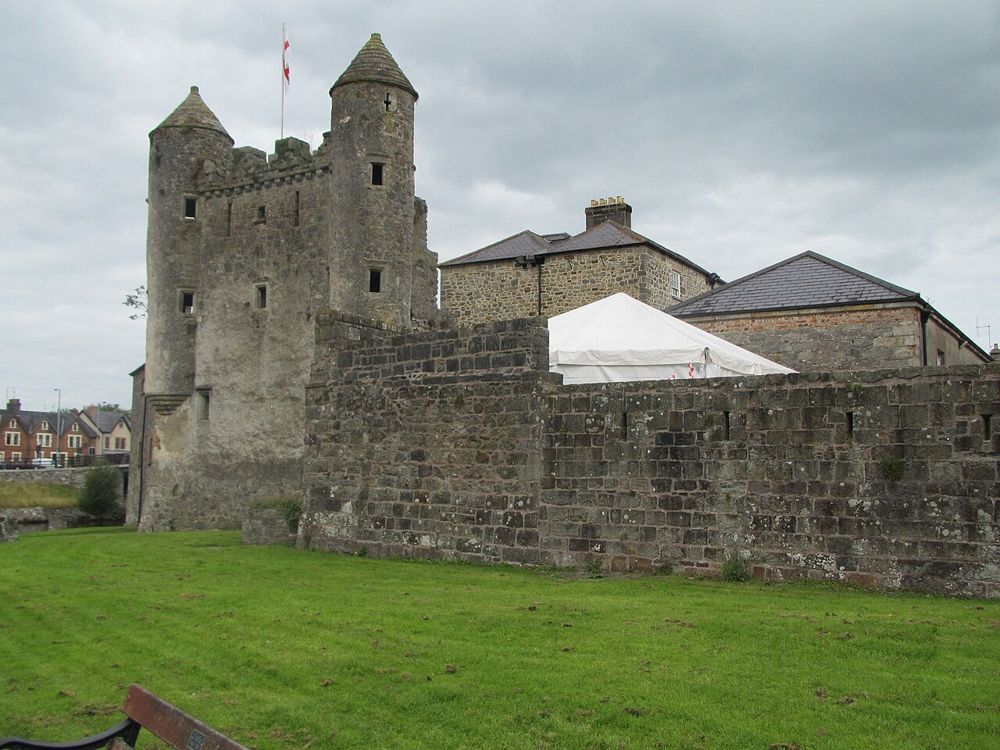
Stone walls and towers at Enniskillen Castle
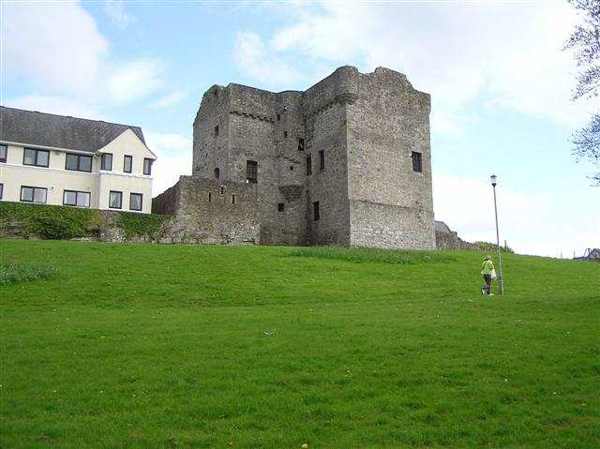
Stone walls and towers at Enniskillen Castle. Resized from the credited source; appearance and access may have changed. Photo: Romeparis ↗ · CC BY-SA 3.0

attraction

Enniskillen Castle

Enniskillen Castle gives the island town a substantial historical anchor. The waterfront buildings contain more than a picturesque exterior: county history and military collections can occupy a much fuller…

Open place page →
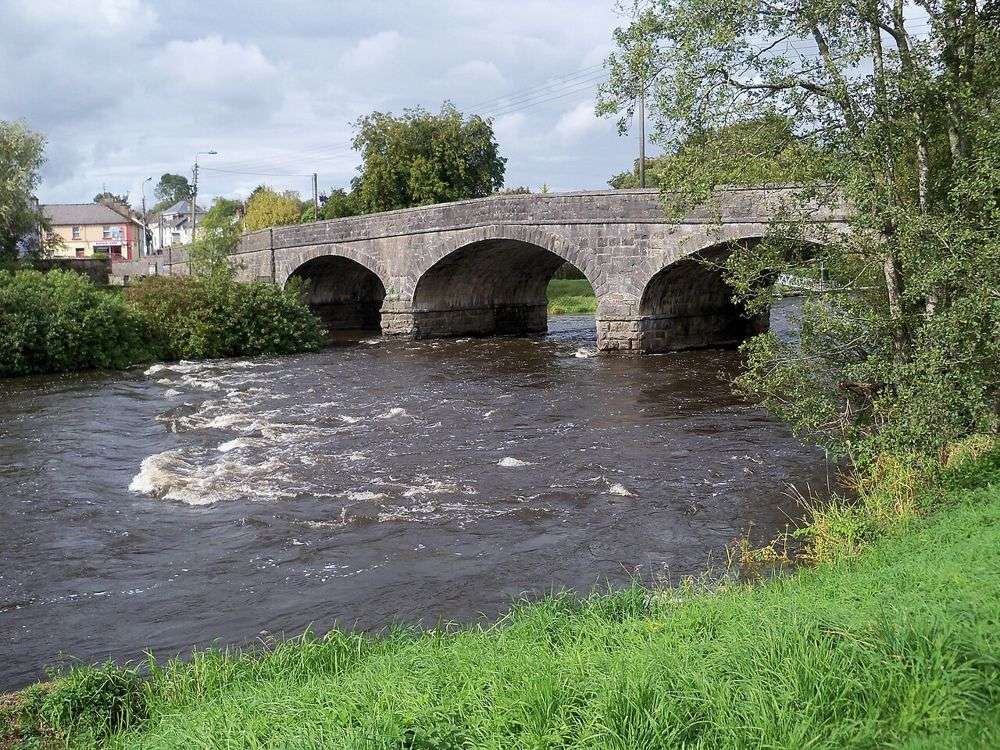
River Erne at Belturbet
River Erne at Belturbet, providing nearby riverside context for Turbet Island. This photograph does not show the island’s current walking surface or access. Resized from the credited source. Photo: Deadstar ↗ · CC BY-SA 3.0

heritage

Turbet Island

Turbet Island is a useful way to see Belturbet from the river rather than only from its main street. The surviving earthwork needs some imagination, but the water and vegetation make the walk worthwhile even…

Open place page →

External visitor reviews

Find the matching listing and reviews on Google Maps ↗

Part of a bigger journey

Location & access

Getting your bearings

Public access is by arrangement with the state-care team; charges may apply.

54.25064, -7.44517 · Reference point; confirm the correct entrance and access. Map © OpenStreetMap contributors.

Orientation only: a verified public entrance is not established by this pin. Use the operator arrival information before travel.

Sources & place context

Browse more Ireland places →