From research
Is this worth your time?
Choose this museum if original documents, print culture and personal collecting interest you. It rewards close looking more than a hurried circuit of headline objects. Follow the displayed interpretation, then concentrate on a few letters, maps or publications whose format and context help you understand the historical moment behind them.
Know before you book: The collection is much larger than the material on public display. Research access, group arrangements and any particular item request should be discussed with the team before travelling.
The story behind the visit
The story behind the place
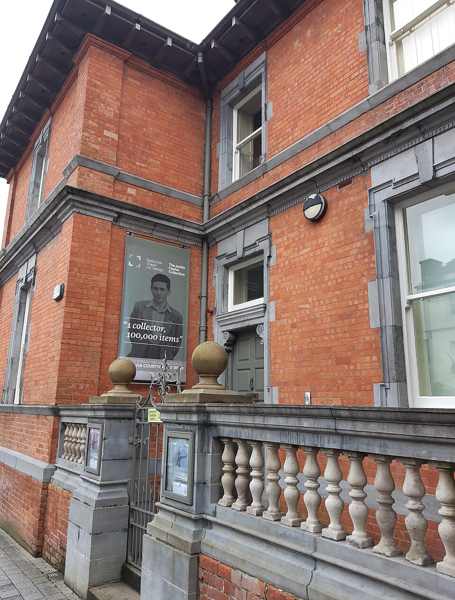
Jackie Clarke, who lived from 1927 to 2000, assembled an extensive body of Irish historical material. Fáilte Ireland describes more than 100,000 items spanning roughly four centuries, including manuscripts, books, maps, photographs and newspapers. That breadth makes the museum more than a sequence of celebrated signatures. It also offers a way to think about how ordinary printed matter becomes historical evidence when someone preserves it, groups it with related material and makes its original circumstances understandable to later readers. Source ↗
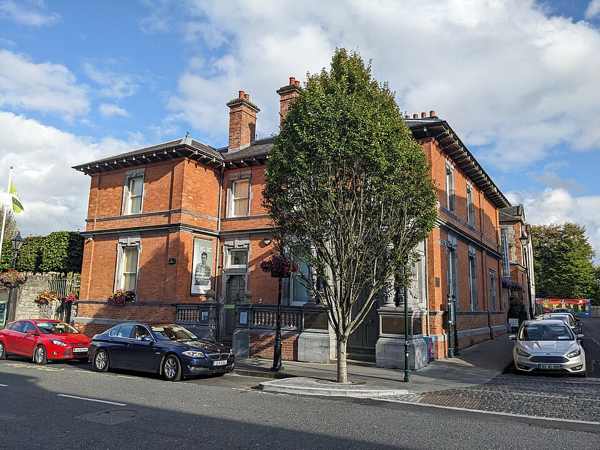
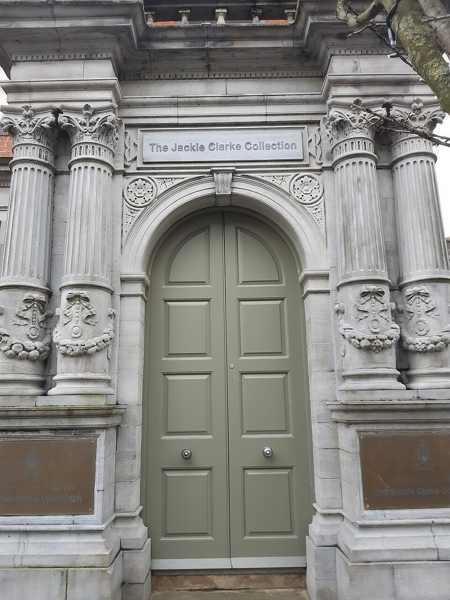
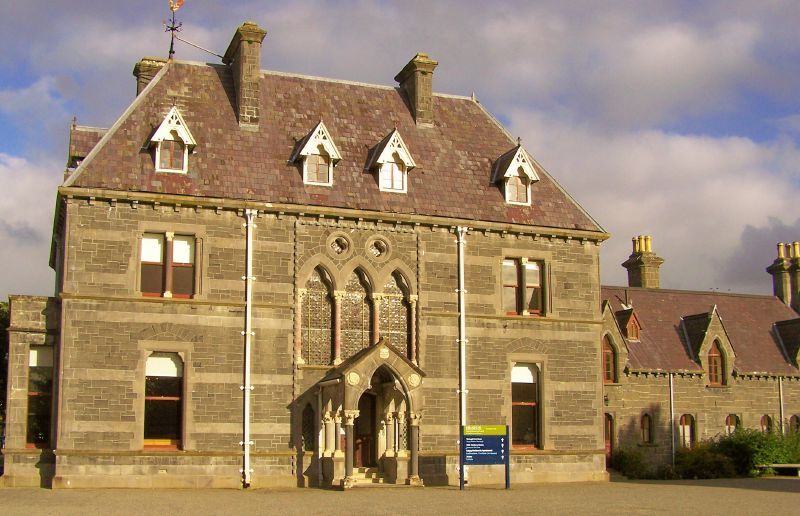
The public collection includes material associated with figures such as Michael Collins, Douglas Hyde and Michael Davitt, alongside documents connected with the revolutionary period. A name provides a useful starting point, but the strongest reading also asks who produced an item, whom it addressed and why it survived. The former bank premises add a separate architectural layer to that encounter. Together, the building and collection show how a town-centre institution can acquire a new public role while retaining traces of its earlier purpose and the individual whose collecting made the museum possible. Source ↗