From research
Is this worth your time?
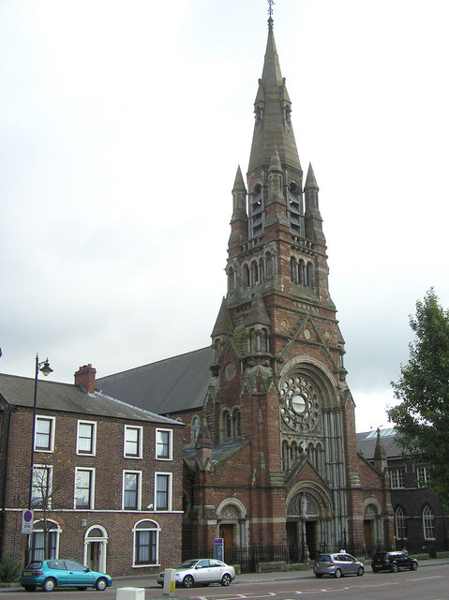
Choose St Patrick’s for a short architectural and reflective visit in the city centre. Look at the building’s scale and setting, then enter quietly if it is suitable to do so. Check with the parish if a specific interior visit is important; the church’s invitation to visitors does not turn services or private occasions into a tour.
Know before you book: Working church: respect Masses, funerals and private prayer, and confirm organised visits with the parish.
The story behind the visit
The story behind the place
The current St Patrick’s Church opened in 1877, replacing a smaller building begun in 1812 and opened in 1815. The parish remembers the later church as built through the contributions of ordinary people, describing it as the result of the pennies of the poor. Its size and prominence on Donegall Street reflect the growth of Belfast’s Catholic community during the nineteenth century. The building also had an important diocesan role, serving for much of its existence as Belfast’s Catholic pro-cathedral. Source ↗
Bishop Patrick Dorrian is buried within the church, connecting its fabric with the religious leadership of nineteenth-century Belfast. The parish’s history is nevertheless broader than a succession of prominent individuals. It includes the residents, workers and visitors who have supported worship here across generations. Today that community also encompasses students and staff of the nearby Ulster University campus. A quiet visit can hold those different periods together: the Victorian building remains in use while its surrounding district changes. Treating it as a living church makes the architectural experience more meaningful and helps preserve the atmosphere the parish offers to visitors. Source ↗