Belfast Blitz
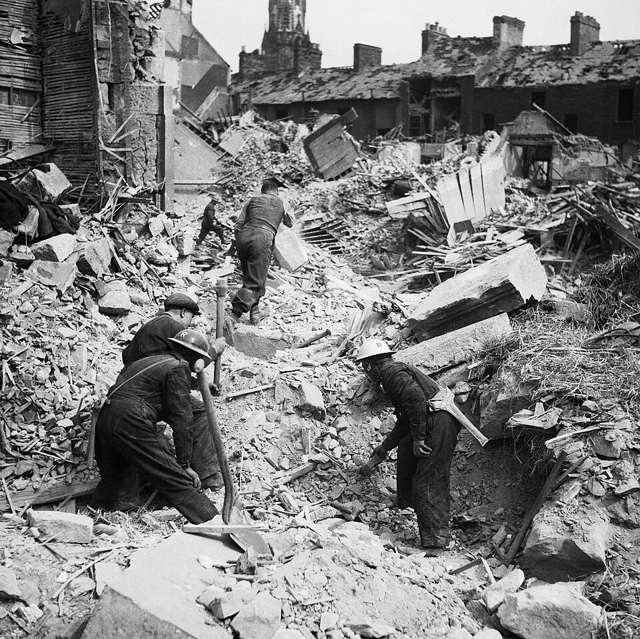
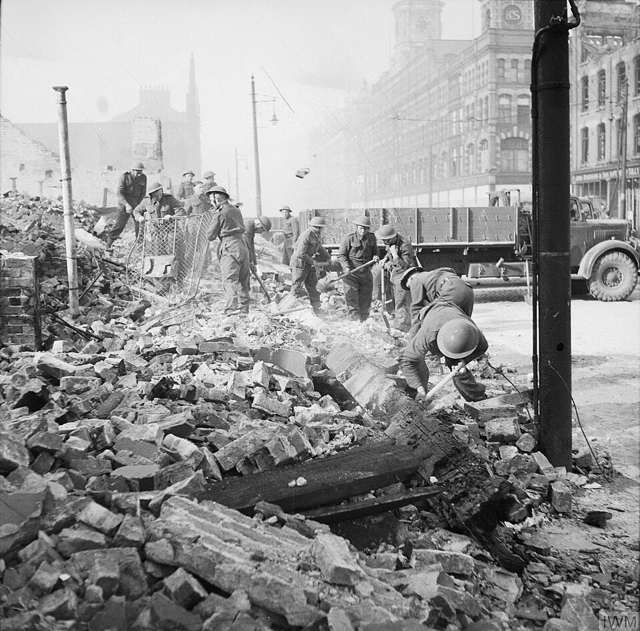
Follow the interpretation of air raids and their effects on the city. Read the human consequences alongside the wider wartime setting rather than treating the museum only as a collection of military equipment.

heritage · Antrim
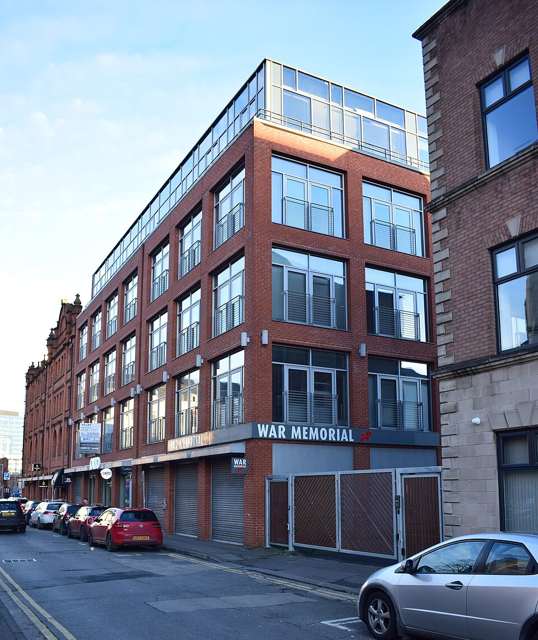
The Northern Ireland War Memorial Museum is a compact Belfast museum about the Second World War and its effects on people in Northern Ireland. Its displays connect the Belfast Blitz, wartime industry, home defence and the American presence. Free admission makes it a practical indoor addition to a Cathedral Quarter day, with time to read beyond a single military theme.
From research
Choose it for civilian as well as military history. The collection’s objects and personal accounts help bring large events down to individual experience. It is a small museum, so an attentive hour can be worthwhile; check the lunch break and exceptional closures before arriving with a tight schedule.
Know before you book: Free entry, normally Monday–Friday 10:00–16:30 and Saturday 12:00–16:00. Access information notes a usual 13:00–13:30 lunch closure; confirm the day’s arrangements.
Place highlights
Follow the interpretation of air raids and their effects on the city. Read the human consequences alongside the wider wartime setting rather than treating the museum only as a collection of military equipment.
Look for objects and stories relating to women, industry, home defence and American service personnel. These different strands show how the war affected people away from the battlefield.
Give the memorial and collection material time as well as the historical sequence. The institution’s commemorative purpose and its museum role are closely connected, but they invite different kinds of attention.
The story behind the visit
The museum interprets Northern Ireland’s role in the Second World War through objects, photographs, artworks and personal accounts. Its scope includes the Belfast Blitz, wartime industries, the Ulster Home Guard and the American presence. Following those strands together creates a broader view than a campaign history alone and gives the civilian experience an important place in the visit. Source ↗
The memorial project began with wartime fundraising and developed into a building and later museum institution. The current Talbot Street location continues both remembrance and historical interpretation. That dual role is useful to keep in mind when looking at objects: some preserve evidence of daily life, while others participate in commemorating those who died. A measured visit can make room for both, without assuming that a compact gallery needs to be rushed. Personal stories are a useful thread through these displays, connecting the wider wartime narrative with the choices and experiences of particular people. Source ↗
Visitor information
Find the museum at 21 Talbot Street in Belfast, BT1 2LD. It is a separate museum from the city’s other military and local-history collections; use its own entrance buzzer. Official visitor information ↗
Confirm current access and visitor arrangements with the operator.
Ordinary admission is free without booking; groups and specialised access tours should be arranged ahead. Source ↗
The operator lists level entry and gallery access, with an automatic main door and buzzer assistance. Source ↗
Nearby options
Explore other places in the area, then use live directions to plan your journey.
heritage
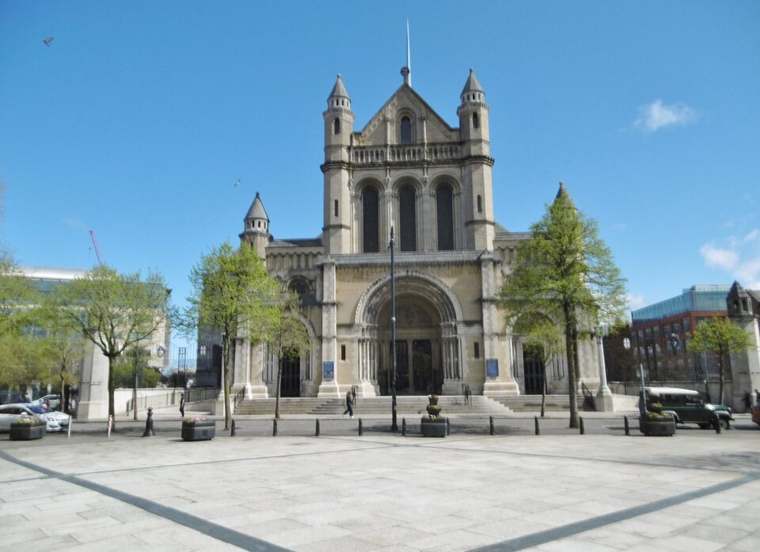
St Anne’s combines a working place of worship with a collection of mosaics, carved stone and memorial art. Its Spire of Hope is the obvious exterior landmark, but the interior rewards slower attention to the…
Open place page →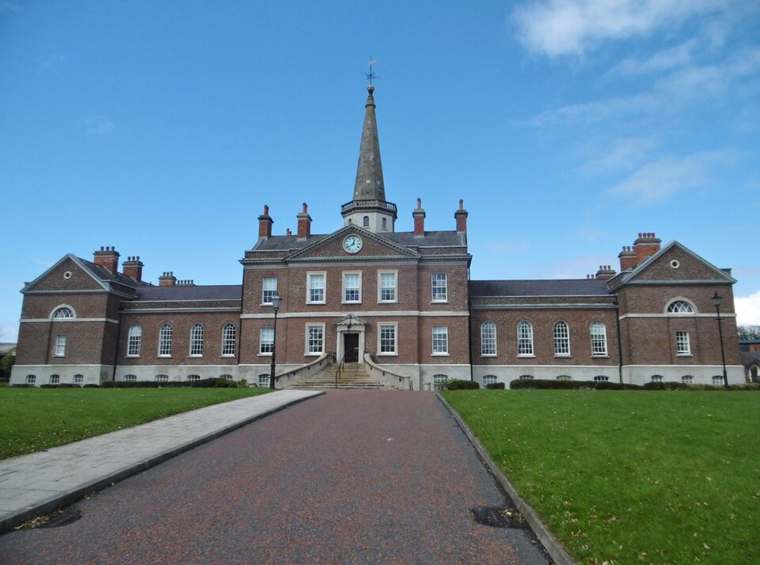
heritage
Clifton House tells a different Belfast story through the former Poor House, opened in 1774. Tours connect the Georgian building with the people who sought help there and the work of Mary Ann McCracken. The…
Open place page →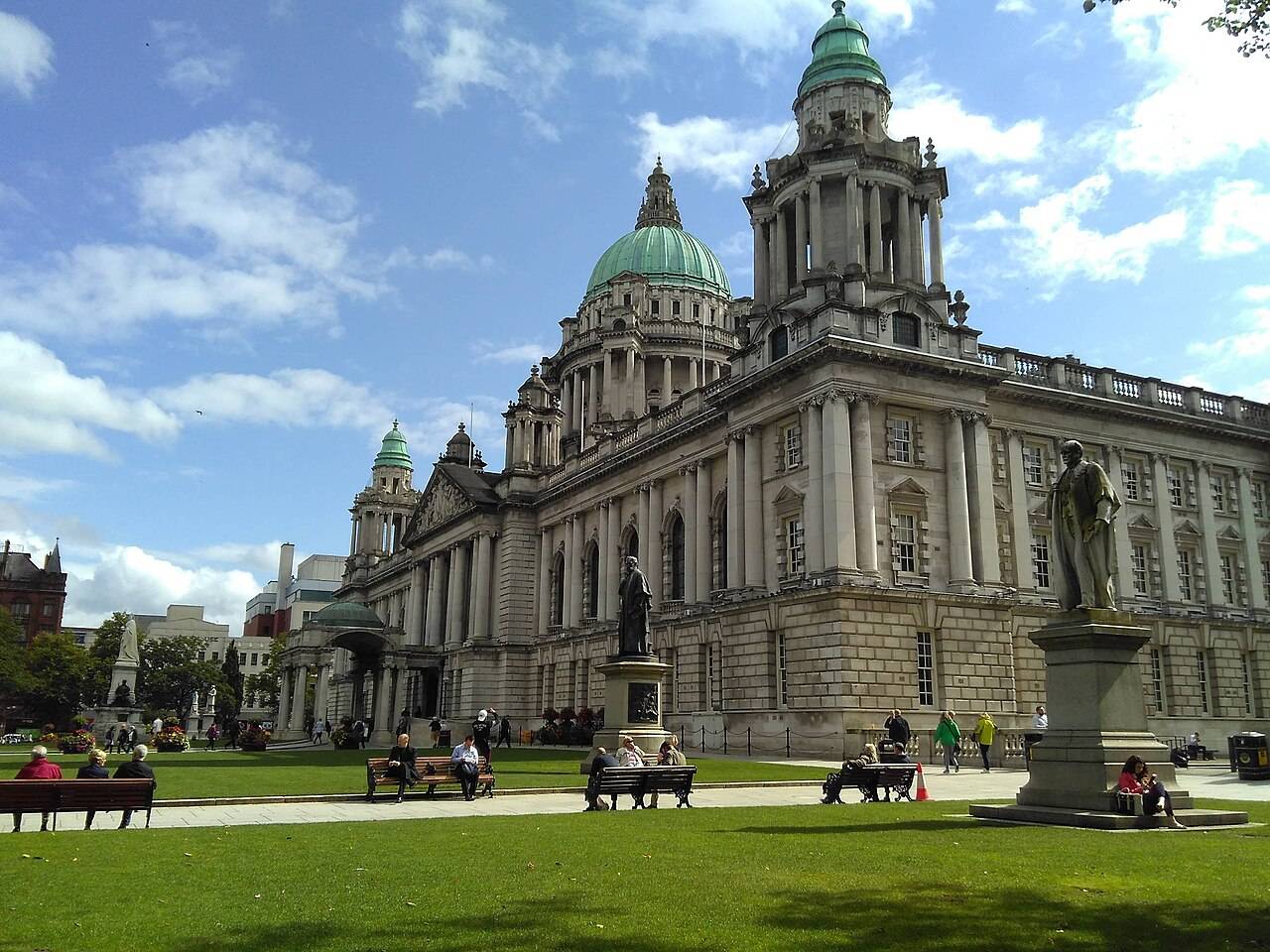
city
Belfast works best as a set of neighbourhood choices, with the city centre, Titanic Quarter and other areas each needing their own time rather than one sprawling checklist.
Open place page →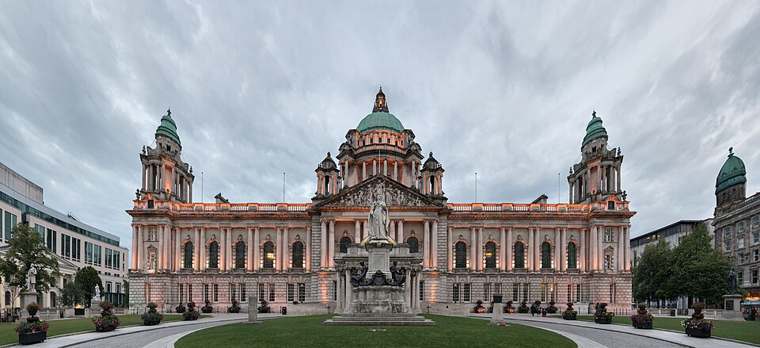
heritage
City Hall gives Belfast’s civic history an architectural setting: a Portland-stone landmark completed in 1906, with marble interiors and portraits encountered on its guided route. Choose between a tour of the…
Open place page →
heritage
The Royal Ulster Rifles Collection is currently displayed at UNTOLD’s Belfast museum on Bedford Street. It is the present visitor route for material associated with the former Royal Ulster Rifles Museum, so…
Open place page →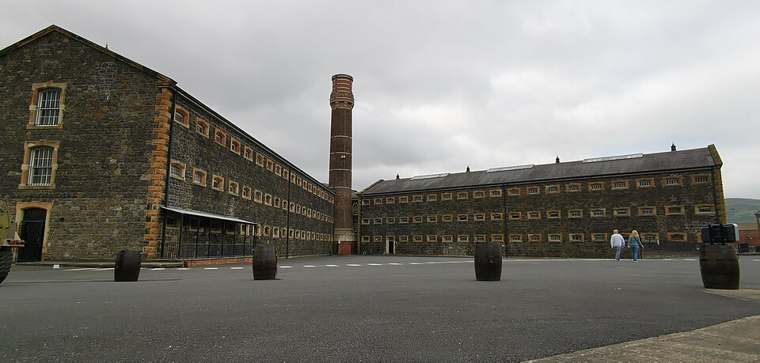
heritage
Crumlin Road Gaol interprets imprisonment inside the former Belfast prison, using original spaces alongside audiovisual displays. The current standard experience is self-guided, so visitors can pause at the…
Open place page →Location & access
Free entry, normally Monday–Friday 10:00–16:30 and Saturday 12:00–16:00. Access information notes a usual 13:00–13:30 lunch closure; confirm the day’s arrangements.
54.60243, -5.92803 · Reference point; confirm the correct entrance and access. Map © OpenStreetMap contributors.
Orientation only: a verified public entrance is not established by this pin. Use the operator arrival information before travel.