The story behind the visit
Charity, care and the people of the Poor House
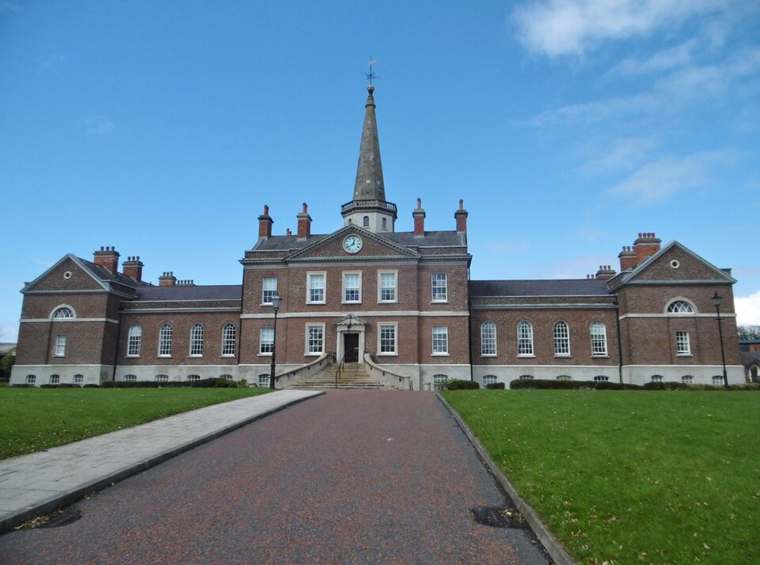
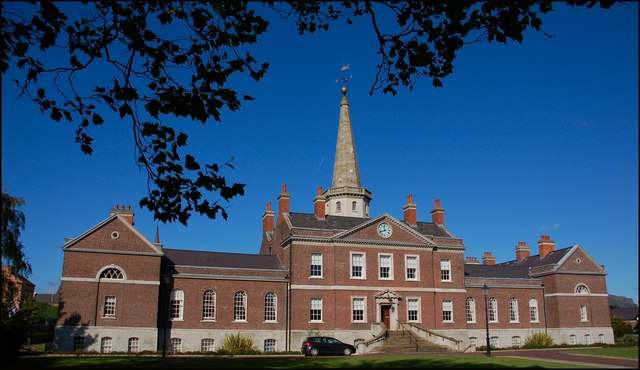
Belfast Charitable Society opened the Poor House in 1774, bringing accommodation and care into one institution. Clifton House’s Georgian appearance can initially suggest a private residence, but its purpose was different. Its archives and artefacts preserve traces of residents, medical care and the administration of charity. The building therefore offers a way to examine who received assistance and how the growing town tried to respond to poverty. Source ↗
Mary Ann McCracken’s work brings individual agency into that institutional story. The house’s account describes the Ladies Committee pressing for education, practical training and better conditions. An infant school was established despite resistance. Such episodes show that charitable provision was not a fixed system accepted by everyone involved: it was shaped by argument, labour and reform, including the work of women whose influence could exceed their formal authority. Source ↗