From research
Is this worth your time?
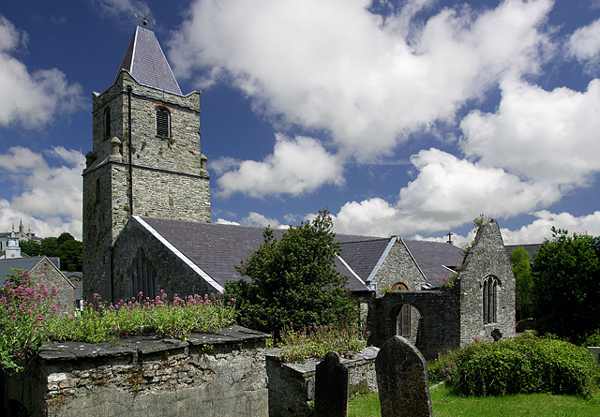
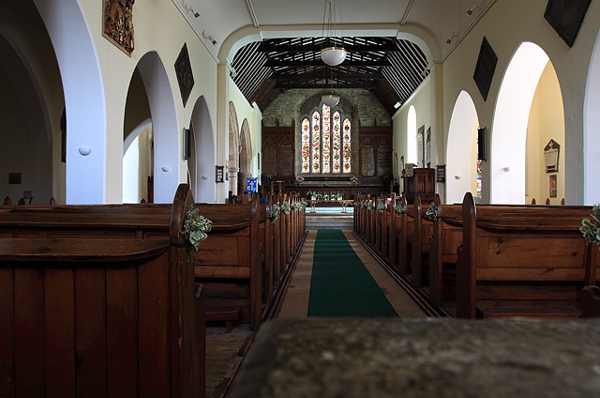
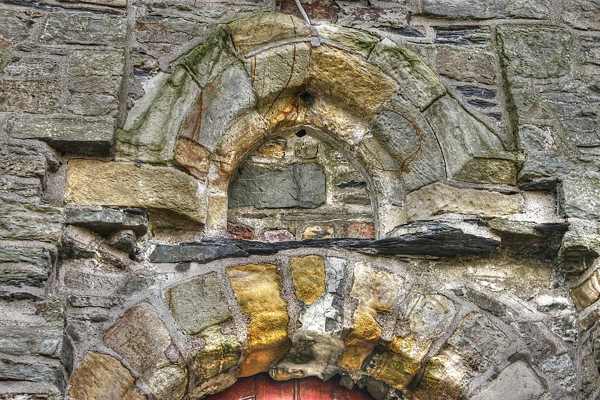
Choose St Multose if you want to connect a living church with Kinsale’s longer history. Begin with the tower and exterior, then use the information panels inside when access permits. The building rewards attention to different periods, from older masonry to later windows and furnishings, rather than a search for one unchanged medieval interior.
Know before you book: The parish gives winter opening as 10:00–16:00, subject to worship and local arrangements. A visit to the church does not include climbing the bell tower or entering private rooms.
The story behind the visit
The story behind the place
St Multose traces its church history to the medieval period, while the parish account makes clear that improvements and additions continued for centuries. The bell tower preserves an important early element with a later upper stage, and substantial nineteenth-century rebuilding altered the roof and floor. This sequence matters when looking at a long-lived church: the current building is evidence of continued use and adaptation, not a sealed architectural object that stopped changing at its foundation. Source ↗
Memorials and furnishings connect the church with people and events in Kinsale’s history. The parish also records its association with the proclamation of Charles II during the seventeenth-century political conflict. Those episodes sit alongside the ordinary continuing role of worship, which remains central to the present building. A heritage visit is therefore one use among several, and the parish explicitly asks visitors to respect service times. Look at the historic fabric and interpretation when appropriate, while recognising that quiet, temporary closure or a change in access can be part of caring for a functioning church rather than an interruption to a museum programme. Source ↗