Tower-house remains
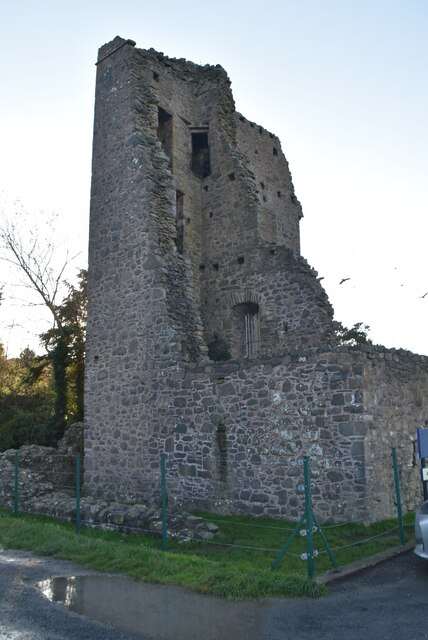
Look at the scale of the surviving tower and the visible floor divisions. Its present height and gaps are the result of ruin, so an original four-storey building should not be mistaken for four visitor-accessible levels.

heritage · Down
Sketrick Castle is a ruined tower house on an island at the edge of Strangford Lough. Its substantial surviving walls and enclosure traces reward a short, close look, while the waterfront setting helps explain the practical concerns of an island residence. The site is publicly accessible without charge, subject to conservation restrictions.
From research
Choose it for a compact stop on a Strangford Lough day rather than a complete castle tour. Study the ground-level fabric and the relationship with the water. The ruined upper floors and spring-related features can be interpreted from safe viewpoints without entering restricted spaces or treating the island’s private land as public grounds.
Know before you book: Outdoor ruin with free public access, subject to works. Keep to the monument’s authorised route and respect the island’s surrounding private property.
Place highlights
Look at the scale of the surviving tower and the visible floor divisions. Its present height and gaps are the result of ruin, so an original four-storey building should not be mistaken for four visitor-accessible levels.
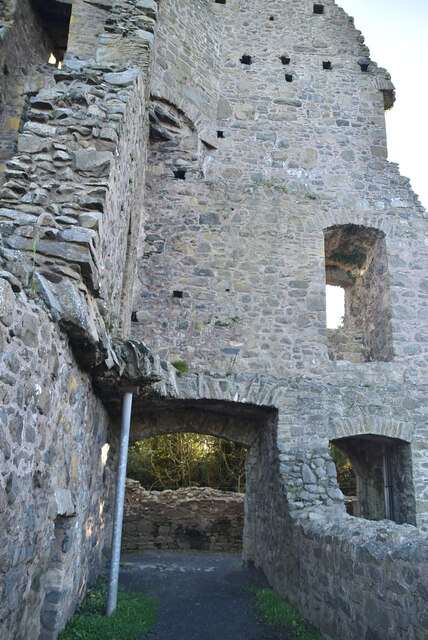
Where visible from the permitted route, compare the ground-floor openings and vaulting. Their different forms help explain a building with storage and practical functions as well as living accommodation.
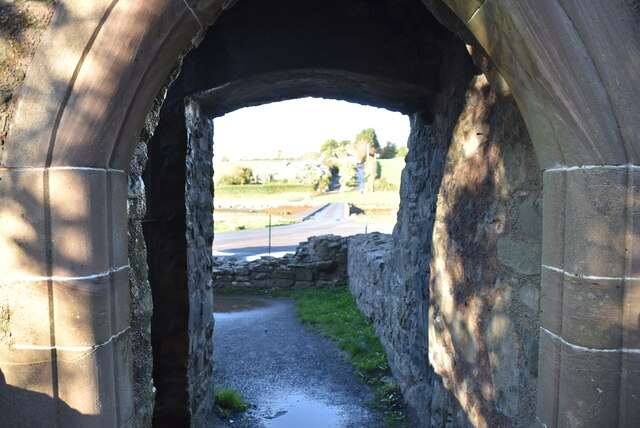
Read the surviving bawn walls in relation to the lough setting. Water supply and access mattered to this residence, but visitors should stay on the public monument route rather than exploring closed channels or chambers.
The story behind the visit
Written evidence records a castle involved in warfare here in 1470, but the Department for Communities suggests the present tower may be a later building on earlier foundations. It remained relatively complete until a major storm caused collapse in 1896. Keeping those different dates in view helps explain why the ruins do not represent one unchanged medieval structure. Source ↗
The lower rooms included different vault forms, ovens and a space interpreted as a boat bay or storeroom. The authority also records surviving enclosure wall and a channel associated with a freshwater spring. These practical details make the castle more than a picturesque shell. Look for them from safe public ground, while leaving uncertain room functions as interpretations rather than firm labels for every surviving space. Observation works best when the visitor distinguishes what is physically visible from the interpretation offered for a room whose original fittings have disappeared. Source ↗
Visitor information
Use the public approach to Sketrick Island near Killinchy, BT23 6QH. Keep the road and neighbouring access clear; admission to the monument does not extend across the whole island. Official visitor information ↗
Confirm current access and visitor arrangements with the operator.
No. The upper parts are badly ruined; follow only the permitted visitor route. Source ↗
No. Public monument access does not imply access to surrounding private property. Source ↗
Nearby options
Explore other places in the area, then use live directions to plan your journey.
heritage
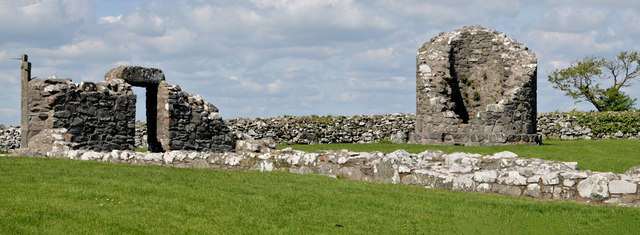
Nendrum is an early ecclesiastical site on Mahee Island in Strangford Lough, with surviving enclosure walls, church remains and the base of a round tower. Its interest lies in the organisation of the whole…
Open place page →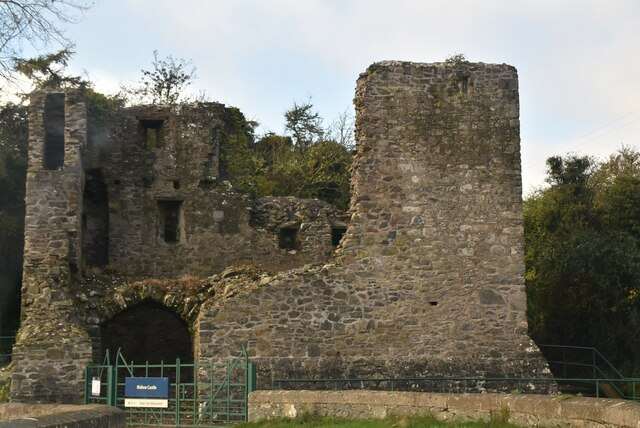
heritage
Mahee Castle is a small ruined tower house on Mahee Island, near the earlier ecclesiastical remains at Nendrum. It offers a different historical layer: a compact later residence with surviving ground-floor…
Open place page →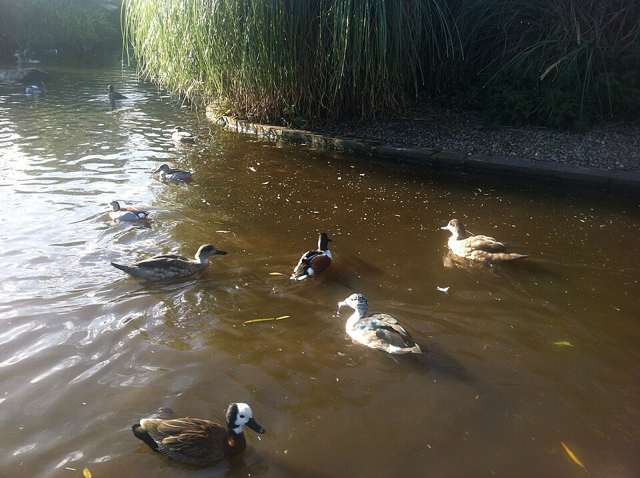
nature
Castle Espie is a WWT wetland centre on Strangford Lough, combining a managed wildlife collection with reserve paths and places to watch wild birds. It offers a nature-focused day with indoor facilities at the…
Open place page →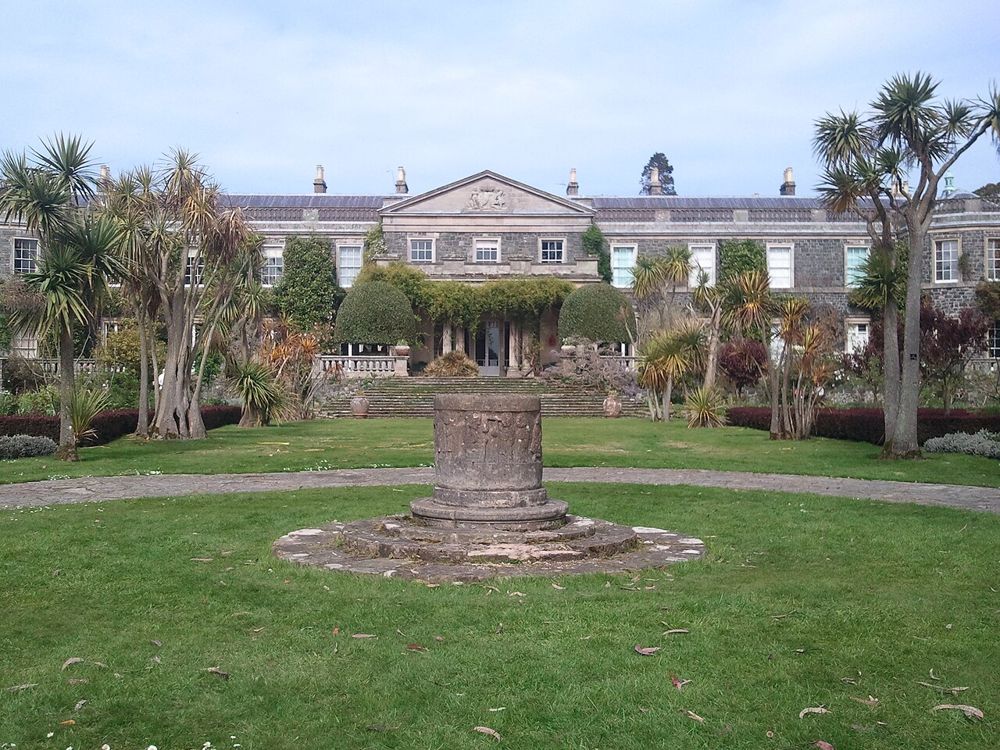
heritage
Mount Stewart works best when the garden and house are allowed to complement each other. Formal planting, the lake and wooded walks create several moods rather than one viewpoint beside a mansion.
Open place page →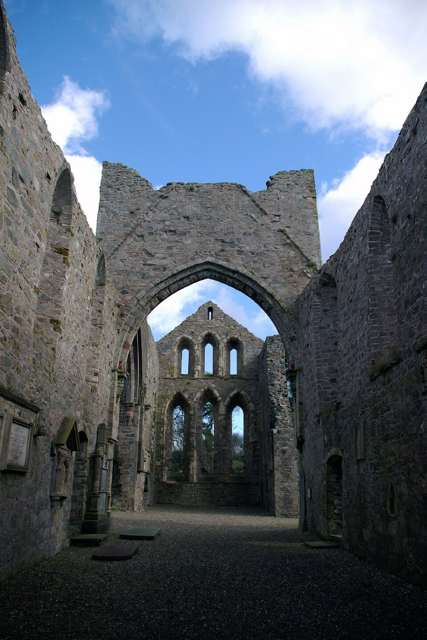
heritage
Grey Abbey is a ruined Cistercian monastery on the edge of Greyabbey village, where surviving church walls and the traces of cloister buildings make the medieval plan readable. Its parkland setting adds to the…
Open place page →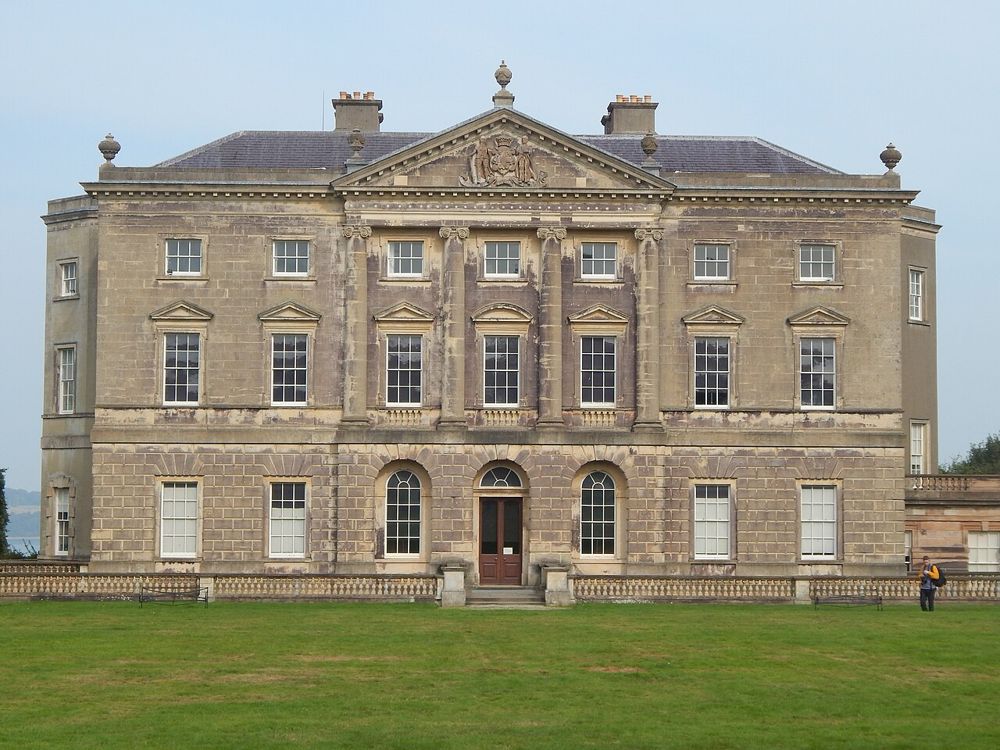
heritage
Castle Ward rewards visitors who notice differences: the house presents contrasting architectural faces, while its estate stretches towards Strangford Lough. The better visit leaves room for both the domestic…
Open place page →Location & access
Outdoor ruin with free public access, subject to works. Keep to the monument’s authorised route and respect the island’s surrounding private property.
54.48820, -5.64809 · Reference point; confirm the correct entrance and access. Map © OpenStreetMap contributors.
Orientation only: a verified public entrance is not established by this pin. Use the operator arrival information before travel.