Abbey church
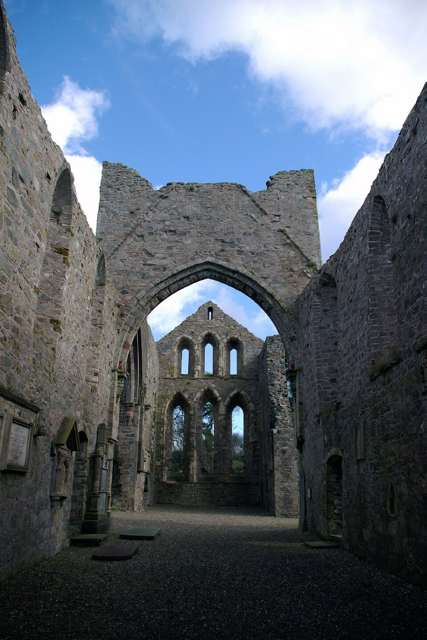
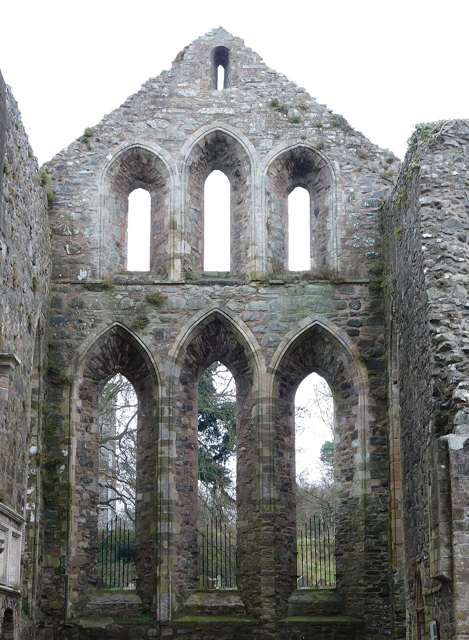
Start with the church’s surviving form and the scale of its walls. The architecture is central to understanding the monastery, even though roofs and many fittings have long disappeared.

heritage · Down
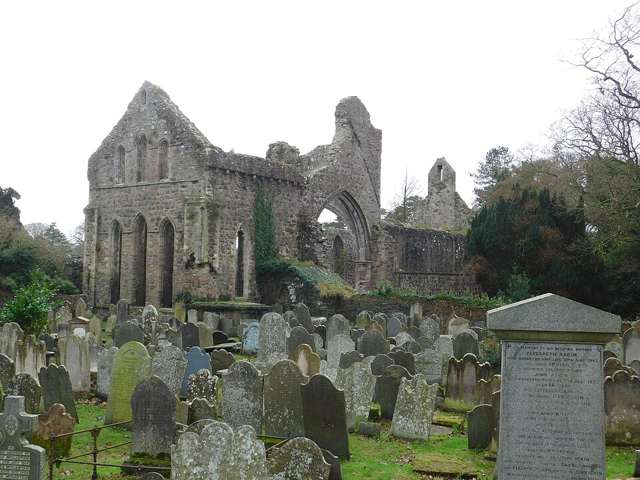
Grey Abbey is a ruined Cistercian monastery on the edge of Greyabbey village, where surviving church walls and the traces of cloister buildings make the medieval plan readable. Its parkland setting adds to the atmosphere, but the main interest is the architecture and the story of a religious community that changed use over several centuries.
From research
Choose this for a compact medieval-heritage stop on the Ards Peninsula. A slow circuit is more rewarding than one photograph of the church: look for the relationship between the nave, cloister and buildings to the south. Keep the ruined abbey distinct from neighbouring private house and grounds.
Know before you book: The open monument and the small visitor information centre have different arrangements; do not expect an indoor exhibition at every arrival.
Place highlights
Start with the church’s surviving form and the scale of its walls. The architecture is central to understanding the monastery, even though roofs and many fittings have long disappeared.
Look south of the church for the cloister and associated buildings. Reading their position helps reconstruct how worship and the practical work of a religious community shared the same site.
The nave later served parish worship. That later chapter is part of the building’s history, so the ruins should not be read as a site frozen at the moment of medieval foundation. A circuit that follows the building plan gives the remains more meaning than a single distant photograph.
The story behind the visit
Affreca, wife of John de Courcy, founded the monastery in 1193 as a daughter house of Holm Cultram in Cumbria. The Department for Communities identifies Grey Abbey and Inch Abbey as leading examples of Anglo-Norman Cistercian architecture in Ulster. The surviving church, cloister and buildings south of it provide evidence of the community’s planned religious and domestic environment. Source ↗
The abbey declined in the late Middle Ages and was dissolved in 1541. In the early seventeenth century it was granted to Sir Hugh Montgomery; the nave was adapted for parish worship and continued in that role into the eighteenth century. This later use explains why a single monument can contain more than one historical story. The visitor route is through the heritage site, not an invitation into the neighbouring Rosemount property. Recognising change is part of reading the ruins: the same walls can carry evidence of monastic life, later parish use and the subsequent conservation of the site. Source ↗
Visitor information
The abbey is on Main Street at the east side of Greyabbey, on the A2 Portaferry Road. Use the official visitor parking and respect neighbouring property boundaries. Official visitor information ↗
Confirm current access and visitor arrangements with the operator.
No. The abbey visit does not confer access to neighbouring private property. Source ↗
The regional listing gives limited weekend hours; confirm before relying on it. Source ↗
Nearby options
Explore other places in the area, then use live directions to plan your journey.
heritage
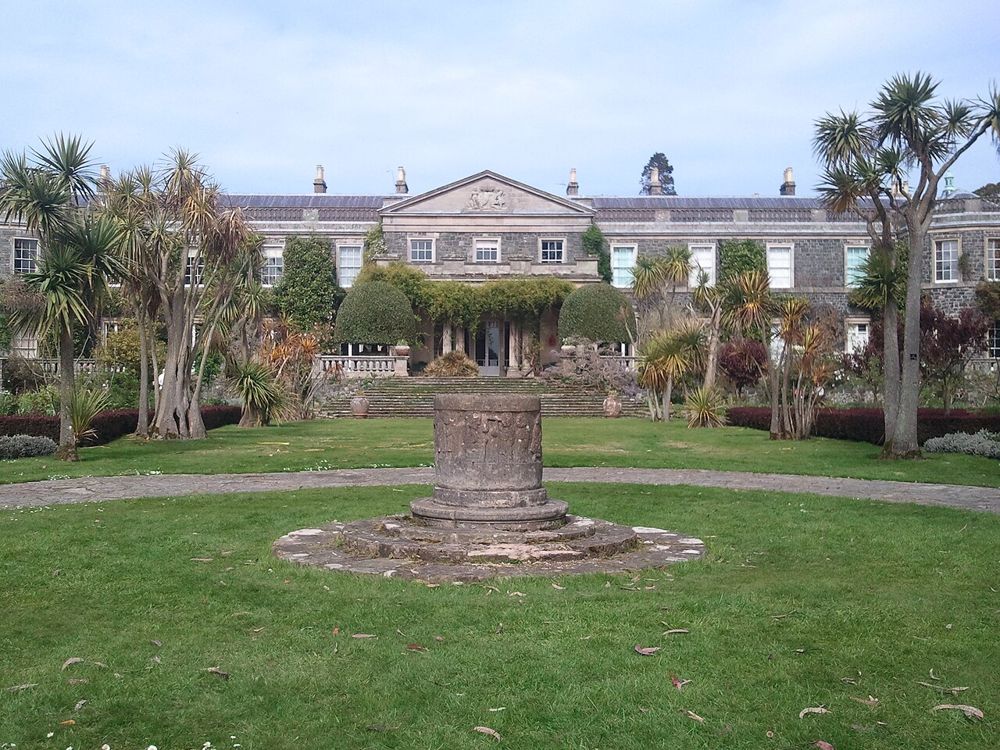
Mount Stewart works best when the garden and house are allowed to complement each other. Formal planting, the lake and wooded walks create several moods rather than one viewpoint beside a mansion.
Open place page →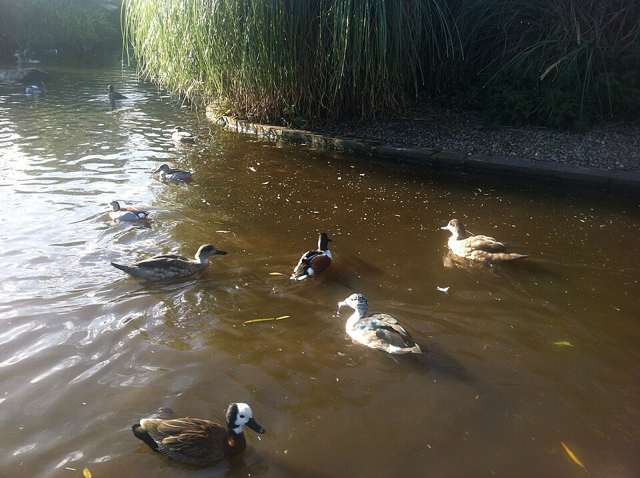
nature
Castle Espie is a WWT wetland centre on Strangford Lough, combining a managed wildlife collection with reserve paths and places to watch wild birds. It offers a nature-focused day with indoor facilities at the…
Open place page →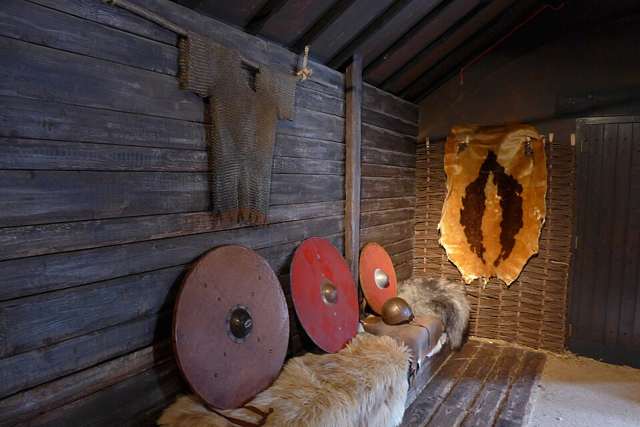
heritage
North Down Museum tells the history of Bangor and its surrounding area from a compact setting behind Bangor Castle. Its galleries occupy former service spaces of the castle complex, including laundry,…
Open place page →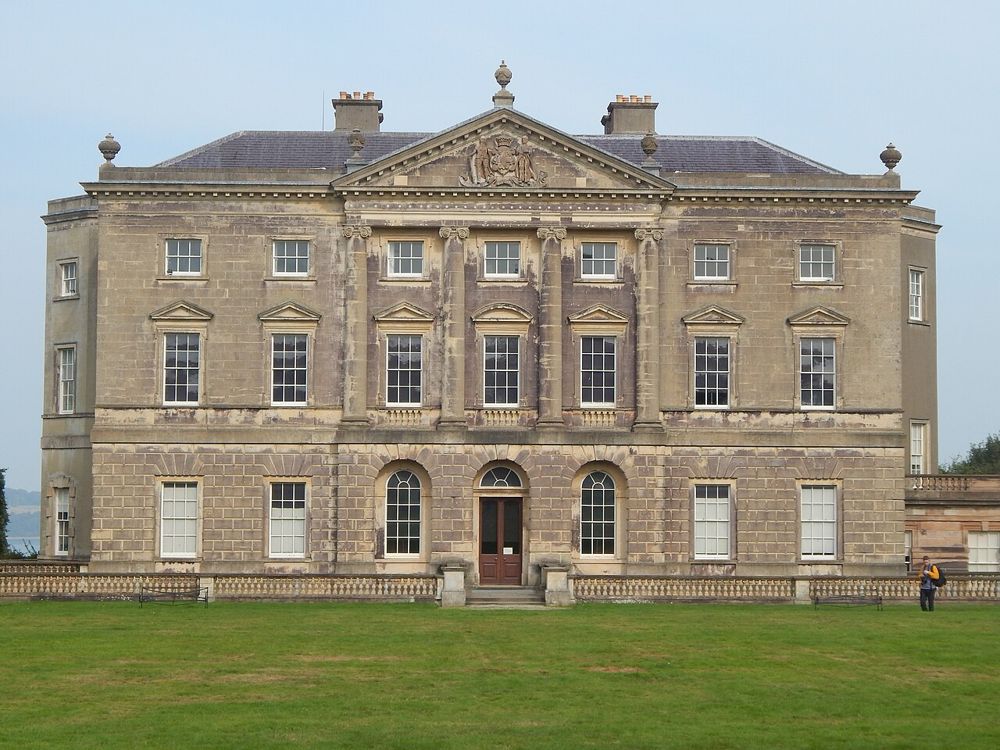
heritage
Castle Ward rewards visitors who notice differences: the house presents contrasting architectural faces, while its estate stretches towards Strangford Lough. The better visit leaves room for both the domestic…
Open place page →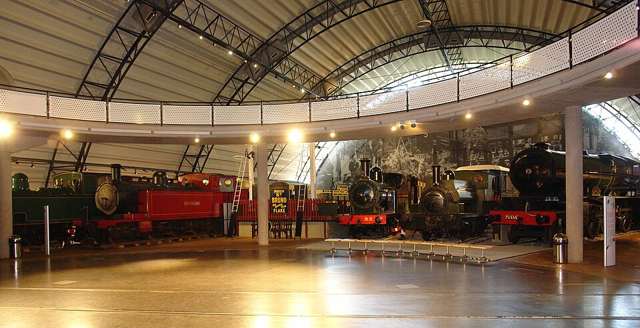
heritage
Ulster Transport Museum brings rail vehicles, transport design and local innovation together at Cultra. It is a separate visitor attraction from Ulster Folk Museum, with its own admission. The collection suits…
Open place page →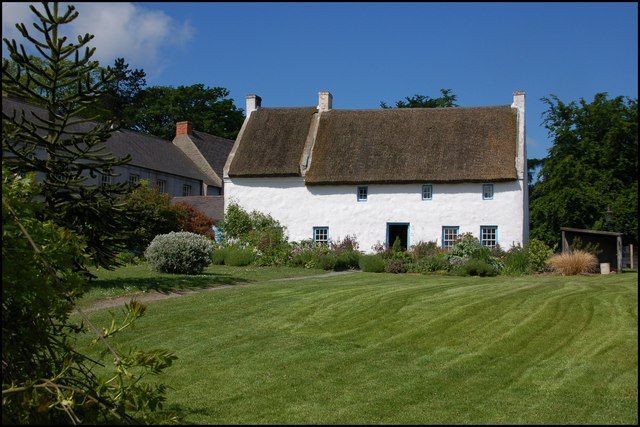
attraction
The Ulster Folk Museum is most rewarding when you treat its reconstructed streets and rural buildings as places to linger. Everyday objects make more sense when a demonstrator explains how they were used.
Open place page →Location & access
The open monument and the small visitor information centre have different arrangements; do not expect an indoor exhibition at every arrival.
54.53701, -5.55518 · Reference point; confirm the correct entrance and access. Map © OpenStreetMap contributors.
Orientation only: a verified public entrance is not established by this pin. Use the operator arrival information before travel.