From research
Is this worth your time?
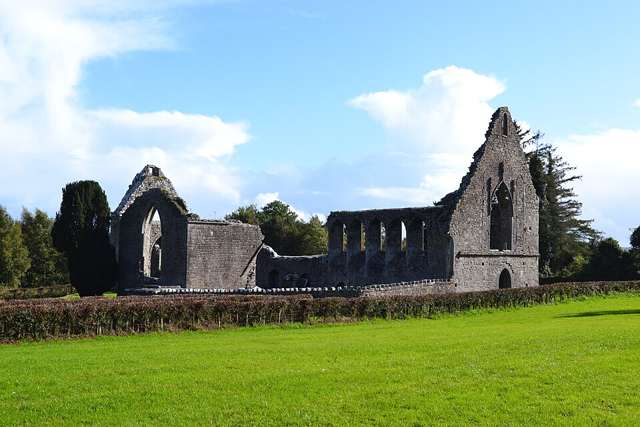
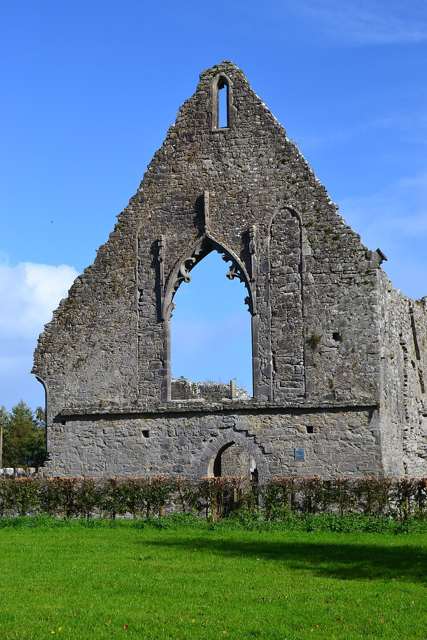
Choose it for carved stone, a royal association and the architectural history of a mendicant church. Allow time to look beyond the tomb at the whole building. The open ruin has no furnished interior or tower climb, and the most useful visit follows the permitted route without touching fragile carved surfaces.
Know before you book: Unguided outdoor National Monument, free to visit. Observe carved stone without touching or climbing it, and follow any temporary conservation barriers.
The story behind the visit
The story behind the place
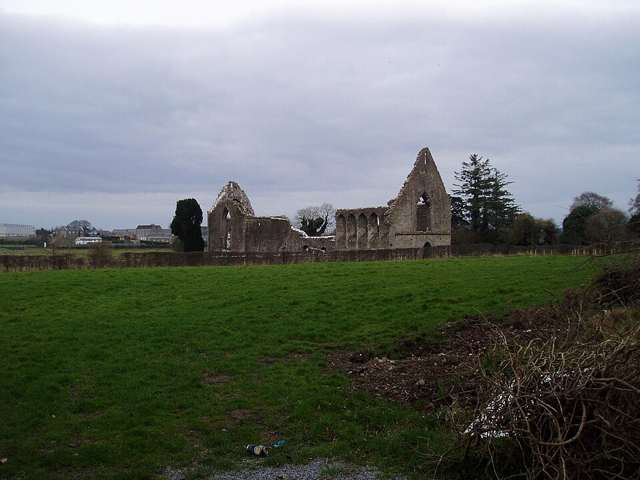
The Dominican foundation dates from the mid-thirteenth century and is associated with Felim O’Conor, king of Connacht. Although commonly called an abbey, it was a friary. The surviving church and tomb sculpture make it an important place to consider religious patronage, royal memory and the architecture of a medieval town rather than only one picturesque ruin. Source ↗
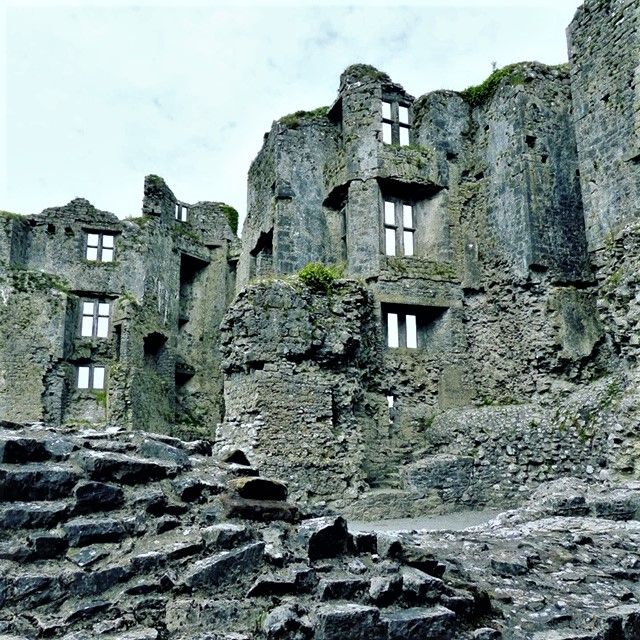
The church changed over time, with later additions and damage affecting what remains visible. Its royal effigy is often connected with the founder, but national tourism information allows that it may represent a successor. Preserve that uncertainty when reading the sculpture. The friary and Roscommon Castle are distinct sites: combining them can give a broader view of the town, but a visit to one does not include the other’s grounds, buildings or services. Reading the complete church before the smaller carvings gives each surviving detail a clearer place within the history of the whole religious building. Source ↗