The tower exterior
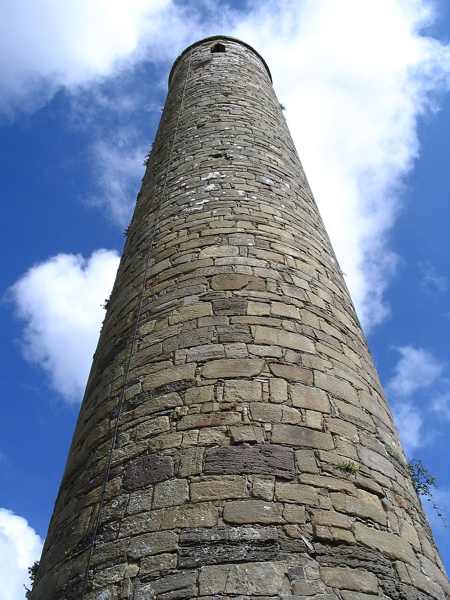
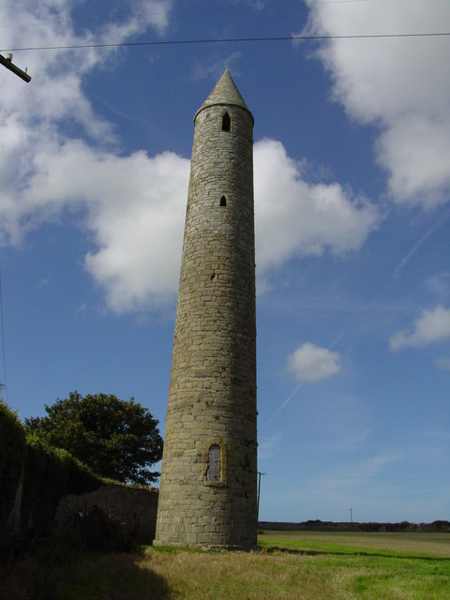
Look at the tower’s height and taper from secure permitted ground. Its survival gives the site a clear focal point even without entry. Keep back from the fabric and do not attempt to use openings or masonry as access.

heritage · Kerry
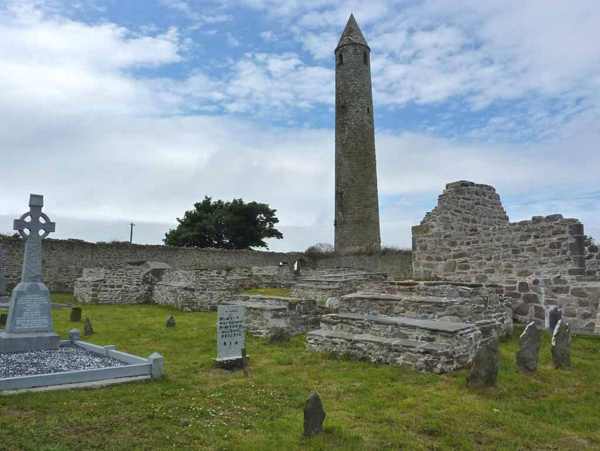
Rattoo Round Tower is for external viewing only; OPW does not permit internal access. The tall surviving structure stands within a religious and burial complex near Ballyduff in north Kerry. Appreciate its form and stonework from the permitted ground, keeping the visit separate from any expectation of climbing or entering the tower.
From research
Choose Rattoo for a compact architectural stop with a strong skyline feature and a longer ecclesiastical history around it. The tower rewards looking at proportions and openings rather than trying to reach details physically. Respect graves and current barriers, and do not let an older description or photograph override the explicit external-only restriction.
Know before you book: External viewing only. Internal access is not permitted; do not attempt to enter or climb the tower.
Place highlights
Look at the tower’s height and taper from secure permitted ground. Its survival gives the site a clear focal point even without entry. Keep back from the fabric and do not attempt to use openings or masonry as access.
Observe exterior details where they can be seen from the visitor route. Their height and position may limit what is visible. Use official interpretation rather than climbing or handling the fabric to inspect a particular carving more closely.
Relate the tower to the church remains and burial area around it. These features represent a wider religious setting rather than a tower standing alone. Keep off graves and respect any activity or restrictions within the burial ground.
The story behind the visit
OPW identifies Rattoo as Kerry’s only surviving complete round tower and places it within a wider ecclesiastical complex. The site’s beginnings and associations are not entirely settled, with traditions connecting it to an early bishop and documentary evidence illuminating later medieval religious life. It is more useful to acknowledge those different kinds of evidence than to assign one precise founding event to all the surviving features within the churchyard. Source ↗
The tower’s distinctive openings and carved details sit alongside later church remains and a burial ground with monuments from subsequent centuries. That combination gives Rattoo a layered character: an early religious landmark continued to stand within a place repeatedly used and adapted. The modern restriction is separate from that history. OPW explicitly allows external viewing only, so the visit should be planned around ground-level observation of the structure and its setting. No historical description of access or impressive interior image establishes permission to enter or climb today. The graveyard contains memorials from later centuries alongside the older religious remains, making it a place of continuing remembrance rather than solely an architectural exhibit from a distant period. Source ↗
Visitor information
Use the signed Rattoo monument approach near Ballyduff. Follow current OPW instructions and remain within the permitted exterior viewing area. Official visitor information ↗
Confirm current access and visitor arrangements with the operator.
No. OPW explicitly prohibits internal access and presents the site for external viewing only. Source ↗
No. Church remains and a continuing burial-ground setting add other phases to the visit. Source ↗
Nearby options
Explore other places in the area, then use live directions to plan your journey.
heritage
Kerry Writers’ Museum explores the literary and storytelling traditions of North Kerry from a Georgian townhouse beside Listowel Castle. The themed rooms focus on writers and the places, voices and characters…
Open place page →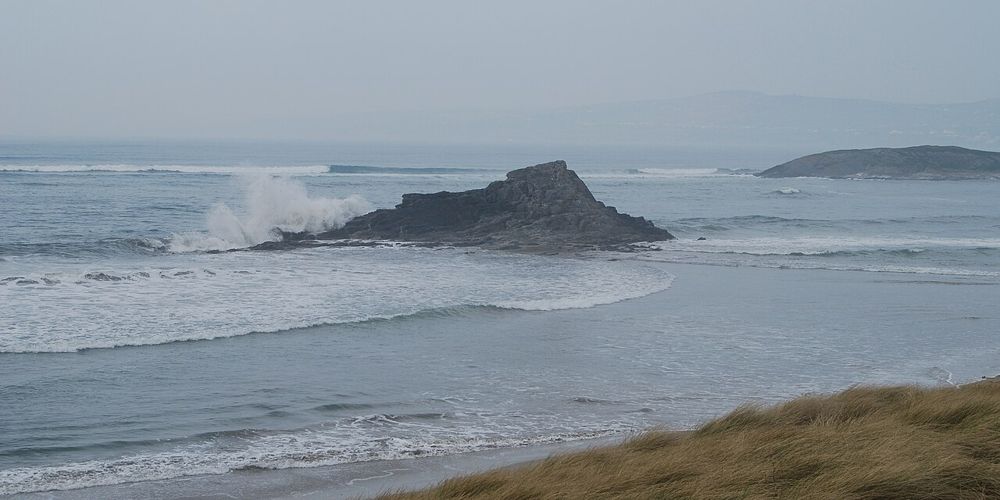
coast
Banna gives north Kerry a long, open Atlantic edge within reach of Tralee. The most satisfying visit is often simple: a shoreline walk, a look back at the dunes and no attempt to turn the whole afternoon into…
Open place page →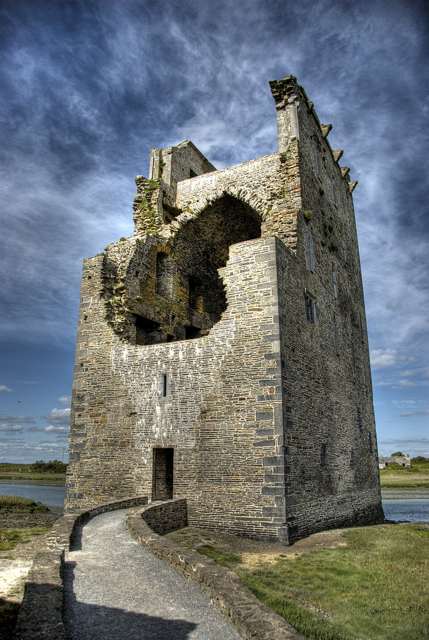
heritage
Carrigafoyle Castle rises beside the Shannon Estuary near Ballylongford, an imposing late-medieval tower-house in a setting that explains its strategic purpose. Treat this as an exterior-focused heritage stop…
Open place page →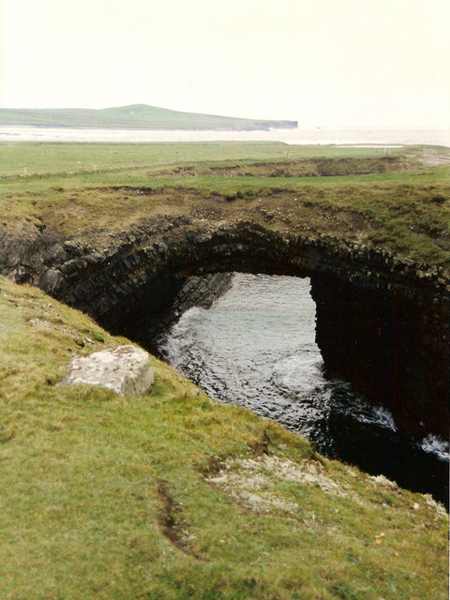
coast
The Bridges of Ross are a group of coastal formations near Kilbaha whose plural name survives although only one natural arch remains. A footpath leads towards the viewing area. Visit to look at the ocean-…
Open place page →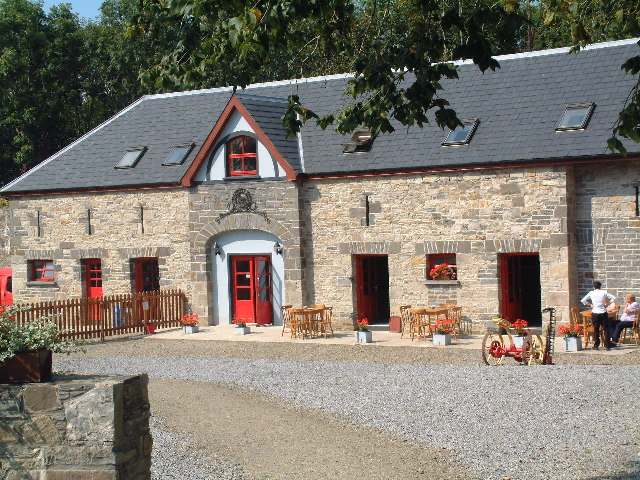
nature
A restored estate garden beside Kilrush, combining sheltered planting, a Victorian-style glasshouse and an interpretive centre about its setting and history. Allow time to explore the planting inside the walls…
Open place page →
coast
Kilkee Cliffs form a coastal walking landscape beyond the town’s beach, with exposed Atlantic edges, bays and views towards higher ground. They are a separate outing from a stroll on Kilkee’s sand. Plan a…
Open place page →Location & access
External viewing only. Internal access is not permitted; do not attempt to enter or climb the tower.
52.44250, -9.65044 · Reference point; confirm the correct entrance and access. Map © OpenStreetMap contributors.
Orientation only: a verified public entrance is not established by this pin. Use the operator arrival information before travel.