From research
Is this worth your time?
Choose Lissan if an inhabited country-house history and its surrounding landscape interest you together. The guided account is central to understanding how the Staples family adapted the place over generations. Ask which rooms and grounds your booking includes, leaving time to look closely rather than treating every part of a large estate as one automatic visitor route.
Know before you book: Private tours depend on confirmation. The public grounds and a booked house visit have different arrangements; weather, conservation and the agreed programme affect what you can experience.
The story behind the visit
The story behind the place
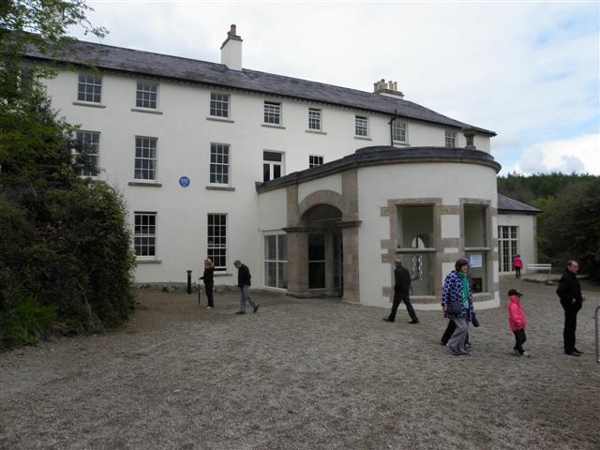
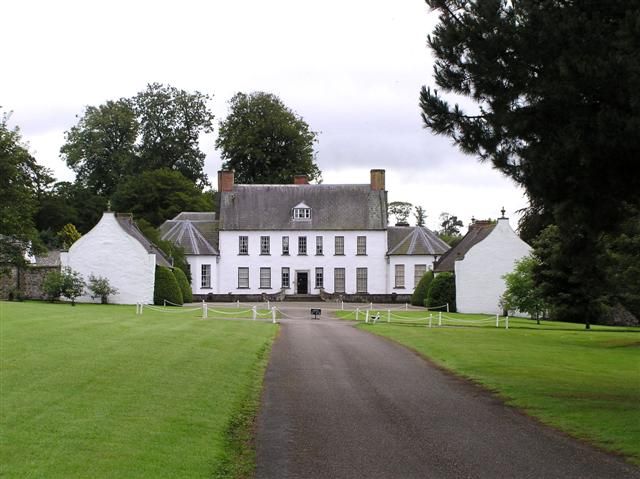
The trust traces construction at Lissan to Thomas Staples in the seventeenth century, followed by many generations of adaptation. Family preferences, changing architectural fashions and practical requirements all contributed to the present house. It is consequently more useful to look for phases than to describe the building as one intact design. The long Staples association also connects architecture with domestic continuity: rooms and additions belonged to people responding to their own circumstances, rather than to a museum arranged from the outset for visitors. Source ↗
Hazel Dolling, the last member of the family to live at Lissan, sought a way to preserve the house and estate beyond her lifetime. The charitable organisation she established became central to that continuing work. Conservation, fundraising and guided interpretation now give the place a public role while retaining its family associations. That transition is part of the visit’s interest. The modern tour explains a layered home and the efforts needed to care for it, with original furnishings and newer interpretation contributing different kinds of evidence rather than recreating a single unchanging historical moment. Source ↗