Skip to content
TheLazyNick

heritage · Cork

Kinneigh Round Tower

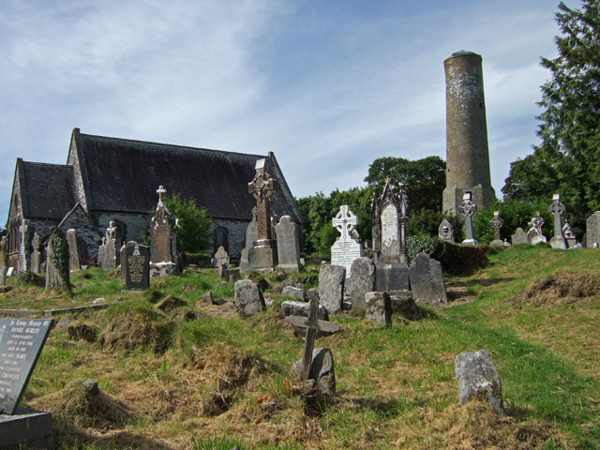
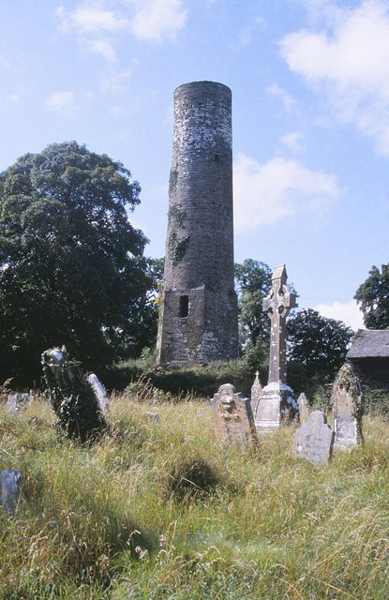
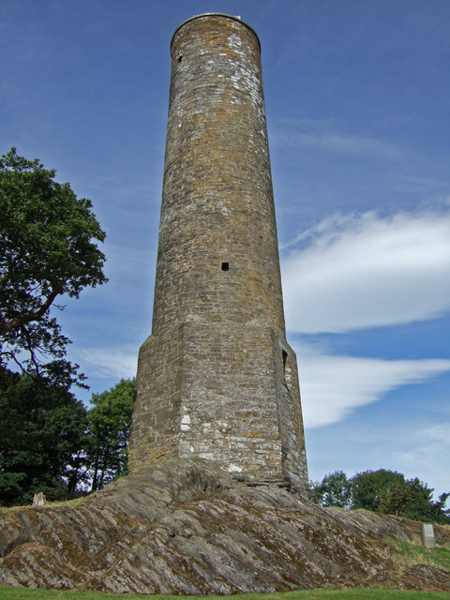
Kinneigh Round Tower stands beside the graveyard at Sleenoge near Castletown-Kinneigh in west Cork. Its six-sided base changes into the familiar circular upper form, making a close look at the masonry particularly worthwhile. This is a modest exterior heritage stop at an unguided monument, with respect for the surrounding burial ground central to the visit.

Add to planSaved trips & places

Saved on this browser. No account needed.

Kinneigh Round Tower
Kinneigh Round Tower. Resized for display. Photo: Mike Searle ↗ · CC BY-SA 2.0

From research

Is this worth your time?

Choose Kinneigh for an architectural detail that is easy to miss on a broader west Cork journey. The tower’s shape is the main reason to pause, rather than a promise of a climb or staffed exhibition. Keep the visit compact, leave space for anyone using the graveyard and return another time if an activity there requires privacy.

Know before you book: An unguided exterior monument visit; this guide does not offer a tower climb or guarantee access to the adjoining church.

Place highlights

What you will actually see

01

The hexagonal base

Begin by noticing the lower six-sided form before following the masonry upwards. That change in geometry is more revealing than simply trying to fit the whole tower into a photograph. Choose a position on permitted ground and keep clear of graves, walls and any area set aside for a service.

02

The circular upper tower

Look for the contrast between the base and the cylindrical upper section. Openings and changes at the top help show that the structure has been used and repaired over time. Observe from below; visible openings do not imply an accessible staircase or permission to enter the monument.

03

A churchyard setting

The tower belongs to a place with continuing connections to burial and worship, rather than to an isolated display area. Read available interpretation and let the setting establish a respectful pace. Keep groups quiet, avoid leaning equipment on gravestones and leave the ground as you found it.

The story behind the visit

The story behind the place

The OPW dates the round tower to around the year 1000 and places it within the history of an earlier monastic community. The surviving building is not the whole original establishment, but its position beside the graveyard helps keep that ecclesiastical context visible. Its distinctive base makes the structure a useful reminder that Irish round towers share a recognisable type without being identical in every detail. A short stop can therefore reward careful looking rather than a large amount of walking. Source ↗

Later use and conservation also shaped the monument. Visitor accounts describe its adaptation for bell use and more recent work to protect the stonework and top. It is better to read those changes as part of the building’s long life than to imagine that every visible element belongs to its earliest phase. The current exterior combines old masonry with interventions intended to preserve it. That history gives an ordinary act of looking upwards a purpose: compare shapes and openings, recognise repairs, and keep the experience separate from any assumption that a climb is available. Source ↗

Visitor information

Tickets, timing and access

Opening
Choose daylight and respect any church, graveyard or local access restrictions.Confirm with the operator ↗
Admission
Fáilte Ireland lists the site as free to visit.Confirm with the operator ↗
Booking
The OPW identifies an unguided monument; no ordinary timed tour is promised.Confirm with the operator ↗
Access
Exterior observation only in this guide; do not climb masonry or assume church entry.Confirm with the operator ↗
Duration
Allow 20–30 minutes for an attentive exterior visit.Confirm with the operator ↗
Seasonal
Wet or uneven ground may limit comfortable movement around the setting.Confirm with the operator ↗

Getting to the entrance

Follow the OPW linked location at Sleenoge near Castletown-Kinneigh, and respect local access signs around the monument and graveyard. Official visitor information ↗

Your questions, answered

Confirm current access and visitor arrangements with the operator.

Can I climb the round tower?

This guide is an exterior visit and does not promise a public climb. Source ↗

Is the adjoining church automatically open?

No. Respect its separate access arrangements and any service or burial activity. Source ↗

Nearby options

Nearby places to explore

Explore other places in the area, then use live directions to plan your journey.

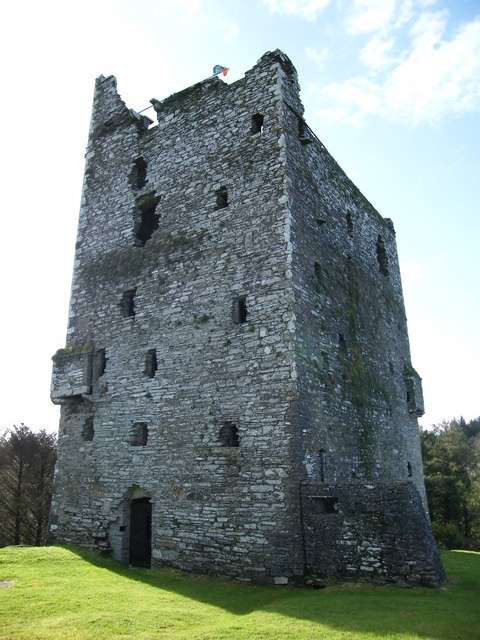
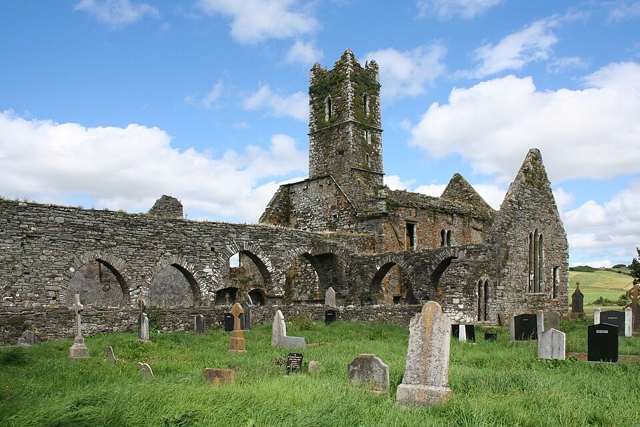
Ballynacarriga Castle’s surviving tower house
Ballynacarriga Castle’s surviving tower house. Resized for display. Photo: dougf ↗ · CC BY-SA 2.0

heritage

Ballynacarriga Castle

Ballynacarriga Castle is a four-storey tower-house overlooking a small lake near Dunmanway. Its surviving height and defensive details make a strong exterior impression, while its history connects with the…

Open place page →
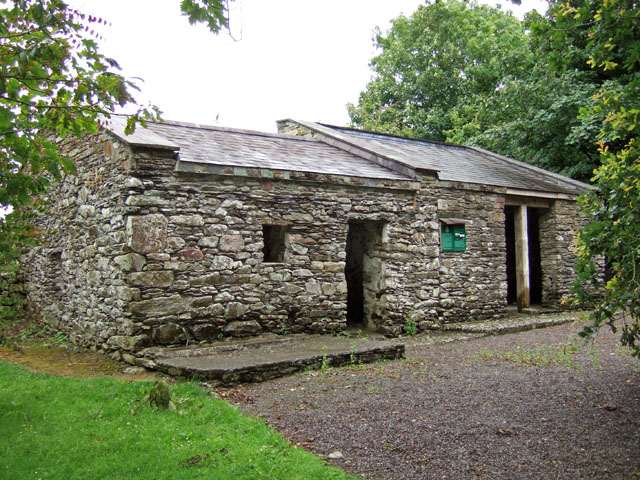
Original dwelling at Michael Collins birthplace
Original dwelling at Michael Collins birthplace. Source photograph: 2007-07-13. Appearance, displays and access may have changed. Photo: Mike Searle ↗ · CC BY-SA 2.0

heritage

Michael Collins Birthplace

Michael Collins’ birthplace at Woodfield is a modest rural heritage site near Clonakilty, where surviving buildings, foundations and interpretation connect the revolutionary leader with his family home. It is…

Open place page →
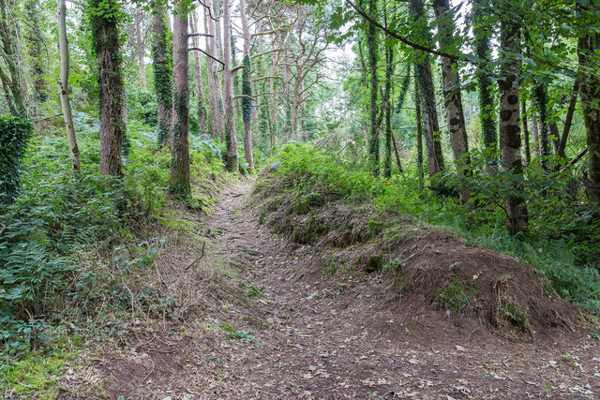
Woodland at Farran Forest Park
Woodland at Farran Forest Park. Resized for display. Photo: David P Howard ↗ · CC BY-SA 2.0

nature

Farran Forest Park

Farran Forest Park sits beside Inniscarra reservoir west of Cork, combining woodland paths with a wildlife enclosure and waterside views. Coillte publishes shorter winter gate hours, so plan the return before…

Open place page →

External visitor reviews

Find the matching listing and reviews on Google Maps ↗

Part of a bigger journey

Location & access

Getting your bearings

An unguided exterior monument visit; this guide does not offer a tower climb or guarantee access to the adjoining church.

51.76412, -8.97555 · Reference point; confirm the correct entrance and access. Map © OpenStreetMap contributors.

Orientation only: a verified public entrance is not established by this pin. Use the operator arrival information before travel.

Sources & place context

Browse more Ireland places →