Original dwelling
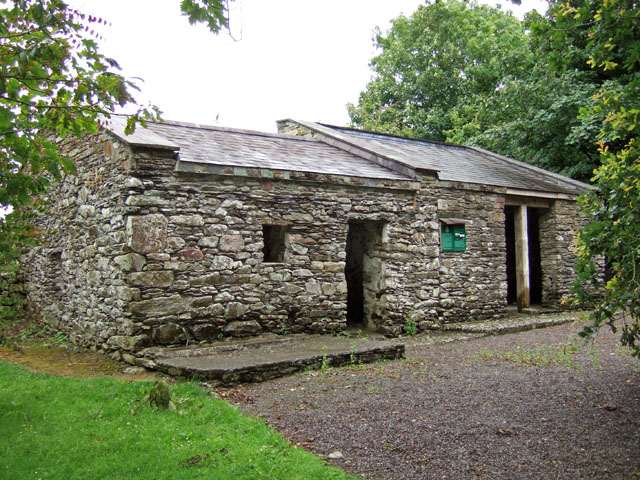
The building towards the rear marks the original dwelling where Collins was born in 1890. Read the panels carefully to distinguish it from the later family house, whose footprint occupies a different part of the site.

heritage · Cork
Michael Collins’ birthplace at Woodfield is a modest rural heritage site near Clonakilty, where surviving buildings, foundations and interpretation connect the revolutionary leader with his family home. It is best approached as a reflective outdoor stop. The remains reveal changes to the homestead and the destruction of the later house during the War of Independence.
From research
Choose it if Collins’ life and the revolutionary period interest you, especially when combining several related West Cork sites. The significance rests in an authentic family setting rather than a large exhibition. Do not confuse it with Michael Collins House in Clonakilty or the separate Michael Collins Centre.
Know before you book: This is a rural self-directed heritage visit. No staffed facilities, daily guided tour, indoor exhibition or universally accessible route is promised here.
Place highlights
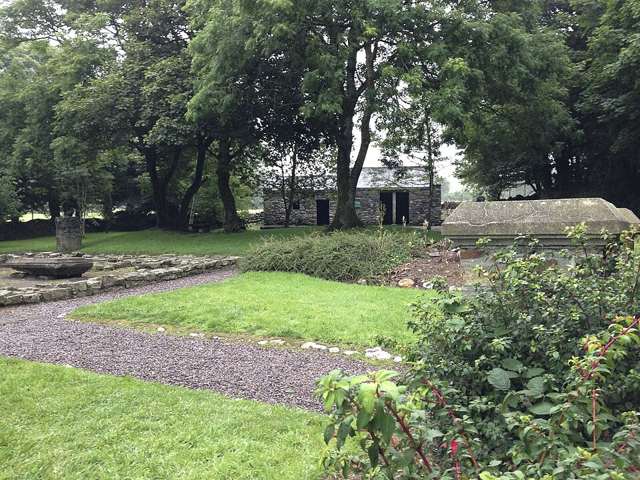
The building towards the rear marks the original dwelling where Collins was born in 1890. Read the panels carefully to distinguish it from the later family house, whose footprint occupies a different part of the site.
Near the entrance are the remains of the newer family home, built while Collins was a child and burned in 1921. The foundations make absence part of the experience: they ask the visitor to imagine a house that no longer stands.
Trees mark the location of a barn also destroyed in 1921. Look at the relationship between these traces rather than treating each as an isolated memorial; together they help reconstruct the working farm and family environment.
The story behind the visit
Michael Collins was born at Woodfield on 16 October 1890. Fáilte Ireland identifies the rear building as the original dwelling, later used as a farm outbuilding. A newer house was built during his childhood. This distinction is essential because photographs of the site can otherwise lead visitors to assume that every surviving or ruined structure was his birthplace. Source ↗
The later house and barn were burned in April 1921 during the War of Independence. The farm was sold in 1923, and the birthplace opened to the public in 1990. The visitor therefore encounters both surviving fabric and deliberate acts of remembrance. Reading the interpretation alongside the foundations helps separate the family’s domestic story from the later national significance attached to Collins. The modest scale is part of its value. Instead of beginning with Collins as a national symbol, the site allows visitors to begin with a home, a farm and the changing circumstances of a particular family. Source ↗
Visitor information
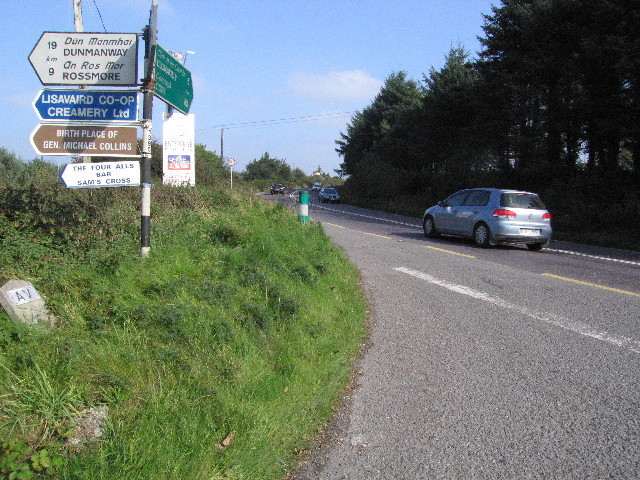
Woodfield is west of Clonakilty. The Cork Rebel Way guide gives GPS 51.616598, -8.9805055 and directions from the N71 via Lisavaird and the L4003. Official visitor information ↗
Confirm current access and visitor arrangements with the operator.
No. The birthplace at Woodfield is a separate site outside Clonakilty. Source ↗
The original dwelling is at the back; the foundations nearer the entrance belong to the later family home. Source ↗
Nearby options
Explore other places in the area, then use live directions to plan your journey.
heritage
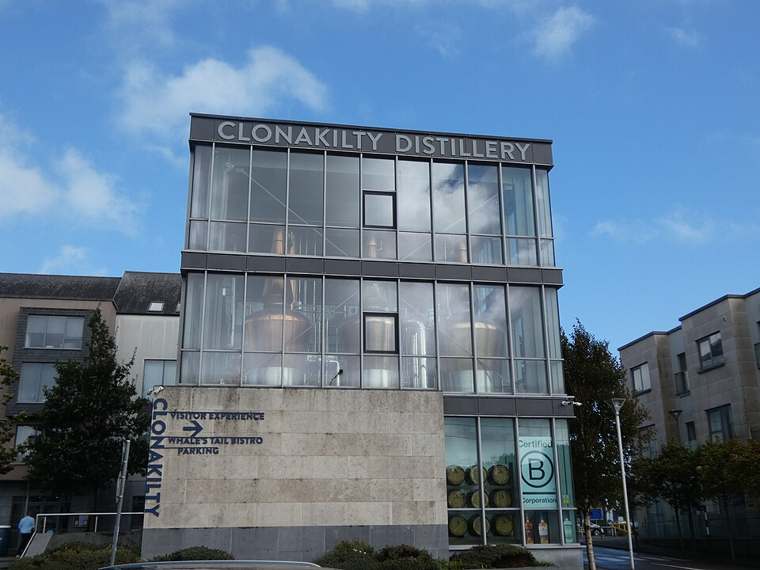
Clonakilty’s waterfront distillery offers a guided look at the production of whiskey, gin and vodka. The visit is structured around a working production site and a chosen tasting, with a separate gin-school…
Open place page →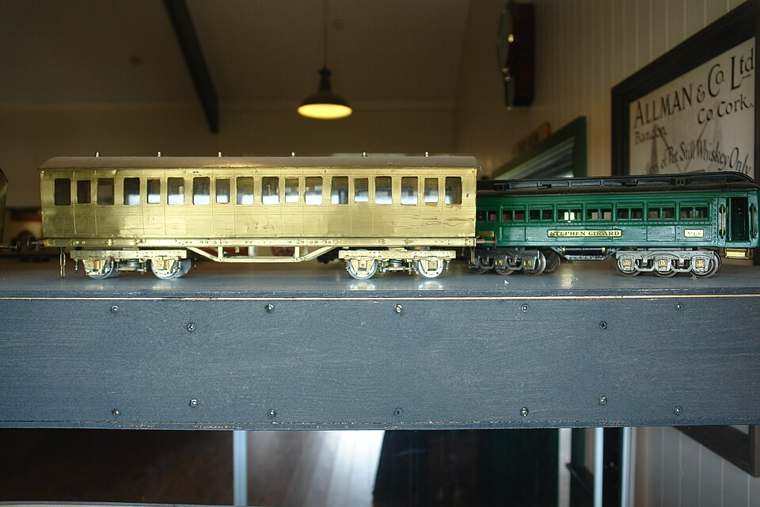
heritage
The Model Railway Village recreates West Cork towns and their former rail links at miniature scale. It is a fixed visitor attraction in Clonakilty, with the model village, indoor play and optional road-train…
Open place page →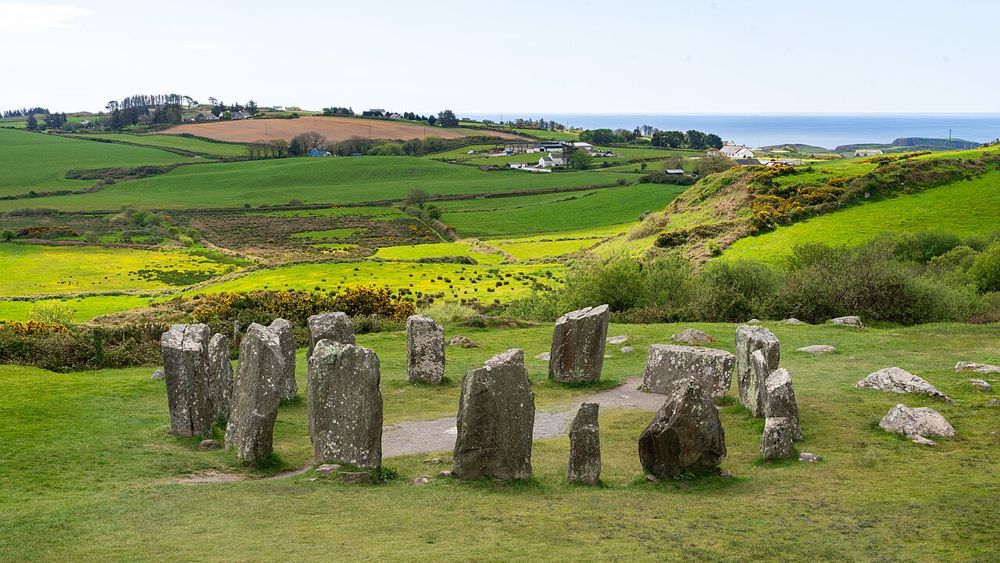
heritage
Drombeg is small enough to take in quickly and old enough to deserve the opposite. Stand back from the stones first, so the circle, slope and surrounding country become one scene. Then look for the nearby hut…
Open place page →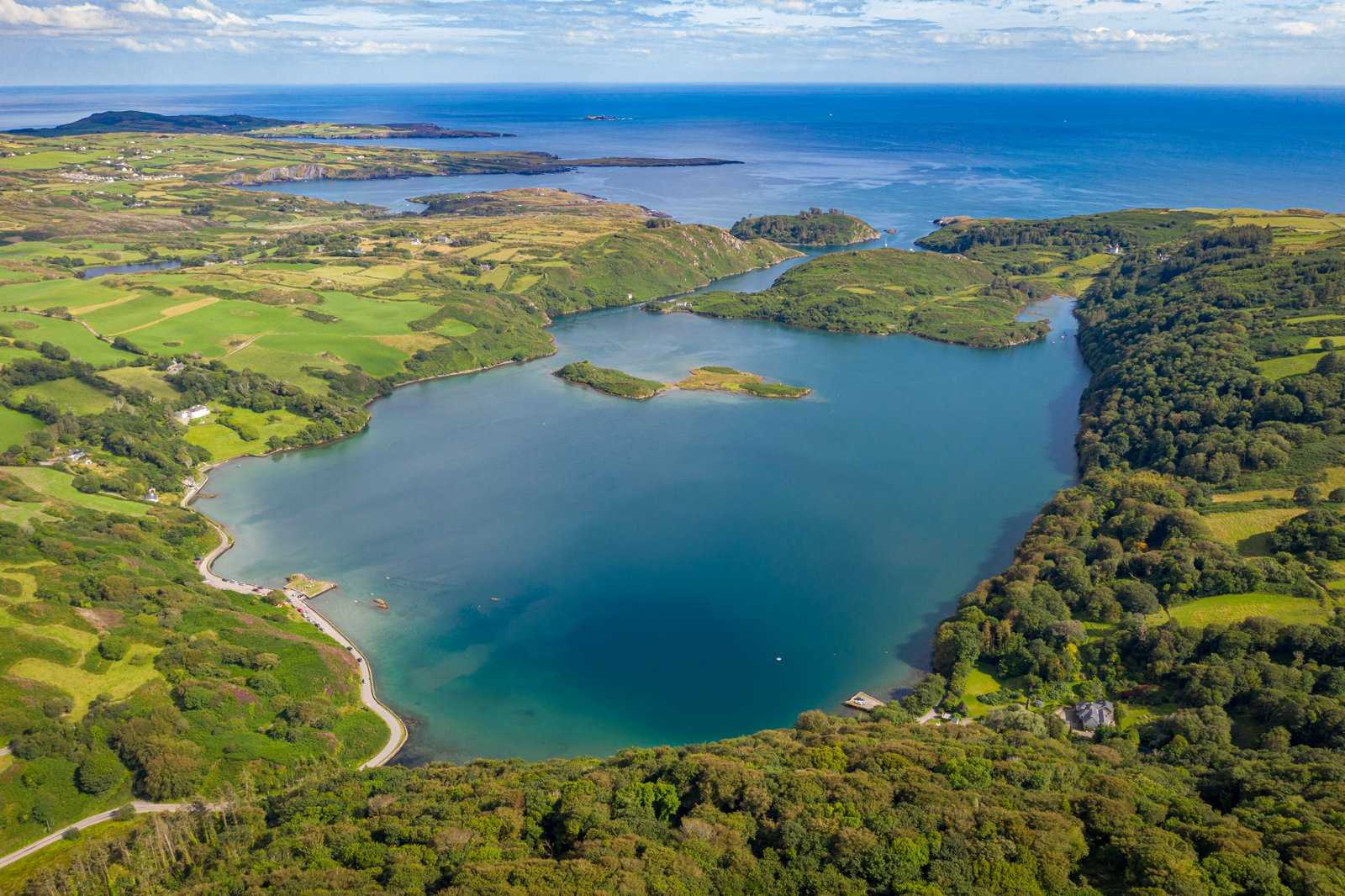
nature
Lough Hyne’s enclosed-looking water can make the visit feel like a simple lake stop, but this is a protected sea lough with an unusually varied marine environment. Start with the shore setting and its…
Open place page →Location & access
This is a rural self-directed heritage visit. No staffed facilities, daily guided tour, indoor exhibition or universally accessible route is promised here.
51.61652, -8.98050 · Reference point; confirm the correct entrance and access. Map © OpenStreetMap contributors.
Orientation only: a verified public entrance is not established by this pin. Use the operator arrival information before travel.