From research
Is this worth your time?
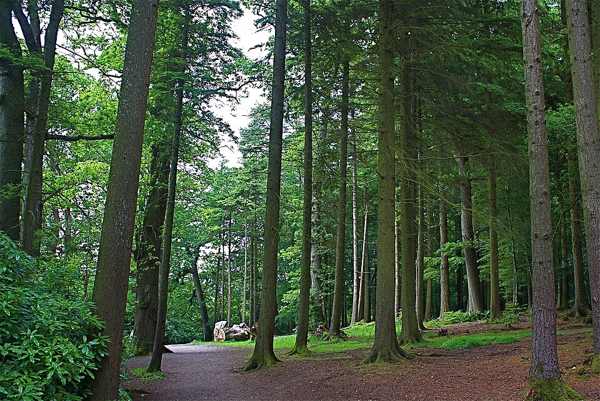
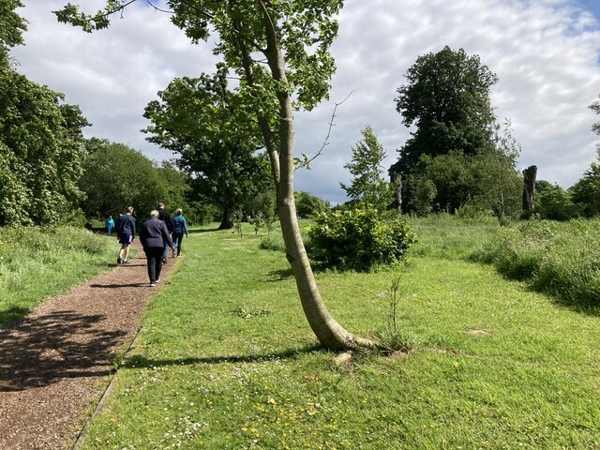
Choose the forest for a flexible outdoor visit centred on trees, water and a manageable walking route. A short lakeside section can be enough, while orienteering or a longer circuit needs its own preparation. The wildlife sanctuary and play areas are different parts of the experience, so keep quiet habitat observation separate from active family recreation.
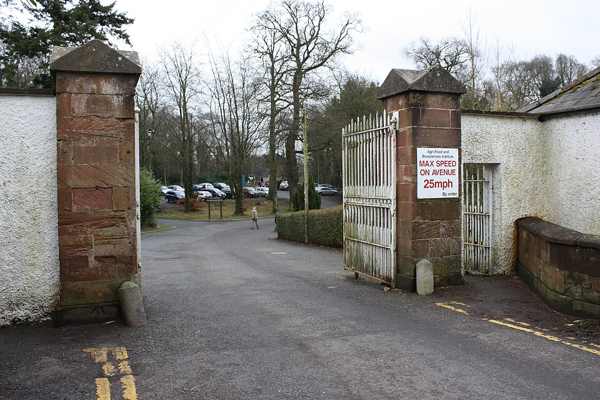
Know before you book: Forest, fort and castle gardens have separate boundaries; use the council forest routes and current gates.
The story behind the visit
The story behind the place
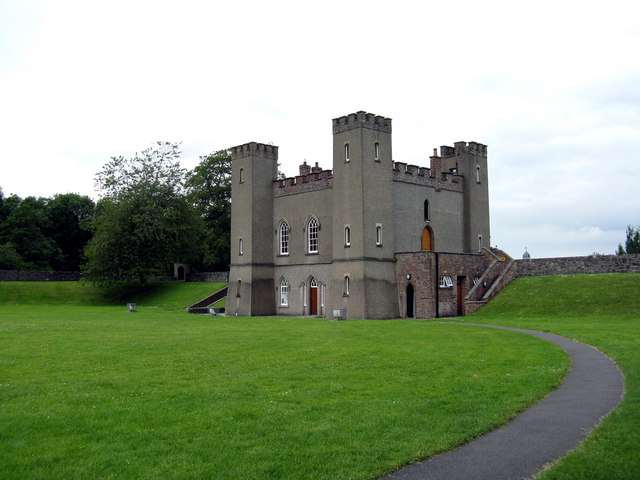
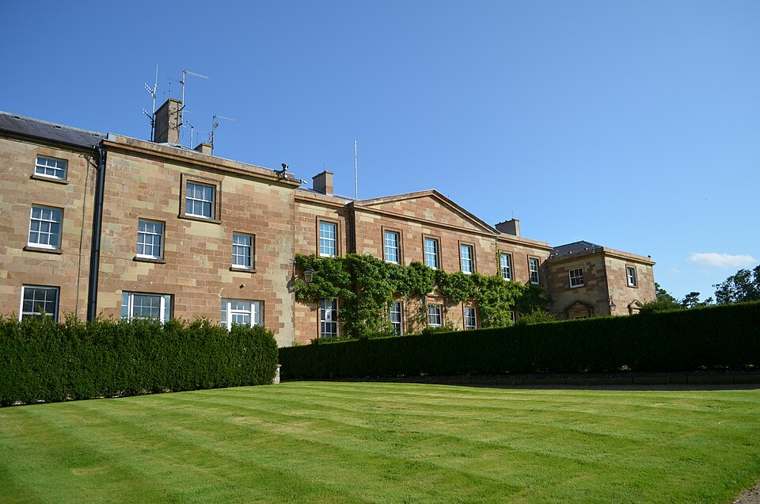
The forest forms one part of Royal Hillsborough’s wider visitor landscape, alongside a fort, village and later castle estate. Its present public role is distinct: the council describes a substantial woodland area with a lake and a network of walking routes. That identity should remain clear even when paths or views make the neighbouring attractions seem close together. Source ↗
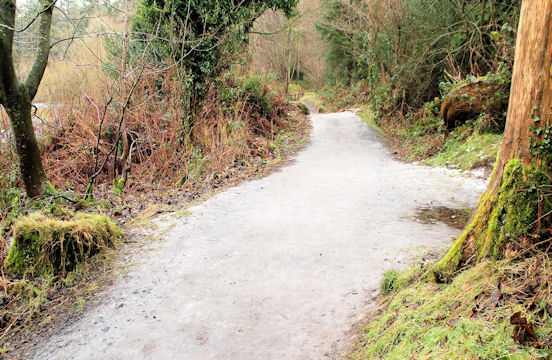
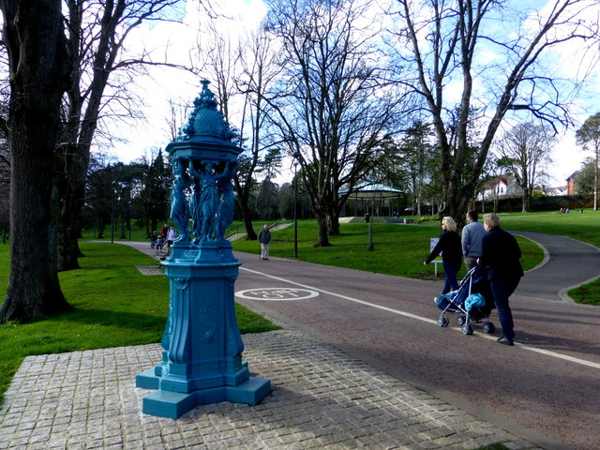
Recent redevelopment has improved paths, seating, play provision and interpretation, while permanent orienteering courses add a different form of outdoor use. Those changes show a recreational landscape continuing to develop rather than a single historical estate preserved without alteration. The lake also serves wildlife, particularly resident and wintering waterbirds, so the quieter areas deserve care. Pick a route that connects the forest and permitted lakeside viewpoints, then add play or digital interpretation if it suits the group. Check the correct gates before returning towards the village. A forest outing can be complete by itself, with no castle ticket, fort interior or assumption that all surrounding land belongs to one open public route. Source ↗