Flax to Fabric
Follow the process from growing and preparing flax to making yarn and cloth. The sequence gives the tools a purpose and connects finished linen with the labour involved in producing it.

heritage · Antrim
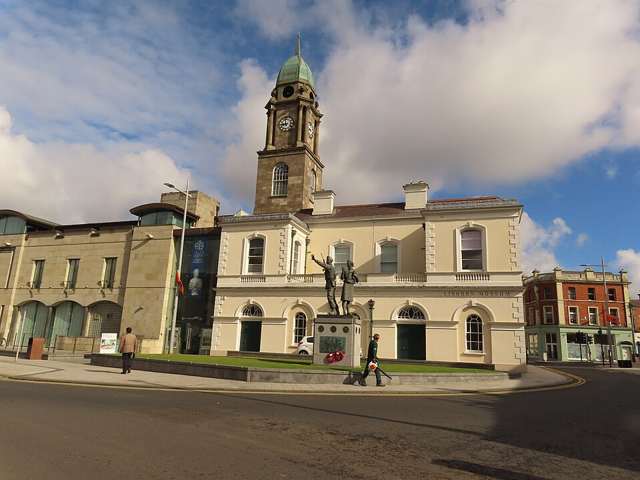
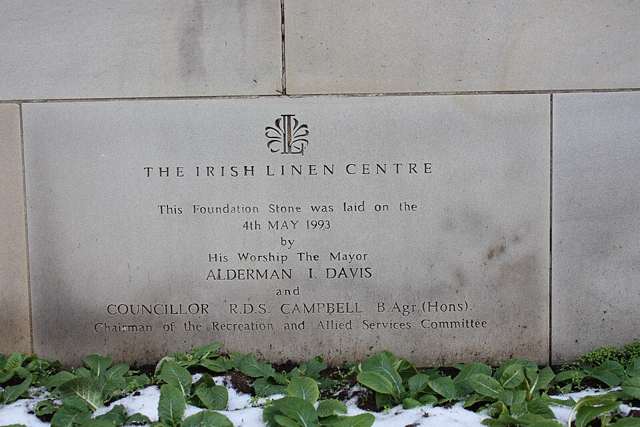
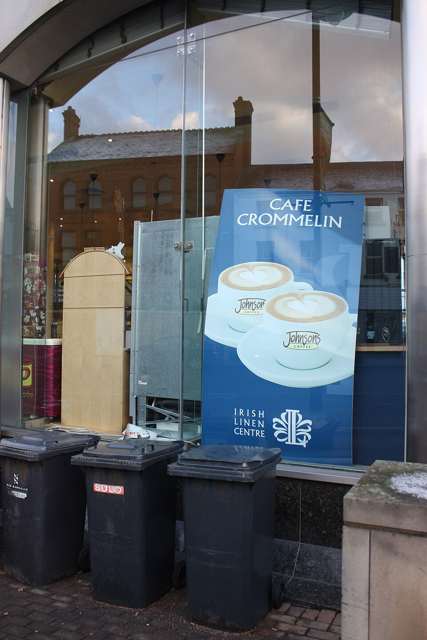
The Irish Linen Centre and Lisburn Museum follows linen from flax cultivation to weaving, trade and finished cloth. Its Market Square location places the subject in the town that helped shape it. Alongside the permanent linen exhibition, changing galleries explore Lisburn history and other collections, making this more than a display of antique machinery.
From research
Choose it if you enjoy seeing how a material is made and how an industry affected families and a town. Free entry makes it easy to fit into a Lisburn visit. Allow time for live craft demonstrations when available instead of assuming a quick look covers the experience.
Know before you book: General entry is free, Monday–Saturday 09:30–17:00. Arrange a group tour or specific demonstration interest with reception.
Place highlights
Follow the process from growing and preparing flax to making yarn and cloth. The sequence gives the tools a purpose and connects finished linen with the labour involved in producing it.
Look for the handloom and Jacquard demonstrations described by the museum. Ask staff what is operating that day, since a named technique does not guarantee every loom is running continuously.
Compare practical production with the finished damask and clothing. These objects show the distance between raw fibre, skilled workshop labour and linen’s place in fashion and international trade. Ask the demonstrators about one stage of the process to connect the machinery with skilled manual work.
The story behind the visit
The permanent exhibition places Irish linen in a longer history of flax and cloth. It includes early linen, the preparation of flax, spinning and the cottage setting in which families worked. A reconstructed route through the seventeenth-century Market House evokes a place where local weavers brought cloth for sale. This makes the museum’s central Lisburn location part of the story rather than an incidental address. Source ↗
The later displays connect production with finished goods, including Coulson’s damask and work by designer Sybil Connolly. Live spinning and weaving interpretation brings skilled labour back into a story that could otherwise be told only through valuable textiles. The museum also maintains wider local-history collections and temporary displays. Treat those changing galleries as an addition to the permanent linen route, and check what is on before building the whole visit around one exhibition. Following the material from fibre to finished textile gives the visit a clear thread, while the local-history galleries show the industry’s wider setting within Lisburn. Source ↗
Visitor information
The museum is in Market Square, Lisburn, BT28 1AG. Use city-centre transport and parking information for the final approach; ask reception about any closer accessible arrival point. Official visitor information ↗
Confirm current access and visitor arrangements with the operator.
The museum advertises live spinning and weaving interpretation; confirm what is operating on your date. Source ↗
No. Its wider collections and changing galleries also cover Lisburn and local history. Source ↗
Nearby options
Explore other places in the area, then use live directions to plan your journey.
heritage
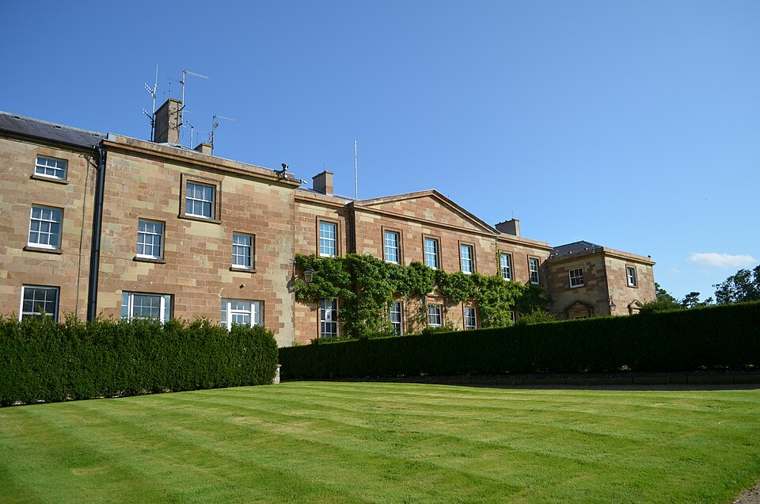
Hillsborough combines a royal residence and political meeting place with a large garden landscape. Formal areas give way to woodland, water and quieter paths, so the gardens can justify a visit even when an…
Open place page →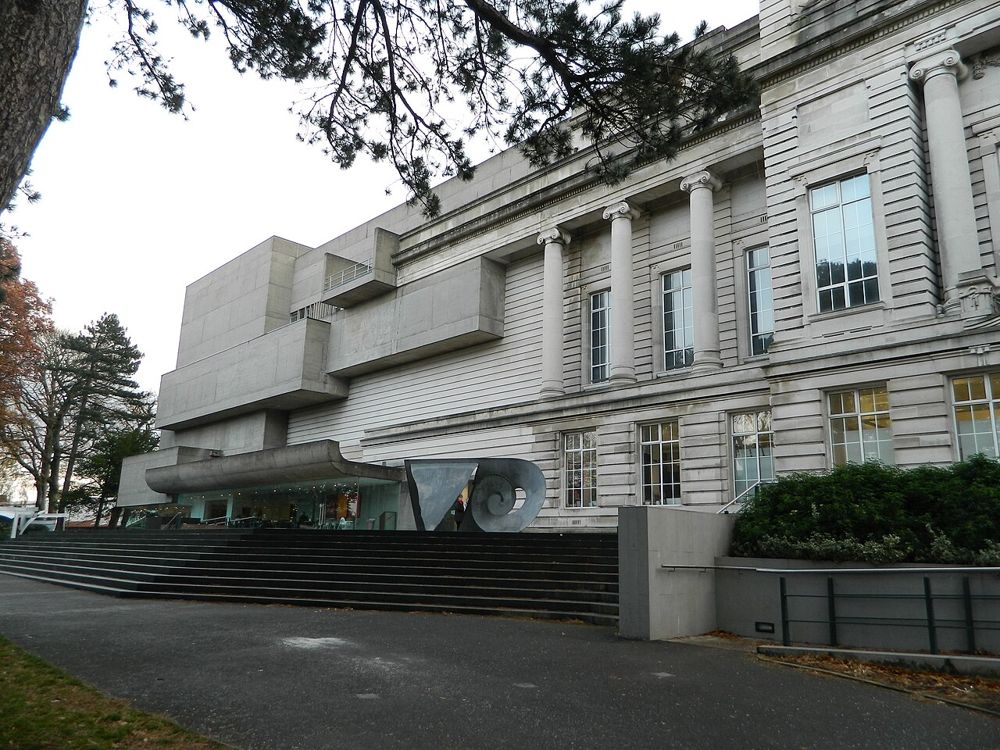
attraction
Ulster Museum is a good place to slow a Belfast day down. Its mix of art, natural history and human history means you can follow one interest without committing to every gallery.
Open place page →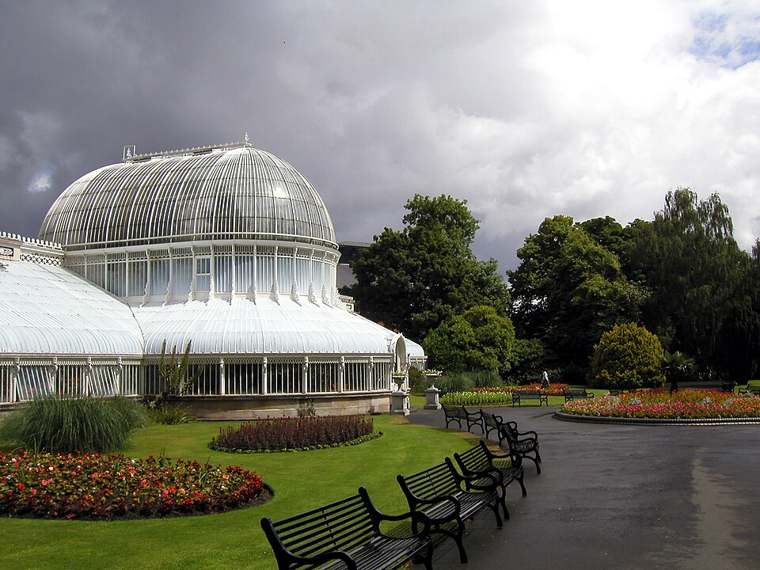
nature
Botanic Gardens brings Belfast’s Victorian plant collecting and glasshouse architecture into an everyday public park. The curved iron-and-glass Palm House rewards a close look, while the Tropical Ravine offers…
Open place page →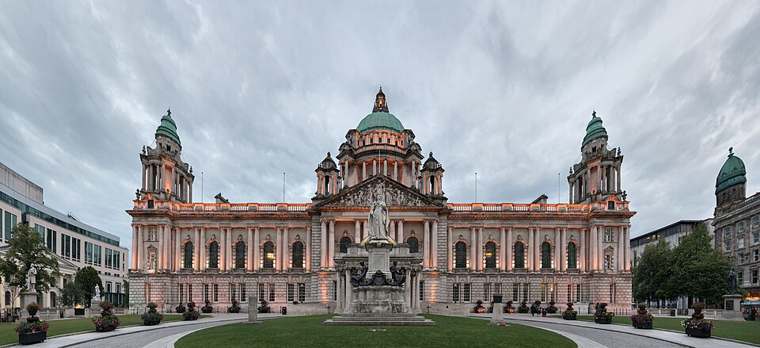
heritage
City Hall gives Belfast’s civic history an architectural setting: a Portland-stone landmark completed in 1906, with marble interiors and portraits encountered on its guided route. Choose between a tour of the…
Open place page →
city
Belfast works best as a set of neighbourhood choices, with the city centre, Titanic Quarter and other areas each needing their own time rather than one sprawling checklist.
Open place page →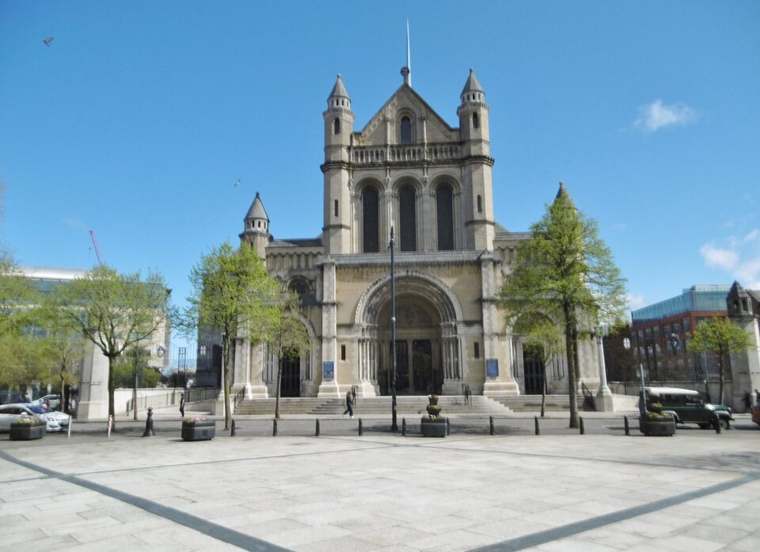
heritage
St Anne’s combines a working place of worship with a collection of mosaics, carved stone and memorial art. Its Spire of Hope is the obvious exterior landmark, but the interior rewards slower attention to the…
Open place page →Location & access
General entry is free, Monday–Saturday 09:30–17:00. Arrange a group tour or specific demonstration interest with reception.
54.51113, -6.04338 · Reference point; confirm the correct entrance and access. Map © OpenStreetMap contributors.
Orientation only: a verified public entrance is not established by this pin. Use the operator arrival information before travel.