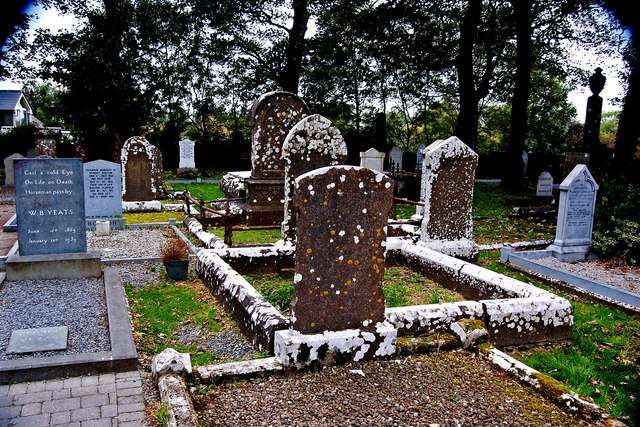
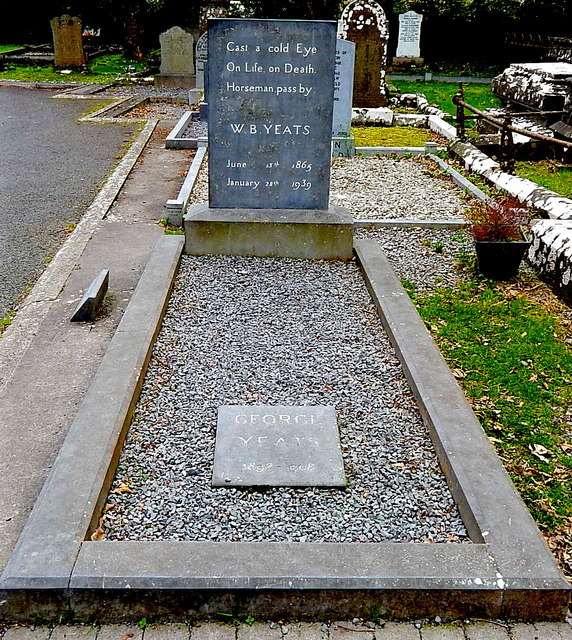
Yeats’ grave
Pause at the poet’s simple headstone in the churchyard and consider its relationship with the surrounding Sligo landscape. Keep paths and neighbouring graves clear, especially when other visitors arrive together.

heritage · Sligo
Drumcliffe combines the grave of W.B. Yeats with a working church and the remains of an earlier monastic site beneath Benbulben. The high cross and surviving round-tower stump make the visit more than a literary stop. The churchyard welcomes visitors throughout the year, while the church interior and visitor facilities follow seasonal arrangements.
From research
Choose it for a compact visit connecting poetry, a living church and medieval heritage. Give the carved cross attention as well as the poet’s grave. In November, make the churchyard the core of the visit and contact the operator before expecting the church interior, staffed kiosk or a guided group experience.
Know before you book: Churchyard is open year-round. Normal church interior season is March–October, 09:00–18:00 unless advertised otherwise; contact the operator for winter interior access.
Place highlights
Pause at the poet’s simple headstone in the churchyard and consider its relationship with the surrounding Sligo landscape. Keep paths and neighbouring graves clear, especially when other visitors arrive together.
Look closely at the carved cross near the churchyard entrance. Its presence brings an earlier religious history into a place many people first know through Yeats. Observe the detail without touching fragile surfaces.
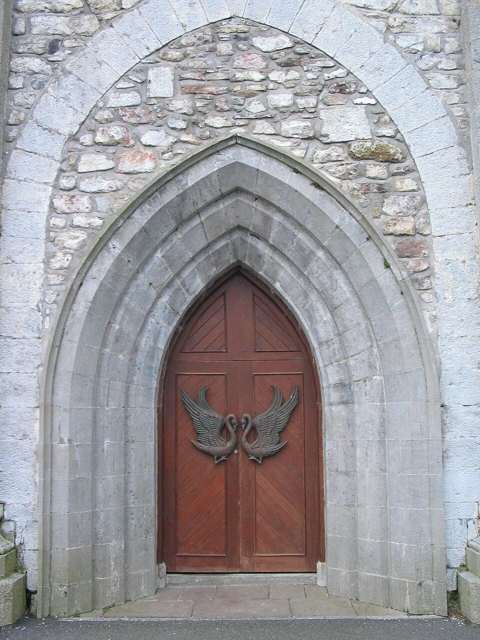
View the surviving tower stump across the road from the churchyard, using safe public routes. The nineteenth-century St.Columba’s Church continues the religious use of the site; interior visits must fit its current opening and worship.
The story behind the visit
The present St Columba’s Church dates from the early nineteenth century and stands within a much older ecclesiastical setting. The local heritage account describes reused monastic stonework and fragments of high crosses discovered during later restoration. These layers help explain why church, carved stone and tower should be read together rather than listed as unrelated attractions. One visit can move between medieval evidence and a building that remains in religious use. Source ↗
Yeats died in France in 1939 and was reinterred at Drumcliffe in 1948. His grave adds a literary association to a site with a much longer history. The surviving high cross and other fragments recall the earlier monastery, while the churchyard continues as a place of burial and remembrance. Allow a quiet visit rather than treating the whole setting as a photo backdrop, and respect any service or funeral taking place. Source ↗
Visitor information
Drumcliffe is beside the N15 north of Sligo. The operator lists free public parking a short walk away; coaches must use the larger public parking area rather than the small western car park. Official visitor information ↗
Confirm current access and visitor arrangements with the operator.
The tower and high cross belong to this compound heritage visit alongside the churchyard and Yeats’ grave. Source ↗
Normal published interior opening ends in October. Contact Discover Drumcliffe for a specific winter arrangement. Source ↗
Nearby options
Explore other places in the area, then use live directions to plan your journey.
nature
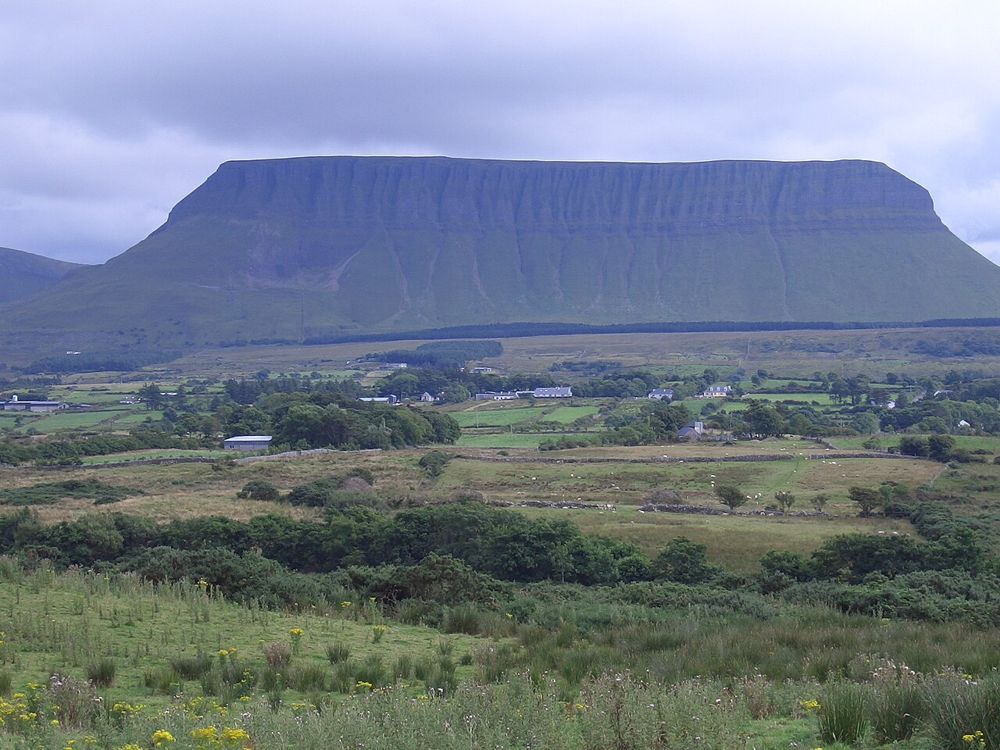
Benbulben Forest Walk gives you the mountain’s shape without turning the visit into a summit climb. Woodland and open sections frame the flat-topped limestone skyline, while wider views reach towards the coast…
Open place page →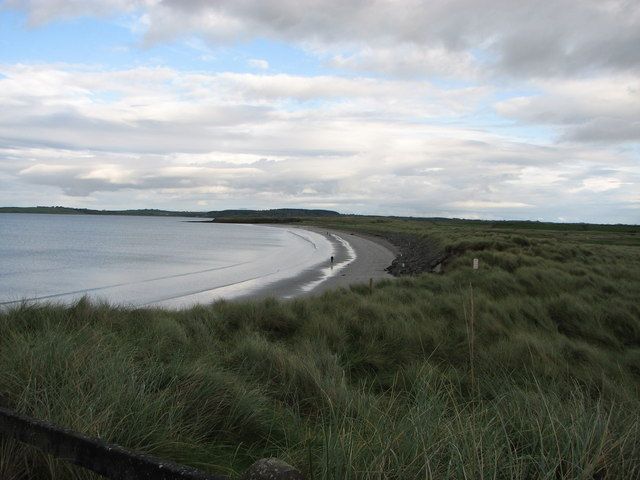
coast
Rosses Point is a gentler coastal choice than a plan built around exposed mountain ground. The peninsula combines village waterfront, beaches and views across Sligo Bay, so the visit can be as simple as a…
Open place page →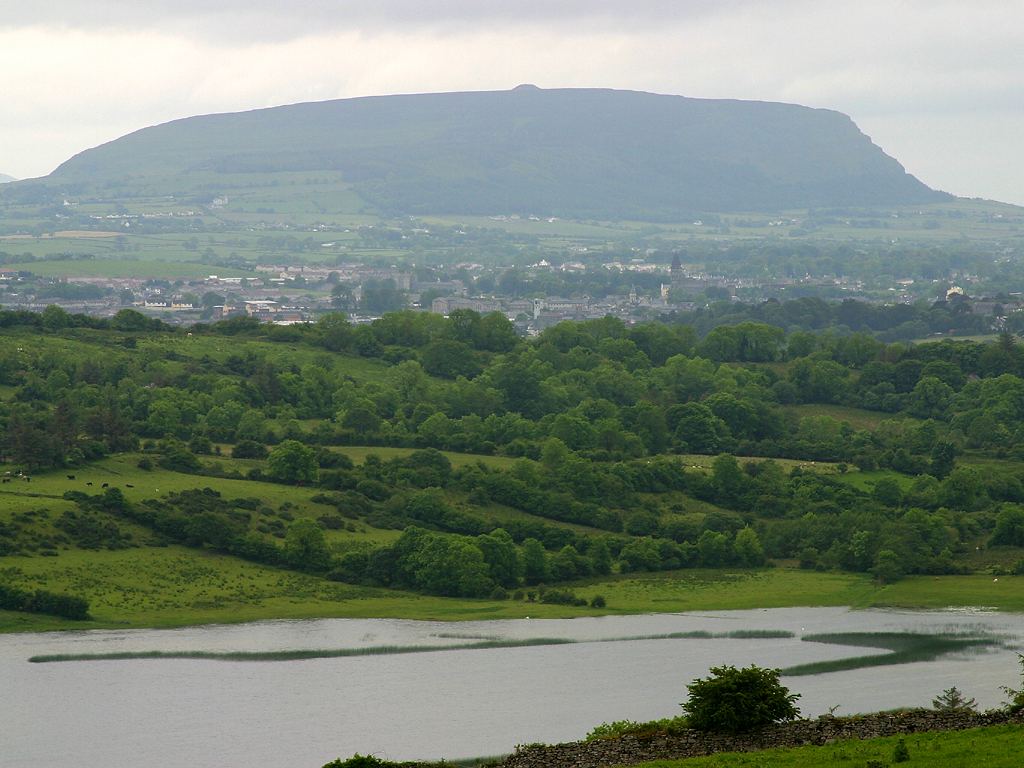
city
Sligo town is a practical urban anchor for the northwest, with a river-centred walk and cultural stops that can be chosen independently of a wider county circuit.
Open place page →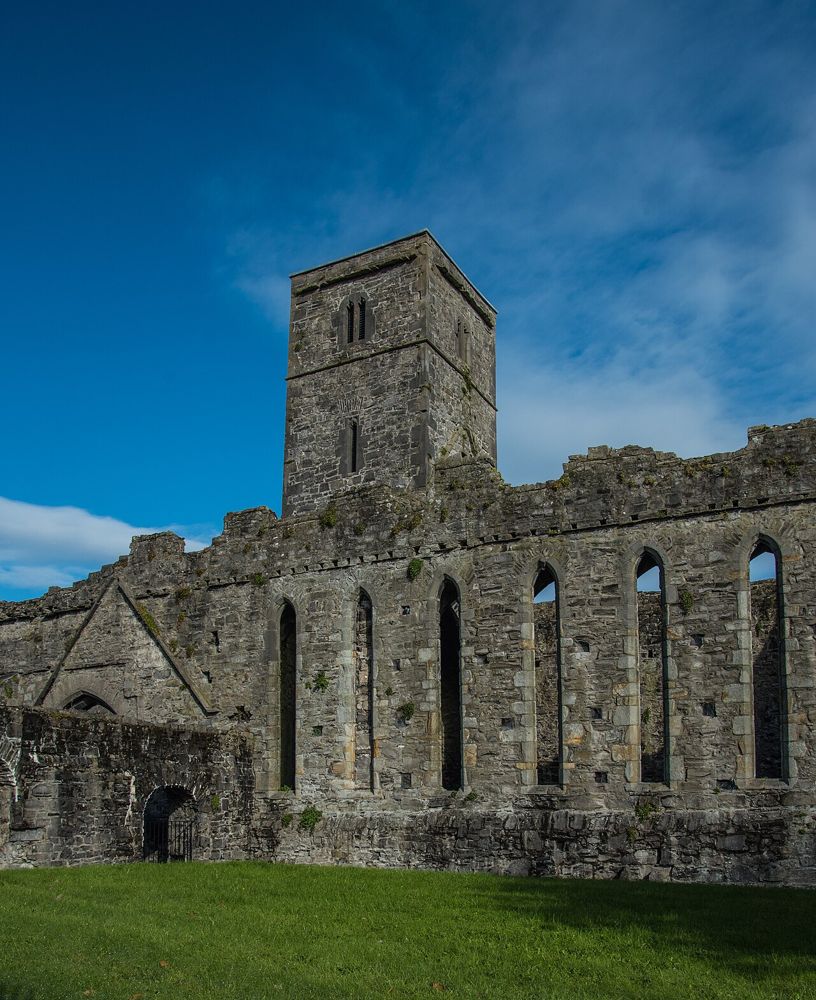
heritage
Sligo Abbey is a good place to change the scale of a town visit. Leave the traffic outside and spend time on carved stone, the cloister arcade and the surviving altar. The site is not large, but it offers…
Open place page →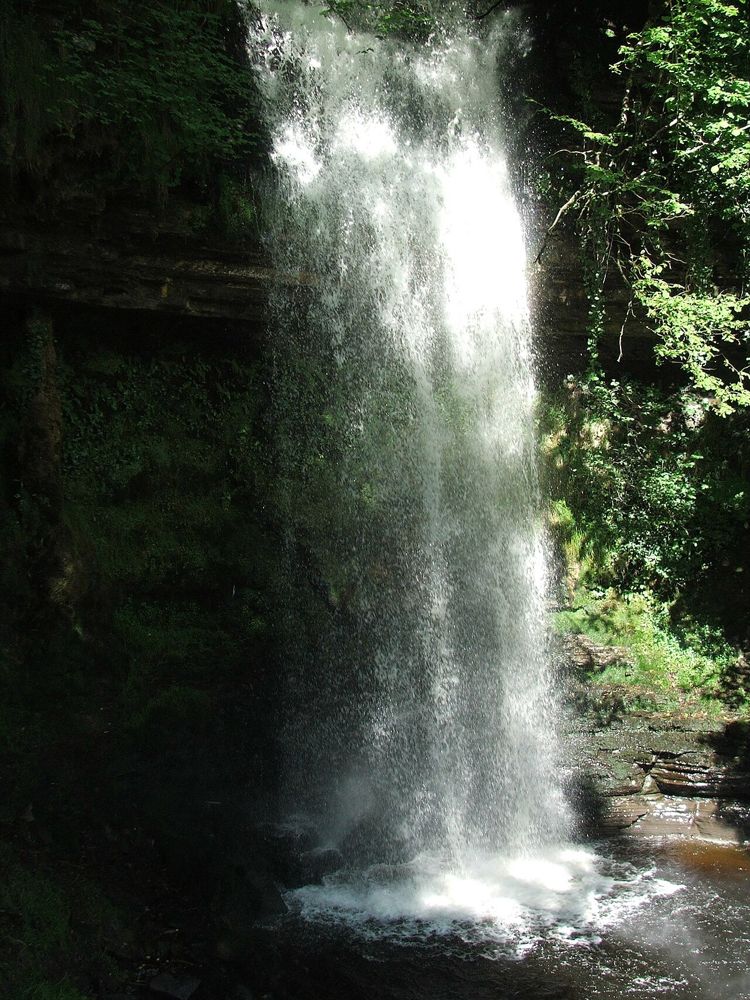
nature
Glencar is an accessible introduction to north Leitrim’s dramatic landscape, without committing to a mountain day. The waterfall sits in a wooded fold above the lake, so even the approach has a different mood…
Open place page →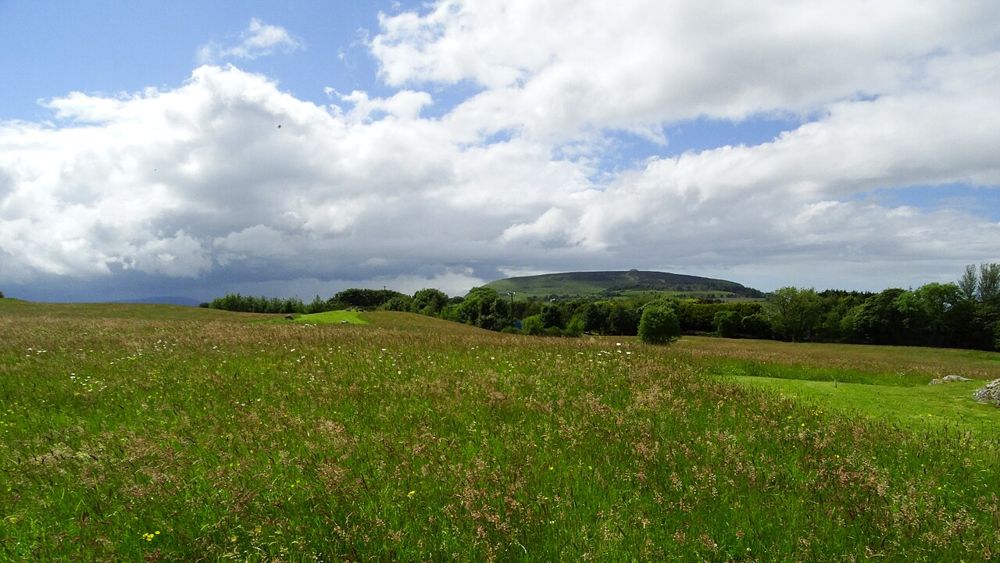
heritage
Carrowmore is a landscape of tombs rather than a single spectacular chamber. Low stone monuments sit within a wider setting framed by Sligo’s hills, and their relationship becomes more interesting as you look…
Open place page →Location & access
Churchyard is open year-round. Normal church interior season is March–October, 09:00–18:00 unless advertised otherwise; contact the operator for winter interior access.
54.32629, -8.49327 · Reference point; confirm the correct entrance and access. Map © OpenStreetMap contributors.
Orientation only: a verified public entrance is not established by this pin. Use the operator arrival information before travel.