Passenger transport
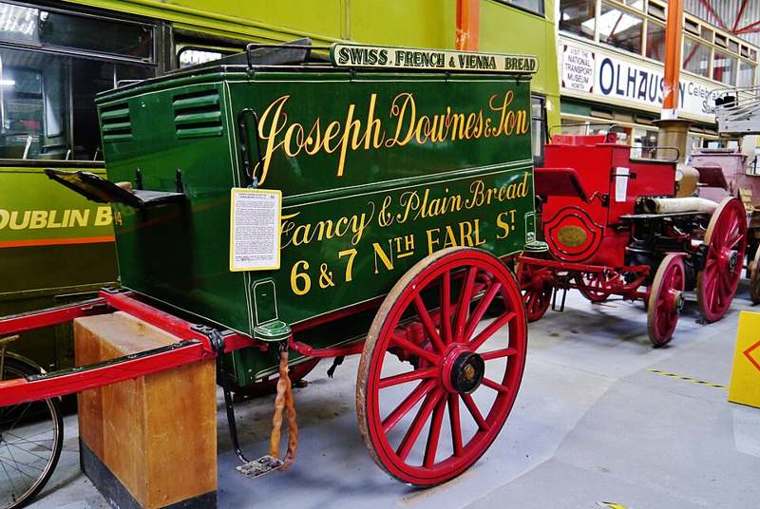
Compare the vehicles that moved people with the transport you use now. Route information, seating and the position of the driver can make practical changes over time easier to understand.

heritage · Dublin
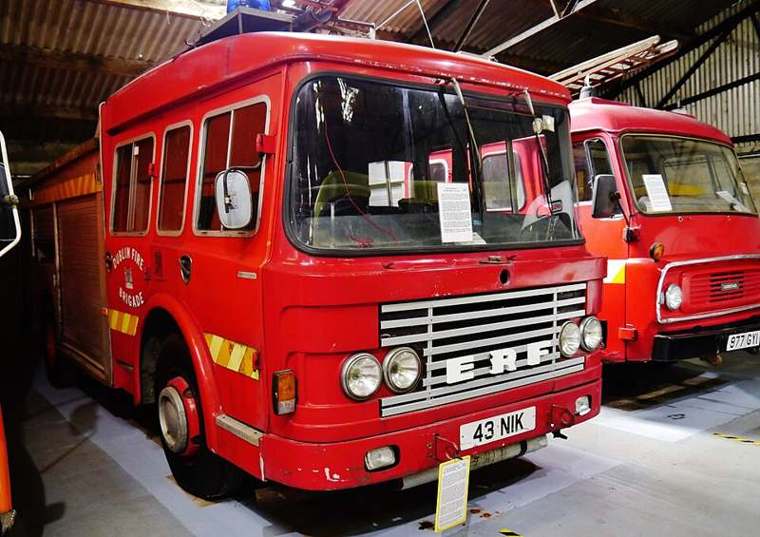
The National Transport Museum in Howth makes everyday transport feel unfamiliar again. Buses, commercial vehicles and other preserved machines ask you to look at the work they once performed: carrying passengers, delivering goods or answering emergencies. Give yourself time to compare details rather than simply counting vehicles.
From research
Choose this for an indoor collection visit with a strong interest in road transport. Start with a vehicle whose purpose you recognise, then compare it with a less familiar design. A trip here is quite different from the coastal walks that usually draw visitors to Howth.
Know before you book: The museum has a short weekend and public-holiday opening window. Arrange the day around that window, with travel separate. A preserved vehicle is not an invitation to climb aboard; follow the volunteers’ instructions about viewing, photography and access around the collection.
Place highlights
Compare the vehicles that moved people with the transport you use now. Route information, seating and the position of the driver can make practical changes over time easier to understand.
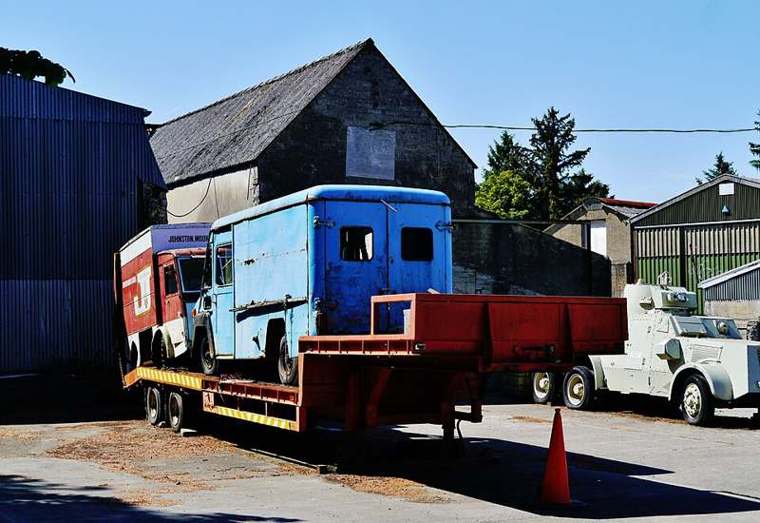
Look beyond the buses at commercial, emergency and utility vehicles. Their forms often make more sense once you identify the specific load, tool or task they were built around.
Give each vehicle room in your view. The close relationships between large machines reward a slower circuit, where a label, maker’s name or small mechanical detail can become the focus.
The story behind the visit
The preservation effort began in 1949 with an attempt to save three Dublin trams. The volunteer organisation later became the Transport Museum Society of Ireland and a limited company in 1971. Its history reflects the work needed to retain machines once their everyday usefulness has ended. Source ↗
The museum operated in County Wicklow before moving to the Heritage Depot at Howth Castle Demesne, where it opened in June 1986. The displayed collection therefore represents decades of collecting and practical preservation rather than vehicles gathered from one depot’s operating life. Source ↗
Visit Dublin groups the collection into passenger, commercial, fire and emergency, military, and utility transport. Using those categories as a way of looking can help you connect machines with public and working life. The collection is larger than the ordinary display, so do not expect every stored vehicle to be visible. Source ↗
Visitor information
Use the Heritage Depot at Howth Castle Demesne, D13 NF86. The operator identifies Howth DART station as a nearby arrival point; allow time to reach the depot from the station. The map reference locates the museum property, not a verified public doorway. Official visitor information ↗
Confirm current access and visitor arrangements with the operator.
The published regular hours are weekend and public-holiday afternoons. Do not assume weekday access without a specific arrangement. Source ↗
No. The sources distinguish displayed vehicles from the wider collection. Any access beyond the normal display requires an arrangement. Source ↗
The guide covers a museum visit. No operating ride or opportunity to board a vehicle is promised by the published admission information. Source ↗
Nearby options
Explore other places in the area, then use live directions to plan your journey.
nature
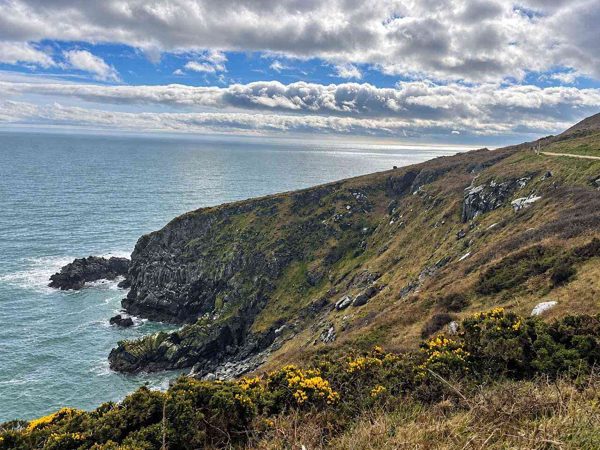
The full purple-marked Bog of Frogs loop: a substantial coastal hike, not just a quick walk to a viewpoint.
Open place page →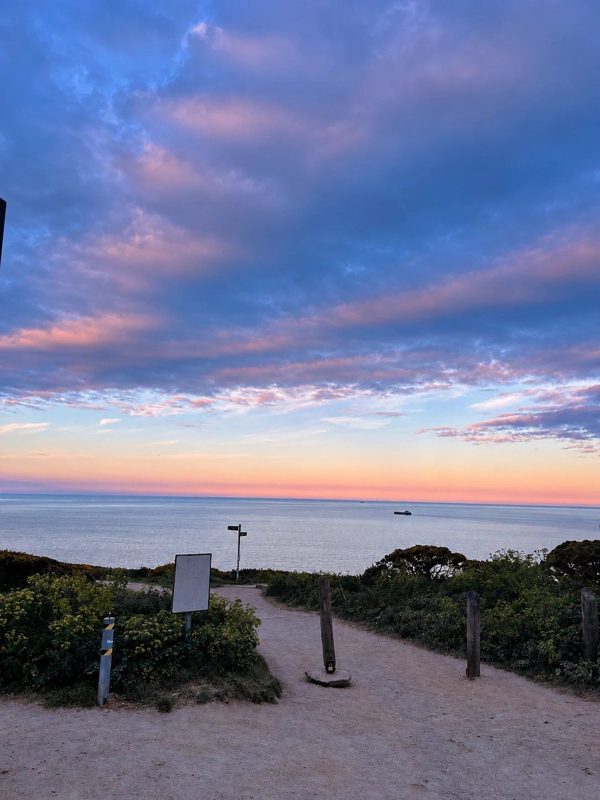
coast
A coastal outlook on Howth Head, useful when you want views without committing to the full Bog of Frogs loop.
Open place page →
coast
Dollymount’s beach, dunes and protected wildlife habitats form a very different side of Dublin’s urban coast.
Open place page →
coast
A broad sandy shore where a beach walk, dune habitat and aviation history meet.
Open place page →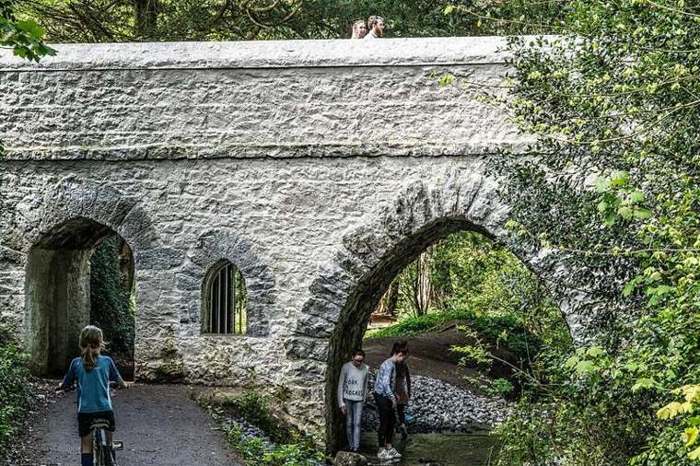
nature
St Anne’s Park offers more than a green break between Raheny and Clontarf. Its broad avenues, trees and garden buildings belong to a designed estate that became a public park. A good visit combines a simple…
Open place page →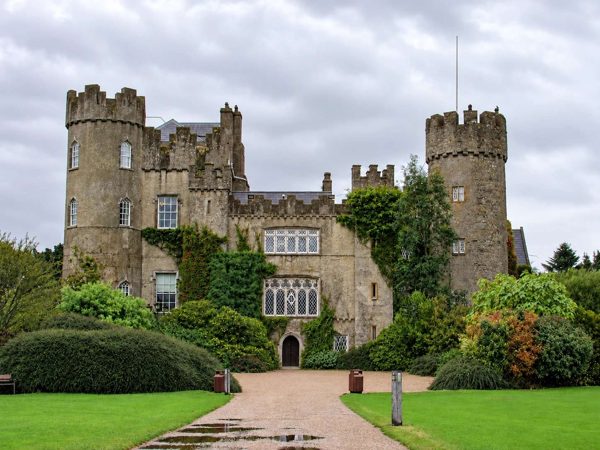
nature
A park-and-playground visit in Malahide’s castle demesne, distinct from the paid heritage attractions.
Open place page →Location & access
The museum has a short weekend and public-holiday opening window. Arrange the day around that window, with travel separate. A preserved vehicle is not an invitation to climb aboard; follow the volunteers’ instructions about viewing, photography and access around the collection.
53.38673, -6.08087 · Reference point; confirm the correct entrance and access. Map © OpenStreetMap contributors.
Orientation only: a verified public entrance is not established by this pin. Use the operator arrival information before travel.