Hand-operated iron presses
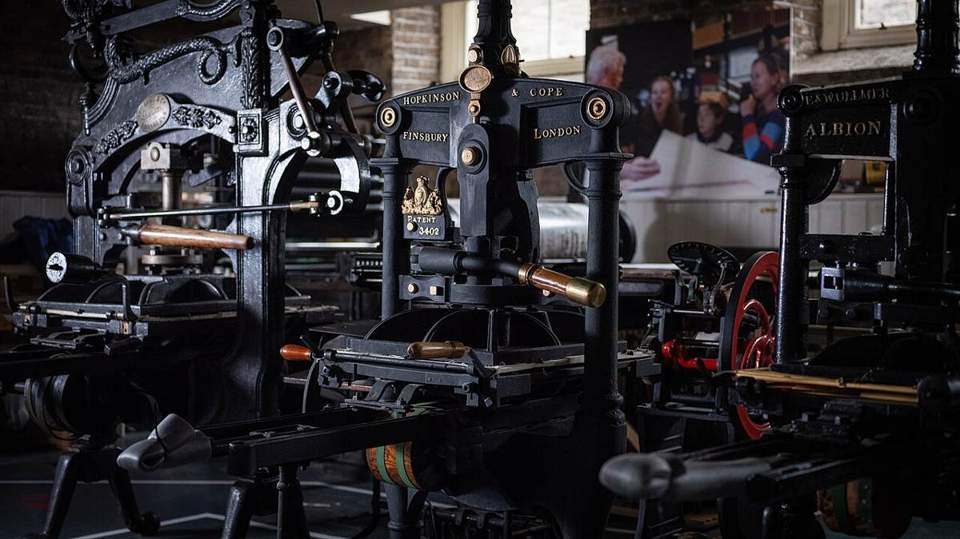
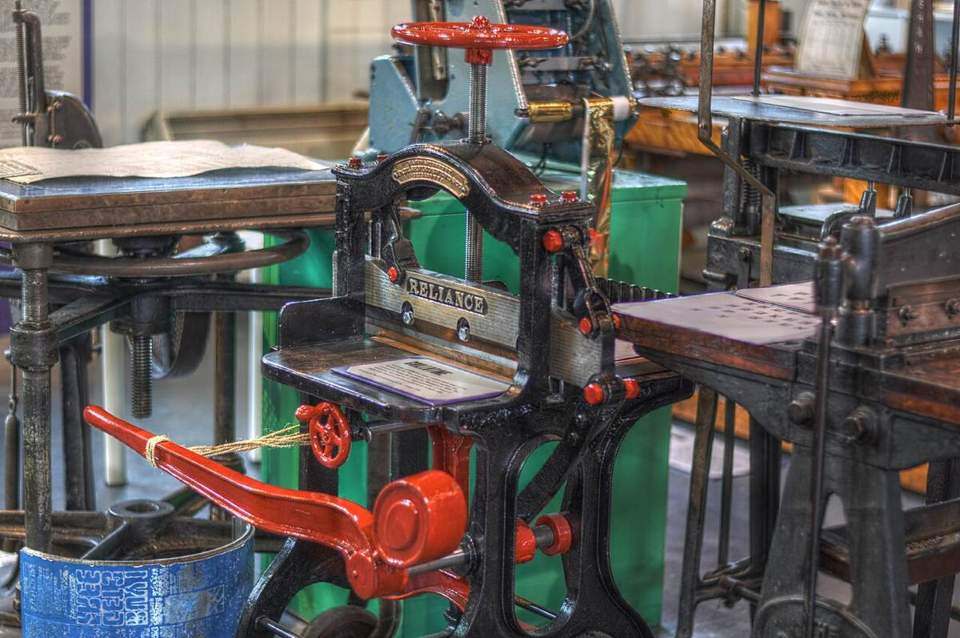
Compare the heavy frames and working parts of the older presses. Ask how pressure, ink and paper come together, and look for the differences between hand operation and later powered equipment.

heritage · Dublin
The National Print Museum turns a printed page into a physical process: choosing type, setting words, pressing ink onto paper and finishing the result. In a former barracks chapel, the machines make a useful starting point for thinking about the labour behind everyday books, posters and newspapers.
From research
Choose this stop for craft, design and the mechanics of communication. Follow the process as well as the individual presses. A guided tour can add an interactive element, while a self-guided visit lets you spend longer with the objects that interest you.
Know before you book: General admission is free, with paid guided options booked separately. Do not assume machinery will be demonstrated continuously. The permanent collection is on the accessible ground floor; the mezzanine exhibition and Creative Corner have an important access limitation.
Place highlights
Compare the heavy frames and working parts of the older presses. Ask how pressure, ink and paper come together, and look for the differences between hand operation and later powered equipment.
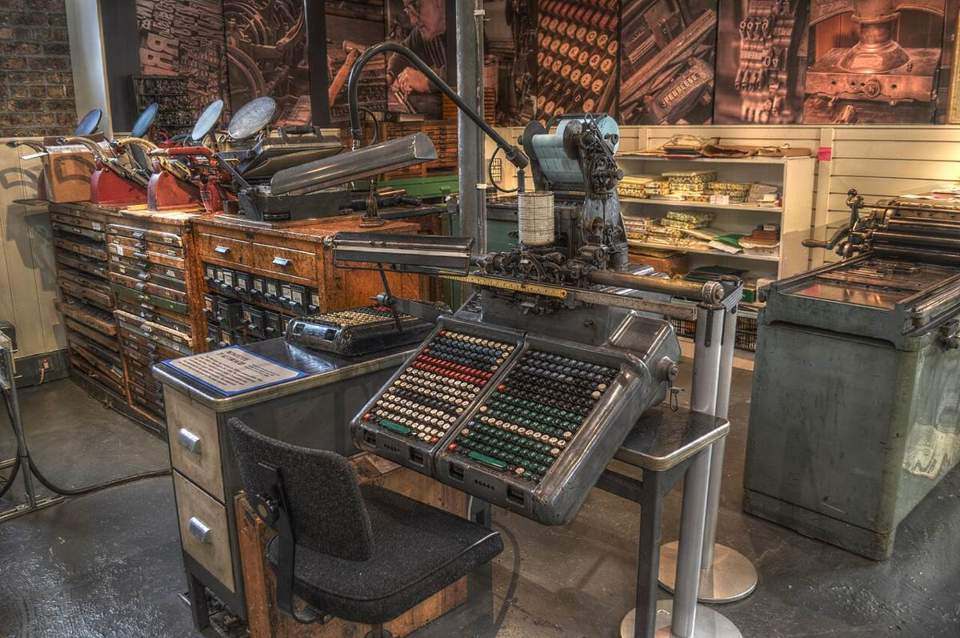
Look for wood and metal type, printing blocks and composing equipment. Thinking about how a line of text is assembled makes the finished printed page feel much less automatic.
The museum maintains printing objects and traditional skills together. Use the labels or a guide to connect each machine with its place in the process, without assuming every item can be operated by visitors.
The story behind the visit
Members of the printing industry, led by Sean Galavan, founded the museum. Mary Robinson officially opened it in April 1996. Its setting in the old Garrison Chapel at Beggars Bush gives the collection a distinct home, but the central story is the craft and its effect on daily life. Source ↗
The collection includes hand-operated iron presses from the nineteenth century, cylinder presses, movable type and equipment for composing and finishing. Its Wharfedale press is the same type as the machine used to print the 1916 Proclamation; that is different from claiming it is the original Proclamation press. Source ↗
Preserving this heritage involves people as well as machines. The museum’s work helped secure letterpress printing a place on Ireland’s National Inventory of Intangible Cultural Heritage in 2019. Looking at the equipment is therefore an introduction to knowledge that has to be practised and passed on. Source ↗
Visitor information
Enter Beggars Bush Barracks through the main archway on Haddington Road, Dublin 4, then turn right and follow the footpath to the old chapel at the back-right. The museum’s Eircode is D04 E0C9. Use its access instructions for the rear café entrance if required. Official visitor information ↗
Confirm current access and visitor arrangements with the operator.
General admission is free and individuals or families need not book ahead. Guided tours are a separate booking. Source ↗
The museum states that its mezzanine temporary exhibition space is not accessible. The permanent collection is on the accessible ground floor. Source ↗
Interactive tours are offered, but participation depends on the booked activity and staff instructions. Ask before touching or operating collection objects. Source ↗
Nearby options
Explore other places in the area, then use live directions to plan your journey.
attraction
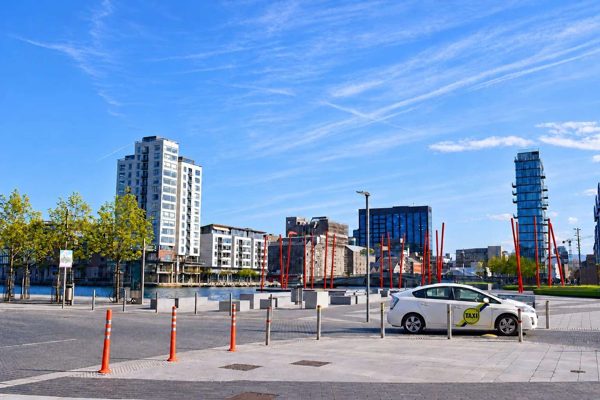
A designed waterfront square where bold paving, planting and theatre architecture meet Grand Canal Dock.
Open place page →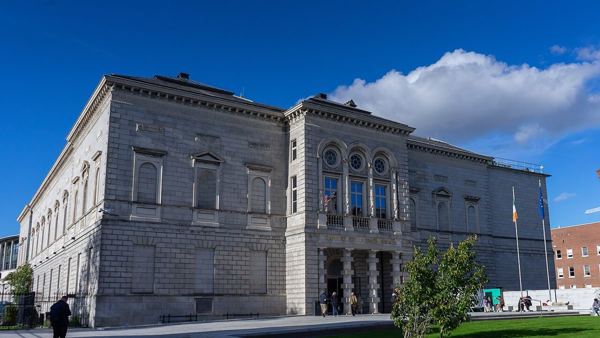
heritage
The National Gallery makes a free art stop in central Dublin, with Irish paintings alongside European works by Caravaggio, Vermeer and others. A small route gives you time to look closely; a ticketed temporary…
Open place page →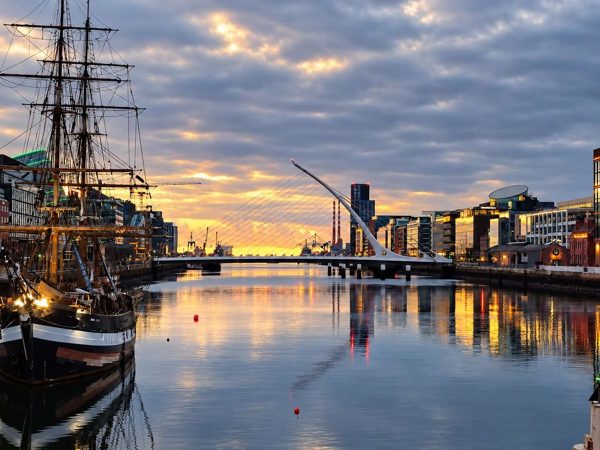
attraction
A modern Liffey crossing whose harp-like form helps explain the changing Docklands skyline.
Open place page →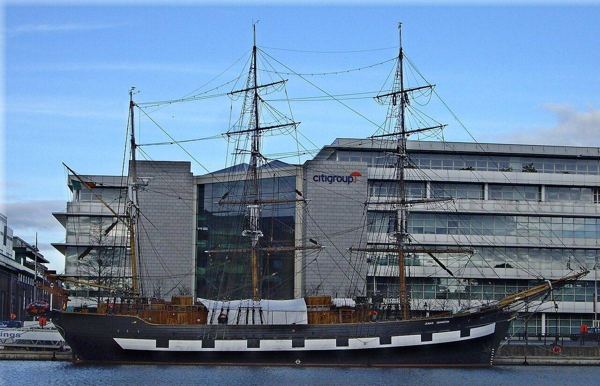
heritage
Board a replica emigrant ship for a guided account of the people who crossed the Atlantic during the Great Famine. The physical setting makes a useful companion to EPIC’s broader migration story.
Open place page →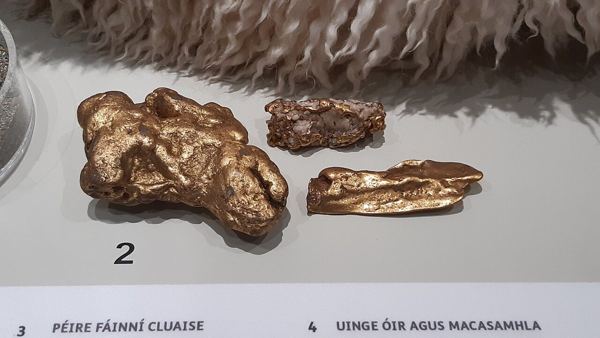
heritage
The Kildare Street museum brings Ireland’s archaeology into focus through metalwork, gold and evidence of earlier lives. Admission is free, making a focused collection visit possible without buying a bundled…
Open place page →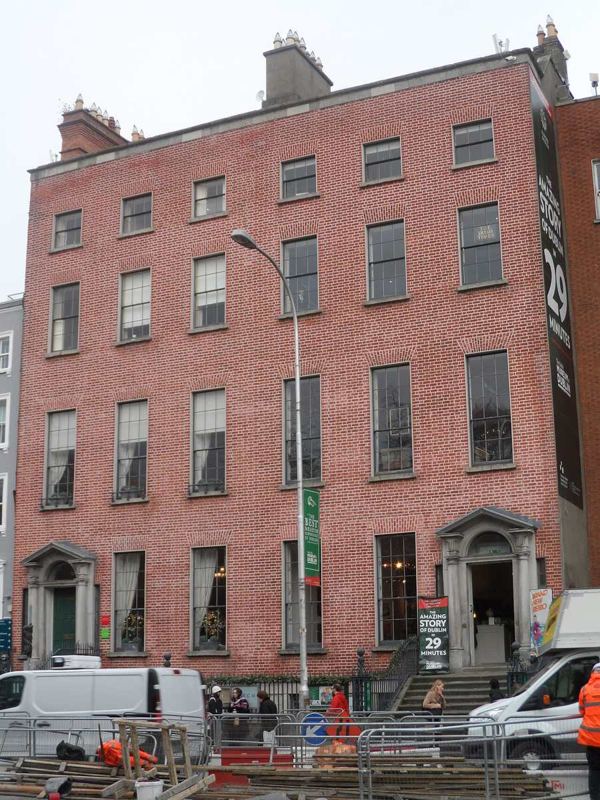
heritage
The Little Museum turns a Georgian townhouse on St Stephen’s Green into a compact introduction to Dublin. The standard experience combines a live, roughly 29-minute guided performance with time to explore the…
Open place page →Location & access
General admission is free, with paid guided options booked separately. Do not assume machinery will be demonstrated continuously. The permanent collection is on the accessible ground floor; the mezzanine exhibition and Creative Corner have an important access limitation.
53.33525, -6.23544 · Reference point; confirm the correct entrance and access. Map © OpenStreetMap contributors.
Orientation only: a verified public entrance is not established by this pin. Use the operator arrival information before travel.