The rows of headstones
Look at the relationship between the repeated forms and the individual names, ages and dates. A few carefully read inscriptions often make a stronger impression than a rapid circuit of the whole cemetery.

heritage · Dublin
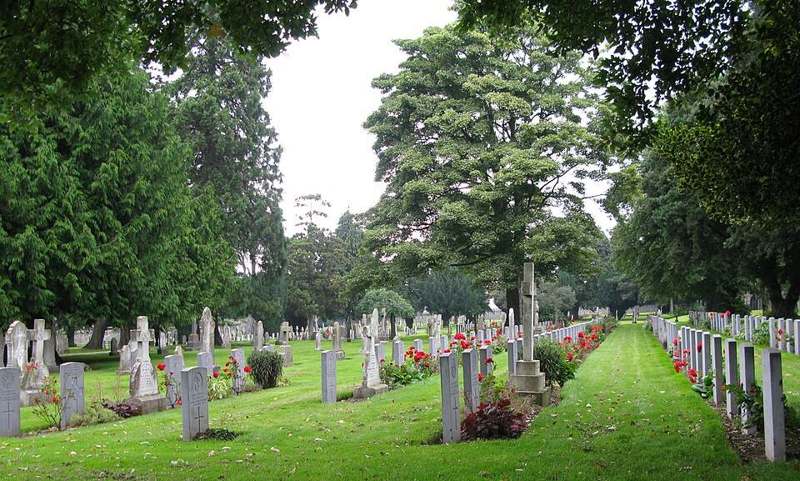
At Grangegorman, rows of graves and larger memorials turn an outdoor walk into an encounter with individual lives. The cemetery lies on Blackhorse Avenue beside the Phoenix Park area. Give it an unhurried hour, with time to read a few inscriptions rather than trying to catalogue every stone.
From research
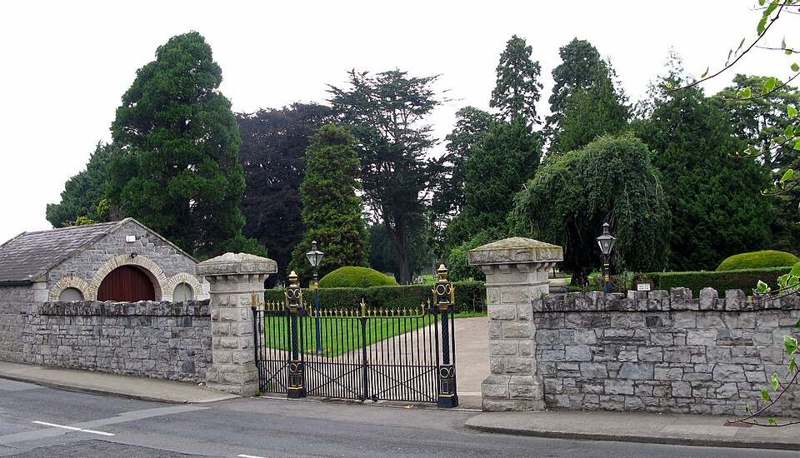
Choose this stop for military and family history, quiet reflection and the details of commemoration. Begin by orienting yourself at the entrance, then move between the rows and the screen-wall memorial. Notice how different forms of remembrance sit within the same landscape.
Know before you book: This is a working place of remembrance with uneven walkways, not a collection of objects to handle. Stay on suitable public routes and give other visitors space. The regular guided-tour programme is seasonal, so plan winter visits independently.
Place highlights
Look at the relationship between the repeated forms and the individual names, ages and dates. A few carefully read inscriptions often make a stronger impression than a rapid circuit of the whole cemetery.
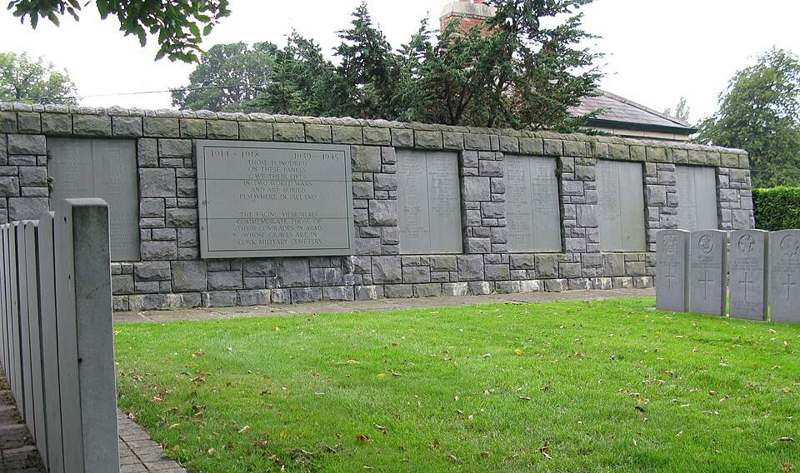
The limestone wall commemorates people whose graves elsewhere in Ireland can no longer be maintained. It expands the cemetery’s meaning beyond the burials immediately around you.
Take in the mature trees, lawns and larger memorials as well as the closely spaced stones. These changes of scale help you read the cemetery as a designed and maintained place of remembrance.
The story behind the visit
The cemetery opened in 1876 for British service personnel and their families. The Phoenix Park operator’s history connects its beginnings with the soldiers of Marlborough Barracks, now McKee Barracks. Family burials are part of the story alongside the more readily recognised military graves. Source ↗
The grounds contain graves associated with both world wars and British soldiers killed during the Easter Rising. Read dates closely rather than assigning every stone to the same conflict. The variety of commemorated lives makes the site a useful counterpoint to Dublin’s other memorial gardens. Source ↗
The screen wall addresses a particular problem of remembrance: what happens when a grave elsewhere can no longer be maintained. Names brought together here retain a public point of commemoration. Seeing this alongside the individual headstones makes the distinction between a burial and a memorial clearer. Source ↗
Visitor information
Use Blackhorse Avenue, Dublin 7, D07 PK13, outside the Phoenix Park. Follow the cemetery’s public pedestrian access and posted instructions. The official map point is an orientation reference for the property, not a guarantee about a particular gate or step-free route. Official visitor information ↗
Confirm current access and visitor arrangements with the operator.
No. Grangegorman is on Blackhorse Avenue. Arbour Hill is a separate cemetery behind Collins Barracks. Source ↗
No. The site includes service personnel and families, graves from both world wars and burials associated with the 1916 Rising. Source ↗
The cemetery has published daily opening hours independent of the April–October tour programme. Use those hours for a self-guided visit. Source ↗
Nearby options
Explore other places in the area, then use live directions to plan your journey.
nature
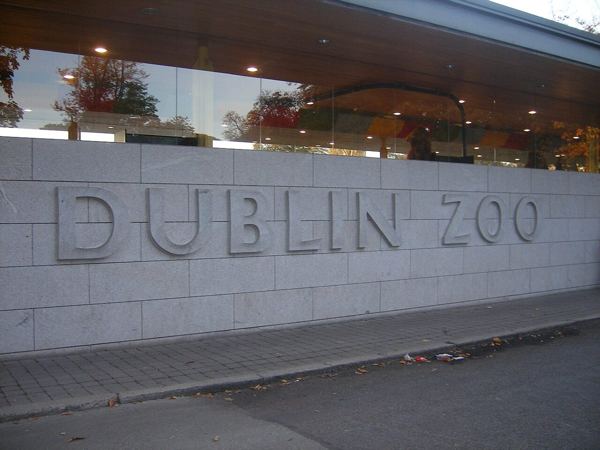
Dublin Zoo is a substantial ticketed outing within Phoenix Park, with routes through elephant, savanna, primate and smaller animal habitats. Plan a half-day rather than treating it as a quick extra on a city…
Open place page →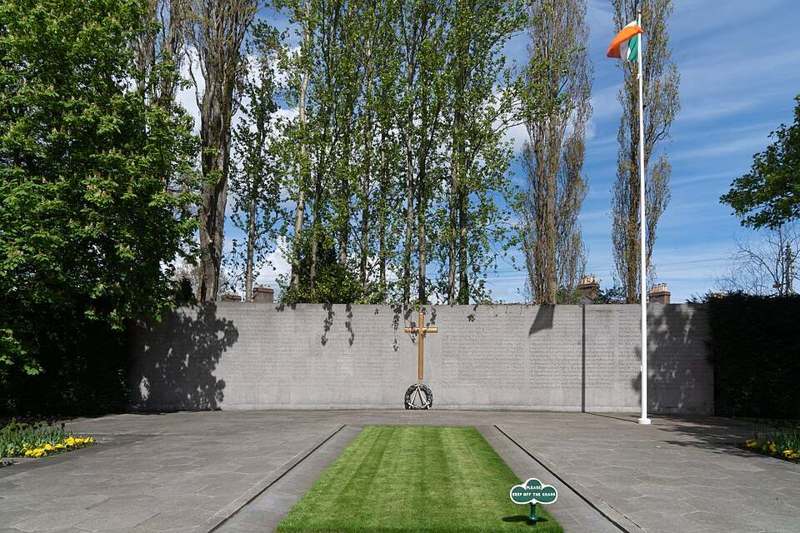
heritage
Arbour Hill is a place to pause at the end of a Dublin history walk. Fourteen executed leaders of the Easter Rising are buried here, and the memorial gives their shared grave a powerful presence within an…
Open place page →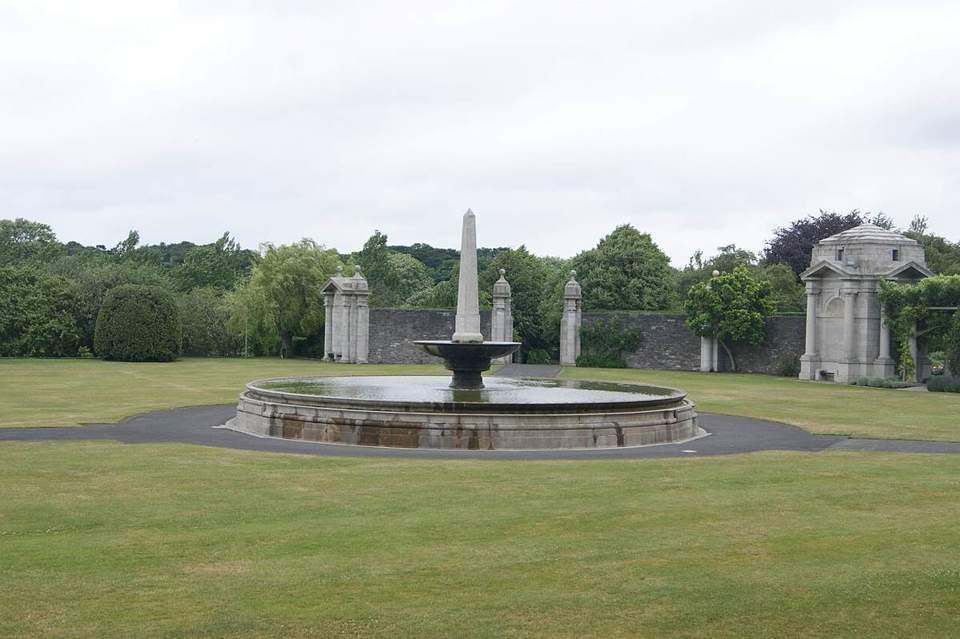
heritage
At Islandbridge, remembrance is spread across a designed landscape of lawns, stone, sheltered gardens and trees. Give the Irish National War Memorial Gardens time as a place to walk and reflect: the…
Open place page →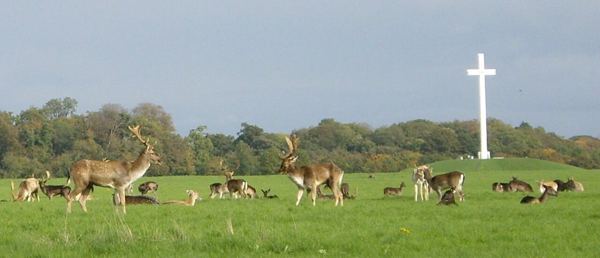
nature
Large parkland, gardens, built heritage and wild deer on Dublin’s western side.
Open place page →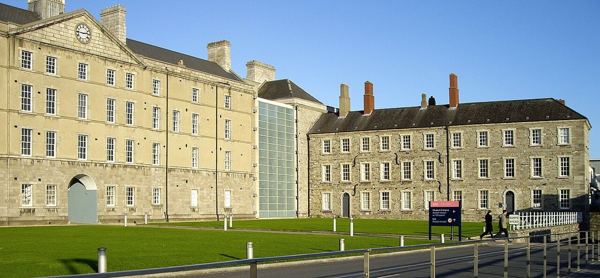
heritage
Explore decorative arts, design and military history inside the former Collins Barracks beside the Liffey.
Open place page →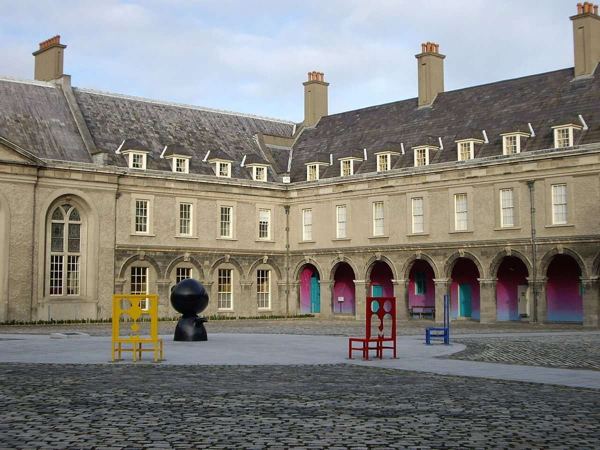
heritage
Contemporary art meets the courtyards and grounds of the Royal Hospital Kilmainham.
Open place page →Location & access
This is a working place of remembrance with uneven walkways, not a collection of objects to handle. Stay on suitable public routes and give other visitors space. The regular guided-tour programme is seasonal, so plan winter visits independently.
53.35950, -6.30604 · Reference point; confirm the correct entrance and access. Map © OpenStreetMap contributors.
Orientation only: a verified public entrance is not established by this pin. Use the operator arrival information before travel.


