Skip to content
TheLazyNick

heritage · Galway

Clonfert Cathedral

Clonfert Cathedral is best known for its richly carved Romanesque doorway, set within a churchyard near the River Shannon. The small building belongs to a much older ecclesiastical landscape associated with St Brendan. Make the doorway and exterior the core of a visit, arranging any interior access separately with the parish.

Add to planSaved trips & places

Saved on this browser. No account needed.

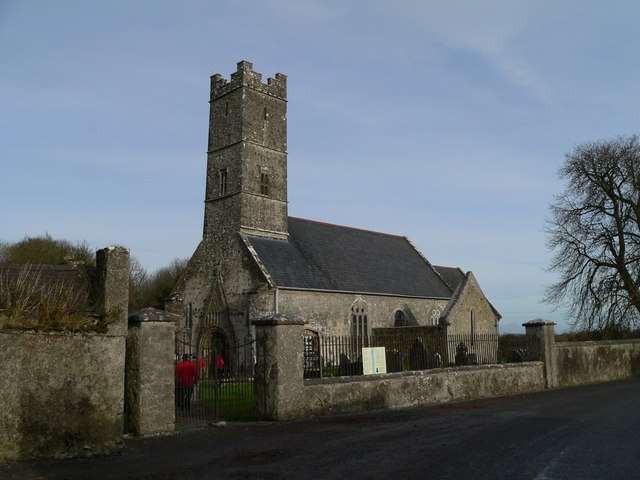
The tower and church at Clonfert Cathedral
The tower and church at Clonfert Cathedral. Resized for display. Photo: Aiden Clarke ↗ · CC BY-SA 2.0

From research

Is this worth your time?

Choose it for close study of medieval carving and a quieter church setting in east Galway. Its strength is detail rather than scale, so a short, attentive visit can be rewarding. Do not build a special journey around an assumed open church: the official visitor listing says the building is normally locked.

Know before you book: The cathedral interior is not reliably open for casual arrival. Contact the parish about current arrangements, respect services and private property, and keep an exterior visit as the dependable scope.

Place highlights

What you will actually see

01

Romanesque doorway

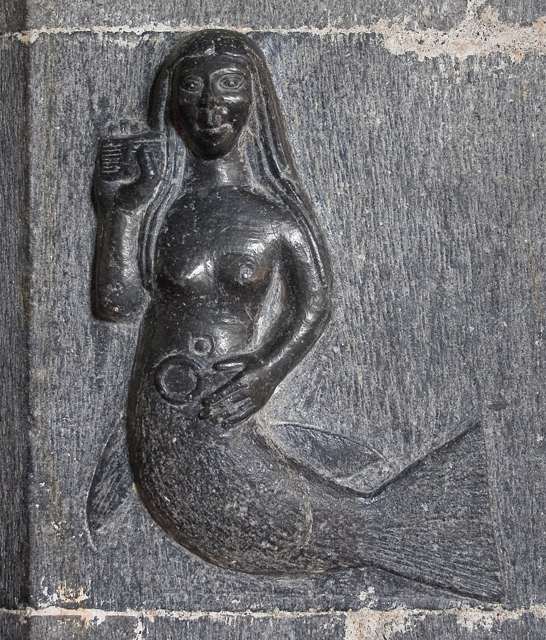
Allow time to look across the successive carved orders of the doorway rather than taking one quick photograph. Its depth and repetition create a strong architectural focus, and changing light can make different details easier to distinguish.

02

Church and churchyard

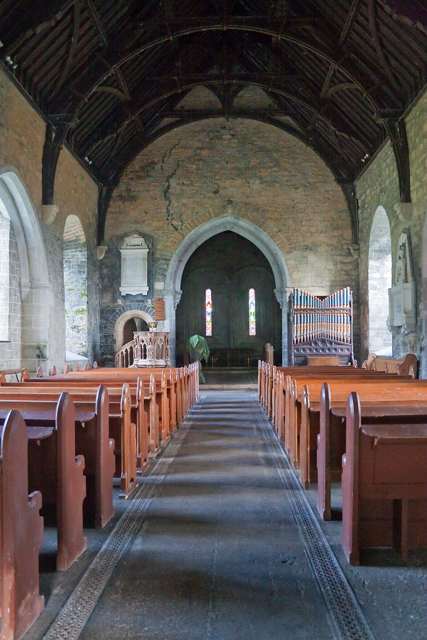
Step back to see the doorway in relation to the rest of the small cathedral and surrounding burial ground. This is a continuing religious setting, so quiet movement and respect for graves belong alongside architectural interest.

03

Older monastic landscape

The cathedral occupies a place associated with St Brendan’s early monastery. The relationship between an early foundation and later medieval building is central to the visit, even when the surviving fabric does not reproduce the first religious settlement.

The story behind the visit

The story behind the place

Clonfert’s ecclesiastical history reaches back to a sixth-century monastery associated with St Brendan. The elaborate doorway dates to around 1200, representing a much later phase in the life of the site. Keeping those periods distinct makes the architecture easier to understand: a famous early foundation could remain important while its buildings were replaced, enlarged or reinterpreted over the centuries. Source ↗

The doorway is the clearest visible expression of that later medieval ambition. Its carving rewards a patient visit without requiring a complete reconstruction of the monastery. The cathedral also remains part of the Church of Ireland’s parish network, so present use and access matter alongside its age. Plan around the published locked-door arrangement, ask the parish about any interior visit, and avoid treating nearby homes or adjoining land as unrestricted visitor space. The modest size of the church makes this careful distinction between surviving evidence, older tradition and present use particularly important. Source ↗

Visitor information

Tickets, timing and access

Opening
Exterior-focused visit. The official visitor listing says the church is locked; contact the parish to arrange interior access.Confirm with the operator ↗
Admission
Check current site arrangements; no staffed visitor-centre experience is included in this plan.Confirm with the operator ↗
Booking
Contact the parish before travel if an interior visit or group visit is essential.Confirm with the operator ↗
Access
Churchyard and historic surfaces require care. Confirm church access and individual mobility needs with the parish.Confirm with the operator ↗
Duration
Allow 30–45 minutes, depending on conditions and interest.Confirm with the operator ↗
Seasonal
Exposed outdoor remains can be wet or slippery. Short winter daylight calls for a flexible plan.Confirm with the operator ↗

Getting to the entrance

Clonfert is in east County Galway near the Shannon, about 9 km from Banagher. Use the parish or official visitor map for arrival. Official visitor information ↗

Your questions, answered

Confirm current access and visitor arrangements with the operator.

Is the cathedral normally open?

The official visitor listing says it is locked. Arrange any interior visit with the parish. Source ↗

What is the principal exterior feature?

The finely carved Romanesque doorway, dating to around 1200. Source ↗

Nearby options

Nearby places to explore

Explore other places in the area, then use live directions to plan your journey.

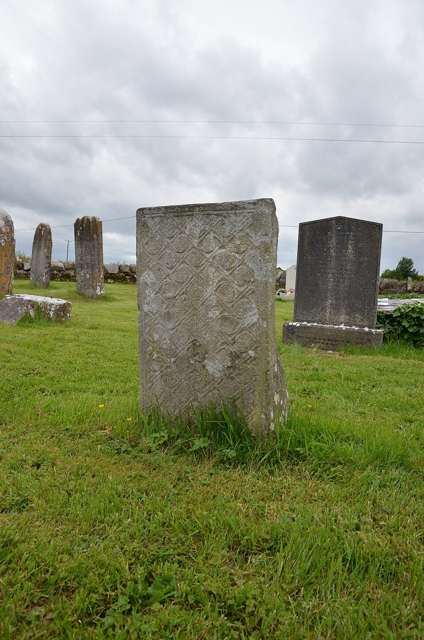
The lozenge stone in Lemanaghan’s historic graveyard
The lozenge stone in Lemanaghan’s historic graveyard. Resized for display. Photo: A.-K. D. ↗ · CC BY-SA 4.0

heritage

Lemanaghan Monastic Site

Lemanaghan preserves a monastic landscape near Boher in County Offaly, with a medieval church ruin, holy well and sacred tree associated with St Manchan. Paths and local tradition connect these modest…

Open place page →
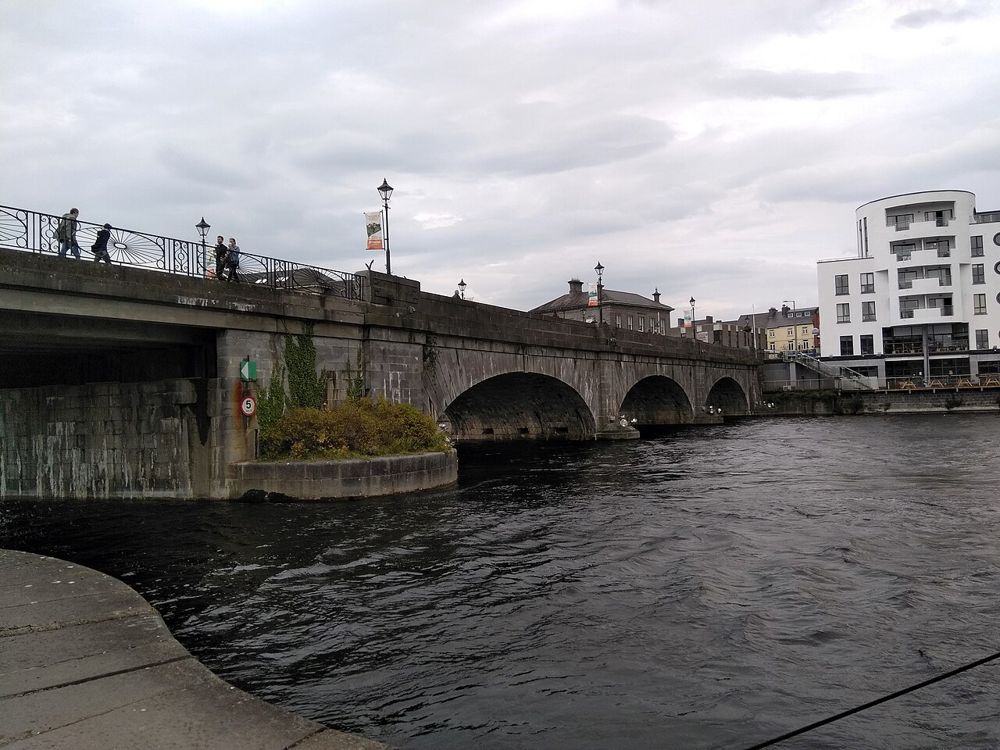
Athlone bridge over the River Shannon
Athlone bridge over the River Shannon. Source photograph; appearance and access may have changed. Resized from the credited source. Photo: Dvcireland ↗ · CC BY-SA 4.0

city

Athlone East Bank and Shannon Waterfront

Athlone makes the Shannon feel like the centre of a town rather than a line on a map. Start on the east bank, look across to the castle, and give the bridge and streets time between larger attractions.

Open place page →
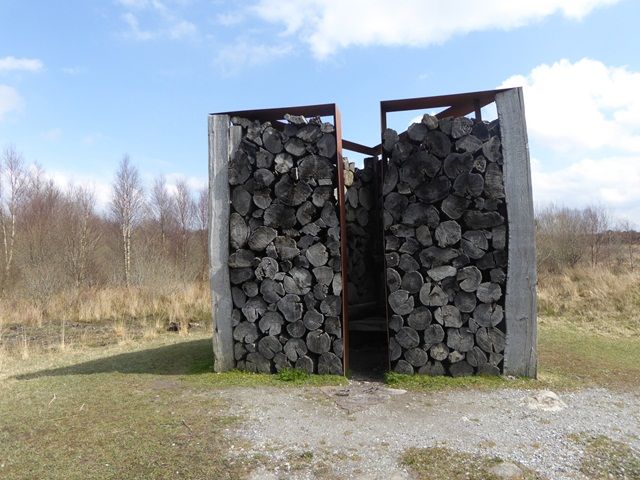
The Lough Boora Triangle sculpture in the discovery park
The Lough Boora Triangle sculpture in the discovery park. Source photograph; appearance and access may have changed. Resized from the credited source. Photo: Oliver Dixon ↗ · CC BY-SA 2.0

nature

Lough Boora Discovery Park

Boora is open sky, long horizons and unexpected sculpture on former industrial peatland. The art works best when you encounter it through the landscape rather than treat every piece as a quick photo stop.

Open place page →
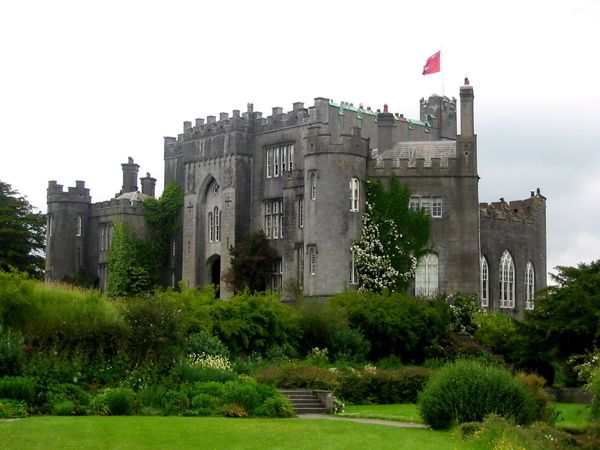
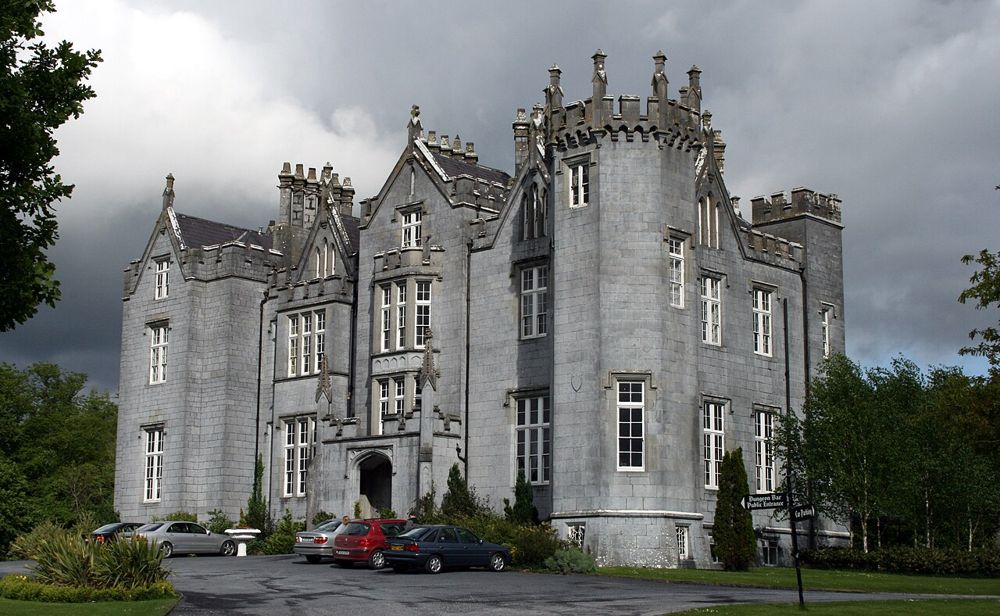
Kinnitty Castle provides setting for the woodland route
Kinnitty Castle provides setting for the woodland route. This is a view of the building, not a photograph of the full loop or an invitation to enter the hotel. Resized from the credited source. Photo: Sarah777 ↗ · CC BY-SA 2.0

nature

Kinnitty Castle Woodland Loop

This marked woodland walk brings the Slieve Bloom foothills down to a manageable scale, with broadleaf cover and the castle setting providing variety along the way.

Open place page →

External visitor reviews

Find the matching listing and reviews on Google Maps ↗

Part of a bigger journey

Location & access

Getting your bearings

The cathedral interior is not reliably open for casual arrival. Contact the parish about current arrangements, respect services and private property, and keep an exterior visit as the dependable scope.

53.24069, -8.05837 · Reference point; confirm the correct entrance and access. Map © OpenStreetMap contributors.

Orientation only: a verified public entrance is not established by this pin. Use the operator arrival information before travel.

Sources & place context

Browse more Ireland places →