From research
Is this worth your time?
Choose it for religious landscapes where paths, ruins and local tradition belong together. The site can be visited separately from an Offaly Way walk. The shrine at Boher is a separate stop; confirm church access before travelling rather than expecting it at the open-air ruins.
Know before you book: Follow current signed routes and respect graves, the holy well and private boundaries. St Manchan’s Shrine is in a separate church at Boher; this guide does not promise access to that interior.
The story behind the visit
The story behind the place
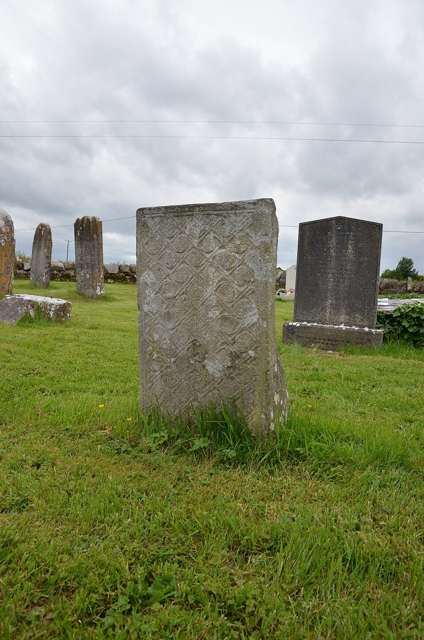
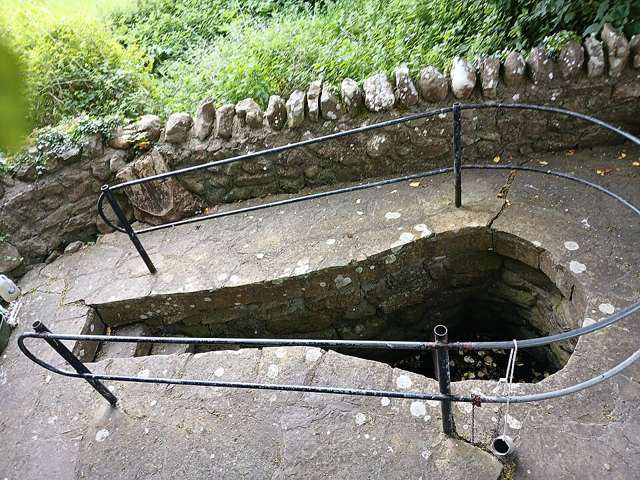
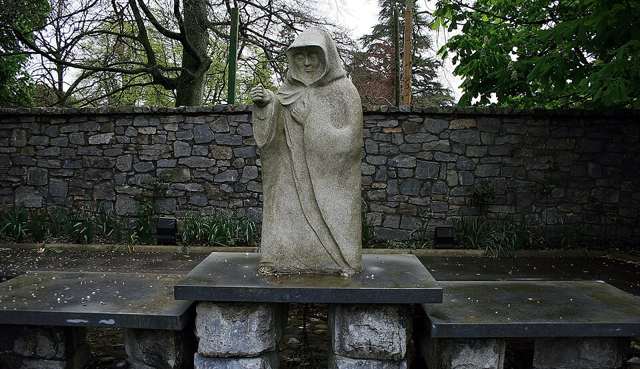
The official Offaly visitor service associates Lemanaghan with St Manchan and a seventh-century foundation. A medieval church ruin, holy well and sacred tree preserve different aspects of the religious landscape. These features should not all be assigned to the same date: the significance of the place developed through repeated use, rebuilding, remembrance and pilgrimage over a much longer period. Source ↗
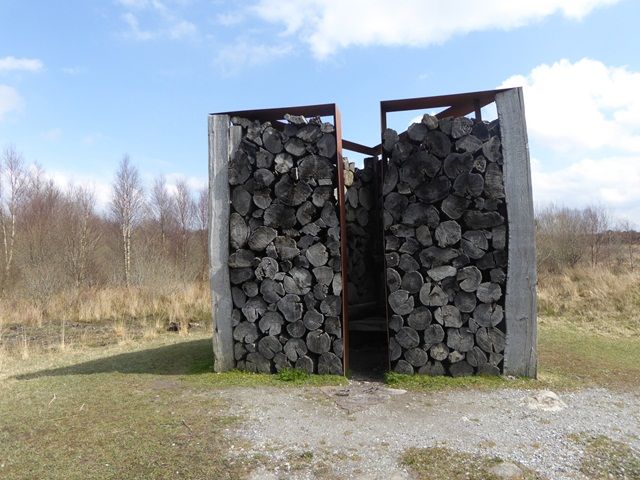
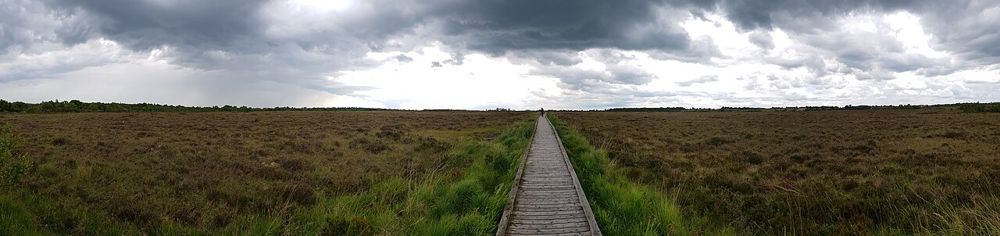
The celebrated St Manchan’s Shrine is housed separately in the church at nearby Boher, making it important to distinguish the open-air site from another building’s visitor arrangements. The monastic landscape also connects with the Offaly Way, a modern walking route linking heritage and countryside. That wider connection can enrich a visit without obliging every visitor to undertake a long walk or assuming unrestricted access across the surrounding land. The modest features become more legible when considered together, allowing the place to retain its religious significance without inventing a single grand plan or a fully preserved original monastery. Source ↗