Skip to content
TheLazyNick

heritage · Cork

Castlelyons Carmelite Priory

Castlelyons is an unguided Carmelite priory ruin, with limited parking and ground-level viewing of the church and tower. The surviving church fabric belongs mainly to the fifteenth century, although the foundation began earlier. Its village setting makes a compact heritage stop where the relationship between patronage, worship and later reuse is more informative than a quick photograph.

Add to planSaved trips & places

Saved on this browser. No account needed.

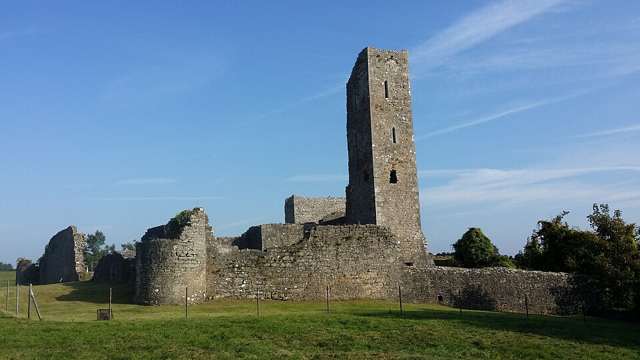
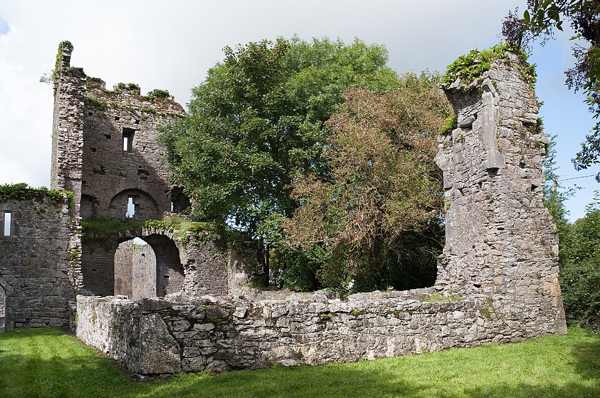
The tower and choir remains at Castlelyons Carmelite Priory.
The tower and choir remains at Castlelyons Carmelite Priory. Photo: Andreas F. Borchert ↗ · CC BY-SA 4.0

From research

Is this worth your time?

Choose this site if you enjoy modest ruins with a clear local story. Look at the church arrangement and surviving tower from permitted ground, then consider the family connections behind the foundation. The present remains should be approached as a conserved monument, not a climbable shell or a fully accessible medieval building.

Know before you book: The Carmelite priory survives as roofless ruins in a burial ground. Keep to permitted areas and view the fabric from ground level.

Place highlights

What you will actually see

01

The church remains

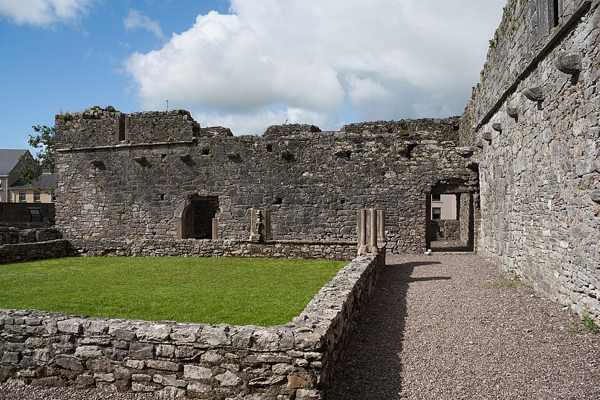
Use the surviving nave and chancel to understand the outline of the church. Their relationship matters more than identifying every blocked opening. Remain on permitted routes and avoid crossing loose masonry or entering an enclosed section to obtain a more complete view of the plan.

02

The tower from below

Observe the tower as part of the church’s vertical arrangement. A staircase mentioned in an architectural account describes the historic building, not a visitor climbing route. The ruin’s appearance and proportions can be appreciated from secure ground without testing a doorway or stair.

03

Patronage and later care

Consider the priory as part of the de Barry family’s wider presence in Cork. Later transfer and conservation altered its role without erasing its identity. Look for the distinction between original surviving fabric and later stabilisation without assuming every repair belongs to the same period.

The story behind the visit

The story behind the place

John de Barry founded the priory in the early fourteenth century after receiving royal permission to grant land to Carmelite friars. The de Barrys were influential in Cork and supported several religious foundations. That context connects a relatively small present-day ruin with networks of wealth, land and patronage. The standing fabric is chiefly associated with the fifteenth century, so the foundation date and the age of every surviving wall should not be treated as interchangeable facts. Source ↗

After the Reformation, the property passed to Richard Boyle, Earl of Cork, who granted it to his daughter Alice. The site later accommodated a hedge school, showing that a former religious building could acquire another local function. Conservation by the Office of Public Works in the twentieth century added a further stage in its history. The monument seen today is therefore the result of several distinct episodes: foundation, rebuilding, changed ownership, reuse and protection. Looking at these stages together gives the visit substance without requiring a reconstructed interior or unrestricted movement through every part of the remains. Source ↗

Visitor information

Tickets, timing and access

Opening
An unguided outdoor visit; follow any current site notices and barriers rather than assuming access to every part of the site.Confirm with the operator ↗
Admission
Plan an independent outdoor stop and follow the current access notices.Confirm with the operator ↗
Booking
This is an independent outdoor stop; arrange any specialist group activity separately.Confirm with the operator ↗
Access
Parking is limited. Use public entrances and do not enter restricted ruins or climb the tower.Confirm with the operator ↗
Duration
Allow about 30–45 minutes for a measured exterior visit.Confirm with the operator ↗
Seasonal
Daylight, weather and ground conditions affect the visit. A listed monument is not a guarantee of unrestricted access.Confirm with the operator ↗

Getting to the entrance

Follow the official Castlelyons priory map rather than the nearby castle or parish church. Keep village entrances and passing places clear. Official visitor information ↗

Your questions, answered

Confirm current access and visitor arrangements with the operator.

Is this the nearby Castlelyons castle?

No. The priory is a separate religious monument; use the specific priory reference. Source ↗

Which religious order founded the priory?

The authoritative OPW account identifies a Carmelite foundation under John de Barry. Source ↗

Nearby options

Nearby places to explore

Explore other places in the area, then use live directions to plan your journey.

Conna Castle’s tower house viewed from the park.
Conna Castle’s tower house viewed from the park. Photo: Mike Searle ↗ · CC BY-SA 2.0

heritage

Conna Castle

Conna Castle is not open inside; the public park provides an exterior visit. The tall tower house rises above the River Bride and remains the focus of a compact village setting. Plan to look at the masonry and…

Open place page →
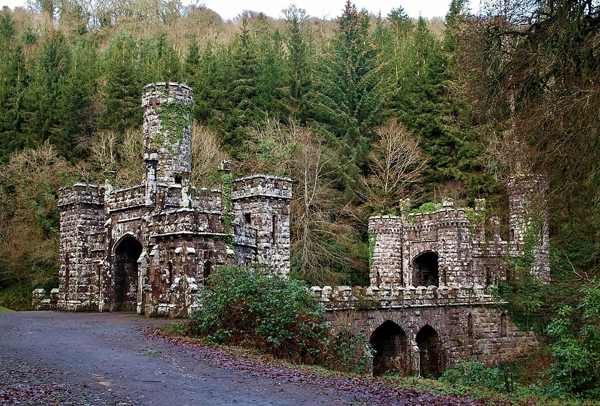
Ballysaggartmore Towers in woodland
Ballysaggartmore Towers in woodland. Resized for display. Photo: Photo-raven ↗ · CC BY-SA 4.0

heritage

Ballysaggartmore Towers

Ballysaggartmore combines ornate stone gateways and a castellated bridge with a short woodland walk near Lismore. The structures are the surviving architectural spectacle, rather than the entrance to a castle…

Open place page →
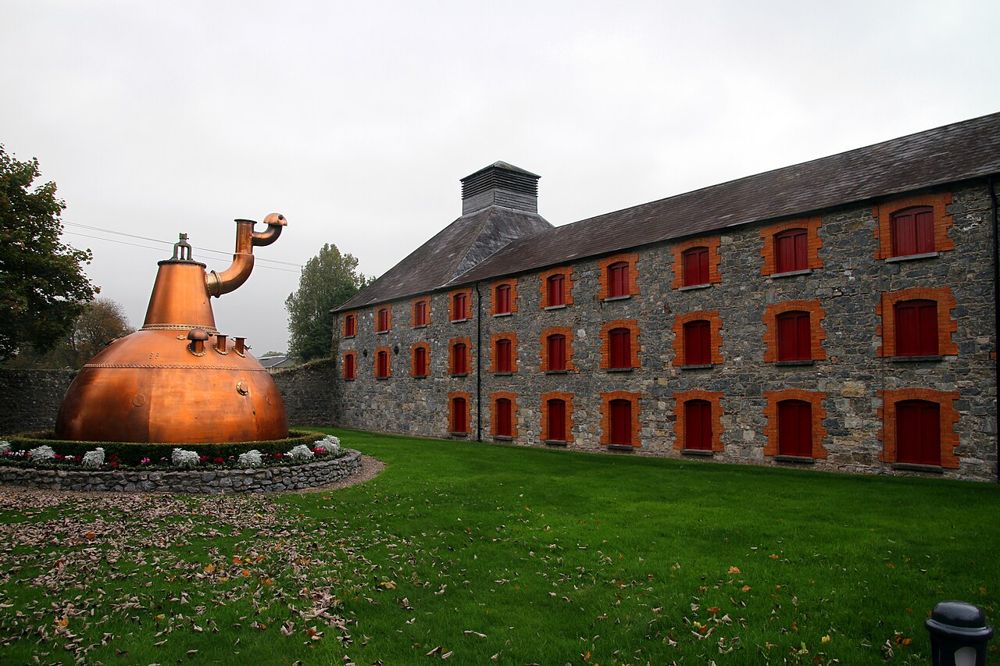
The historic distillery site in Midleton
The historic distillery site in Midleton. Source photograph; conditions and access may have changed. Resized from the credited original. Photo: Gerd Eichmann ↗ · CC BY-SA 4.0

attraction

Midleton Distillery Experience

At Midleton, the old distillery buildings are as important as the glass at the end. Copper equipment, yards and warehouse settings make the process tangible. Pick a tour for what you want to learn; the…

Open place page →
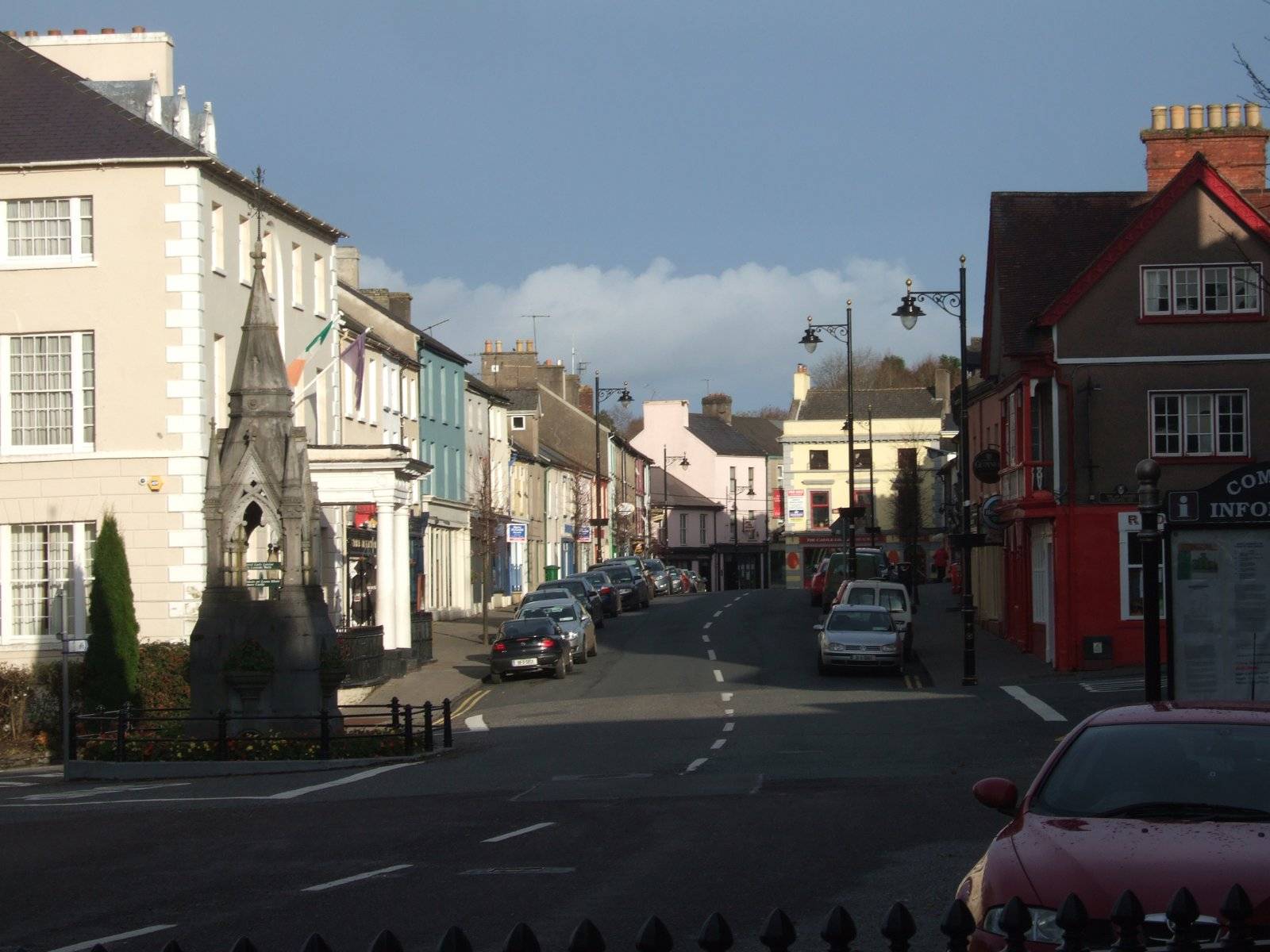
Lismore town-centre streets and shops
Lismore town centre photographed in November 2009. Photo: Ulleskelf ↗ · Public domain

heritage

Lismore heritage town

Lismore works best as a heritage town visit with one deliberately chosen indoor or garden experience. Its Blackwater setting and small streets can fill a quiet walk, while the heritage centre and castle…

Open place page →

External visitor reviews

Find the matching listing and reviews on Google Maps ↗

Part of a bigger journey

Location & access

Getting your bearings

The Carmelite priory survives as roofless ruins in a burial ground. Keep to permitted areas and view the fabric from ground level.

52.08894, -8.23419 · Reference point; confirm the correct entrance and access. Map © OpenStreetMap contributors.

Orientation only: a verified public entrance is not established by this pin. Use the operator arrival information before travel.

Sources & place context

Browse more Ireland places →