Skip to content
TheLazyNick

heritage · Waterford

Ballysaggartmore Towers

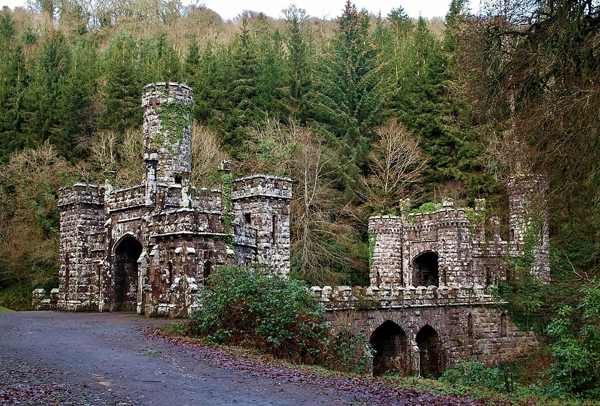
Ballysaggartmore combines ornate stone gateways and a castellated bridge with a short woodland walk near Lismore. The structures are the surviving architectural spectacle, rather than the entrance to a castle interior tour. Follow the established path, look at the masonry from safe positions and give the setting time to appear between the trees.

Add to planSaved trips & places

Saved on this browser. No account needed.

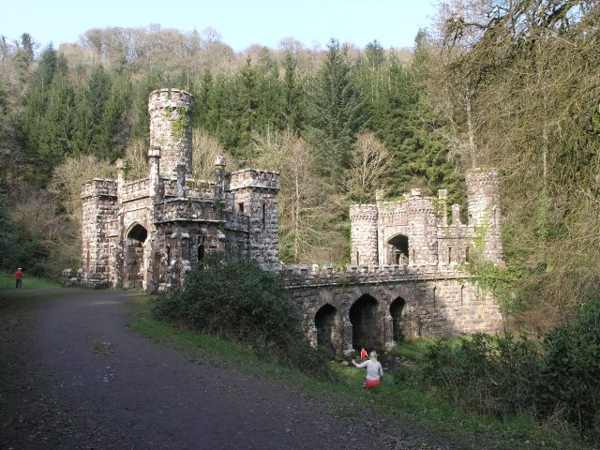
Ballysaggartmore Towers in woodland
Ballysaggartmore Towers in woodland. Resized for display. Photo: Photo-raven ↗ · CC BY-SA 4.0

From research

Is this worth your time?

Choose the Towers for a compact heritage-and-woodland outing with a clear visual reward. The walk need not be hurried simply because the published loop is short. Leave time to compare the different structures, while remembering that a woodland path can take more care after rain and that attractive ruins are not climbing equipment.

Know before you book: The visit is a woodland walk and exterior view of historic structures. Do not expect a castle interior or climb the ruins.

Place highlights

What you will actually see

01

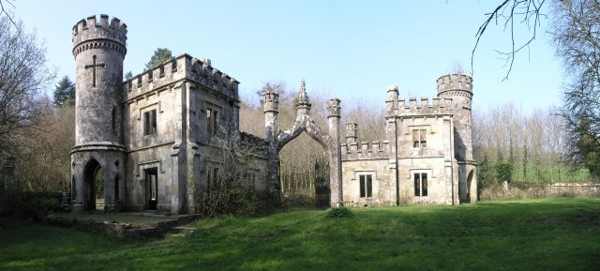
Gothic gateway details

Look for pointed and shaped openings, flanking towers and the careful stone details that turn a practical entrance into a theatrical composition. Compare the parts from the path rather than moving onto the masonry. Taking in the whole outline first makes the smaller decorative elements easier to understand.

02

Bridge and lodges

The attraction includes more than one architectural feature, so allow the woodland route to reveal their differences. A gateway, lodge and bridge perform different tasks even when they share a dramatic style. Observe from established approaches and do not infer that a doorway marks a safe or publicly accessible interior.

03

The woodland loop

Visit Waterford describes a short loop through trees with an easy walking grade. Let the surroundings provide breathing room between the buildings rather than treating the path as something to rush through. Use shoes with grip and watch for wet ground, roots or other changes in the surface.

The story behind the visit

The story behind the place

The National Inventory records the gateway as a nationally significant nineteenth-century architectural ensemble. Its lodges, towers and central opening combine practical estate functions with elaborate display. Looking at the quality of the stonework gives a firmer understanding of the place than relying only on the familiar story of an extravagant castle that never materialised. The surviving structures can be appreciated as a designed composition in their own right, while the demolished house belongs to the estate’s broader history. Source ↗

Regional visitor interpretation presents the Towers as part of a woodland outing rather than a conventional house visit. That distinction is useful on arrival: the approach and the changing views through trees are part of the experience. The nineteenth-century setting belongs to a larger estate story than the remaining structures can fully reveal. Look carefully without assuming that every feature was constructed together. What remains clear is the contrast between substantial ornament and the modest walking visit now possible. Follow the signed route, enjoy the architectural surprises and leave private or unstable areas undisturbed. Source ↗

Visitor information

Tickets, timing and access

Opening
Plan a daylight woodland visit and follow current local access signs.Confirm with the operator ↗
Admission
Fáilte Ireland lists the Towers as free to visit.Confirm with the operator ↗
Booking
An ordinary self-guided walk is distinct from any separately arranged guided tour.Confirm with the operator ↗
Access
Visit Waterford lists an easy 2 km woodland loop; assess actual ground conditions.Confirm with the operator ↗
Duration
Allow 45–60 minutes for the loop and time at the structures.Confirm with the operator ↗
Seasonal
Rain, wind and woodland maintenance can affect paths and comfortable viewing.Confirm with the operator ↗

Getting to the entrance

Use the signed woodland entrance off the R666 near Lismore, following the official trailhead directions rather than navigating to Ballysaggart village. Official visitor information ↗

Your questions, answered

Confirm current access and visitor arrangements with the operator.

Is there a castle interior tour?

No castle interior is included in this woodland and exterior-architecture guide. Source ↗

Are the Towers in Ballysaggart village?

Use the Ballysaggartmore trailhead near Lismore; the similarly named village is a different location. Source ↗

Nearby options

Nearby places to explore

Explore other places in the area, then use live directions to plan your journey.

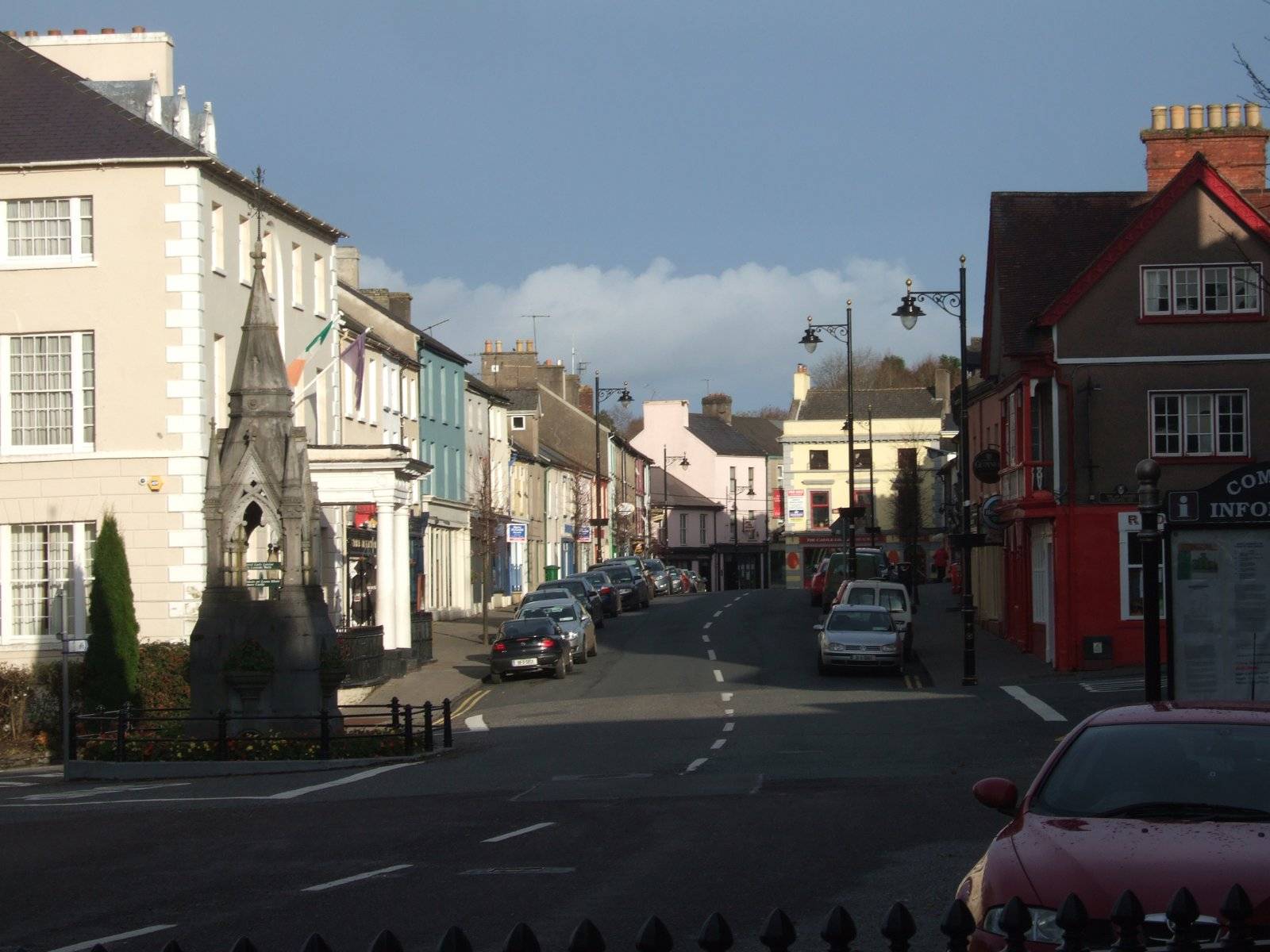
Lismore town-centre streets and shops
Lismore town centre photographed in November 2009. Photo: Ulleskelf ↗ · Public domain

heritage

Lismore heritage town

Lismore works best as a heritage town visit with one deliberately chosen indoor or garden experience. Its Blackwater setting and small streets can fill a quiet walk, while the heritage centre and castle…

Open place page →
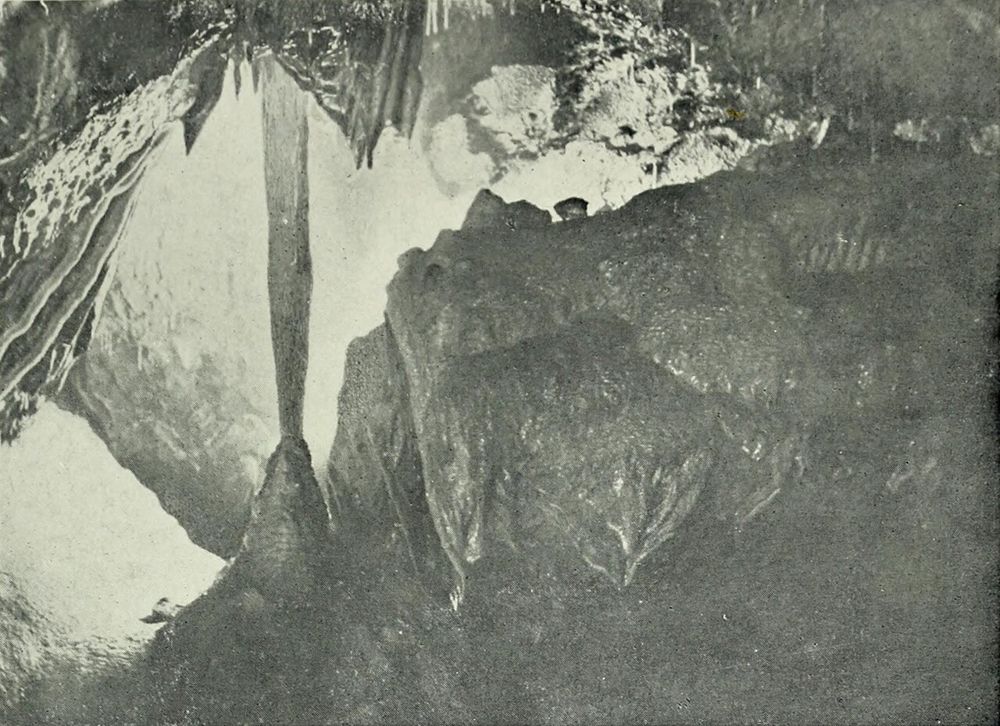
A historic 1905 photograph of a calcite column in Mitchelstown Cave
Calcite formations in Mitchelstown Cave photographed by Ernest A. Baker in August 1905, published in The Irish Naturalist in 1906. Resized from the public-domain original. Photo: Ernest A. Baker ↗ · Public domain

nature

Mitchelstown Cave

Mitchelstown Cave is a deliberate change of scene from the roads above: a descent into limestone chambers with a guide controlling the pace and explanation. The formations are the attraction, but the entrance…

Open place page →
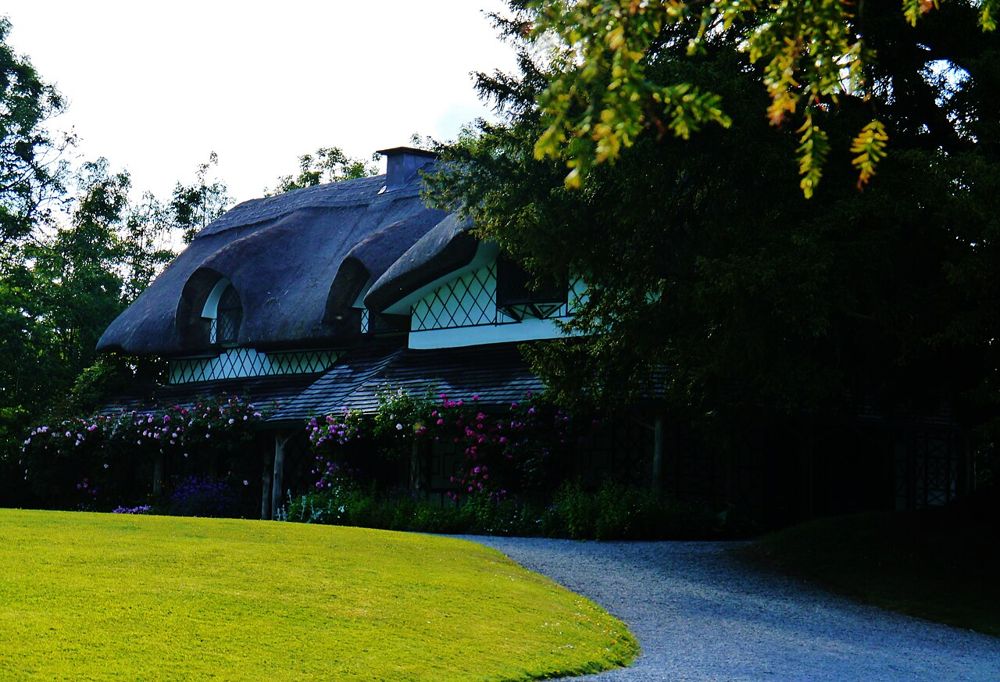
The thatched ornamental Swiss Cottage near Cahir
The thatched ornamental Swiss Cottage near Cahir. Resized from credited source. Photo: Zairon ↗ · CC BY 4.0

heritage

Swiss Cottage

The Swiss Cottage is deliberately fanciful: a thatched retreat designed to make country life look effortless. That contrast is the interesting part. It was a leisure building for an elite household, not an…

Open place page →
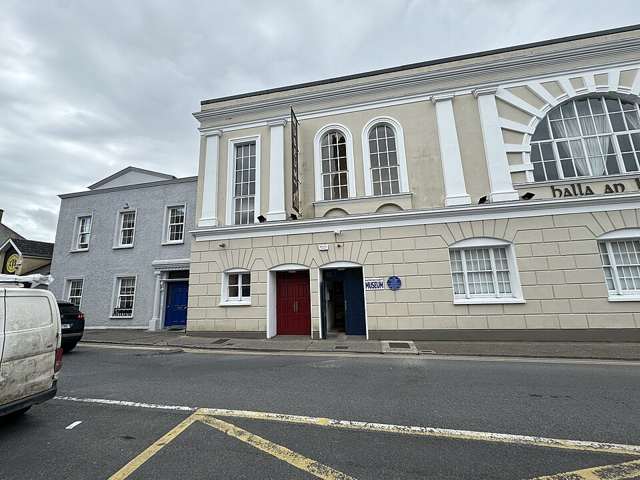
Waterford County Museum in Dungarvan
Waterford County Museum in Dungarvan. Resized for display. Photo: Slamforeman ↗ · CC BY 4.0

heritage

Waterford County Museum

Waterford County Museum is a volunteer-led local-history museum in Dungarvan. Its subject is the county and its people, not only Waterford city’s medieval heritage. Objects, images and historical…

Open place page →
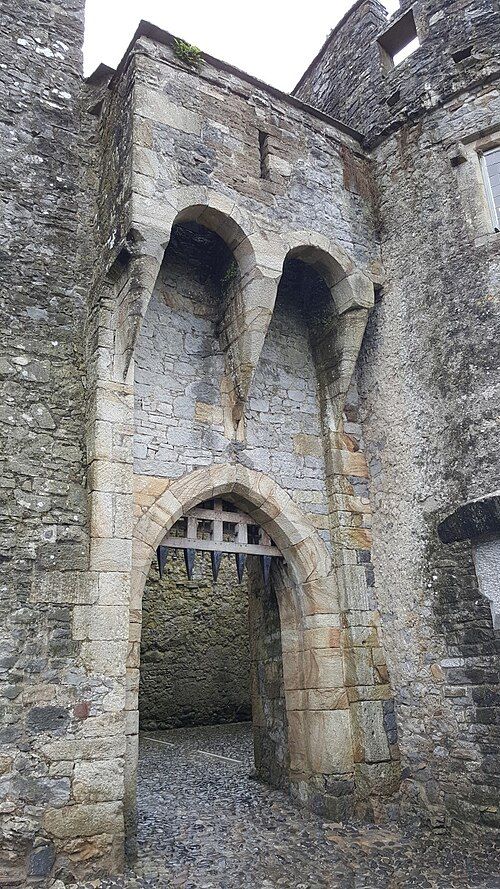
The stone gateway and towers at the entrance to Cahir Castle
The stone gateway and towers at the entrance to Cahir Castle. Resized from credited source. Photo: Hscheff ↗ · CC BY-SA 4.0

heritage

Cahir Castle

Cahir gives you the physical logic of a fortress: a rocky river island, tight passages and walls that still make defensive sense. It is a strong choice if the word castle makes you imagine an actual stronghold…

Open place page →

External visitor reviews

Find the matching listing and reviews on Google Maps ↗

Part of a bigger journey

Location & access

Getting your bearings

The visit is a woodland walk and exterior view of historic structures. Do not expect a castle interior or climb the ruins.

52.14677, -7.96690 · Reference point; confirm the correct entrance and access. Map © OpenStreetMap contributors.

Orientation only: a verified public entrance is not established by this pin. Use the operator arrival information before travel.

Sources & place context

Browse more Ireland places →