Skip to content
TheLazyNick

heritage · Tyrone

Castle Caulfield

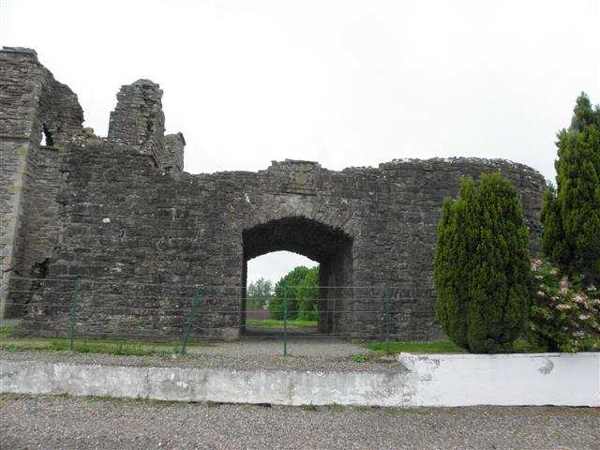
Castle Caulfield is the substantial ruin of an early-seventeenth-century house in Castlecaulfield village, near Dungannon. Its gatehouse, dressed windows and tall chimney remains make the domestic character especially interesting. The Department for Communities lists free public entry, while warning that conservation work can sometimes restrict access, so follow the signs at the site.

Add to planSaved trips & places

Saved on this browser. No account needed.

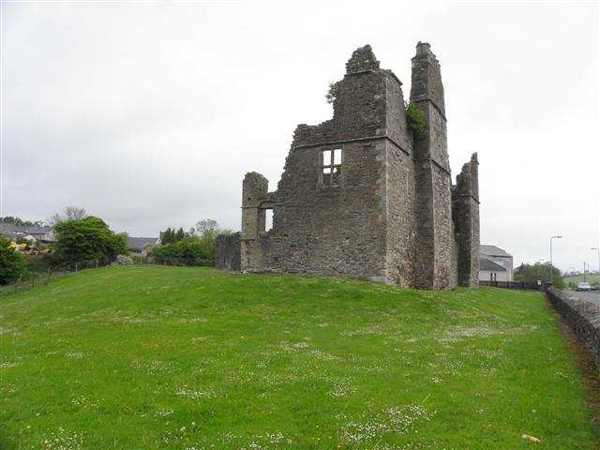
Surviving house walls at Castle Caulfield
Surviving house walls at Castle Caulfield. Resized for display. Photo: Kenneth Allen ↗ · CC BY-SA 2.0

From research

Is this worth your time?

Choose Castle Caulfield for a short architectural stop where you can look at the shape of a once-grand house without needing a lengthy museum visit. The ruin rewards attention to windows, walls and the gatehouse. Keep expectations to the permitted outdoor remains; public entry does not make unstable masonry or closed sections safe to explore.

Know before you book: A free outdoor ruin, with possible restrictions during works.

Place highlights

What you will actually see

01

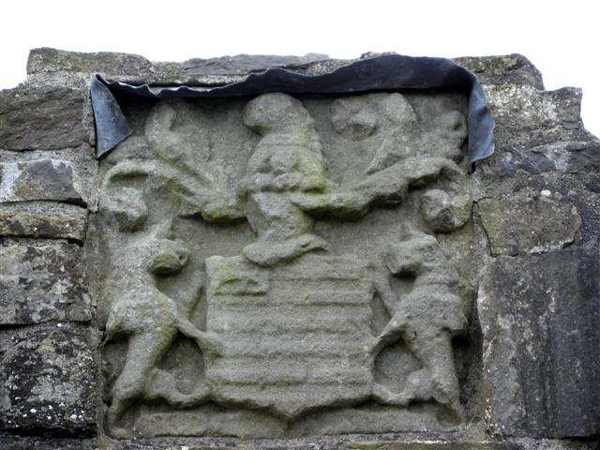
Gatehouse arms

The Caulfield family arms appear above the gatehouse, giving the entrance a direct link with the household. Pause to look from the public approach and compare the gatehouse with the scale of the main ruin. Avoid climbing for a closer view.

02

House outline

The original plan was a half-H shape, but the loss of a north-west wing left an incomplete L. Walk only where access allows and use the surviving walls to imagine the missing spaces. The present outline is evidence of change rather than the original design.

03

Windows and chimneys

Well-dressed windows, a horizontal string course and ornate chimney remains reveal the building’s status as a house. Look at how these details sit within the broad walls. A ruin can preserve considerable domestic ambition even when floors and roof have disappeared.

The story behind the visit

The story behind the place

Sir Toby Caulfield built the English-style house in 1619, possibly on or near an earlier O’Donnelly fort. Its setting and detail belong to a period when newly established estates combined display, residence and security. The village name preserves a variant spelling of the family name, linking the ruin with the settlement around it. A short walk can therefore introduce both a building and the local landscape it helped shape. Source ↗

The house was burned in 1641 but later repaired and reoccupied. The loss of a wing and the surviving window and chimney details make its present form an incomplete record of that life. It is worth separating what is visible from what must be reconstructed mentally. Look for the proportions of rooms and openings rather than assuming that a roofless wall tells the whole story. Conservation also continues the building’s history: temporary restrictions are part of caring for a fragile site, and any barrier should take priority over the desire to complete a circuit. Source ↗

Visitor information

Tickets, timing and access

Opening
DfC lists public entry; temporary works can restrict access.Confirm with the operator ↗
Admission
Entry is free.Confirm with the operator ↗
Booking
No routine timed ticket is listed.Confirm with the operator ↗
Access
Remain in permitted areas and do not climb the masonry.Confirm with the operator ↗
Duration
Allow 30–45 minutes for the ruin.Confirm with the operator ↗
Seasonal
Check for works before making a special journey.Confirm with the operator ↗

Getting to the entrance

Use the official Castlecaulfield village location near Dungannon and follow the signed approach. Official visitor information ↗

Your questions, answered

Confirm current access and visitor arrangements with the operator.

Is entry free?

Yes, according to the state-care listing. Source ↗

Why is the plan incomplete?

A former north-west wing has been removed, changing the original outline. Source ↗

Nearby options

Nearby places to explore

Explore other places in the area, then use live directions to plan your journey.

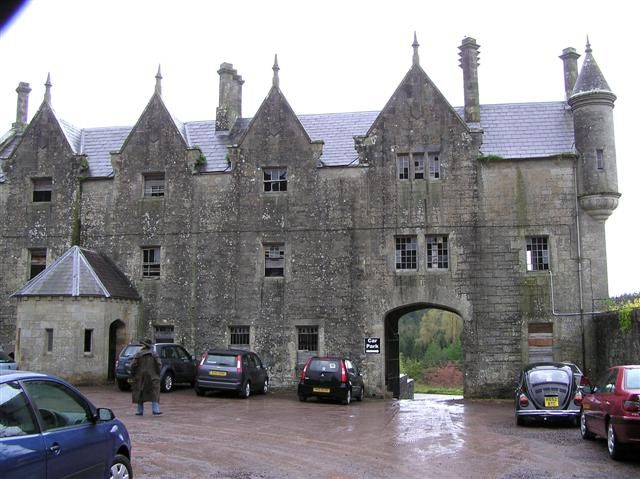
Parkanaur House in its wooded estate
Parkanaur House in its wooded estate. Credited source photograph; appearance and access may have changed. Resized from the original. Photo: Kenneth Allen ↗ · CC BY-SA 2.0

nature

Parkanaur Forest Park

Parkanaur is best approached as a quieter woodland outing, with a former estate and deer landscape adding interest. It is not a place that needs a long checklist to justify a walk.

Open place page →
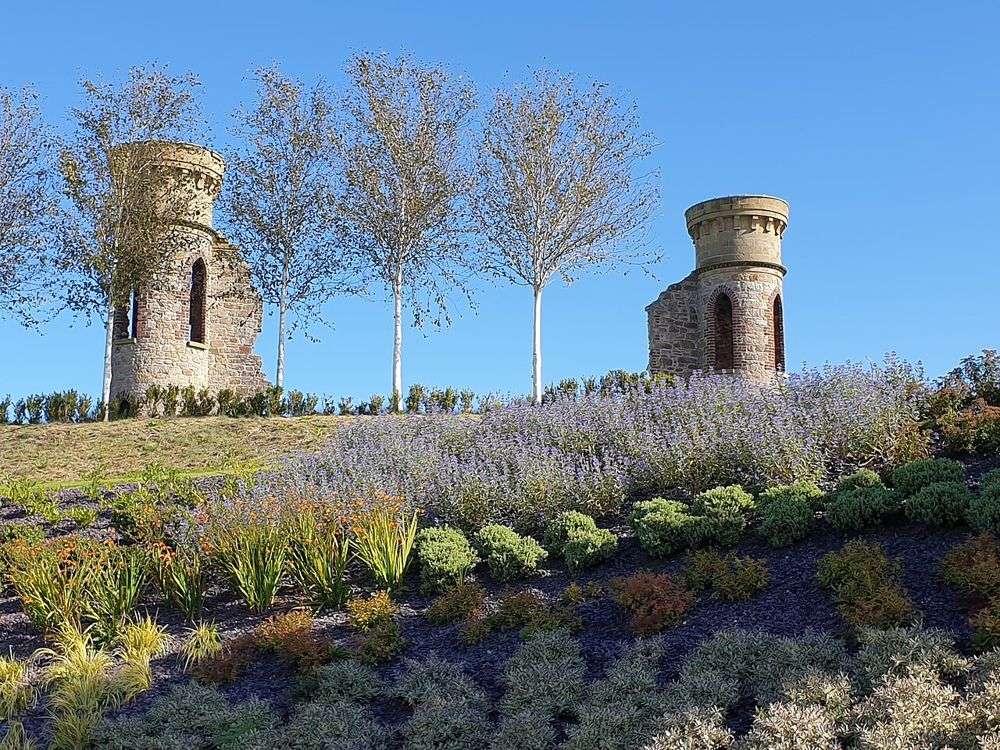
Remains of the later Knox Hannyngton mansion on the Hill of the O’Neill
Remains of the later Knox Hannyngton mansion on the Hill of the O’Neill. Credited source photograph; appearance and access may have changed. Resized from the original. Photo: Rena Maguire ↗ · CC BY-SA 4.0

heritage

Hill of The O’Neill and Ranfurly House

The Hill of The O’Neill works as both an outlook and a history lesson. Ranfurly House provides the narrative before the hill makes Dungannon’s strategic position visible in the surrounding landscape.

Open place page →
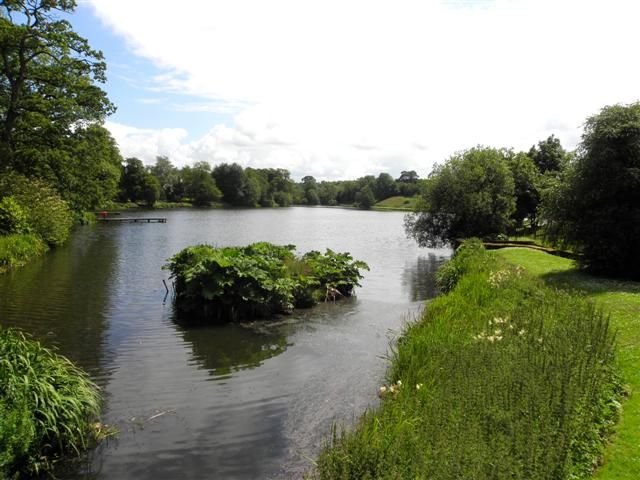
The lake in Dungannon Park
The lake in Dungannon Park. Credited source photograph; appearance and access may have changed. Resized from the original. Photo: Kenneth Allen ↗ · CC BY-SA 2.0

nature

Dungannon Park

Dungannon Park is useful because it does not demand a grand expedition. Lake-side paths and green space offer a relaxed outdoor counterpoint to the town’s historical attractions, with a route you can shape to…

Open place page →
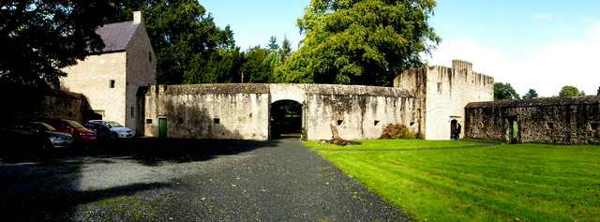
Courtyard and surviving walls at Benburb Castle
Courtyard and surviving walls at Benburb Castle. Resized for display. Photo: Kenneth Allen ↗ · CC BY-SA 2.0

heritage

Benburb Castle

Benburb Castle stands above the River Blackwater in the grounds of Benburb Servite Priory. Also known as Wingfield’s Castle, it combines a walled enclosure with towers and later occupation. The Department for…

Open place page →
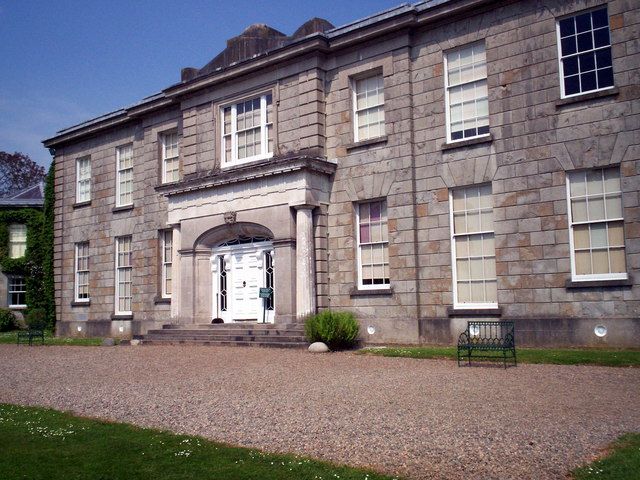
The Argory country house
The Argory country house. Credited source photograph; appearance and access may have changed. Resized from the original. Photo: Phyllis Flannagan ↗ · CC BY-SA 2.0

heritage

The Argory

The Argory is a house visit with a river landscape attached, rather than a castle spectacle. Its rooms, collections and grounds reward the visitor who wants to understand a particular household and its tastes.

Open place page →
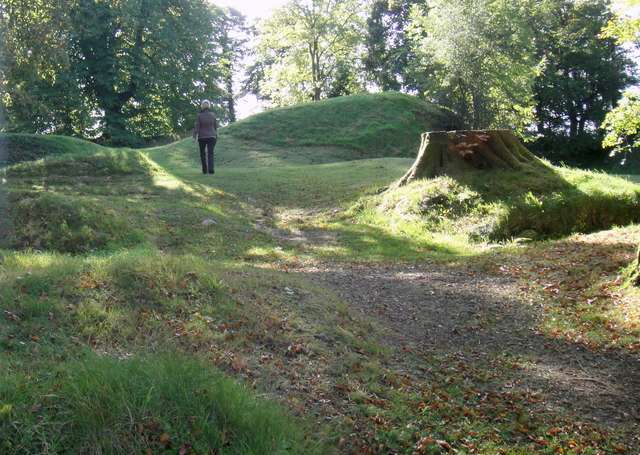
The wooded earthwork at Tullaghoge Fort
The wooded earthwork at Tullaghoge Fort. Resized for display. Photo: Iain Crump ↗ · CC BY-SA 2.0

heritage

Tullaghoge Fort

Tullaghoge Fort is a hilltop earthwork near Cookstown with a strong association with the inauguration of the O’Neills. It rewards visitors who enjoy landscape and political history more than those expecting…

Open place page →

External visitor reviews

Find the matching listing and reviews on Google Maps ↗

Part of a bigger journey

Location & access

Getting your bearings

A free outdoor ruin, with possible restrictions during works.

54.50610, -6.83509 · Reference point; confirm the correct entrance and access. Map © OpenStreetMap contributors.

Orientation only: a verified public entrance is not established by this pin. Use the operator arrival information before travel.

Sources & place context

Browse more Ireland places →