Skip to content
TheLazyNick

heritage · Tipperary

Cashel Folk Village Museum

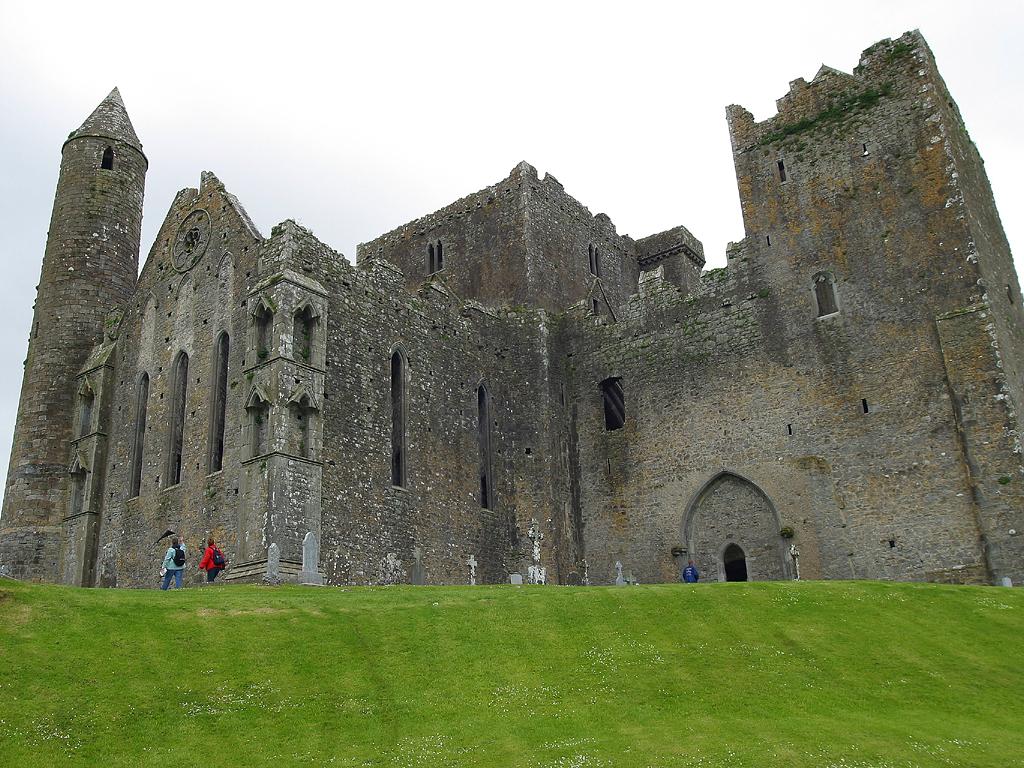
Cashel Folk Village opens by appointment from late October to mid-March. Book before travelling to this compact history museum on Dominic Street, where collected objects and reconstructed settings connect domestic life with the Famine, the Penal Laws and the revolutionary period. Its location near the Rock of Cashel makes a separate museum visit easy to combine with the town.

Add to planSaved trips & places

Saved on this browser. No account needed.

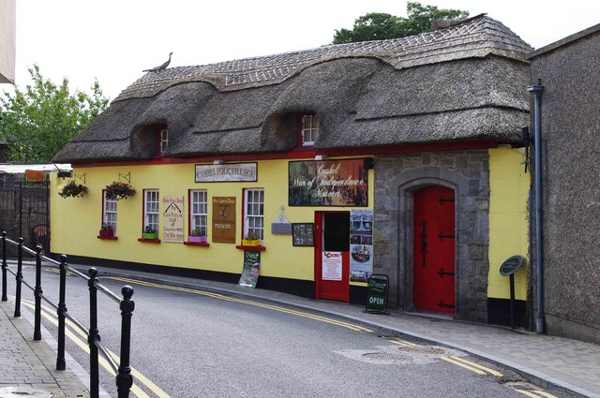
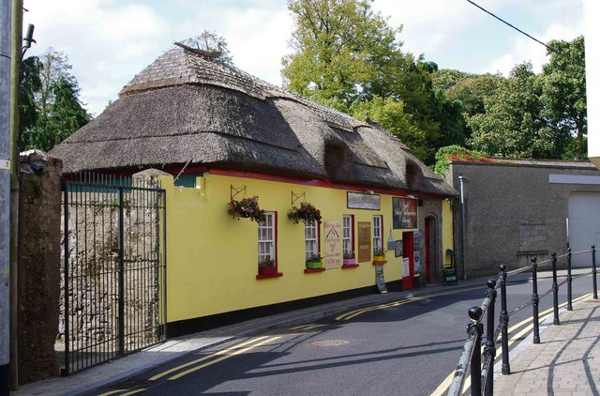
Thatched entrance building of Cashel Folk Village
Thatched entrance building of Cashel Folk Village Photo: P L Chadwick ↗ · CC BY-SA 2.0

From research

Is this worth your time?

Choose the Folk Village for an object-led introduction to several periods of Irish history. The guided account and the relationships between displays matter more than moving quickly through a checklist. Allow time to distinguish a collected historic object, a reconstructed room and a memorial setting, each of which tells the past in a different way.

Know before you book: The museum and the Rock of Cashel are separate attractions with separate admission and access arrangements.

Place highlights

What you will actually see

01

Everyday work and travel

The forge, carriage and caravan introduce practical skills and different ways of moving and living. Look at the objects in relation to their original tasks, and ask which elements are historic pieces and which have been assembled to explain a setting. A reconstructed environment can communicate use without reproducing an entire original building.

02

Famine interpretation

The Famine Museum and Garden of Remembrance approach a traumatic period through exhibits and commemoration. Give the interpretation time rather than treating the garden as decoration. The relationship between historical evidence and later remembrance is part of what makes this section different from the working-life displays.

03

Revolutionary history

The Easter Rising and War of Independence material places another period beside the domestic collections. Follow the labels and the guide’s explanations to understand individual associations. These exhibits belong to the museum’s collection; they do not turn the whole village into an unchanged street from one particular year.

The story behind the visit

The story behind the place

Cashel Folk Village was founded as a museum in 1984 by local historian Martin O’Dwyer Bob. The operator describes his work with the Cashel Historical Society and his research into Irish and Tipperary history. Collecting, writing and commemorating were therefore connected activities from the beginning. The museum developed as a way of bringing objects and historical explanation together, using a small town-centre site to address subjects that extend well beyond Cashel itself. Source ↗

The collection’s range also explains why the visit crosses several historical periods. Domestic equipment, religious interpretation, Famine remembrance and revolutionary memorabilia preserve different kinds of evidence and invite different questions. A carriage can illustrate transport and craft, while a memorial records how a community chose to remember suffering. The present curator continues a family association with the museum and with the nearby Rock of Cashel. Those connections enrich the local account, but the visitor should still understand each institution separately: the Folk Village is a collected and interpreted museum, while the Rock is a distinct monument with its own history and visitor operation. Source ↗

Visitor information

Tickets, timing and access

Opening
Late October to mid-March: by appointment only. Obtain confirmation before travelling.Confirm with the operator ↗
Admission
Use the museum’s current admission information when arranging the visit.Confirm with the operator ↗
Booking
Book directly with Cashel Folk Village; groups should agree their requirements in advance.Confirm with the operator ↗
Access
Ask about individual mobility needs and the confirmed route through the compact displays.Confirm with the operator ↗
Duration
Allow about 75 minutes for the museum, adjusting to the confirmed appointment.Confirm with the operator ↗
Seasonal
The published daytime timetable applies to the main season, not automatic winter walk-in access.Confirm with the operator ↗

Getting to the entrance

Use the Dominic Street museum entrance in Cashel and the operator’s confirmed meeting instructions. Allow separate time for parking and any visit to the Rock. Official visitor information ↗

Your questions, answered

Confirm current access and visitor arrangements with the operator.

Can I use the summer timetable in November?

No. The operator explicitly requires an appointment from late October to mid-March. Source ↗

Does admission include the Rock of Cashel?

No. The museum and the Rock are separate attractions. Source ↗

Nearby options

Nearby places to explore

Explore other places in the area, then use live directions to plan your journey.

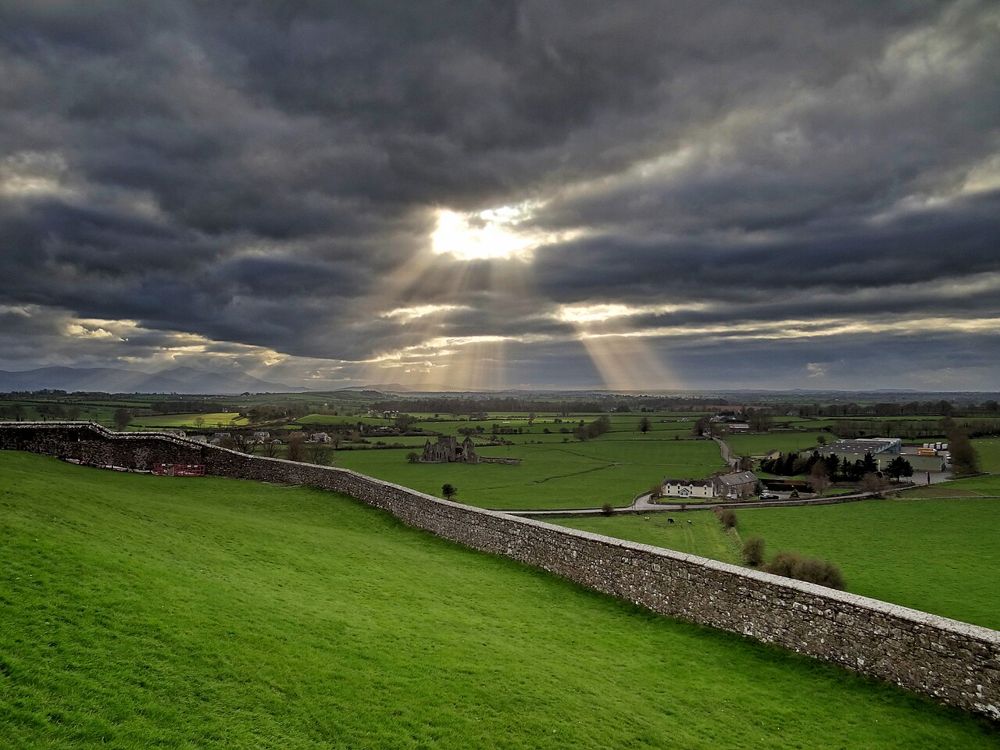
Hore Abbey viewed from the Rock of Cashel
Hore Abbey viewed from the Rock of Cashel. Resized from credited source. Photo: Bjørn Christian Tørrissen ↗ · CC BY-SA 3.0

heritage

Hore Abbey

Hore Abbey is the quieter counterpart to the Rock of Cashel, standing below it in an agricultural landscape. The relationship between the two is a large part of the appeal. From within the ruined church, the…

Open place page →
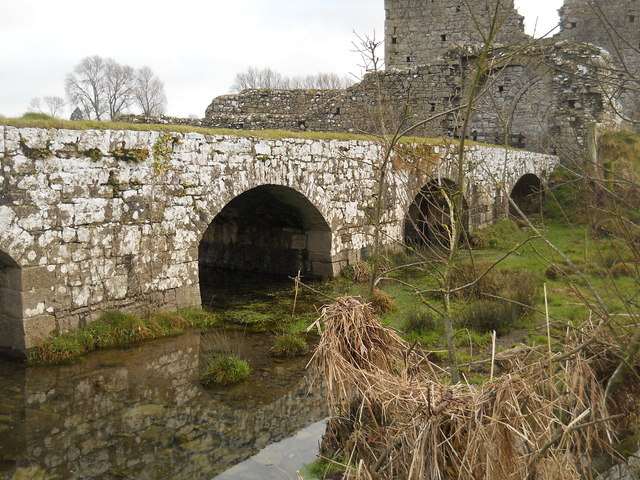
The approach bridge beside the ruins at Athassel Abbey
The approach bridge beside the ruins at Athassel Abbey. Resized for display. Photo: Aighleann O'Shaughnessy ↗ · CC BY-SA 2.0

heritage

Athassel Abbey

Athassel Abbey spreads through a quiet riverside landscape near Golden, with an extensive group of medieval remains rather than a single isolated church. Carved stone, cloister traces and the approach over a…

Open place page →
A carved stone detail on the exterior of Holycross Abbey
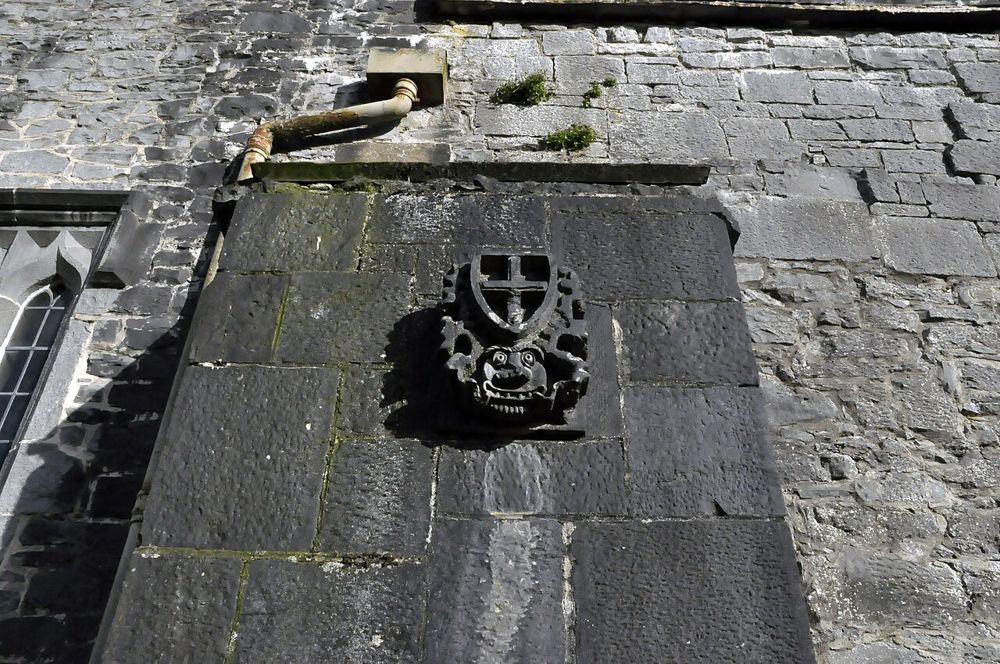
A carved stone detail on the exterior of Holycross Abbey. Resized from the credited source; appearance and access may have changed. Photo: Avramescu Marius ↗ · CC BY-SA 4.0

heritage

Holycross Abbey

Holycross is a restored medieval church that is still used for worship, which changes the atmosphere from that of a roofless abbey. The carved stone and vaulted spaces are worth looking at closely, but allow…

Open place page →
The stone gateway and towers at the entrance to Cahir Castle
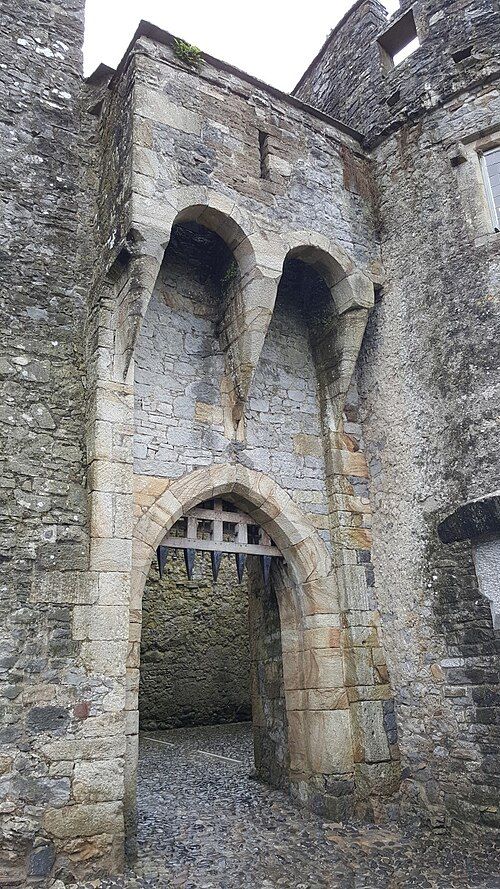
The stone gateway and towers at the entrance to Cahir Castle. Resized from credited source. Photo: Hscheff ↗ · CC BY-SA 4.0

heritage

Cahir Castle

Cahir gives you the physical logic of a fortress: a rocky river island, tight passages and walls that still make defensive sense. It is a strong choice if the word castle makes you imagine an actual stronghold…

Open place page →
The thatched ornamental Swiss Cottage near Cahir
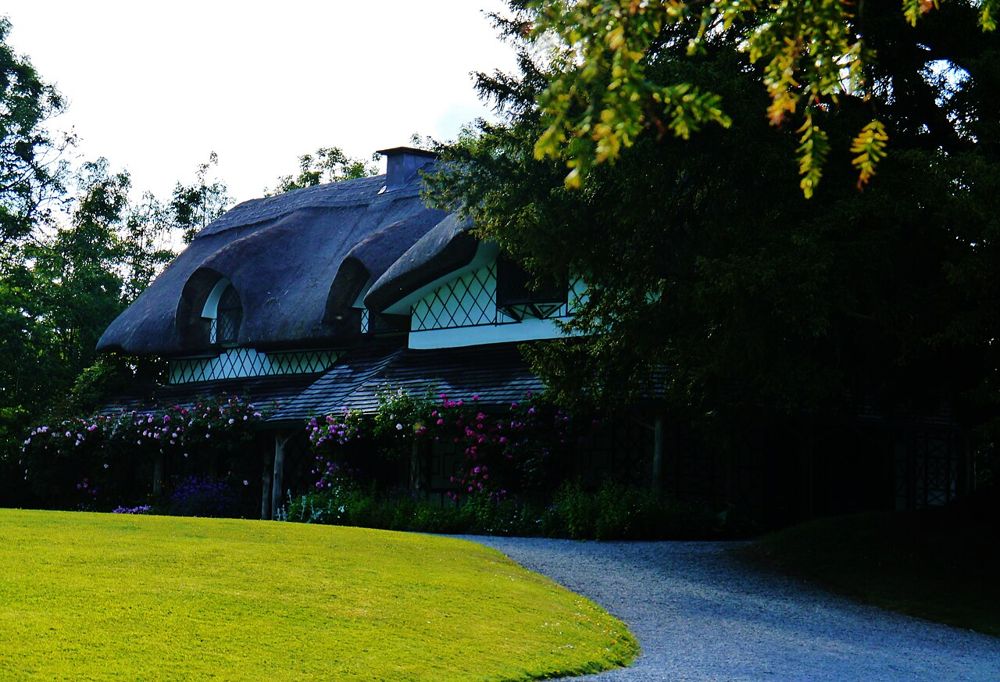
The thatched ornamental Swiss Cottage near Cahir. Resized from credited source. Photo: Zairon ↗ · CC BY 4.0

heritage

Swiss Cottage

The Swiss Cottage is deliberately fanciful: a thatched retreat designed to make country life look effortless. That contrast is the interesting part. It was a leisure building for an elite household, not an…

Open place page →

External visitor reviews

Find the matching listing and reviews on Google Maps ↗

Part of a bigger journey

Location & access

Getting your bearings

The museum and the Rock of Cashel are separate attractions with separate admission and access arrangements.

52.51749, -7.88821 · Reference point; confirm the correct entrance and access. Map © OpenStreetMap contributors.

Orientation only: a verified public entrance is not established by this pin. Use the operator arrival information before travel.

Sources & place context

Browse more Ireland places →