Skip to content
TheLazyNick

heritage · Tipperary

Athassel Abbey

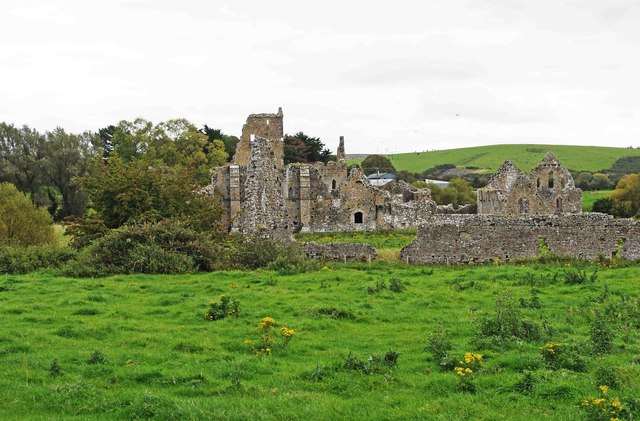
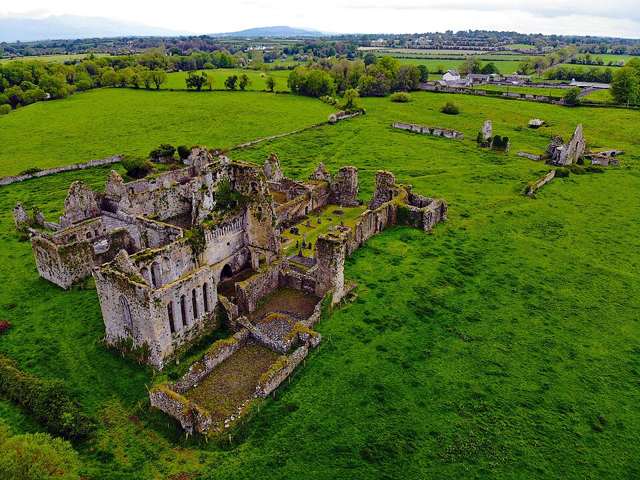
Athassel Abbey spreads through a quiet riverside landscape near Golden, with an extensive group of medieval remains rather than a single isolated church. Carved stone, cloister traces and the approach over a small medieval bridge make it a rewarding unguided visit. Its rural access is part of the planning, not an incidental detail.

Add to planSaved trips & places

Saved on this browser. No account needed.

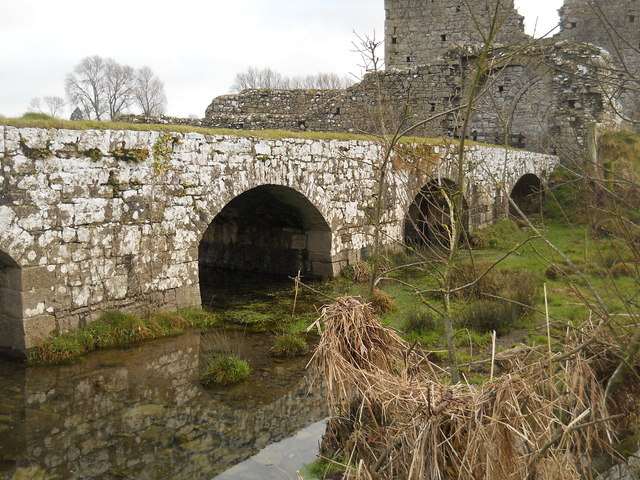
The approach bridge beside the ruins at Athassel Abbey
The approach bridge beside the ruins at Athassel Abbey. Resized for display. Photo: Aighleann O'Shaughnessy ↗ · CC BY-SA 2.0

From research

Is this worth your time?

Choose it if you enjoy large monastic ruins and are comfortable with a stile, field crossing and uneven ground. It can complement a visit to Cashel without repeating the same experience. Leave space in the day for the approach and avoid treating the site as an accessible indoor attraction.

Know before you book: The published approach requires a stile, a walk across a field and a medieval stone bridge. Parking is limited, and the route may be muddy or unsuitable for some mobility needs.

Place highlights

What you will actually see

01

Extensive remains

Pause after arrival to understand the spread of the abbey before concentrating on details. The surviving walls and openings suggest a complex larger than a single church, making the relationship between buildings an important part of the experience.

02

Cloister and carving

Look for the cloister remains and surviving carved stones from the permitted route. These give a closer sense of medieval workmanship, while changes in wall line and doorway position help reveal how the different spaces may have connected.

03

Riverside approach

The field and stone-bridge approach creates a strong change of pace from nearby roads and towns. Watch your footing and return by the permitted route, keeping agricultural gates and activity in mind rather than assuming surrounding fields are open for exploration.

The story behind the visit

The story behind the place

Athassel was founded for Augustinian canons in the twelfth century and dedicated to St Edmund. Fáilte Ireland describes it as an exceptionally extensive medieval priory, connected with a former settlement much larger than today’s quiet setting might suggest. The surviving ruins therefore represent more than an isolated place of worship: they belonged to a religious and economic centre within the landscape of the River Suir. Source ↗

The abbey experienced damage and rebuilding, including a fire in 1447, and its later abandonment left a complex to be read through fragments. Cloister traces, carved stones and the arrangement of surviving walls can help recover that history. The rural approach also sets practical limits on a visit: the current public route is specific, so it should not be extended into adjoining private land or treated as permission to wander the whole surrounding riverside. The permitted approach and the monument’s historical extent are different things; keep that distinction clear on the ground. Source ↗

Visitor information

Tickets, timing and access

Opening
Unguided outdoor monument: visit in daylight and follow current local notices.Confirm with the operator ↗
Admission
Fáilte Ireland confirms free public access.Confirm with the operator ↗
Booking
No regular guided departure is advertised. Arrange organised group or specialist visits separately.Confirm with the operator ↗
Access
Public approach crosses a stile and field, then a medieval stone bridge. Wear suitable footwear; parking is limited.Confirm with the operator ↗
Duration
Fáilte Ireland suggests 30 minutes to one hour, with extra time if the approach or ground conditions are slow.Confirm with the operator ↗
Seasonal
Exposed outdoor remains can be wet or slippery. Short winter daylight calls for a flexible plan.Confirm with the operator ↗

Getting to the entrance

The abbey is near Golden, about 7 km from Cashel. Locate the signed approach and leave gates and farm access unobstructed. Official visitor information ↗

Your questions, answered

Confirm current access and visitor arrangements with the operator.

Can I explore independently?

This is an unguided visit. Stay within the access permitted by current signs and barriers. Source ↗

Can I enter every structure?

Follow current signs and barriers; closed areas and upper levels may remain inaccessible. Source ↗

Nearby options

Nearby places to explore

Explore other places in the area, then use live directions to plan your journey.

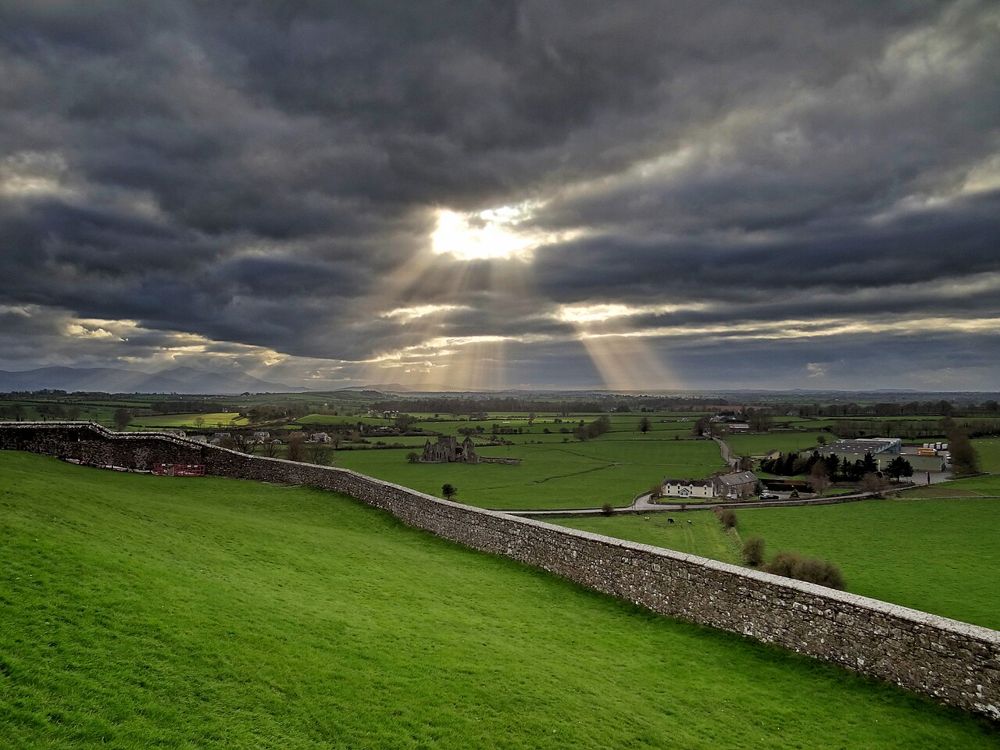
Hore Abbey viewed from the Rock of Cashel
Hore Abbey viewed from the Rock of Cashel. Resized from credited source. Photo: Bjørn Christian Tørrissen ↗ · CC BY-SA 3.0

heritage

Hore Abbey

Hore Abbey is the quieter counterpart to the Rock of Cashel, standing below it in an agricultural landscape. The relationship between the two is a large part of the appeal. From within the ruined church, the…

Open place page →
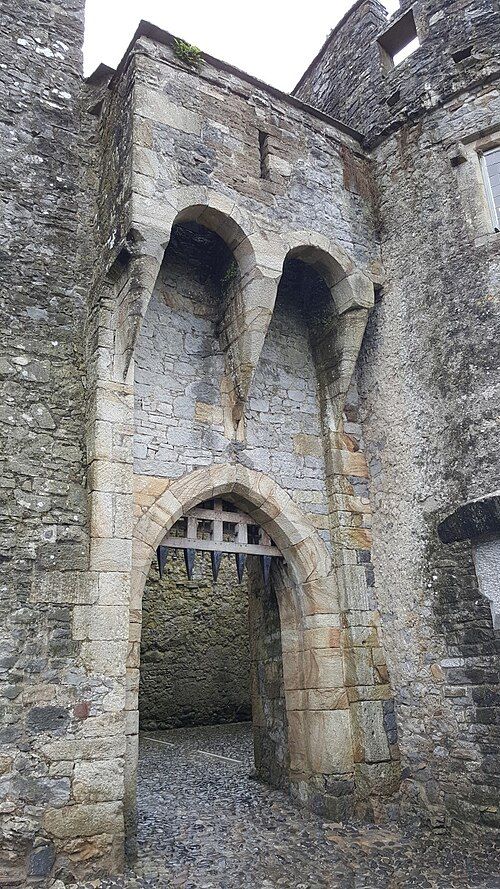
The stone gateway and towers at the entrance to Cahir Castle
The stone gateway and towers at the entrance to Cahir Castle. Resized from credited source. Photo: Hscheff ↗ · CC BY-SA 4.0

heritage

Cahir Castle

Cahir gives you the physical logic of a fortress: a rocky river island, tight passages and walls that still make defensive sense. It is a strong choice if the word castle makes you imagine an actual stronghold…

Open place page →
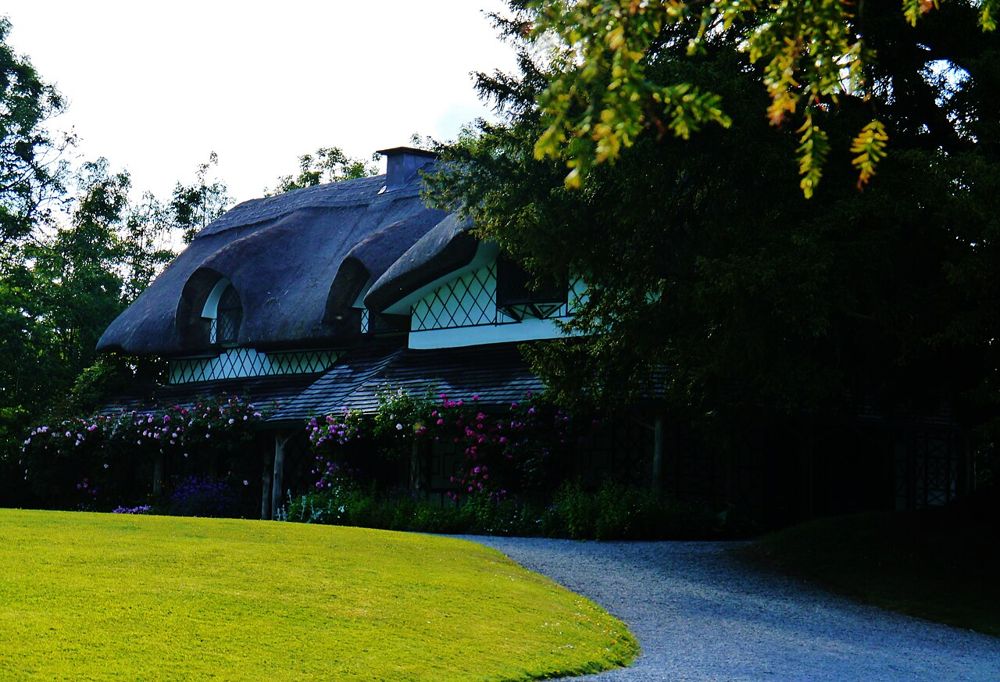
The thatched ornamental Swiss Cottage near Cahir
The thatched ornamental Swiss Cottage near Cahir. Resized from credited source. Photo: Zairon ↗ · CC BY 4.0

heritage

Swiss Cottage

The Swiss Cottage is deliberately fanciful: a thatched retreat designed to make country life look effortless. That contrast is the interesting part. It was a leisure building for an elite household, not an…

Open place page →
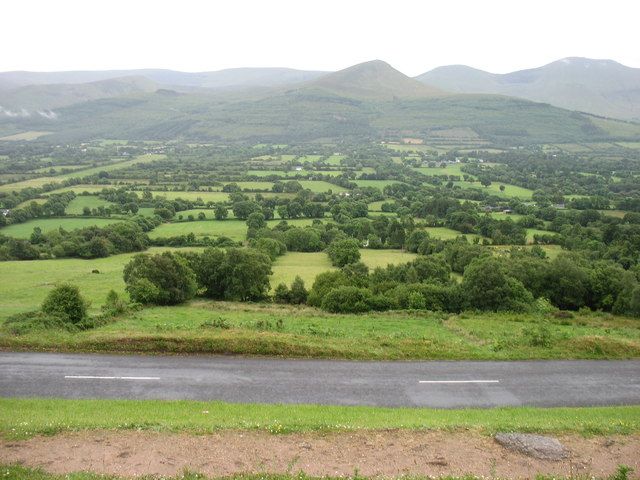
The Glen of Aherlow landscape from the Christ the King viewpoint
The Glen of Aherlow landscape from the Christ the King viewpoint. Resized from credited source. Photo: David Purchase ↗ · CC BY-SA 2.0

nature

Glen of Aherlow

The Glen of Aherlow is a landscape to spend time in, not a single attraction with one entrance. The Galtees provide the dramatic backdrop, while lower woodland routes allow a gentler day beneath them. Decide…

Open place page →
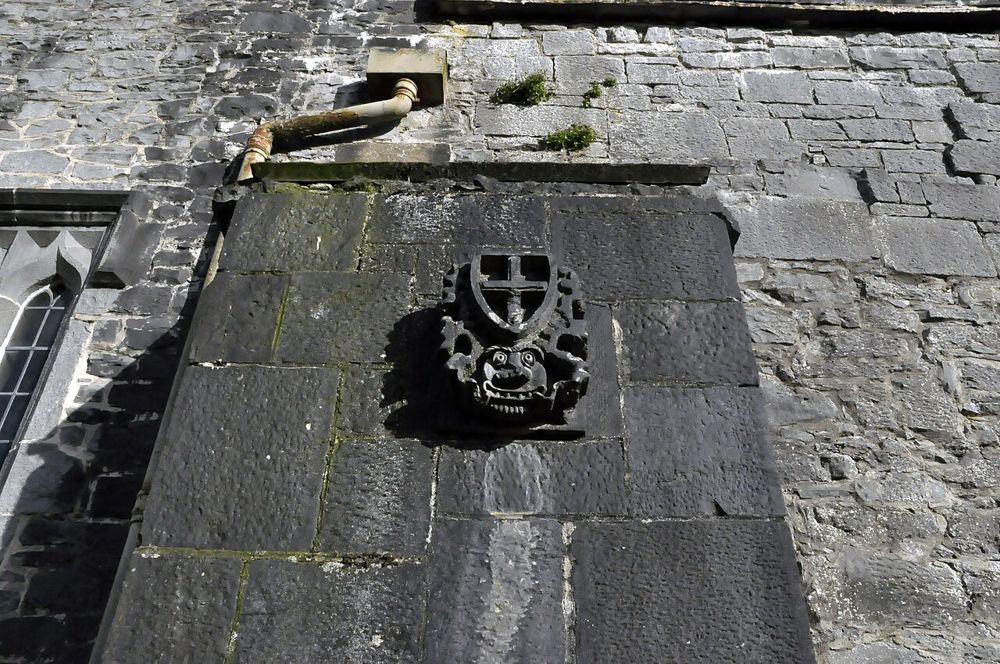
A carved stone detail on the exterior of Holycross Abbey
A carved stone detail on the exterior of Holycross Abbey. Resized from the credited source; appearance and access may have changed. Photo: Avramescu Marius ↗ · CC BY-SA 4.0

heritage

Holycross Abbey

Holycross is a restored medieval church that is still used for worship, which changes the atmosphere from that of a roofless abbey. The carved stone and vaulted spaces are worth looking at closely, but allow…

Open place page →

External visitor reviews

Find the matching listing and reviews on Google Maps ↗

Part of a bigger journey

Location & access

Getting your bearings

The published approach requires a stile, a walk across a field and a medieval stone bridge. Parking is limited, and the route may be muddy or unsuitable for some mobility needs.

52.47549, -7.97276 · Reference point; confirm the correct entrance and access. Map © OpenStreetMap contributors.

Orientation only: a verified public entrance is not established by this pin. Use the operator arrival information before travel.

Sources & place context

Browse more Ireland places →