From research
Is this worth your time?
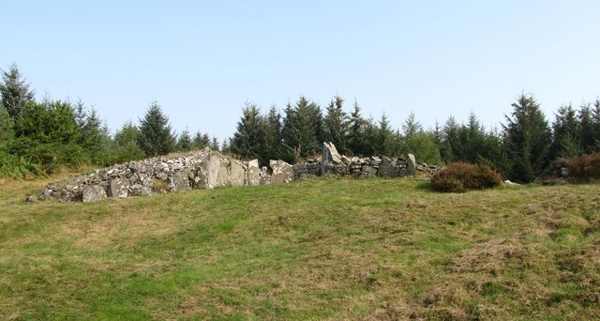
Choose Annaghmare for a close look at the structure of a prehistoric tomb rather than an indoor exhibition. Begin with the open forecourt, then follow the gallery’s alignment from a safe position. The surviving arrangement is more useful than a hurried photograph, particularly when attention is given to the relationship between large uprights and smaller walling.
Know before you book: Uneven archaeological ground; leave stones undisturbed and follow any temporary works restriction.
The story behind the visit
The story behind the place
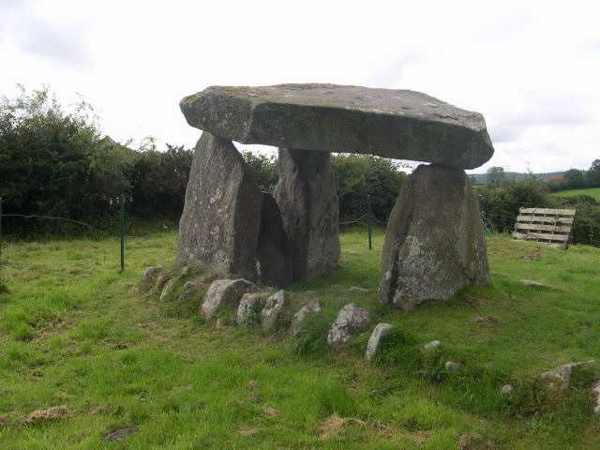
Annaghmare is a court tomb, a prehistoric monument type understood through the relationship between an open forecourt and a burial gallery. Its unusual strength for visitors is the survival of features in their original positions. That makes the layout itself the main evidence: the experience is about reading an arrangement of stone, not simply finding the largest block. Source ↗
Excavation in 1963–64 revealed features that remain visible today. The Department for Communities highlights both the substantial court stones and the dry-stone walling between them. Those details encourage a more attentive visit, with time to compare how different parts of the structure were built. Keep the distinction between archaeological evidence and imagined reconstruction clear. The surviving remains do not establish exactly how every ceremony unfolded or how every lost covering looked. A patient circuit on permitted ground can still explain the monument’s organisation and scale. Leave stones where they are, avoid marking or rubbing surfaces and let the physical arrangement provide the story. Temporary works restrictions, when posted, take priority over the usual free-access description. Source ↗