Fortified house
Read the house as a residence designed within a defensive setting. Its surviving form is best understood together with the enclosing bawn rather than as an isolated tower.

heritage · Fermanagh
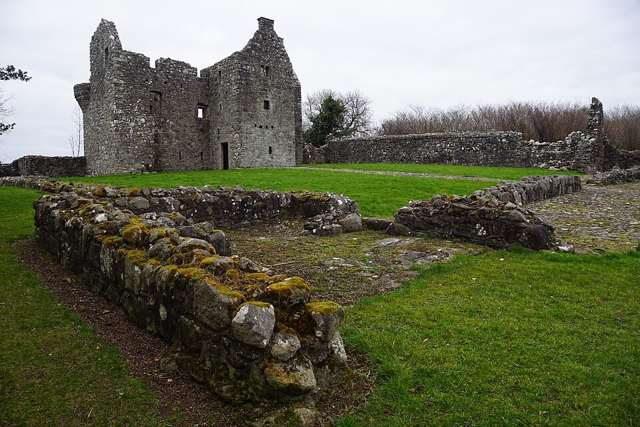
Tully Castle is a ruined fortified house and bawn on Tully Point in County Fermanagh. Its setting and compact defensive layout make it a useful heritage stop near Lower Lough Erne. The site also carries the history of violence in 1641, which deserves measured interpretation rather than treating the ruins only as a scenic photograph.
From research
Choose it for a short ground-level visit focused on a plantation-era residence and enclosure. The heritage authority confirms free public access, subject to occasional works. A visitor centre is described in a restored farmhouse, but do not make indoor interpretation the reason for travelling without confirming its current opening.
Know before you book: The monument is confirmed free and publicly accessible, subject to restrictions. Visitor-centre availability needs separate confirmation.
Place highlights
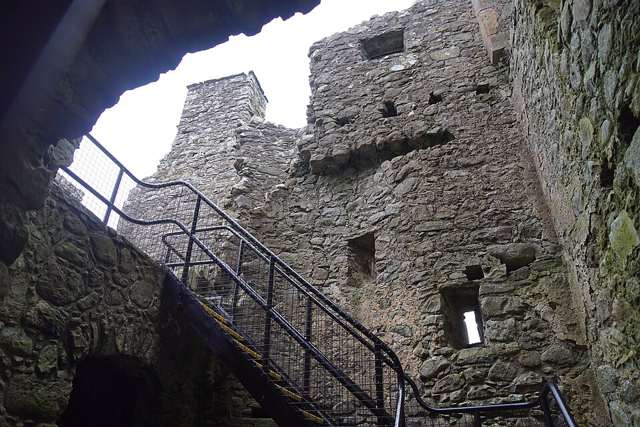
Read the house as a residence designed within a defensive setting. Its surviving form is best understood together with the enclosing bawn rather than as an isolated tower.
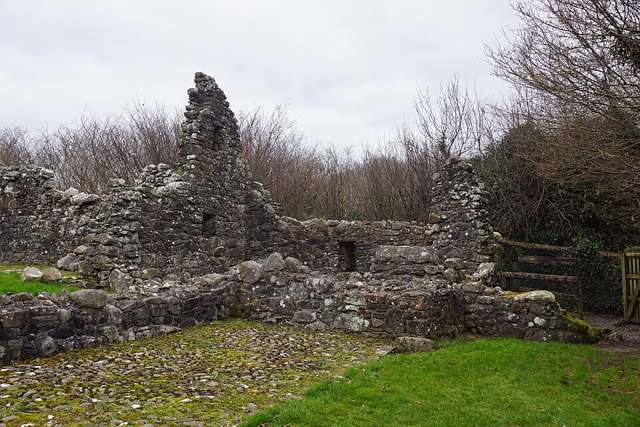
Look at how the enclosure and location work together. Stay on the authorised visitor route and use the surviving boundaries to understand the site’s original organisation.
The restored farmhouse is described as containing an exhibition of local castle stories. Check whether it is open; an outdoor visit should remain worthwhile on its own. Give the surviving enclosure time as well as the house, and keep your visit within the permitted route.
The story behind the visit
The castle was built for Sir John Hume and remained occupied until 1641. The Department for Communities records an attack on Christmas Eve by Rory Maguire, the burning of the house and the killing of its inhabitants. The house was not occupied again. This violent history should be stated soberly, without turning an uncertain retelling into a dramatic first-person account. Source ↗
The surviving fortified house and bawn stand on Tully Point. Their form makes the site valuable as evidence of residence and defence, while the restored farmhouse visitor centre offers a different kind of interpretation when open. Keep those layers distinct: the monument is the historic ruin, and the exhibition is a later visitor facility. Free public access to the former does not establish staffed opening of the latter. The site deserves space for both architectural observation and the difficult history attached to it; neither a scenic photograph nor a dramatic anecdote tells the whole story. Source ↗
Visitor information
The official address is Loughshore Road, Tully, Derrygonnelly, BT93 6HP. Use the signed public approach and keep access clear. Official visitor information ↗
Confirm current access and visitor arrangements with the operator.
The authority describes one in a restored farmhouse, but its present hours need confirmation. Source ↗
Yes for the monument, according to the heritage authority; follow any temporary access restrictions. Source ↗
Nearby options
Explore other places in the area, then use live directions to plan your journey.
heritage
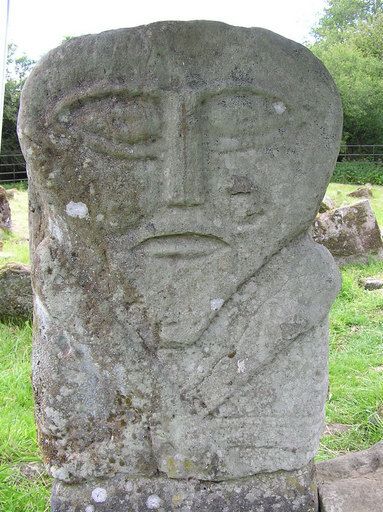
Caldragh is a small cemetery stop with unusually absorbing carved figures. The famous two-faced stone is not large, and that intimate scale is part of the encounter: close looking matters more than a long…
Open place page →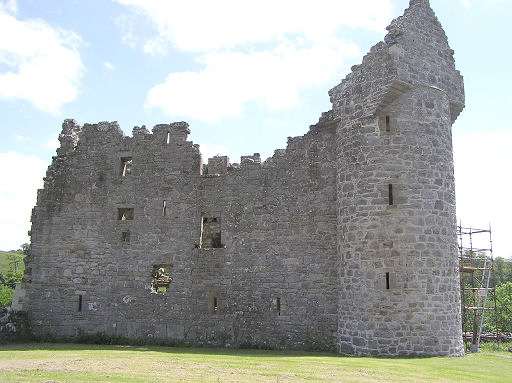
heritage
Monea Castle is a tall ruined plantation-era house on a working farm in County Fermanagh. Its Scottish-influenced architecture, entrance towers and surrounding bawn make the relationship between residence and…
Open place page →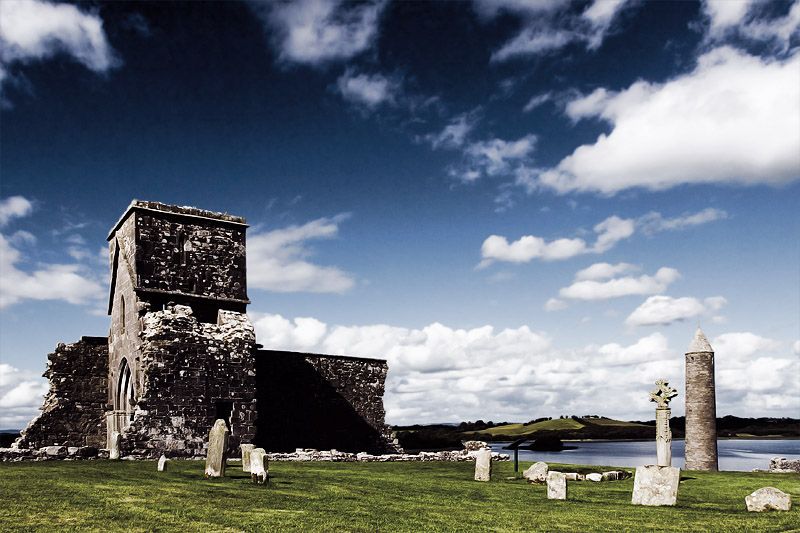
heritage
Devenish’s round tower becomes more memorable when you arrive across the lough. The water journey separates the monastic ruins from an ordinary roadside stop and gives the island’s setting a clear role in the…
Open place page →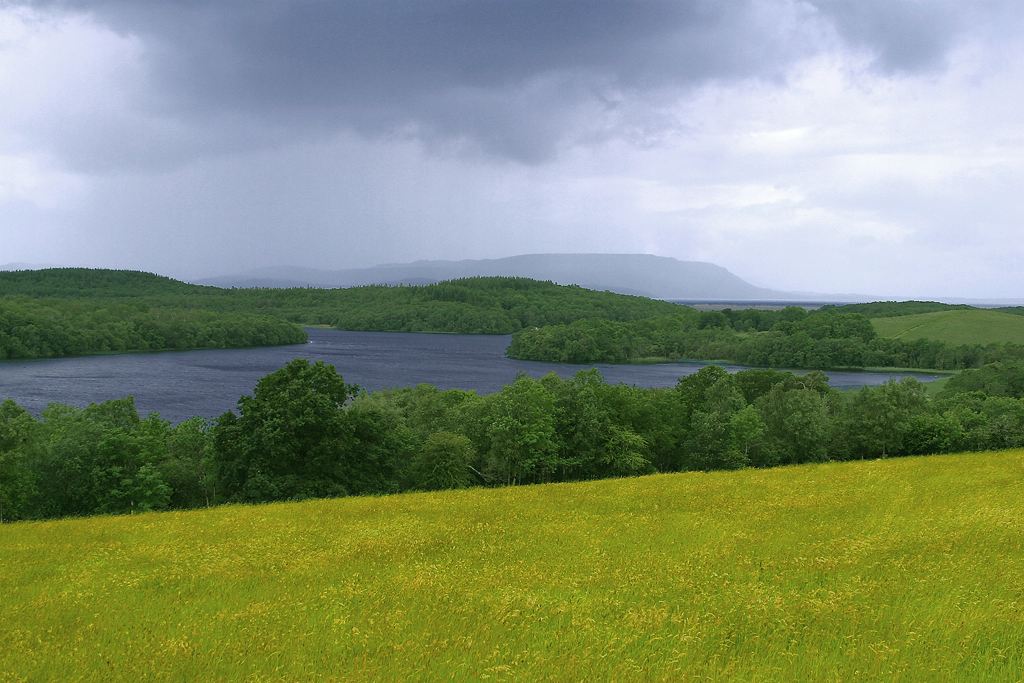
heritage
Enniskillen is a town-and-waterfront visit with the castle museums as a useful heritage anchor. Wider lakeland outings and boat trips are separate plans.
Open place page →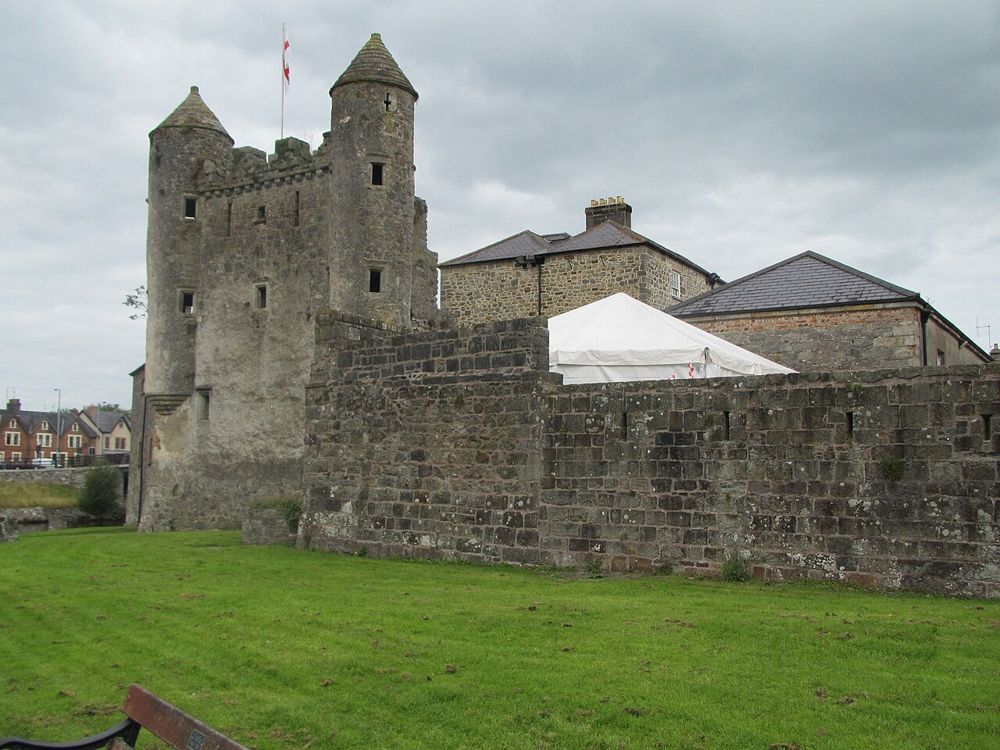
attraction
Enniskillen Castle gives the island town a substantial historical anchor. The waterfront buildings contain more than a picturesque exterior: county history and military collections can occupy a much fuller…
Open place page →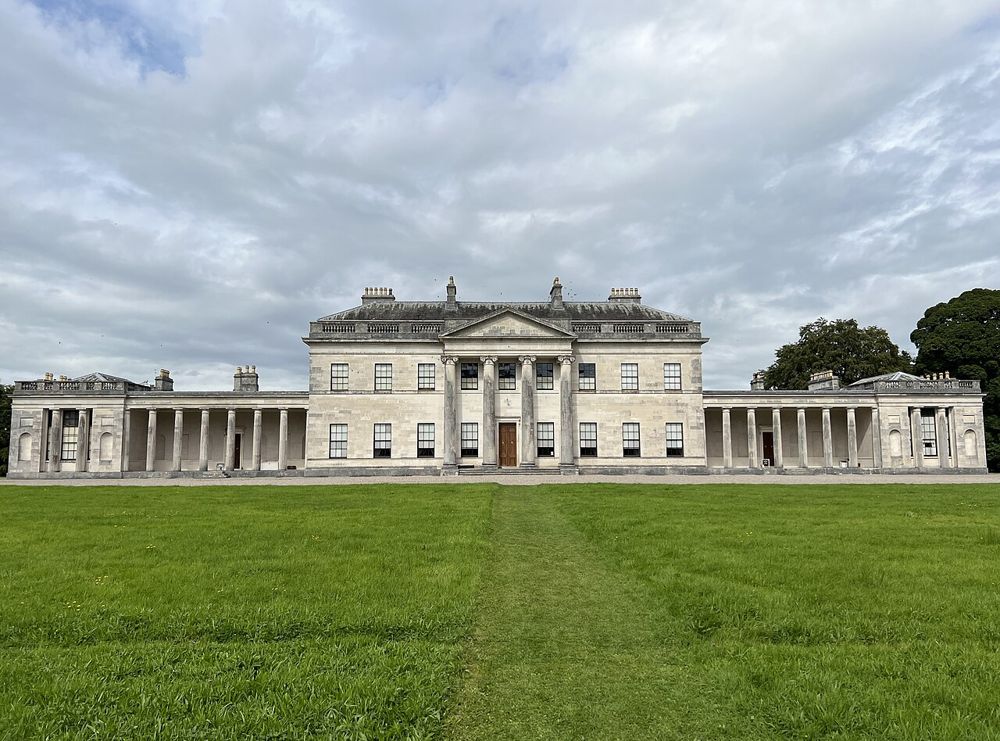
heritage
Castle Coole is a country house rather than a defensive castle, and its formal architecture sets expectations for the rooms inside. The parkland adds space afterwards without needing to be the principal reason…
Open place page →Location & access
The monument is confirmed free and publicly accessible, subject to restrictions. Visitor-centre availability needs separate confirmation.
54.45779, -7.80549 · Reference point; confirm the correct entrance and access. Map © OpenStreetMap contributors.
Orientation only: a verified public entrance is not established by this pin. Use the operator arrival information before travel.