Entrance towers
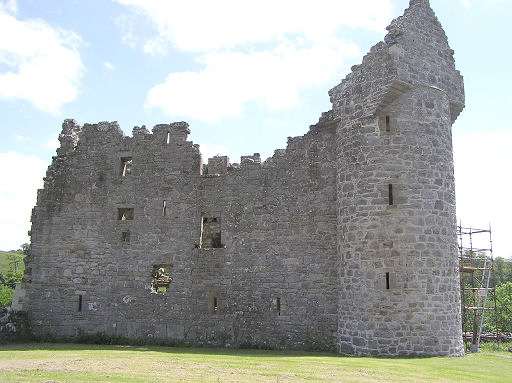
The two round towers at the entrance are among the castle’s most distinctive features. Compare them with the main block to understand how display, domestic accommodation and defence share the same building.

heritage · Fermanagh
Monea Castle is a tall ruined plantation-era house on a working farm in County Fermanagh. Its Scottish-influenced architecture, entrance towers and surrounding bawn make the relationship between residence and defence easy to examine. The heritage authority confirms free public access, while warning that works can occasionally restrict entry and that dogs are not allowed.
From research
Choose it for a short architecture-led stop rather than a staffed castle tour. The surviving shell rewards looking closely at its towers and enclosure. Respect the farm setting, stay on the authorised approach and avoid assuming that a tall surviving ruin has accessible upper floors or visitor services.
Know before you book: The monument is on a privately owned working farm with livestock. Dogs are prohibited; temporary works can restrict access.
Place highlights
The two round towers at the entrance are among the castle’s most distinctive features. Compare them with the main block to understand how display, domestic accommodation and defence share the same building.
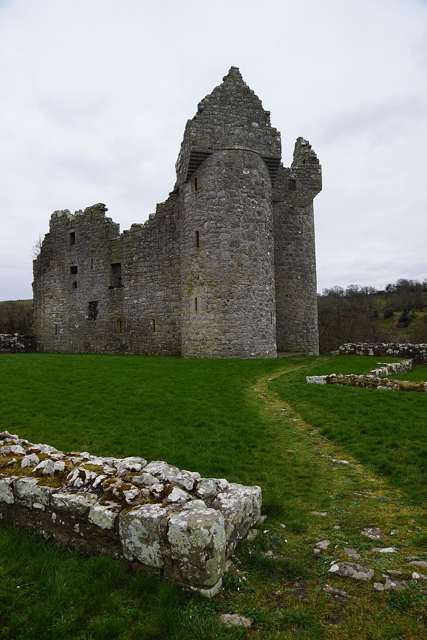
Look at the relationship between the house and its enclosing bawn. The enclosure protected more than the residence and is essential to reading the plantation-era layout.
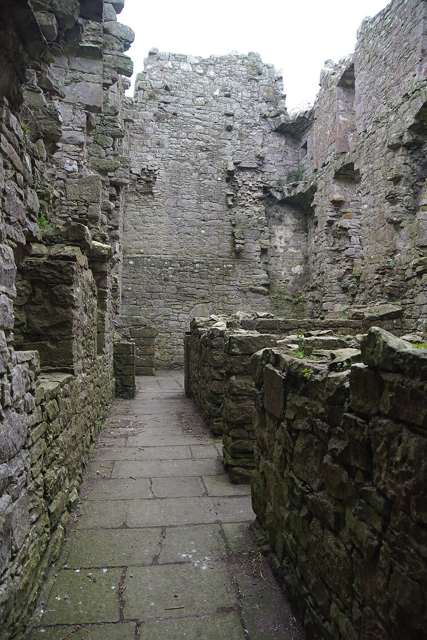
The ruin survives almost to its full height. Observe it from the permitted ground-level route rather than interpreting survival as permission to climb walls or enter restricted spaces. Look for the relationship between the house and enclosure before concentrating on individual architectural details outside.
The story behind the visit
The Department for Communities dates completion to 1619 and identifies Malcolm Hamilton as the builder. It highlights clear Scottish influence in the architecture. The house stood at a corner of a protective bawn with rounded flanking towers, one of which was later used as a dovecote. These features connect the impressive residence with the practical enclosure around it. Source ↗
The castle was briefly taken in 1641 and was held by Gustavus Hamilton, governor of Enniskillen, in 1688. It appears to have burned in the eighteenth century before abandonment. The present visit is to that surviving ruin, not a restored interior. The working farm context remains important: livestock and the private approach mean visitors must follow the current conditions, with no dogs and no assumption of access beyond the monument route. Keep the different historical layers in view: the original residence, its protective enclosure and later adaptations explain more together than a general label such as plantation castle. Source ↗
Visitor information
Follow the official Monea/Enniskillen location, BT74 8EQ, and the authorised farm approach. Do not park in a way that obstructs agricultural access. Official visitor information ↗
Confirm current access and visitor arrangements with the operator.
No. The Department for Communities prohibits dogs because this is a working farm with livestock. Source ↗
No. The offer is the surviving castle ruin; do not expect staffed rooms or upper-floor access. Source ↗
Nearby options
Explore other places in the area, then use live directions to plan your journey.
heritage
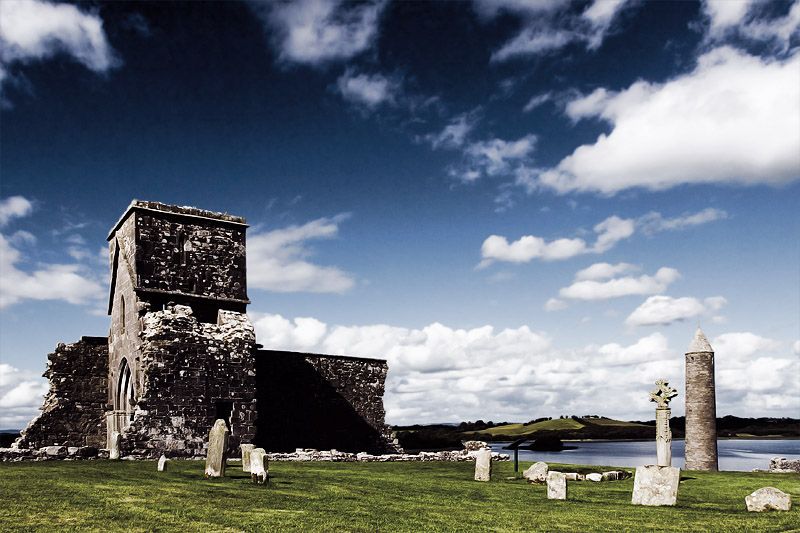
Devenish’s round tower becomes more memorable when you arrive across the lough. The water journey separates the monastic ruins from an ordinary roadside stop and gives the island’s setting a clear role in the…
Open place page →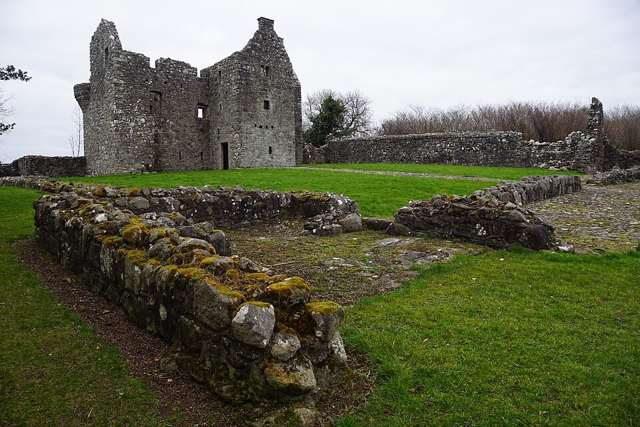
heritage
Tully Castle is a ruined fortified house and bawn on Tully Point in County Fermanagh. Its setting and compact defensive layout make it a useful heritage stop near Lower Lough Erne. The site also carries the…
Open place page →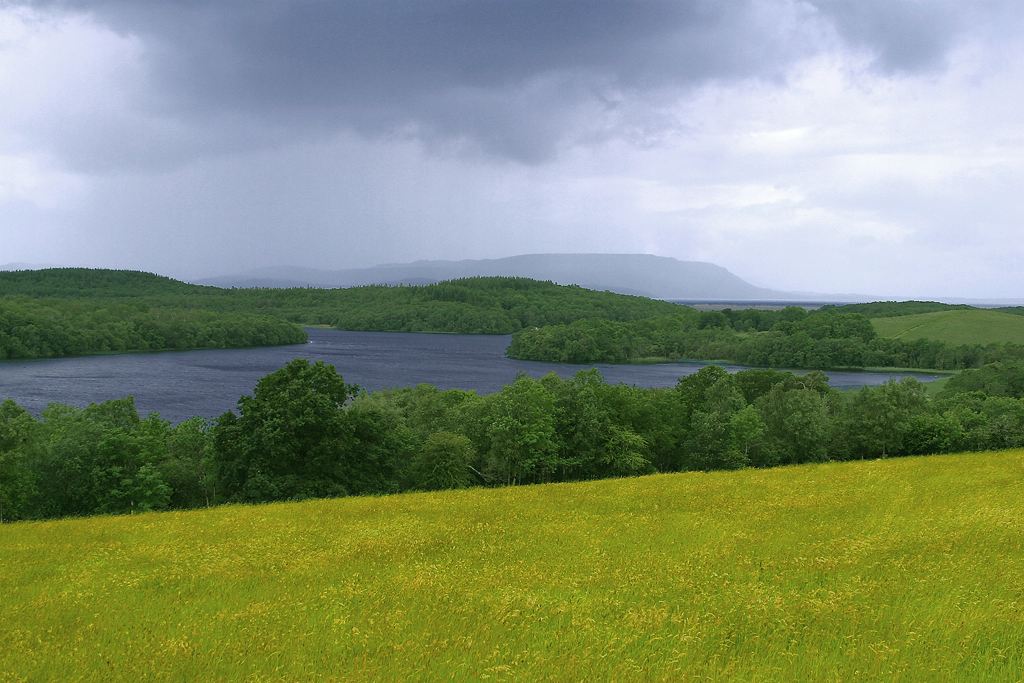
heritage
Enniskillen is a town-and-waterfront visit with the castle museums as a useful heritage anchor. Wider lakeland outings and boat trips are separate plans.
Open place page →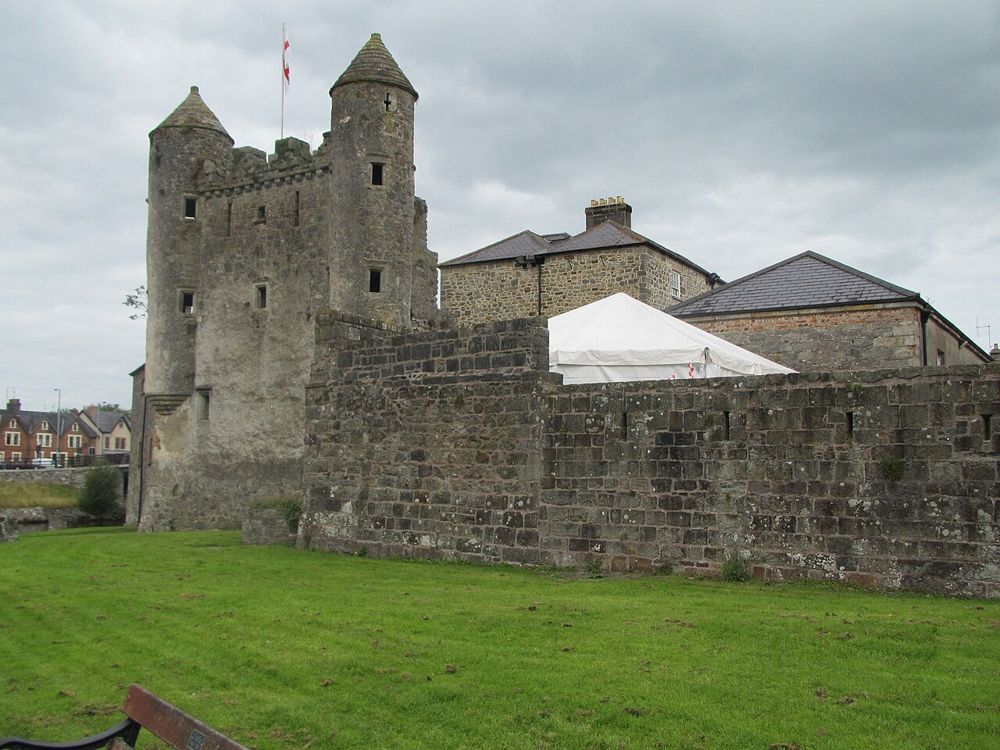
attraction
Enniskillen Castle gives the island town a substantial historical anchor. The waterfront buildings contain more than a picturesque exterior: county history and military collections can occupy a much fuller…
Open place page →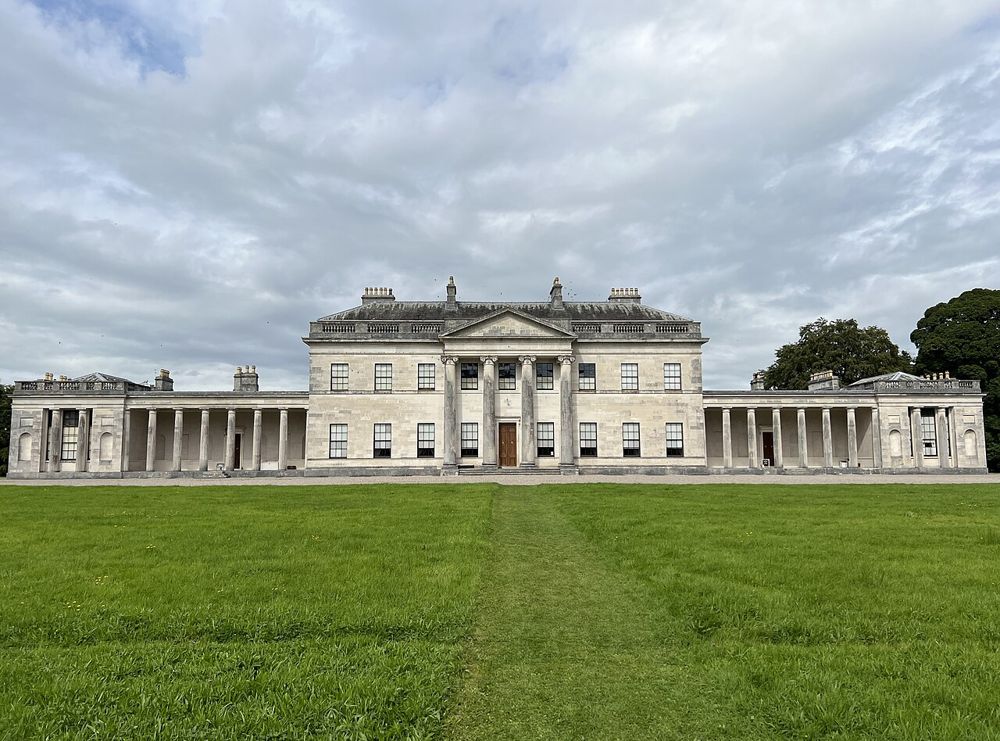
heritage
Castle Coole is a country house rather than a defensive castle, and its formal architecture sets expectations for the rooms inside. The parkland adds space afterwards without needing to be the principal reason…
Open place page →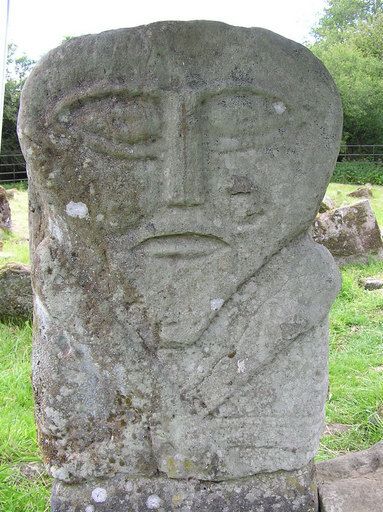
heritage
Caldragh is a small cemetery stop with unusually absorbing carved figures. The famous two-faced stone is not large, and that intimate scale is part of the encounter: close looking matters more than a long…
Open place page →Location & access
The monument is on a privately owned working farm with livestock. Dogs are prohibited; temporary works can restrict access.
54.39264, -7.74744 · Reference point; confirm the correct entrance and access. Map © OpenStreetMap contributors.
Orientation only: a verified public entrance is not established by this pin. Use the operator arrival information before travel.