From research
Is this worth your time?
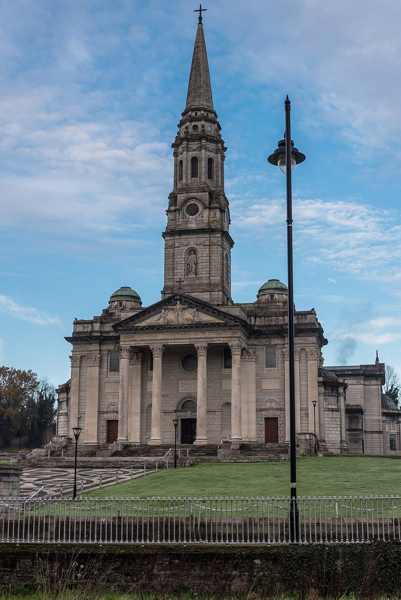
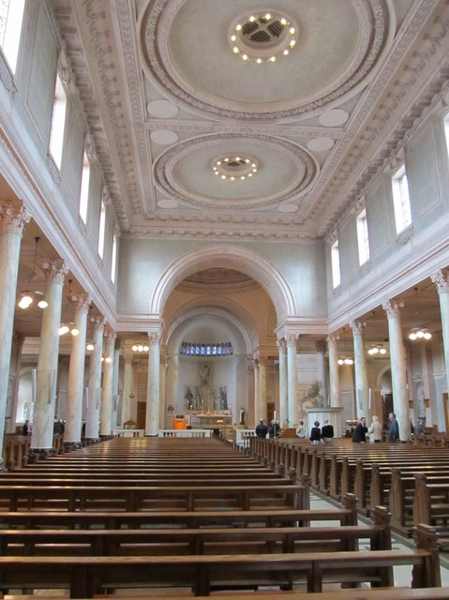
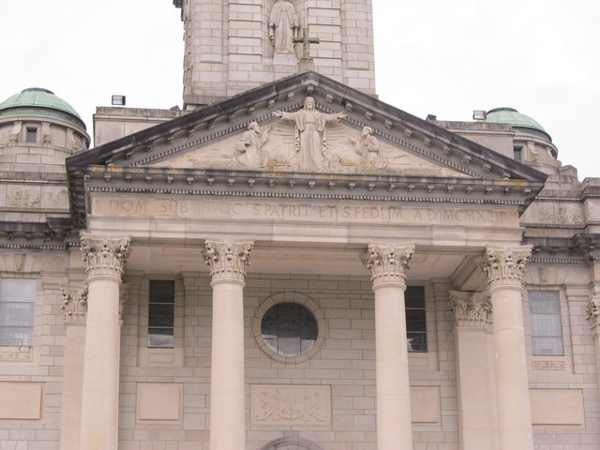
Choose this cathedral for its combination of neoclassical architecture and decorative craftsmanship. Begin outside, then look for the differences between stone, glass and painted work indoors. Ask about a suitable time if the interior is central to your plans, and give worshippers priority rather than treating Mass times as a sightseeing timetable.
Know before you book: Working cathedral: funerals, services and parish occasions can restrict quiet visitor access.
The story behind the visit
The story behind the place
The present cathedral was built between 1938 and 1942, replacing an earlier Cavan parish church that had become the diocesan cathedral in 1862. W. H. Byrne and Son designed the building, and John Sisk and Son carried out the construction. It was opened and dedicated in 1942 and consecrated in 1947. Those separate dates distinguish the completion of the building from its later consecration. The cathedral’s neoclassical design gives this important twentieth-century phase of Cavan’s religious history a visible place in the town. Source ↗
The diocese’s older cathedral story belongs to Kilmore outside Cavan, while the present Catholic cathedral stands on Farnham Street. Keeping those places distinct helps make sense of the local religious landscape. Inside the newer building, decorative work accumulated over time: the Harry Clarke studio windows were added more than fifty years after the cathedral opened. Alongside the marble and George Collie paintings, they show that a large church can carry several periods of artistic work within one architectural setting. Its regular parish use continues that story, making respectful timing an essential part of any visit focused on art or architecture. Source ↗