The story behind the visit
The story behind the place
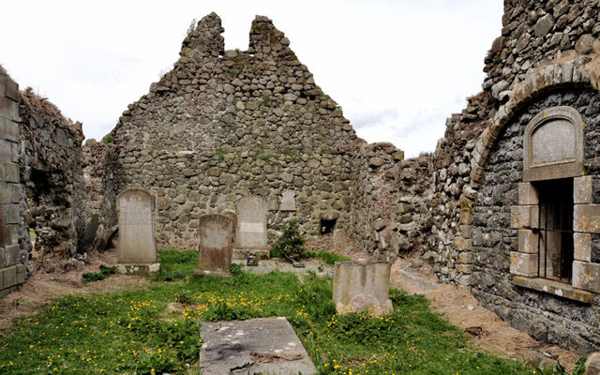
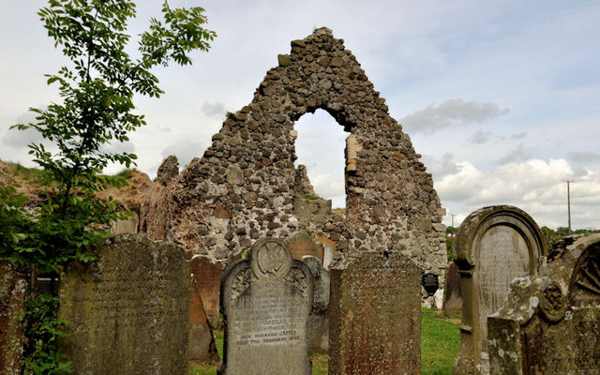
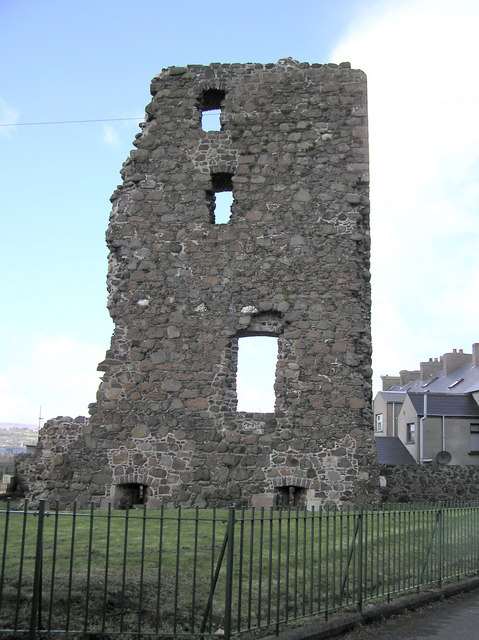
The site has early Christian associations, with a cross-inscribed stone surviving from that older religious landscape. A large enclosure can be traced beyond the present burial ground, although that archaeological extent does not establish a visitor route through surrounding fields. The later church and cemetery continued the site’s religious role, adding new structures and memorials over time. Source ↗
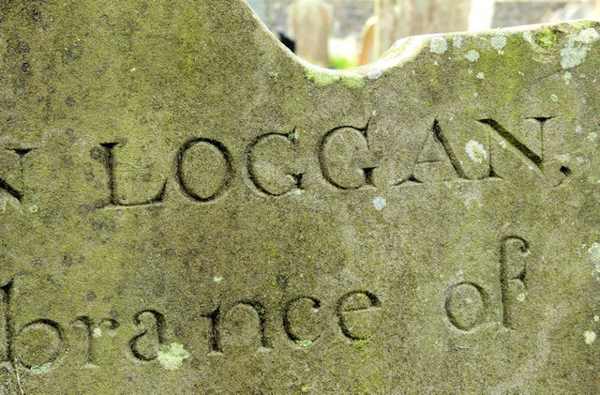
Ballycarry’s connections with Scottish settlement are particularly visible in the later story. Templecorran contains memorials linked with early Presbyterians, military service, emigration and other aspects of community life. James Orr, remembered as the Bard of Ballycarry, took part in the 1798 rising and became an important literary figure. His memorial provides one specific thread through the wider graveyard rather than a reason to overlook other burials. Start with the entrance interpretation, select a few inscriptions and give the ruins their setting. A responsible visit leaves the fabric untouched, avoids walking across graves and keeps the historical extent of the site separate from the land actually open to the public. Source ↗