Earlier castle fabric
Look for the castle remains and corner towers identified by OPW. Their survival helps explain the unusual relationship between a defensive structure and the religious complex later established within its footprint.

heritage · Clare
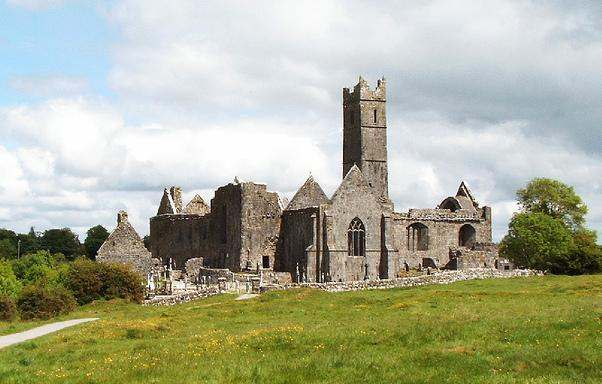
Franciscan ruins in Quin village where a medieval monastery incorporated the remains of an earlier Anglo-Norman castle. The cloister makes the changing uses of the site especially easy to read.
From research
Choose Quin for a self-guided visit to the friary ruins and surviving cloister. It works as a focused heritage stop outside Ennis, with time to look at the relationship between the monastic buildings and earlier castle fabric.
Know before you book: Daytime monument access follows the published gate hours; do not assume evening access.
Place highlights
Look for the castle remains and corner towers identified by OPW. Their survival helps explain the unusual relationship between a defensive structure and the religious complex later established within its footprint.
The cloister’s repeated arches provide an immediate sense of enclosure and rhythm. Take time to see how the surrounding passages frame the open centre, one of the clearest surviving expressions of the friary’s communal layout.
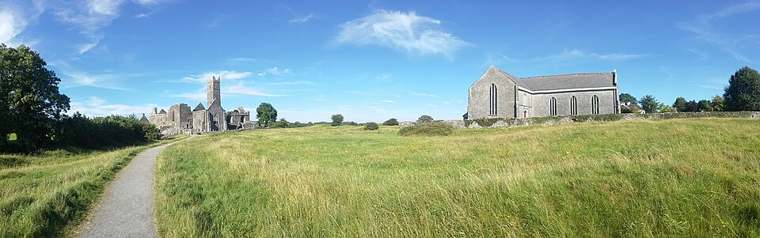
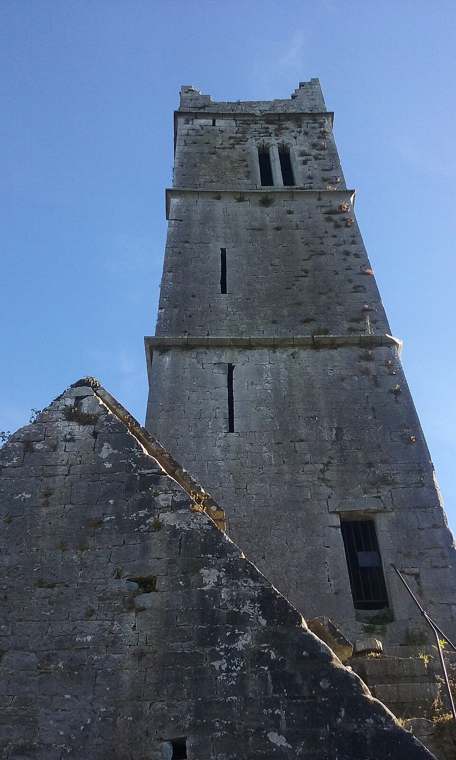
View the bell tower alongside the adjoining ruins from permitted ground-level areas. Its height changes the scale of the complex and helps you distinguish the main vertical landmark from the lower surviving monastic spaces.
The story behind the visit
Quin’s ruins preserve a change of purpose from fortification to religious life. An Anglo-Norman castle was built here by Thomas de Clare in 1281; after its destruction, a friary developed within the remains. OPW identifies surviving castle fabric and corner towers beneath the later complex. Looking for that earlier structure gives the visit a useful starting point: the monastery did not begin on an empty site, and its walls contain more than one history. Source ↗
The fifteenth-century cloister is one of the most prominent surviving features. Its repeated openings and enclosed plan make the organisation of monastic space easier to understand than a distant view of the tower alone. Walking around the accessible ruins, compare the more substantial vertical remains with smaller architectural details. The site’s appeal lies in reading those relationships and imagining different uses of the same ground, rather than expecting furnished rooms or a modern indoor exhibition. Source ↗
Visitor information
In Quin village, County Clare, about 10 km east of Ennis. Official visitor information ↗
Confirm current access and visitor arrangements with the operator.
An unguided OPW monument; no individual time-slot booking is advertised. Source ↗
Historic ruins: take care and contact OPW before travelling if you need confirmed step-free access. Source ↗
Nearby options
Explore other places in the area, then use live directions to plan your journey.
heritage
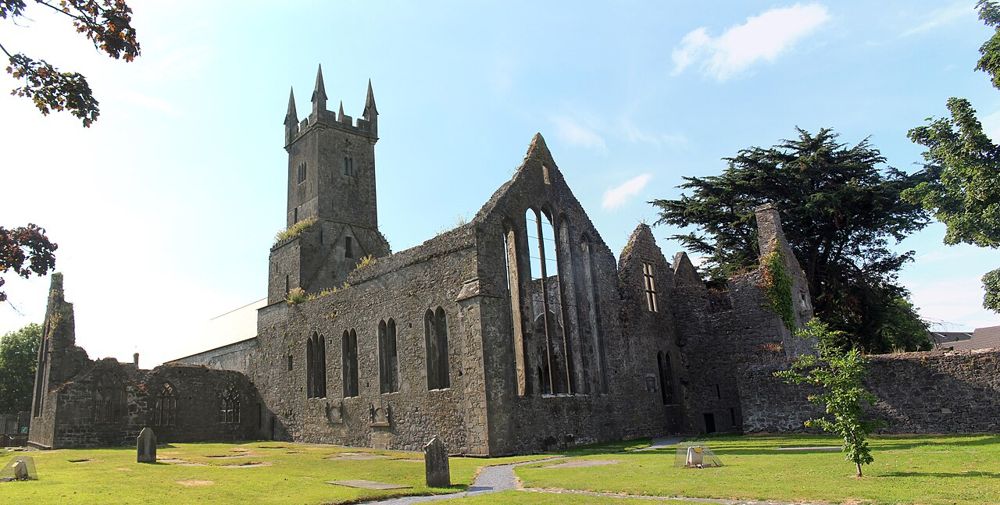
Ennis Friary is a good reminder that the most interesting part of a ruin can be small. Its limestone carvings, tombs and windows reward looking closely rather than chasing a grand view. Because it sits in…
Open place page →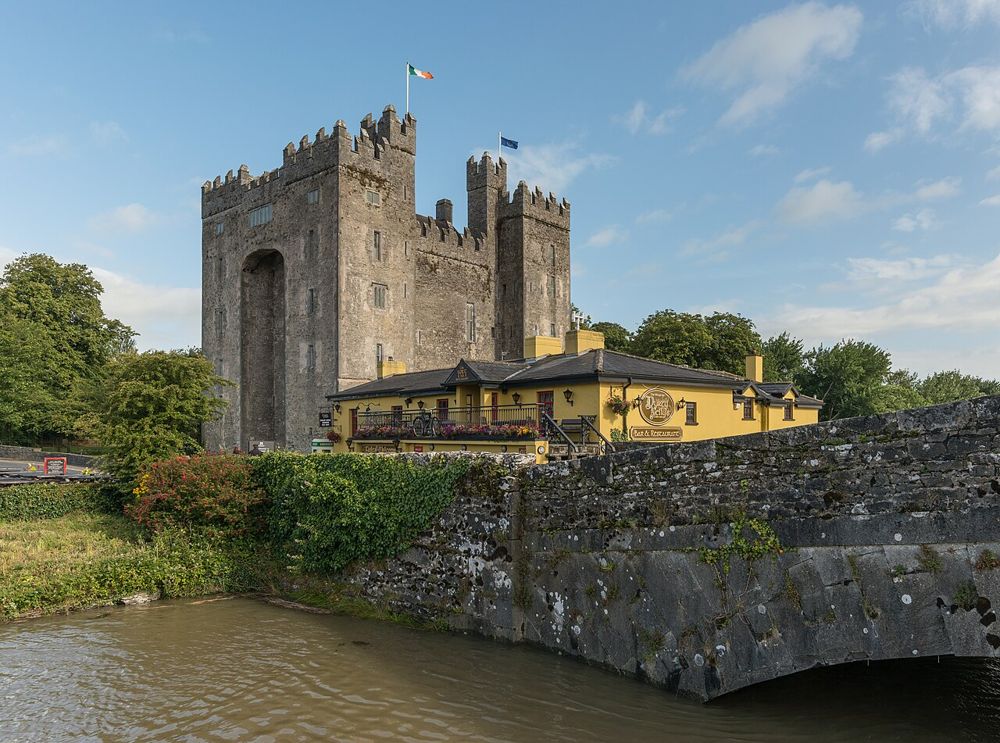
heritage
Bunratty is worth planning as a castle and village visit, rather than a quick photograph from the road. Inside the stone tower, furnished halls make the scale of an elite medieval household tangible. Outside,…
Open place page →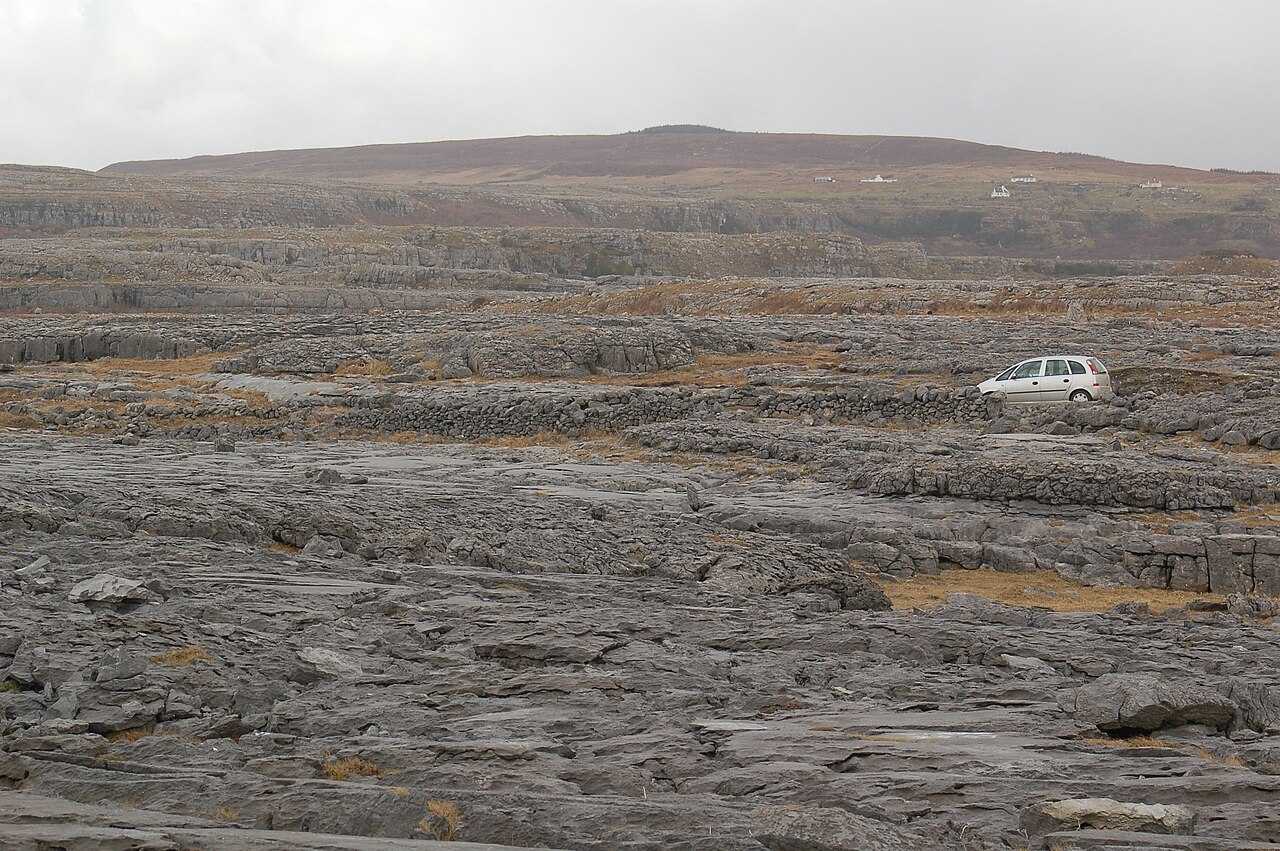
nature
The Burren is a limestone landscape to explore through a specific trail or geosite, not a single viewpoint that covers the whole region.
Open place page →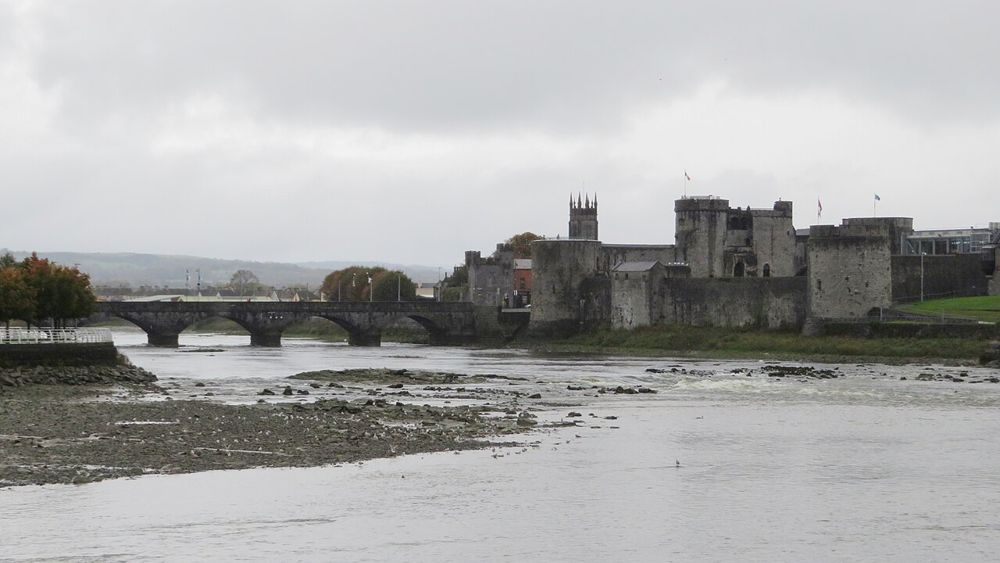
heritage
King John's Castle makes the Shannon part of the history lesson. Its walls and towers give the city's strategic position an immediate scale, while the visitor exhibition supplies the detail that bare stone…
Open place page →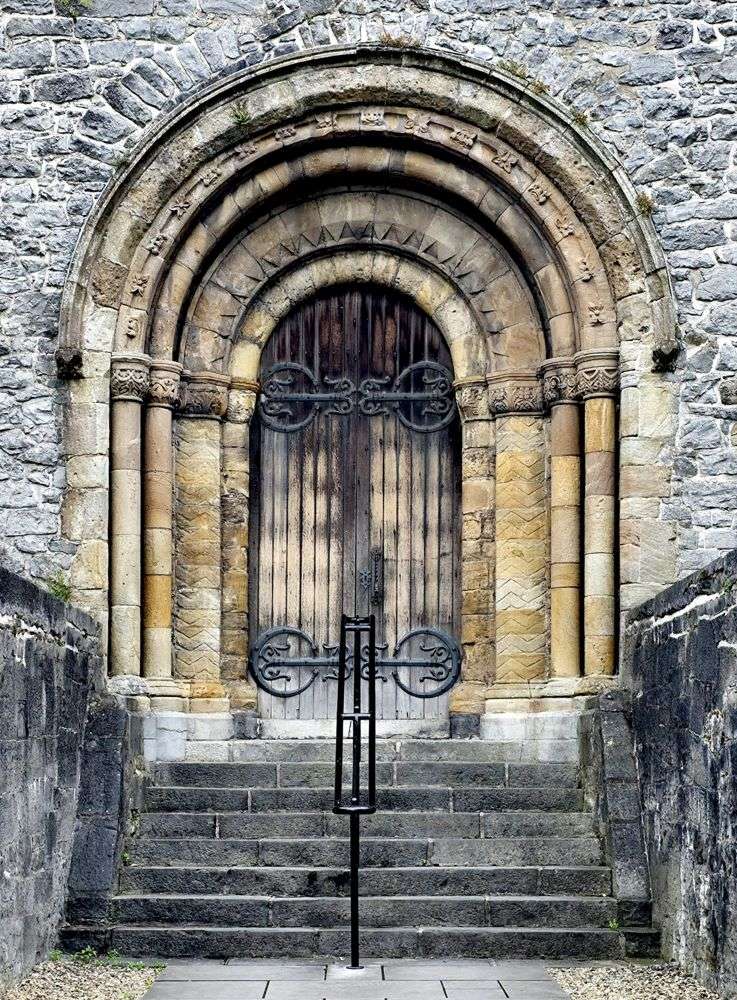
heritage
St Mary's gives Limerick's medieval quarter a quieter centre. The interest lies in how a long-used cathedral has accumulated architecture, monuments and signs of worship rather than remaining unchanged.
Open place page →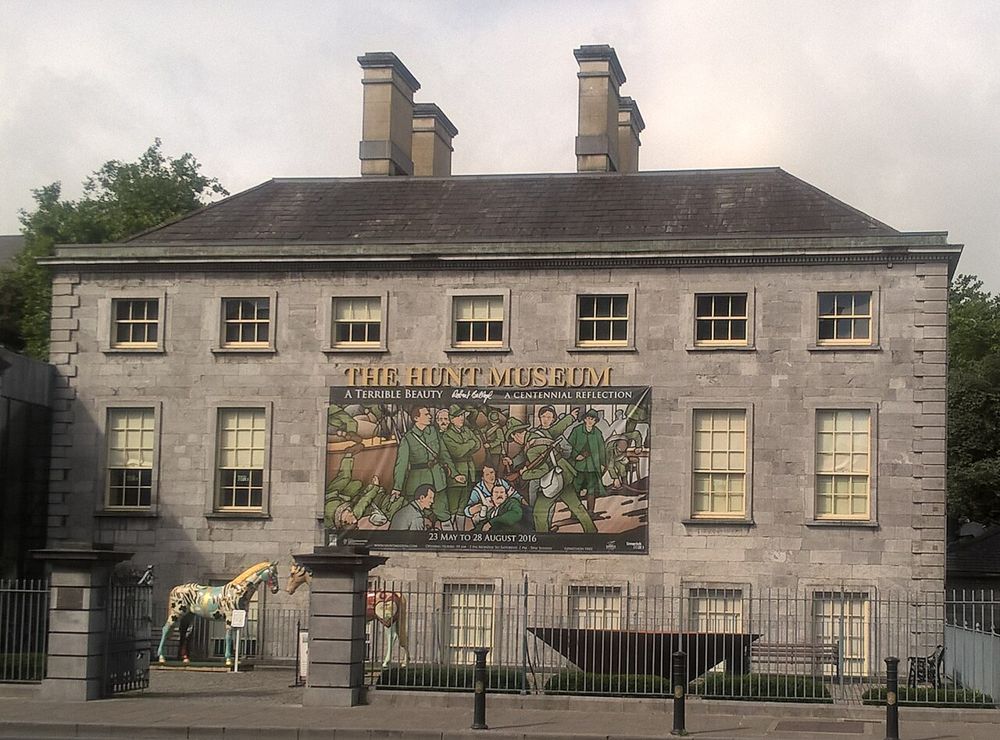
attraction
The Hunt is for looking closely: a relatively compact collection where small objects can hold the attention longer than their size suggests. It makes a useful indoor counterpart to Limerick's larger stone…
Open place page →Location & access
Daytime monument access follows the published gate hours; do not assume evening access.
52.81910, -8.86307 · Reference point; confirm the correct entrance and access. Map © OpenStreetMap contributors.
Orientation only: a verified public entrance is not established by this pin. Use the operator arrival information before travel.